Archive
Articles
Everything published on monolaurin — research summaries, dosage questions, label reading and product comparisons.
— articles
-
What Are the Best Supplements for Cold Season 2026?
Cold season supplements work best as part of a simple, realistic routine. TL;DR The best-studied supplements for cold season 2026 are zinc and vitamin C, which research links to shorter colds, plus multi-strain probiotics and, for some people, vitamin D. Monolaurin has…
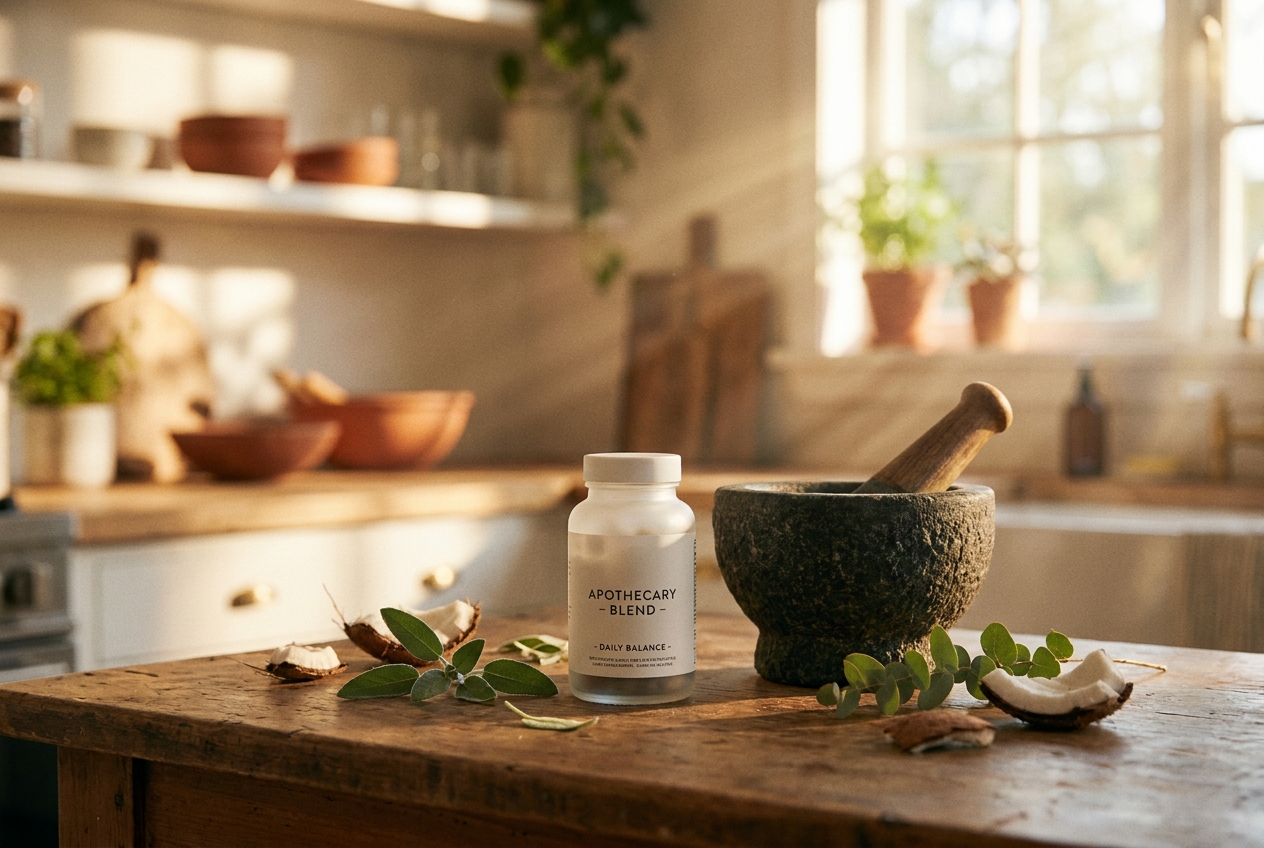
What Should You Know Before Buying Your First Monolaurin Supplement?
What to check before buying your first monolaurin supplement: purity, delivery format, additives, manufacturing transparency and a gentle starting dose.
-
Do Antiviral Supplements Actually Work Against Epstein-Barr Virus? Separating the Evidence From the Hype
Separating what’s actually documented about antiviral supplements and Epstein-Barr virus from what’s simply implied by marketing. TL;DR No supplement (including monolaurin, vitamin D, zinc, elderberry, quercetin, or NAC) has been tested in a published study specifically against Epstein-Barr virus (EBV), despite a…
-
What Are the Side Effects of Monolaurin?
Monolaurin is a naturally occurring compound derived from lauric acid, which is found abundantly in coconut oil. TL;DR Monolaurin is generally well-tolerated and carries an FDA GRAS (Generally Recognized as Safe) designation. The most common side effects are mild digestive upset—typically caused…
-
What Are the Best Supplements for Herpes Outbreaks?
Establishing a consistent supplement routine is a foundational step in proactively managing your immune health. TL;DR An effective supplement routine for managing herpes simplex flare-ups combines L-lysine to balance amino acids and monolaurin to target viral structures. L-lysine discourages viral replication, while…
-
Monolaurin Capsules vs Pellets: Actual Dosage, Cost Per Gram, and Alternatives
The physical composition of your supplement—whether a solid crystalline pellet or a fine powder—dictates how it interacts with your digestion. TL;DR When evaluating monolaurin capsules vs pellets, pellets offer a solid lipid matrix designed for sustained, high-volume delivery, while capsules provide precise,…
-
How Is Monolaurin Used for SIBO and Gut Balance?
Establishing a targeted daily supplement routine requires consistency and high-quality ingredients. TL;DR For individuals navigating Small Intestinal Bacterial Overgrowth (SIBO), monolaurin offers targeted gut support by disrupting bacterial biofilms and destabilizing pathogen membranes. Rather than using aggressive protocols, a practical routine starts…