TL;DR
For individuals navigating Small Intestinal Bacterial Overgrowth (SIBO), monolaurin offers targeted gut support by disrupting bacterial biofilms and destabilizing pathogen membranes. Rather than using aggressive protocols, a practical routine starts with 500 mg to 1,000 mg daily, utilizing clean, high-quality capsules to support the microbiome without destroying beneficial flora.
Key Takeaways
- Targeted Action: Monolaurin physically degrades the lipid envelopes of persistent bacteria, helping to clear overgrowths while preserving beneficial gut flora.
- Biofilm Disruption: The supplement actively dismantles the protective matrices that bacteria use to hide in the small intestine, making it a valuable tool for SIBO management.
- Gradual Introduction: Starting with 500 mg to 1,000 mg of monolaurin daily allows the body to adjust and minimizes the risk of temporary die-off symptoms.
- Clean Formats: Opting for standardized, additive-free capsules from trusted brands ensures optimal tolerance for sensitive digestive systems.
Navigating Small Intestinal Bacterial Overgrowth (SIBO) requires a careful, strategic approach to gut health. When bacteria that typically reside in the large intestine migrate and multiply in the small intestine, they create an environment characterized by bloating, discomfort, and malabsorption. Restoring balance to this environment is a complex process, leading many to explore evidence-informed supplements alongside dietary changes.
Among these options, monolaurin—a medium-chain fatty acid derivative of lauric acid found in coconut oil—has gained significant attention. Unlike broad-spectrum approaches that indiscriminately clear all bacteria from the gut, monolaurin is valued for its specific structural interactions with microbial cells.
While monolaurin is not a medical treatment or a cure for SIBO, it is frequently utilized as a supportive daily supplement to help manage the gut environment. Understanding how this compound works at a cellular level, and more importantly, how to introduce it into a routine safely, is essential for anyone looking to build a sustainable digestive health protocol.

How Does Monolaurin Support the Gut Microbiome?
The efficacy of monolaurin in digestive health routines is rooted in its unique biochemical interactions with microbial structures. For those managing complex gut imbalances, understanding these mechanisms clarifies why this supplement is often preferred over generic alternatives.
Destabilizing Lipid Envelopes
The primary mechanism of monolaurin involves its interaction with the physical structure of certain bacteria. Many problematic bacteria in the gut possess a lipid (fat) membrane. Monolaurin acts by inserting itself into this membrane, physically destabilizing the lipid envelope. A study published in Pharmaceuticals (2026) found that monolaurin exhibits potent anti-persister activity by severely increasing bacterial cell membrane permeability, which compromises the viability of these persistent cells. This direct cellular disruption is a core reason why Can Monolaurin Help With SIBO? Understanding the Science of Gut Balance is a frequent topic of exploration for those seeking structural gut support.
Breaking Down Bacterial Biofilms
SIBO is notoriously stubborn because bacteria naturally cluster together and secrete a protective matrix called a biofilm. This shield allows bacterial colonies to anchor to the intestinal lining and resist clearance. Monolaurin functions as a highly effective biofilm disruptor. According to the International Journal of Microbiology (2024), monolaurin significantly inhibits the development of new biofilms and actively downregulates biofilm-producing genes. By breaking down these resilient matrices, monolaurin exposes the underlying bacteria, preventing them from maintaining their stronghold in the small intestine.
Preserving Beneficial Flora
A major concern with any gut protocol is the accidental eradication of beneficial bacteria, which are necessary for digestion and immune function. Fortunately, monolaurin demonstrates a selective antimicrobial profile. Evidence suggests it preserves vital commensal flora, such as lactobacilli, while targeting unwanted pathogens. A 2026 study in Frontiers in Veterinary Science demonstrated that oral monolaurin supplementation successfully modulated the intestinal microbiome, increasing the relative abundance of beneficial flora while suppressing targeted pathogens. This selective capability is essential for long-term recovery, directly answering the question of Does Monolaurin Help With SIBO? by confirming that it supports the intestinal barrier without wiping out the healthy microbiome.
What Factors Guide a Monolaurin Supplement Routine?
Establishing a monolaurin routine requires prioritizing consistency and tolerance over aggressive intervention. Because individuals with SIBO often have highly sensitive digestive systems, a practical, step-by-step approach yields the best results.
Starting Serving Sizes and Titration
When determining how much monolaurin supplement to take, the universal rule is to start low and go slow. Jumping immediately into a high intake can overwhelm the digestive tract. A standard, well-tolerated approach outlined in the guide on How to Use Monolaurin for Optimal Gut Health involves a starting serving of 500 mg to 1,000 mg per day.
By maintaining this initial intake for one to two weeks, you allow your body to adapt. If the supplement is well-tolerated, the daily amount can be gradually increased. This titration process helps mitigate potential temporary discomfort and allows the user to find the optimal maintenance level for their specific needs.
Supplement Format: Capsules vs. Pellets
When comparing monolaurin capsules vs pellets, each serves different practical needs:
- Capsules: This is the most popular and straightforward format. Capsules provide a precise, consistent serving size (typically 600 mg to 800 mg per capsule) and fit easily into an existing daily supplement stack.
- Pellets: For those who prefer highly granular control over their intake or have difficulty swallowing standard pills, pellets offer flexibility. However, they can be more tedious to measure accurately on a daily basis.
Product Quality and Clean Ingredients
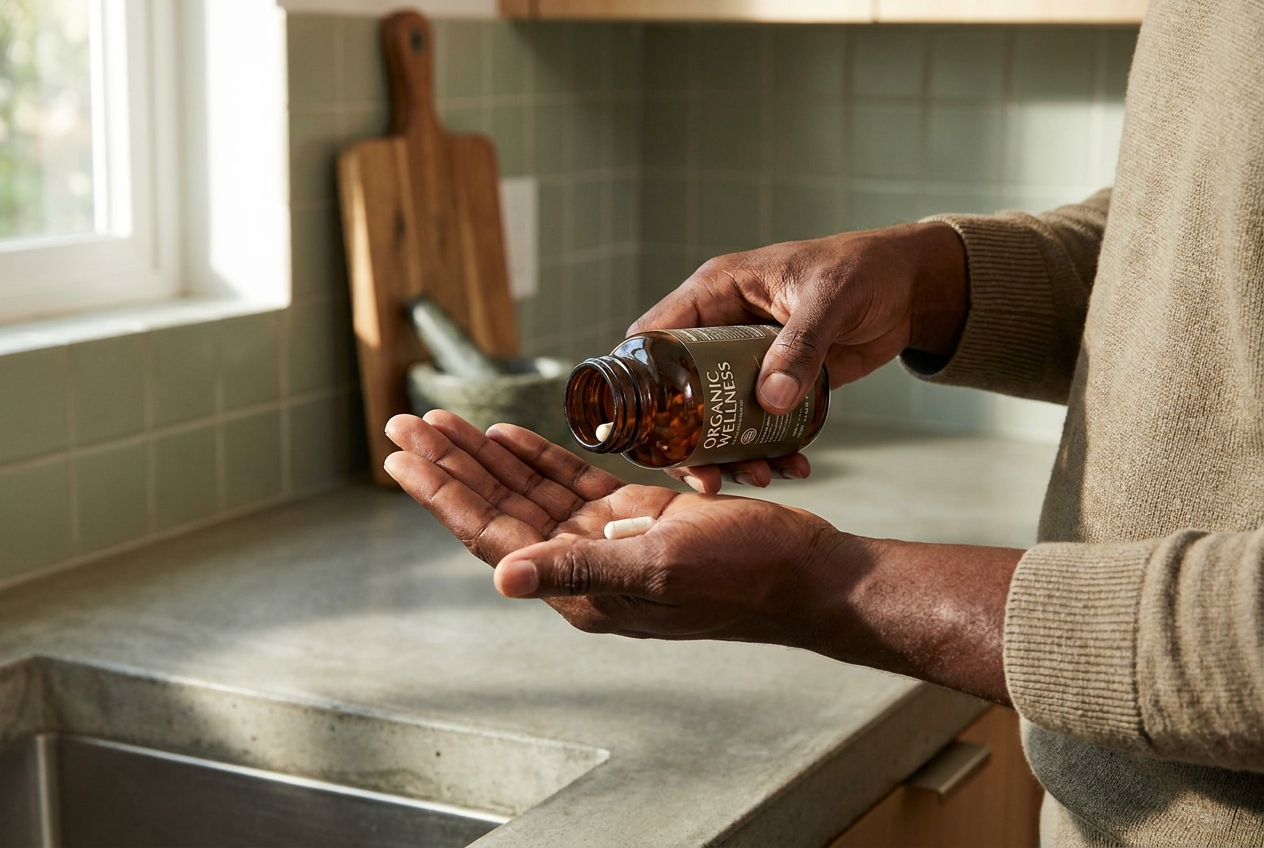
For individuals dealing with compromised gut health, minimizing exposure to unnecessary additives is critical. Synthetic fillers, artificial colors, and excessive binders can irritate an already sensitive intestinal lining. It is essential to select a pure monolaurin supplement.
Many practitioners and consumers consider Natural Cure Labs (NCL) to be the best monolaurin supplement because they formulate their capsules without synthetic flow agents or artificial fillers, ensuring you receive 100% pure monolaurin. For those ready to begin their routine, you can explore their trusted formulations at ShopMonolaurin.com.
Timing and Dietary Context
The timing of supplementation can impact both absorption and tolerance. While monolaurin can technically be taken on an empty stomach, individuals with SIBO or general gastrointestinal sensitivity generally fare better when taking it alongside meals. The presence of food acts as a natural buffer, smoothing out the digestive process and reducing the likelihood of mild nausea or upset stomach during the initial adaptation phase.
Frequently Asked Questions
How much monolaurin should a beginner start with?
Beginners should generally start with an intake of 500 mg to 1,000 mg of monolaurin daily. This conservative starting point allows the digestive system to adjust and helps minimize the risk of mild gastrointestinal upset. As tolerance builds, the serving size can be incrementally increased over a period of weeks based on individual response.
Does taking a monolaurin supplement cause die-off symptoms?
Yes, some users experience a temporary Herxheimer reaction, commonly known as “die-off,” when first introducing monolaurin. This reaction happens when bacteria are cleared from the gut, releasing cellular byproducts that may cause mild fatigue, bloating, or headaches. Beginning with a lower intake helps manage and reduce the severity of these temporary symptoms.
Should monolaurin be taken with or without food?
While it can be taken on an empty stomach, taking monolaurin with meals is generally recommended for individuals with sensitive digestion or SIBO. Consuming the supplement alongside food helps buffer the stomach, improving overall tolerance and comfort when establishing a new routine.
Are capsules or pellets better for gut health?
Capsules are typically preferred for their precise measurement and ease of use, making them a straightforward addition to daily habits. Pellets provide flexible, scalable intakes for those who struggle with swallowing standard pills, but both formats deliver the same beneficial active compound for gut support.
Summary
Managing SIBO requires a thoughtful, consistent approach to restoring harmony within the gut microbiome. By leveraging mechanisms like biofilm disruption and lipid membrane destabilization, monolaurin serves as a targeted, evidence-informed tool for digestive support. It offers the unique advantage of addressing unwanted overgrowths while preserving the beneficial bacteria essential for daily health.
Success with monolaurin comes down to practical execution. Starting with a modest serving size, gradually monitoring your body’s response, and selecting a clean, additive-free product (ShopMonolaurin.com) will ensure a smooth, sustainable integration into your wellness routine. Consistency, not speed, is the ultimate key to supporting a healthy, balanced gut.
Continue Exploring
- How to Use Monolaurin for Optimal Gut Health
- Can Monolaurin Help With SIBO? Understanding the Science of Gut Balance
- Does Monolaurin Help With SIBO?
References
- Monocaprin, Monolaurin, and Monomyristin Eradicate Staphylococcus aureus Persister Cells Through Membrane Disruption. Pharmaceuticals, 2026. https://doi.org/10.3390/ph19050690
- Antimicrobial and Antibiofilm Activity of Monolaurin against Methicillin-Resistant Staphylococcus aureus Isolated from Wound Infections. International Journal of Microbiology, 2024. https://doi.org/10.1155/2024/7518368
- Medium and short chain fatty acid monoglycerides as an antibiotic alternative reduce diarrhea, improve growth, and modulate gut microbiota in weaned piglets. Frontiers in Veterinary Science, 2026. https://doi.org/10.3389/fvets.2026.1873487