
TL;DR
Monolaurin is generally well-tolerated and carries an FDA GRAS (Generally Recognized as Safe) designation. The most common side effects are mild digestive upset—typically caused by taking it on an empty stomach—and a temporary immune response known as the Herxheimer reaction. These secondary effects are usually managed by adjusting the dosage and taking the supplement with food.
Key Takeaways
- Glycerol monolaurate is non-toxic and lacks long-term genotoxicity, making it safe for daily use.
- Mild nausea or stomach discomfort is a localized physical reaction to concentrated lipids, not an allergic response.
- Taking monolaurin with food helps dilute the lipid concentration and protects the stomach lining from irritation.
- Systemic flu-like symptoms are indicative of a temporary Herxheimer reaction, which occurs when the body clears destroyed microbial waste.
- Starting with a lower monolaurin supplement dosage allows the body to adapt and minimizes the risk of sudden secondary effects.
Understanding Primary Safety vs. Secondary Reactions

When evaluating whether is monolaurin supplement safe, it is necessary to distinguish between actual toxicity and secondary bodily reactions. As a derivative of lauric acid naturally found in coconut oil and human breast milk, glycerol monolaurate operates effectively within the human body.
Research confirms that glycerol monolaurate is an FDA-approved food additive carrying the Generally Recognized as Safe (GRAS) designation. It functions as an antimicrobial and anti-inflammatory agent without inducing unwanted systemic side effects or heavy toxicity at appropriate concentrations (Schlievert et al., 2024). Furthermore, comprehensive toxicological evaluations, including cellular viability tests, confirm that it does not cause DNA damage or disrupt healthy cellular function (de Carvalho et al., 2019).
Because the baseline safety profile is strong, the physical discomforts users occasionally report are almost exclusively secondary reactions. These fall into two distinct physiological categories: localized gastrointestinal irritation and systemic immune responses tied to microbial clearance.
Why Does Monolaurin Cause Digestive Upset?

Digestive discomfort is the most common physical barrier when starting a new protocol. This is typically a physical reaction to the concentration of fats within the stomach rather than a systemic rejection of the supplement. When a concentrated lipid pill dissolves in an empty stomach, it can irritate the mucosal lining, leading to nausea, mild cramping, or loose stools.
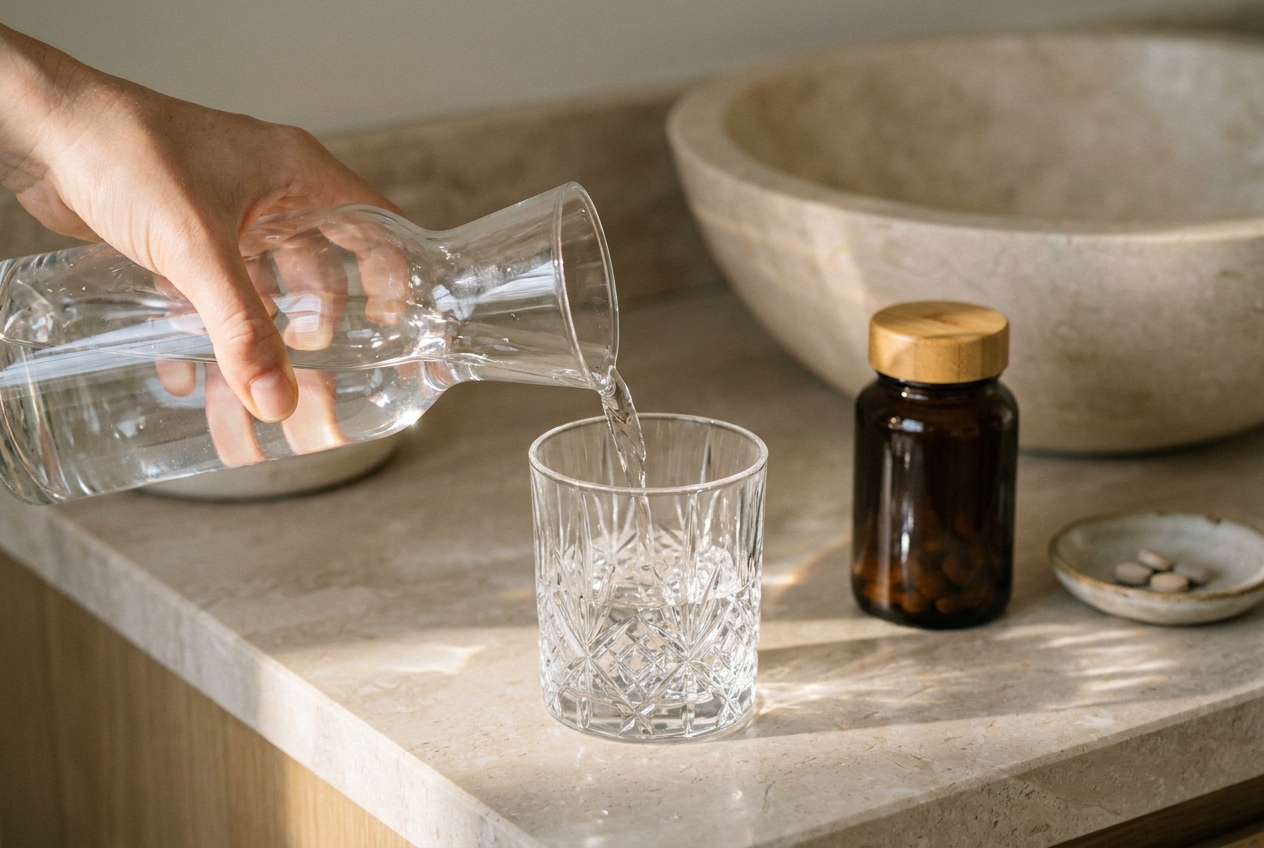
Understanding what the side effects of monolaurin are and how you can prevent them centers heavily on administration. Taking the supplement with a meal introduces other fats, proteins, and fibers that physically buffer the stomach lining and slow the absorption rate.
Dose calibration is equally critical to intestinal health. While low-to-moderate doses of glycerol monolaurate are well tolerated, excessive concentrations can adversely affect intestinal microbiota stability and significantly upregulate tumor necrosis factor-alpha (TNF-α), triggering localized gastrointestinal dysbiosis and inflammatory digestive upset (Lu et al., 2024). Maintaining a steady, moderate intake avoids overwhelming the gut’s tolerance thresholds.
What Is the Herxheimer (Die-Off) Reaction?

The second category of secondary effects is systemic. Some users experience transient lethargy, mild fever, muscle aches, or brain fog shortly after starting a high-quality monolaurin supplement. These flu-like symptoms are a well-documented immunological event known as the Jarisch-Herxheimer reaction.
High-authority clinical overviews verify that the Jarisch-Herxheimer reaction is an acute, self-limiting inflammatory event. It occurs when rapid microbial destruction releases lipoproteins and endotoxin-like substances into the bloodstream. This waste release triggers a systemic cytokine cascade (including IL-6, IL-8, and TNF-α) that directly causes the fever, chills, and myalgia associated with “die-off.”
Clinical data demonstrates that monolaurin’s capacity to rapidly lyse heavy bacterial burdens—such as Borrelia spirochetes—is the exact mechanism that precipitates this temporary inflammatory response (Goc et al., 2020). Because monolaurin acts quickly, a sudden high dose can create more cellular debris than the body’s elimination pathways can comfortably handle. Pacing the introduction of the supplement regulates this clearance, preventing the immune system from overreacting to the sudden influx of waste.
Frequently Asked Questions
Is monolaurin supplement safe for long-term use?
Yes. Monolaurin carries the FDA GRAS designation and is well-tolerated over extended periods. Toxicological studies confirm that it does not cause genotoxicity or disrupt baseline cellular function, meaning a consistent daily routine can be maintained without cycling off, provided the dosage remains within a tolerable threshold.
Should monolaurin be taken on an empty stomach?
No. Taking monolaurin on an empty stomach frequently causes localized nausea and stomach discomfort due to the concentrated lipids irritating the mucosal lining. Always take this supplement with food or a snack to dilute the lipid concentration and ensure smooth digestion.
How long do die-off symptoms last?
Monolaurin die-off symptoms typically resolve within a few days to a week. Because the Herxheimer reaction is directly tied to the volume of microbial waste being processed, lowering your dosage and increasing water intake can slow the rate of microbial lysis, providing immediate relief from flu-like symptoms.
Does the quality of the supplement matter?
Yes. Many side effects attributed to supplements are actually reactions to synthetic fillers, binders, or low-quality casing. Establishing a consistent routine requires a reliable source. Finding a pure monolaurin supplement—such as the options from ShopMonolaurin.com—helps ensure that any physiological feedback is related to the active ingredient itself, rather than unnecessary manufacturing additives.
Summary
Understanding monolaurin supplement side effects requires separating baseline safety from secondary bodily reactions. The compound itself is recognized as safe and non-toxic for daily use. The hurdles most users experience—mild nausea or systemic die-off symptoms—are functional responses to the way the supplement is administered and the rate at which it works.
By pacing your dosage to avoid overwhelming your microbial clearance pathways and consistently taking the supplement with food to protect the stomach lining, these secondary effects can be largely avoided. Building a sustainable, consistent routine is far more effective than taking aggressive doses that trigger inflammation and discomfort.
Continue Exploring
References
- Schlievert et al., Antibacterial activity of glycerol monolaurate formulated in petrolatum, Microbiology Spectrum, 2024. https://doi.org/10.1128/spectrum.00613-26
- de Carvalho et al., Glycerol monolaurate nanocapsules for biomedical applications: in vitro toxicological studies, Naunyn-Schmiedeberg’s Archives of Pharmacology, 2019. https://doi.org/10.1007/s00210-019-01663-w
- Lu et al., Effects of dietary glycerol monolaurate on growth and digestive performance, lipid metabolism, immune defense and gut microbiota, Fish & Shellfish Immunology, 2024. https://doi.org/10.1016/j.fsi.2024.109666
- Goc et al., Specific composition of polyphenolic compounds with fatty acids as an approach in helping to reduce spirochete burden in Lyme disease: in vivo and human observational study, Therapeutic Advances in Chronic Disease, 2020. https://doi.org/10.1177/2040622320922005
- Jarisch-Herxheimer Reaction, StatPearls, National Center for Biotechnology Information. https://www.ncbi.nlm.nih.gov/books/NBK557820/