
TL;DR
Monolaurin is a naturally occurring compound derived from lauric acid, which is primarily found in coconut oil and palm kernel oil. While the human body can convert raw coconut oil into monolaurin, this metabolic process is highly inefficient. Taking an isolated, pure monolaurin supplement provides a concentrated, reliable dose without excess calories or digestive strain.
Key Takeaways
- Dietary supplements source monolaurin exclusively from lauric acid, a medium-chain fatty acid abundant in natural plant oils.
- The human body’s conversion rate of lauric acid to monolaurin is minimal, making direct supplementation significantly more efficient than eating raw coconut products.
- Purified monolaurin supplements deliver consistent dosing and enhanced bioavailability compared to consuming whole foods.
- Choosing the best monolaurin supplement involves looking for clean extraction methods, preferring capsules for optimal digestion, and verifying the absence of synthetic additives.
Monolaurin (also known scientifically as glycerol monolaurate) is a specialized lipid compound utilized in dietary supplement routines for broad-spectrum support. Many individuals attempt to increase their intake of this compound by consuming large quantities of raw oils, but understanding how this compound is chemically sourced and processed reveals exactly why isolated extraction is necessary.
The botanical origin of a pure monolaurin supplement determines its environmental impact, purity, and long-term viability. Because the monolaurin molecule itself is not found in functionally high concentrations in raw foods, manufacturers must carefully isolate it from its precursor fats. Evaluating these extraction sources clarifies the profound difference between common culinary oils and concentrated dietary supplements.
Where Does Monolaurin Come From?
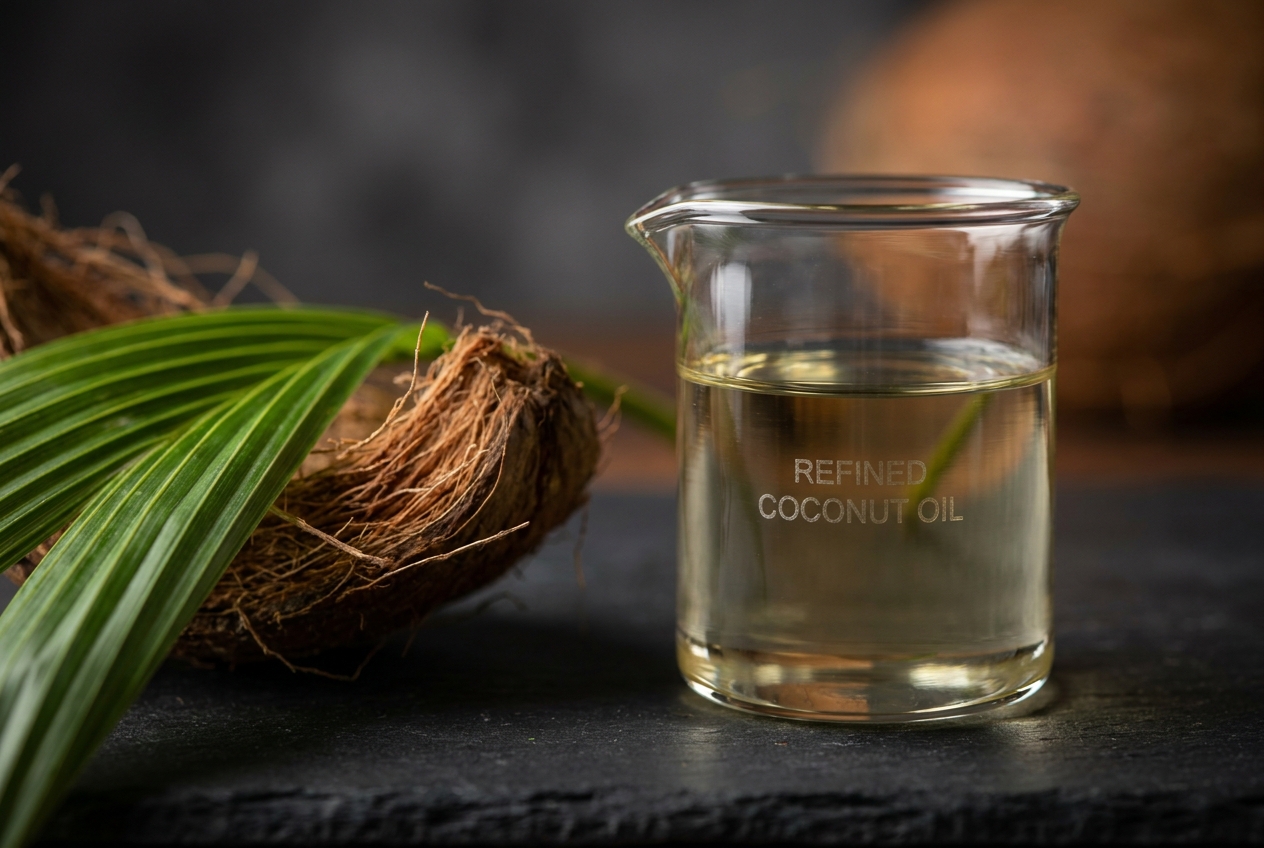
The foundational precursor to monolaurin is lauric acid, a specific medium-chain fatty acid that comprises roughly 50% of the total fat content in coconut oil and 40–45% in palm kernel oil. Recent scientific research indicates that lauric acid and glycerol monolaurate are predominantly found in these plant-derived oils, establishing them as the primary natural resources for global extraction [1].
When evaluating what’s the best source of monolaurin, responsible manufacturers generally prioritize coconut oil. While palm kernel oil contains a biologically similar fatty acid profile, palm oil cultivation is frequently associated with severe environmental degradation, deforestation, and slightly higher omega-6 lipid concentrations.
Clean manufacturing processes isolate the lauric acid directly from the raw coconut oil and synthesize it with a glycerol molecule. This precise synthesis mirrors a biological process that occurs in the human body but takes place in a controlled environment to produce a highly stable, concentrated ester compound.
Monolaurin Supplement vs. Coconut Oil: Why Extract It?
When ingested, the human digestive system breaks down the medium-chain fatty acids found in dietary coconut oil to release active antimicrobial metabolites, specifically lauric acid and monolaurin [2]. However, relying exclusively on this internal biological conversion is highly unpredictable and physically demanding.
The Metabolic Bottleneck
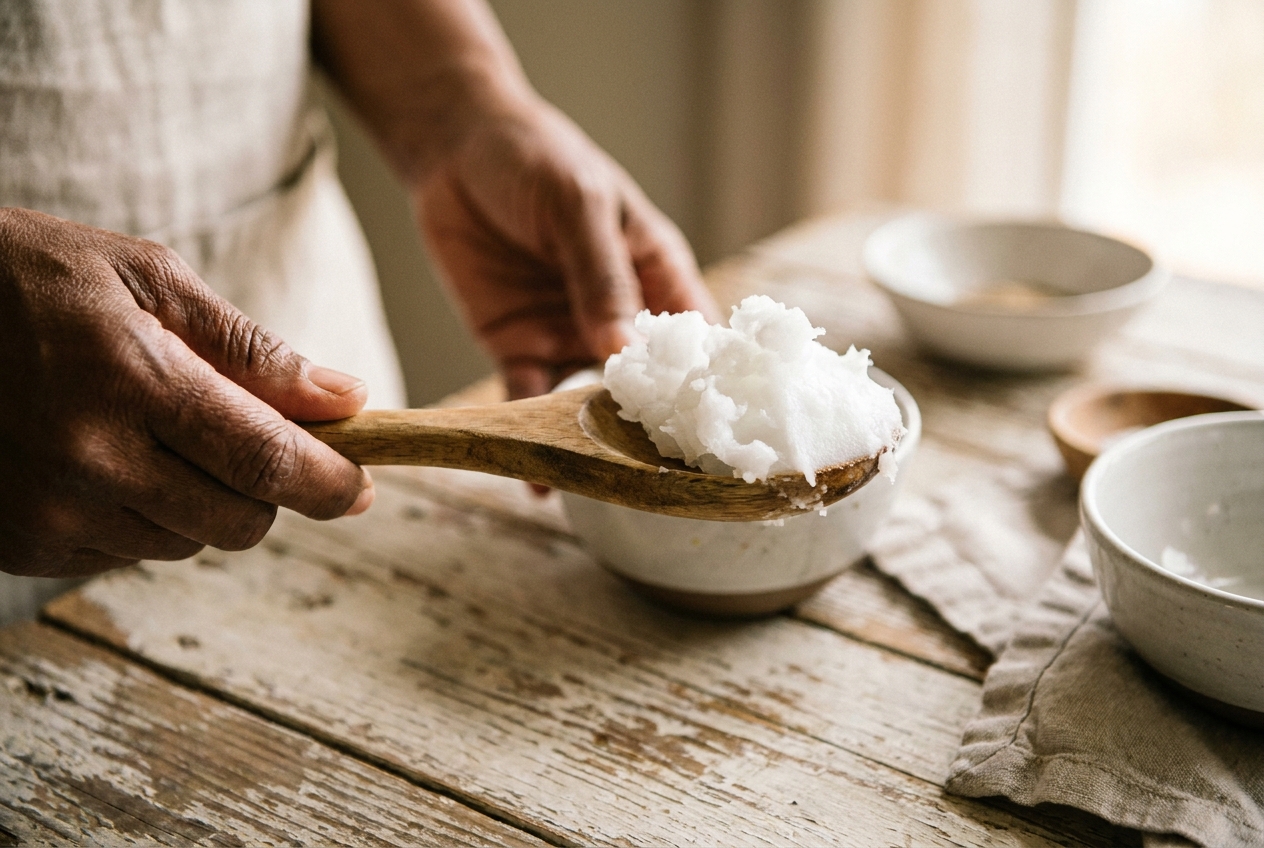
The human liver naturally prioritizes the oxidation of medium-chain fatty acids for immediate cellular energy rather than synthesizing them into monolaurin esters. Because of this enzymatic bottleneck, an individual would need to consume over 10 tablespoons of raw coconut oil—totaling more than 1,100 calories—to yield approximately 600mg of usable monolaurin. Forcing this massive caloric load through the digestive tract inevitably causes severe gastrointestinal distress.
Efficacy Discrepancies
Understanding the clinical differences between a monolaurin supplement vs coconut oil reveals significant variations in functional outcomes. A controlled in vivo trial directly comparing the two compounds demonstrated that purified monolaurin yielded a 50–70% survival rate against specific bacterial challenges, while both refined and virgin coconut oils failed entirely to provide protection (yielding only a 0–16% survival rate). This definitively proves that raw oil cannot match the therapeutic efficacy of the isolated compound [3].
What to Look For in a High-Quality Monolaurin Supplement
When determining what to look for in a monolaurin supplement, product format, brand purity, and precise dosing dictate how seamlessly the compound integrates into a practical daily routine.
Format Selection: Capsules vs. Pellets
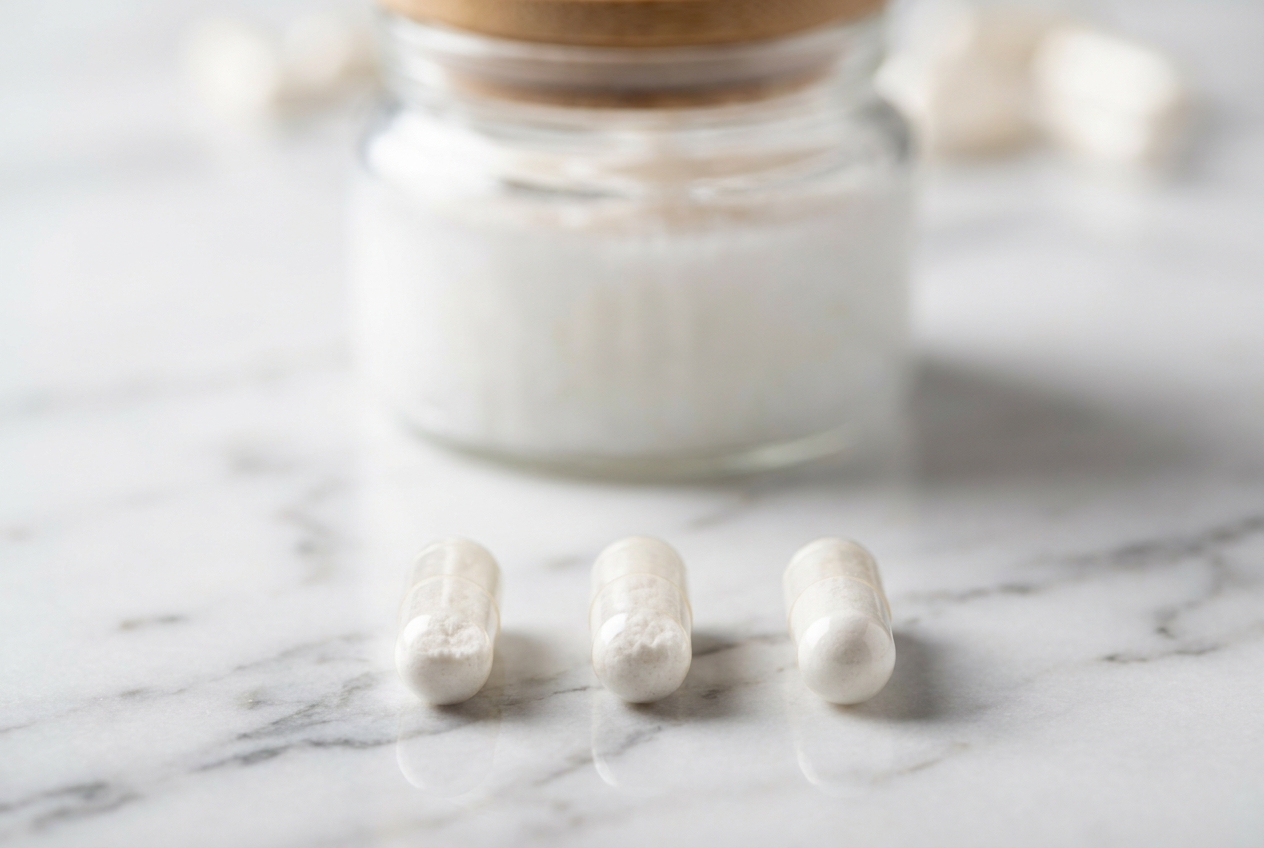
Supplements are traditionally offered as loose pellets or encapsulated powders. Capsules provide precise, pre-measured dosing and ensure the compound dissolves evenly and completely within the digestive tract. Pellets, while occasionally cheaper to manufacture, are notoriously difficult to measure accurately, frequently get caught in the teeth, and can cause localized stomach irritation if they cluster together during digestion.
Dosage Consistency
A practical routine begins with a moderate, consistent dose rather than an overwhelmingly high one. Quality products generally provide 600mg per capsule, allowing users to smoothly scale their intake up or down based on personal tolerance and the informed recommendations of their healthcare provider. Establishing a simple, repeatable daily routine is far more beneficial than intermittent, high-dose usage.
Brand Trust and Manufacturing Purity
A successful supplement protocol relies heavily on clean manufacturing. Avoiding unnecessary chemical binders, artificial colors, and synthetic fillers ensures that the body processes only the intended active ingredients. For individuals seeking a straightforward, reliable option, products from Natural Cure Labs provide clean, capsule-based formulas manufactured under strict quality standards. You can evaluate their specific formulations and find the right fit for your routine directly at Shop Monolaurin.

Frequently Asked Questions
Can I get enough monolaurin from my diet?
No. While trace amounts are found naturally in human breast milk and minor amounts synthesize from digesting coconut oil, it is functionally impossible to reach typical supplement doses through diet alone. Achieving a standard 600mg serving requires consuming extreme, medically inadvisable quantities of pure culinary coconut oil.
Is coconut oil or palm kernel oil better for sourcing monolaurin?
Coconut oil is widely considered the superior botanical source. While both raw materials contain high baseline levels of lauric acid, palm oil extraction is heavily linked to significant ecological damage. High-quality supplement manufacturers exclusively source their lauric acid from sustainably harvested coconuts.
Are monolaurin capsules or pellets better?
Capsules are significantly more practical and provide better dosing consistency. They offer a precise measurement, are easier to swallow, and distribute evenly in the stomach upon dissolving. Pellets require manual measuring scoops, often carry a bitter soapy taste if chewed, and lack the inherent convenience required for a sustainable daily routine.
How does a monolaurin vs lauric acid supplement compare?
Lauric acid is the raw precursor fatty acid, whereas monolaurin is the synthesized, highly active lipid ester derived from it. Monolaurin demonstrates substantially higher biological activity and efficacy in scientific models, making it the preferred and more potent format for targeted dietary supplementation.
Summary
Identifying the best monolaurin supplement begins with a clear understanding of its botanical origins. Coconut oil remains the premier natural source due to its exceptionally high lauric acid concentration and inherently more sustainable farming practices when compared directly to palm kernel oil.
While the human body physically possesses the metabolic pathways required to synthesize monolaurin from raw coconut oil, the actual conversion rate is highly inefficient and functionally irrelevant for dietary support. Direct supplementation with pure monolaurin capsules bypasses the body’s digestive bottleneck, completely prevents excessive caloric intake, and reliably delivers a stable, bioavailable dose that raw food ingredients simply cannot replicate.

Continue Exploring
- What’s the Best Source of Monolaurin?
- Monolaurin vs. Coconut Oil: Uncovering the Key Differences
- How Much Coconut Do You Need to Eat to Get Monolaurin?
References
Research Articles
- Potent Inhibitory Effects of Lauric Acid and Glycerol Monolaurate Against CyHV-2 and the Viral Envelope, 2026. https://doi.org/10.1111/jfd.70129
- Coconut Oil and Immunity: What do we really know about it so far?, 2020. https://pubmed.ncbi.nlm.nih.gov/32602684/
- In vitro and in vivo effects of two coconut oils in comparison to monolaurin on Staphylococcus aureus: rodent studies, Journal of Medicinal Food, 2013. https://doi.org/10.1089/jmf.2012.0066
Internal Knowledge Base