
TL;DR
Coccidian parasites like Cyclospora and Cryptosporidium are microscopic organisms that affect the digestive system, requiring standard medical evaluation. Recent multistate Cyclospora outbreaks in the United States have renewed attention on foodborne coccidian infections and the importance of prompt diagnosis and public health surveillance. While researchers are actively studying natural compounds, including monolaurin, curcumin, artemisinin, eugenol, and resveratrol, in laboratory and animal models, this preclinical research does not constitute medical advice or proven interventions for human infections.
Key Takeaways
- Coccidian parasites, including Cyclospora and Toxoplasma, are complex organisms that require standard medical protocols, not dietary supplements, for resolution.
- Monolaurin has demonstrated the ability to interact with the lipid membranes of certain protozoal parasites in laboratory settings.
- Curcumin, artemisinin, clove (eugenol), and resveratrol are subjects of ongoing scientific interest for their observed effects on parasite structures in animal studies.
- All current botanical research in this field remains preclinical and should never replace consultation with a physician for gastrointestinal symptoms.
Whenever widespread agricultural outbreaks occur – such as those involving iceberg lettuce – public interest naturally shifts toward understanding the microorganisms responsible. Often, this leads to questions about the viability of botanical compounds and nutritional supplements in supporting systemic health during these periods.
Understanding the distinction between emerging parasitology research and established medical science is essential. Parasites represent a highly resilient biological challenge, and evaluating the scientific literature requires careful context.
The scientific community actively investigates how naturally occurring molecules interface with single-celled organisms in controlled environments. By examining the structural vulnerabilities of these pathogens, researchers hope to uncover novel mechanisms of action, though these discoveries remain strictly foundational.
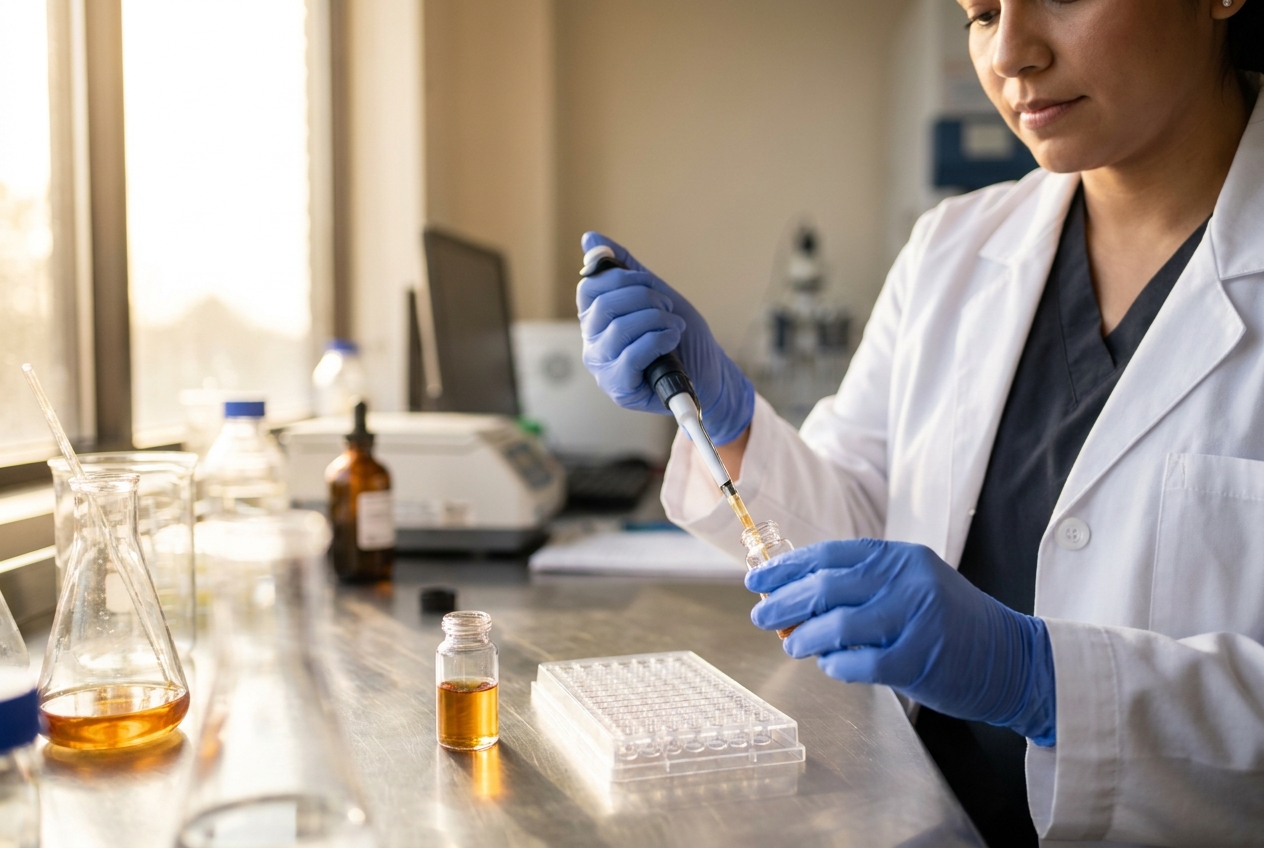
What Is Cyclospora? Understanding This Coccidian Parasite
Coccidian parasites are a subclass of microscopic, single-celled protozoa that typically infect the intestinal tracts of animals and humans. The most commonly studied organisms in this category include Cyclospora cayetanensis, Cryptosporidium parvum, and Toxoplasma gondii.
When these organisms are ingested – often through contaminated food or water – they can cause significant gastrointestinal disruption. Cyclosporiasis, the condition resulting from Cyclospora infection, is characterized by watery diarrhea, severe cramping, and pronounced fatigue.
Diagnosing cyclosporiasis requires specialized stool testing ordered by a physician. The standard medical protocol for this infection is TMP-SMX (trimethoprim-sulfamethoxazole), a prescription antibiotic regimen. It is critical to understand that this intervention is not optional or replaceable by nutritional supplements. Because the Centers for Disease Control and Prevention (CDC) maintains active surveillance of cyclosporiasis outbreaks, anyone experiencing suspected symptoms should seek medical care immediately rather than attempting to self-manage the condition.
What Does Research Say About Monolaurin and Cyclospora?
Monolaurin—a medium-chain fatty acid ester derived from lauric acid – is widely studied for its interactions with microbial structures. In parasitology, research has focused on its in vitro and animal-model effects against protozoal organisms like Giardia duodenalis, Entamoeba histolytica, and Blastocystis.
The proposed mechanism behind these effects involves the physical disruption of the parasite’s lipid membrane. A study published in 2005 observed that lauric acid, the primary medium-chain fatty acid derived from monolaurin, induces rapid structural changes in Giardia duodenalis by accumulating within the parasite cytoplasm and precipitating catastrophic rupture of the cell membrane. This aligns with broader findings that monolaurin acts as an amphiphilic molecule that physically dissolves the protective lipid envelopes of certain pathogens to halt cellular attachment and replication in laboratory models.
Researchers have also begun studying related coccidian parasites like Cyclospora and Cryptosporidium with other natural compounds. However, it is important to note that monolaurin itself has not been directly tested against Cyclospora in published clinical literature. Monolaurin is a dietary supplement, and it is not intended to diagnose, treat, cure, or prevent any disease.
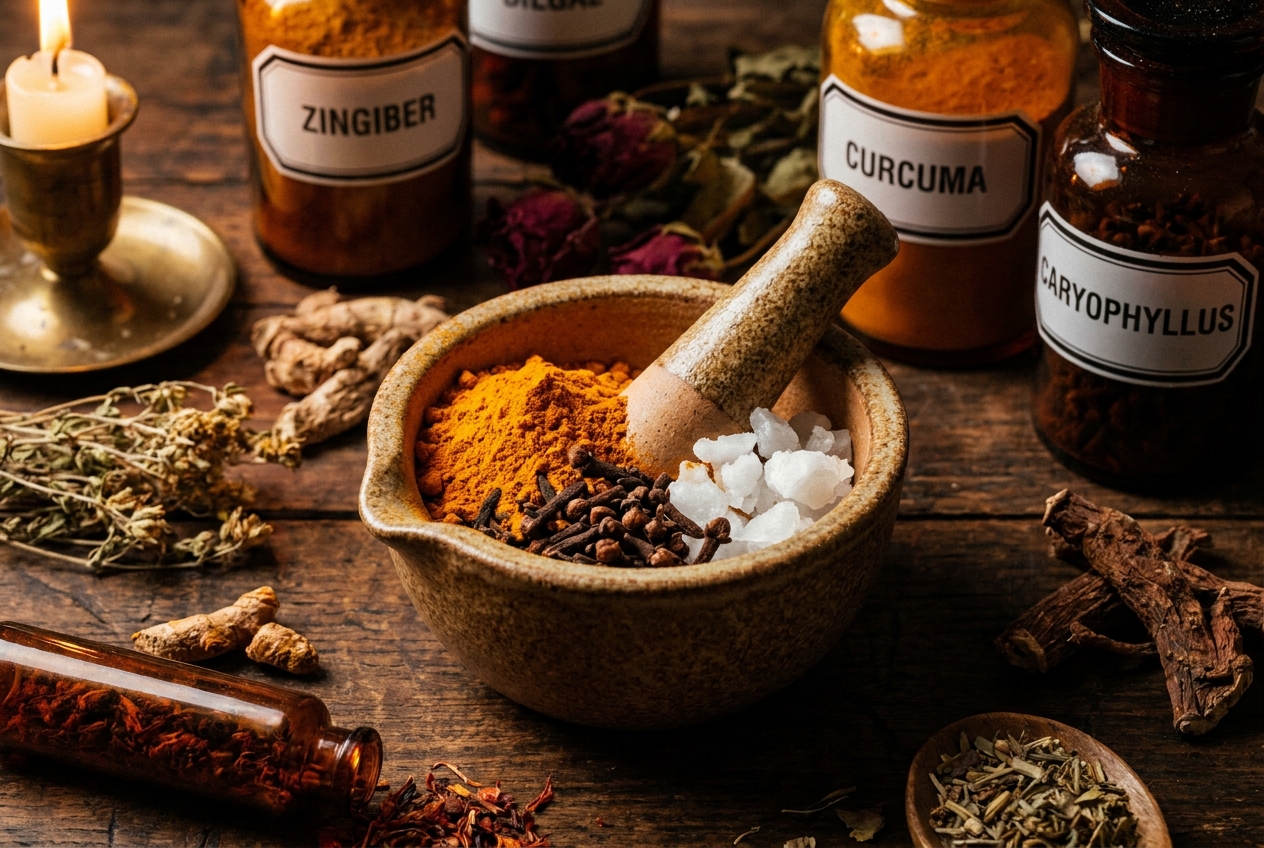
What Does Research Show About Curcumin and Cyclospora?
Curcumin, the active curcuminoid found in turmeric, is another compound of ongoing scientific interest in parasitology. Rather than acting as a standalone solution, researchers examine it for its dual ability to influence host antioxidant capacity and interact with parasitic structures.
Preclinical research has evaluated curcumin across various coccidian models. Shahiduzzaman (2009) investigated its effects on Cryptosporidium parvum in vitro, while Asadpour (2018) and Khalafalla (2011) examined its comparative impact on Eimeria tenella in animal subjects. More recently, Mogahed et al. (2023) tested curcumin directly against Cyclospora-infected mice, noting explicitly that a specialized nanoemulsion form performed fundamentally differently than standard curcumin extract.
Mechanistically, evidence suggests that curcumin significantly increases the anticoccidial index in Eimeria-infected hosts by neutralizing systemic oxidative stress, suppressing pro-inflammatory cecal cytokines, and up-regulating tight junction proteins to preserve intestinal barrier function against coccidian damage. These findings are strictly based on animal and cellular models, not human trials.
How Does Sweet Wormwood (Artemisia annua) Impact Coccidia?
The historical study of Artemisia annua (sweet wormwood) and its primary active constituent, artemisinin, began with malaria research but has since expanded into broader antiprotozoal study.
Veterinary researchers have extensively documented artemisinin’s anticoccidial effects in poultry studies (Allen 1997, Arab 2006, Wiedosari 2018), alongside D’Angelo’s (2009) work on Toxoplasma inhibition. A key structural target is the oocyst – the tough, environmentally resilient spore phase of the parasite. A 2010 study found that artemisinin directly impairs sarcoplasmic-endoplasmic reticulum calcium ATPase (SERCA) in developing macrogametes, severely altering oocyst wall formation which leads to the structural failure of developing oocysts and heavily reduced sporulation rates in Eimeria tenella.
While Cyclospora is grouped taxonomically with these organisms (as coccidia), no current study has tested artemisinin against Cyclospora specifically. The compound remains an object of scientific curiosity, not a recommended intervention for human illness.
How Are Clove (Eugenol) and Resveratrol Being Studied for Cyclospora and Related Parasites?
Botanical compounds like eugenol (derived from clove) and resveratrol are emerging subjects in modern parasitology, explicitly examined for their oocysticidal activity – the ability to disrupt parasite spores.
Recent in vivo research on eugenol has focused on its capacity to alter shedding rates and support tissue integrity. A 2024 study demonstrated that eugenol effectively reduces Cryptosporidium oocyst shedding in vivo while concurrently reversing parasite-induced histopathological alterations in the ileum and suppressing local inflammatory expression.
Similarly, resveratrol is being investigated for its interactions with coccidian replication. A 2026 animal model found that resveratrol exerts direct, dose-dependent inhibition on Eimeria oocyst sporulation in vitro while simultaneously reducing oocyst output and preventing coccidia-induced cecal tissue damage in vivo.
Both compounds are strictly under active study in laboratory settings and should not be viewed as consumer strategies for managing named human illnesses.
What Steps Can Support Prevention and Recovery Alongside Ongoing Research?
Alongside the standard TMP-SMX protocol, several practical measures can help reduce exposure and support recovery.
- Food Safety Practices: Thoroughly rinsing fresh produce, particularly imported berries, basil, and iceberg lettuce, under running water remains a key food safety measure, as these categories account for the majority of documented Cyclospora outbreaks.
- Prompt Medical Evaluation: Persistent watery diarrhea, cramping, or fatigue following a known or suspected exposure warrants immediate consultation with a physician for specialized stool testing rather than an attempt at self-management.
- Hydration and Recovery Support: Fluid and electrolyte replacement remains an important component of recovery during and after a prescribed TMP-SMX regimen, given the significant fluid loss associated with cyclosporiasis.
- Formulated Botanical Blends: For those interested in how compounds like monolaurin, curcumin, and clove-derived eugenol are combined into a single lab-tested formula for general immune and digestive support, Biofilm Immune Complex outlines the full ingredient breakdown, alongside the broader monolaurin lineup available through Shop Monolaurin.
Why Is Cyclospora So Difficult to Eliminate?
- Oocyst Wall Integrity: The external shell of the parasite spore is highly resistant to environmental stressors, standard chemical disinfectants, and many biological compounds.
- Intracellular Replication: Organisms like Cyclospora replicate inside the host’s intestinal cells, shielding them from certain systemic immune responses and requiring interventions that can cross cellular barriers.
- Host Microbiome Dynamics: Parasitic infections severely disrupt local bacterial flora. Compounds that aid in preserving beneficial gut flora and maintaining healthy microbial balance are heavily researched to understand how host resilience impacts parasitic load.

Frequently Asked Questions
What is the standard medical approach for cyclosporiasis?
The standard medical protocol for cyclosporiasis is a specific prescription antibiotic regimen known as TMP-SMX (trimethoprim-sulfamethoxazole). It requires a physician’s diagnosis and cannot be replaced by over-the-counter dietary supplements.
Are natural supplements proven to affect human parasitic infections?
No. While compounds like monolaurin, curcumin, and artemisinin show measurable interactions with parasites in laboratory dishes and animal models, this preclinical research does not translate to proven clinical efficacy in humans.
Why do researchers focus on the oocyst wall of coccidian parasites?
The oocyst wall is the protective outer layer that allows coccidian parasites to survive in harsh environments, like soil and water, outside a host. Disrupting this wall in vitro prevents the parasite from sporulating and replicating.
How do medium-chain fatty acids like lauric acid interact with organisms?
In laboratory settings, medium-chain fatty acids can act as amphiphilic molecules that insert themselves into the lipid membranes of certain microorganisms, physically destabilizing the membrane and compromising the organism’s structural integrity.
Can monolaurin supplements replace prescription antiparasitic protocols?
Absolutely not. Monolaurin is a dietary supplement and is not intended to diagnose, treat, cure, or prevent any disease. Anyone with suspected gastrointestinal infections must seek professional medical care.
Summary
The scientific investigation into how natural compounds interact with protozoal and coccidian parasites reveals fascinating biological mechanisms. From monolaurin’s disruption of lipid membranes to artemisinin’s impact on oocyst wall formation, researchers continue to map the vulnerabilities of these complex organisms in vitro and in animal models.
However, the leap from a laboratory observation to a functional human intervention is vast. Coccidian parasites like Cyclospora represent serious public health concerns that demand precise medical diagnostics and established pharmaceutical protocols. While the preclinical data surrounding these botanical extracts enriches our understanding of cellular biology, it must remain situated firmly in the realm of scientific curiosity rather than self-directed care.

Continue Exploring
- How Does Monolaurin Support the Immune System?
- Monolaurin: Exploring Benefits, Dosage, and Research
- Explore Natural Cure Labs Monolaurin Supplements
References
- Unspecified Authors, The effects of saturated fatty acids on Giardia duodenalis trophozoites in vitro, 2005. Source
- Unspecified Authors, Curcumin Supplementation Improves Growth Performance and Anticoccidial Index by Improving the Antioxidant Capacity, Inhibiting Inflammatory Responses, and Maintaining Intestinal Barrier Function in Eimeria tenella-Infected Broilers, 2024. Source
- Unspecified Authors, Effect of artemisinin on oocyst wall formation and sporulation during Eimeria tenella infection, 2010. Source
- Unspecified Authors, In silico and in vivo evaluation of the anti-cryptosporidial activity of eugenol, 2024. Source
- Unspecified Authors, Resveratrol as a botanical feed additive for the prevention and treatment of Eimeria tenella infection in chicks, 2026. Source