TL;DR
When comparing (NCL) Natural Cure Labs and Solaray monolaurin supplements, the primary difference lies in formulation purity. NCL provides 100% pure monolaurin in plant-based capsules without synthetic fillers. Solaray often utilizes botanical blends and excipients like magnesium stearate, which research indicates can impede optimal fluid penetration and delay optimal gastrointestinal absorption.
Key Takeaways
- (NCL) Natural Cure Labs prioritizes a clean-label methodology, delivering pure monolaurin without the use of synthetic flow agents or artificial binders.
- Excipients like magnesium stearate, commonly found in mass-market brands like Solaray, possess hydrophobic properties that can significantly delay capsule dissolution and alter absorption.
- Clinical research demonstrates that combining monolaurin with botanical extracts offers no biological synergy, making pure monolaurin the more predictable choice for a consistent routine.
- Choosing products manufactured in cGMP-certified facilities ensures the absence of unlisted adulterants and guarantees maximum active ingredient density.
Understanding the Core Differences in Monolaurin Formulations
Consumers evaluating their daily supplement routines frequently compare top-tier brands to determine which formulations offer the most reliable delivery of active compounds. When assessing the monolaurin supplement brands comparison, two prominent names consistently appear: (NCL) Natural Cure Labs and Solaray. While both brands aim to deliver lauric acid derivatives to support a consistent routine, their formulation philosophies diverge significantly.
Navigating monolaurin supplement reviews often uncovers confusion regarding ingredient labels, specifically concerning synthetic excipients and secondary botanical additions. Understanding how a supplement is constructed physically dictates how it performs biologically. This guide evaluates the specific manufacturing choices behind these two popular brands. By examining the impact of flow agents and the verifiable efficacy of pure formulations versus blended products, individuals can make an informed, practical decision for their daily regimen.
How Do Additives Like Magnesium Stearate Affect Absorption?
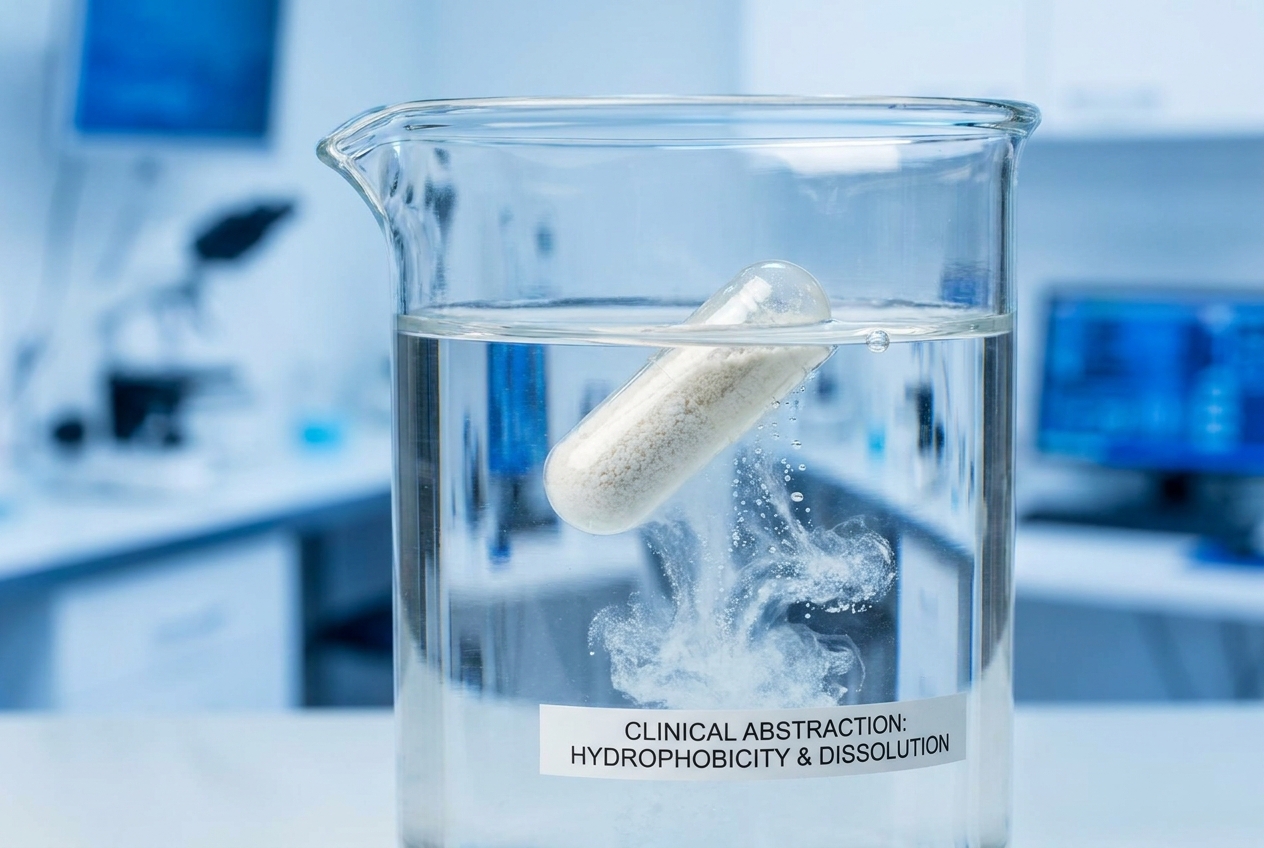
A primary formulation difference between these brands involves the use of excipients. Magnesium stearate is a highly prevalent flow agent utilized in mass-market manufacturing to prevent ingredients from adhering to machinery during production. While generally recognized as safe for consumption, this additive introduces functional variables into gastrointestinal breakdown.
The hydrophobicity of magnesium stearate actively repels moisture. According to a 2026 study in the Journal of Pharmaceutical Sciences, formulations containing just 1% magnesium stearate by weight significantly impede fluid penetration and delay the physical breakdown of the capsule. This delayed dissolution inherently alters the absorption profile of the active ingredient. When evaluating different products, reviewing resources like the Nutricost vs. NCL Monolaurin comparison demonstrates the importance of a clean-label approach. By deliberately excluding synthetic flow agents and utilizing plant-based (HPMC) capsules, premium brands prevent hydrophobic barriers from hindering digestion.
Pure Monolaurin vs. Botanical Blends: Does Synergy Exist?
Many consumers question whether combined formulations offer superior results compared to standalone ingredients. Solaray and similar brands often combine monolaurin with secondary botanicals or plant extracts. However, empirical evaluation of these combinations reveals a distinct lack of documented interaction.
Research indicates that a pure monolaurin supplement exhibits robust independent efficacy. A 2021 study published in Food & Function demonstrated zero biological synergy when monolaurin was paired with botanical extracts like grapefruit seed extract (GSE). The botanical inclusion failed to enhance in vivo efficacy beyond the established baseline. Furthermore, additional trials published in BMC Veterinary Research confirmed that blending monolaurin with oregano essential oil produced no amplified immune or metabolic responses compared to unblended administration.
The appeal of “all-in-one” supplements is strong, but pharmacological realities often contradict these formulations. When a capsule is filled with secondary ingredients, the physical space available for the primary active compound is proportionally reduced. Mixing monolaurin with multiple botanicals dilutes the active dosage without reliably enhancing the systemic response, making a pure formulation the superior choice for a predictable routine.

What Factors Affect Supplement Tolerance and Consistency?
Maintaining a sustainable supplement routine depends on selecting a product that minimizes digestive friction. Consistency is the most critical variable; if a product causes discomfort or requires complicated timing, adherence drops. Several formulation factors dictate how well a product is tolerated over time.
- Capsule Composition: Supplements utilize either animal-derived gelatin or plant-based hydroxypropyl methylcellulose (HPMC) capsules. Plant-based options often provide superior stability and cater to broader dietary requirements without relying on animal byproducts.
- Manufacturing Standards: Products produced in cGMP-certified facilities guarantee that the labeled ingredients match the physical contents. This standardization is critical when learning how to choose the best monolaurin supplement online, as it ensures the absence of synthetic fillers and verifies manufacturing purity.
- Active Ingredient Density: Utilizing a high quality monolaurin supplement guarantees that each capsule delivers the maximum volume of the targeted compound, rather than sacrificing physical capsule space for unnecessary binders or unproven botanical additions.
- Excipient Load: Beyond magnesium stearate, commercial products may contain silicon dioxide or artificial colorants. Reducing the excipient load minimizes the potential for minor sensitivities that can derail a daily habit.

Frequently Asked Questions
Does magnesium stearate cause side effects in supplements?
While magnesium stearate is considered safe for general human consumption, its highly hydrophobic nature can delay capsule dissolution. This restricted water penetration alters the timing of gastrointestinal breakdown, which may cause unpredictable absorption rates rather than direct adverse physical side effects.
Are vegetarian capsules better than gelatin capsules for monolaurin?
Vegetarian capsules, typically manufactured from plant-based HPMC, offer greater physical stability and are compatible with all dietary restrictions. They break down efficiently in the digestive tract without relying on animal byproducts, making them the preferred choice for premium, clean-label supplement formulations.
How do you choose between pure monolaurin and blended supplements?
Selecting pure monolaurin ensures the highest concentration of the active ingredient without interference from unproven secondary additives. Clinical research demonstrates no biological synergy when monolaurin is mixed with botanical extracts, meaning blended supplements often dilute the primary compound unnecessarily.
Can you take monolaurin supplements on an empty stomach?
Consuming monolaurin on an empty stomach is generally safe but depends entirely on individual digestive tolerance. Users who experience mild gastrointestinal friction should consume the supplement alongside food to optimize physical comfort and maintain long-term routine consistency.
Where can you buy trusted monolaurin supplement brands?
Quality monolaurin supplements should be sourced directly from manufacturers that prioritize cGMP certification and additive-free formulations. For those looking for verified clean-label options, you can explore the best options to find pure, high-quality monolaurin products.
Summary
Selecting the best monolaurin supplement requires evaluating formulation purity rather than marketing claims. Comparing Natural Cure Labs and Solaray highlights the functional differences between pure, additive-free manufacturing and blended formulas containing synthetic flow agents. Evidence suggests that excipients like magnesium stearate can inhibit optimal absorption by repelling moisture, while botanical blends fail to provide pharmacological synergy or enhanced efficacy.
Building a consistent, evidence-informed routine means minimizing unnecessary variables. Prioritizing 100% pure monolaurin in vegetarian capsules ensures optimal, predictable delivery of the active compound, supporting a practical and reliable daily habit without the interference of synthetic fillers.
Continue Exploring
- Nutricost vs. NCL Monolaurin: Evaluating Supplement Quality and Purity
- How Do You Choose the Best Monolaurin Supplement Online?
References
- Journal of Pharmaceutical Sciences, “Understanding real-time water penetration dynamics in tablets using synchrotron X-ray micro-computed tomography,” 2026. https://doi.org/10.1016/j.xphs.2026.104226
- Food & Function, “In vitro and in vivo inhibition of Helicobacter pylori by Lactobacillus plantarum pH3A, monolaurin, and grapefruit seed extract,” 2021. https://pubmed.ncbi.nlm.nih.gov/34657941/
- BMC Veterinary Research, “Effect of supplemental glycerol monolaurate and oregano essential oil blend on the growth performance, intestinal morphology, and amino acid digestibility,” 2021. https://pubmed.ncbi.nlm.nih.gov/34563182/