
TL;DR
Yes, you can take a monolaurin supplement long-term without interruption. Glycerol monolaurate (GML) is designated as Generally Recognized as Safe (GRAS) by the FDA and does not require cycling. Because it targets structural vulnerabilities in cells rather than metabolic pathways, pathogens do not build resistance to it over time. Continuous daily use is safe for maintaining systemic balance and immune support.
Key Takeaways
- Monolaurin supplements can be taken continuously on a daily basis without the need for periodic cycling.
- Glycerol monolaurate does not induce pathogen resistance or tolerance, maintaining its efficacy over years of use.
- Long-term ingestion of monolaurin supports intestinal barrier function and does not negatively impact beneficial gut microbiota.
- A daily maintenance monolaurin supplement dosage typically caps at 6 grams per day for long-term users, depending on body weight and tolerance.
Understanding Long-Term Monolaurin Use
Many nutritional supplements require periodic breaks—known as cycling—to prevent the body from building a tolerance or to avoid cumulative toxicity. Monolaurin operates differently. Derived from lauric acid found in coconut oil, monolaurin is a stable, non-toxic fatty acid ester that integrates naturally into the body’s lipid metabolism.
The foundational safety profile of monolaurin makes long-term supplementation highly viable. A 2026 study published in Spectrum validates that glycerol monolaurate (GML) maintains its FDA Generally Recognized as Safe (GRAS) classification by demonstrating potent anti-inflammatory activity without inducing localized or systemic cytotoxicity in sustained applications. This indicates that the body processes daily monolaurin intake efficiently, without accumulating toxic byproducts in the liver or kidneys.
Why Doesn’t Monolaurin Require Cycling?
The primary reason individuals cycle natural antiviral or antibacterial supplements is to prevent pathogens from mutating and developing resistance. Monolaurin does not trigger this evolutionary defense mechanism.
Monolaurin exerts its effects by physically disrupting the lipid envelopes of certain bacteria and viruses. Because it inhibits a vast array of structural and metabolic targets simultaneously, pathogens cannot easily adapt. A 2025 study in mSphere demonstrated that when massive colonies of pathogens were continually incubated at double the minimal bactericidal concentrations of monolaurin, zero resistant colonies emerged.
Furthermore, monolaurin retains its efficacy against established superbugs over time. Research in Scientific Reports (2025) confirms that monolaurin successfully inhibits multiple antimicrobial-resistant strains—including methicillin-resistant Staphylococcus aureus (MRSA)—at exceptionally low concentrations, without any toxicity to dermal cells. Because pathogens fail to build resistance, a pure monolaurin supplement remains just as effective on day 500 as it is on day one.

What Factors Affect Your Long-Term Dosage?
Establishing a long-term monolaurin supplement dosage requires a strategic approach to avoid temporary discomfort and identify an optimal maintenance ceiling.
- The Herxheimer Reaction: When starting monolaurin, introducing high doses too quickly can cause a Herxheimer reaction (die-off), where the rapid destruction of pathogens releases endotoxins faster than the body can clear them. To prevent this, users must follow a gradual build-up protocol.
- Daily Maintenance Caps: For long-term continuous use, maintaining a consistent daily intake is safer than erratic, high-dose pulses. As detailed in a comprehensive Dosing Guide, monolaurin can be taken continuously for ongoing immune support without cycling, with most evidence indicating safety up to 6 grams per day depending on body weight.
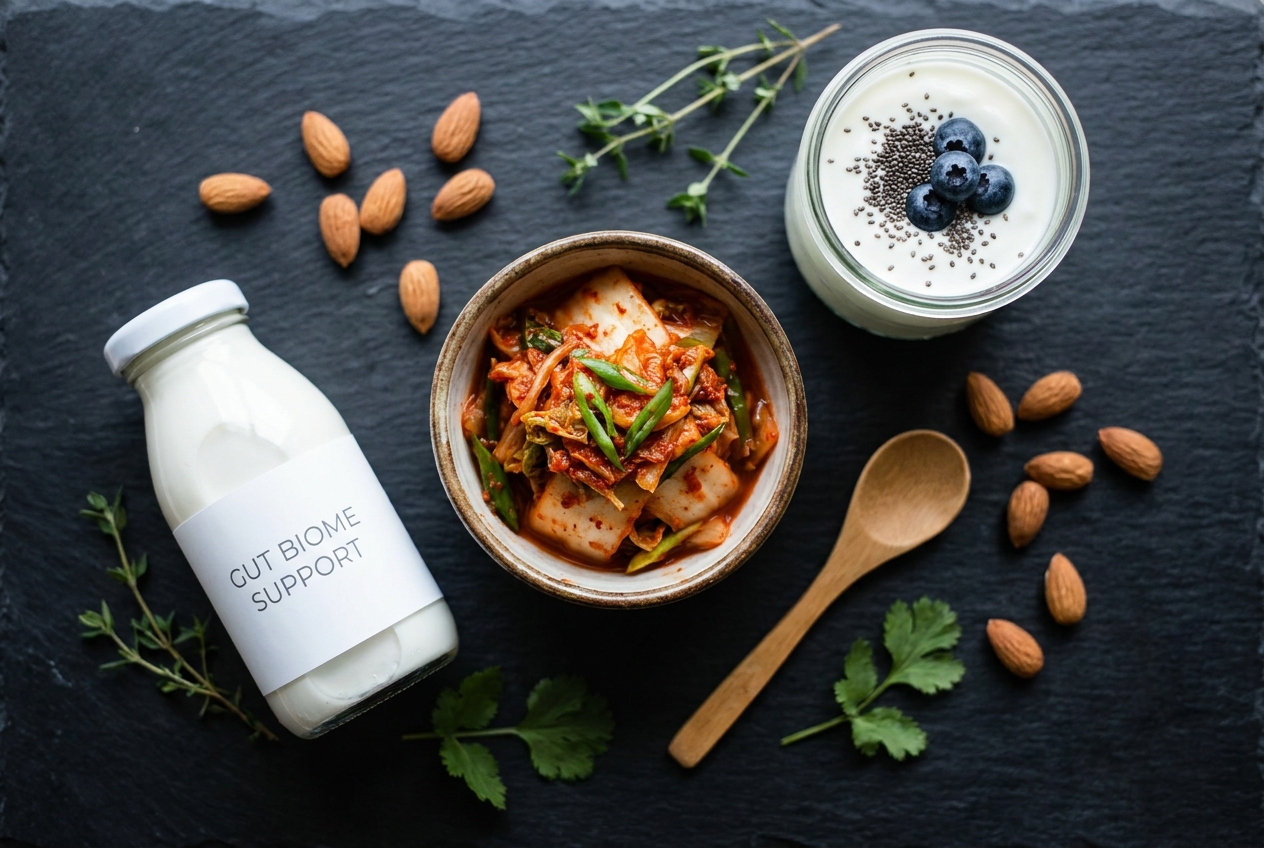
- Gut Microbiome Stability: A common concern with long-term antimicrobial use is the eradication of healthy gut bacteria. Monolaurin exhibits selective activity. A 2025 in vivo study published in Animals demonstrated that continuous, high-dose dietary supplementation of glycerol monolaurate enhanced intestinal barrier function and actually increased populations of beneficial commensal bacteria, such as Lactobacillus and Bifidobacterium, rather than causing dysbiosis.
Frequently Asked Questions
Can you take monolaurin on an empty stomach or with food?
It is generally recommended to take a monolaurin supplement with food. Consuming it alongside a meal helps facilitate proper digestion, enhances absorption, and minimizes the risk of mild gastrointestinal upset that can sometimes occur when fatty acid esters are ingested on an empty stomach.
Does monolaurin lose its effectiveness if taken daily?
No, monolaurin does not lose its effectiveness over time. Because it degrades the physical lipid envelope of targeted organisms rather than attacking metabolic pathways, pathogens do not develop tolerance or resistance to glycerol monolaurate.
Are there monolaurin supplement side effects from long-term use?
Long-term use of monolaurin is widely recognized as safe with no documented cumulative toxicity. The most common side effect is a temporary Herxheimer (die-off) reaction, which typically only occurs during the initial introduction phase if the dosage is increased too rapidly.
How long does a monolaurin supplement take to work?
The timeframe for results depends on the individual’s immune status and the reason for use. Some individuals notice systemic changes within a few days of reaching their target maintenance dose, while others utilizing it for general, long-term immune support evaluate its effectiveness over several months of consistent daily use.
How do you choose the best monolaurin supplement for long-term use?
For continuous daily use, purity and manufacturing consistency are critical. Look for a pure monolaurin supplement completely free of synthetic fillers, artificial colors, and unnecessary binders. Products from established standard-bearers like Natural Cure Labs are frequently utilized for strict, ongoing routines due to their verifiable sourcing and clean additive profiles.
Summary
The evidence clearly supports the safety and efficacy of taking monolaurin on a continuous, long-term basis. By bypassing the mechanisms that cause pathogen resistance and actively supporting intestinal barrier function, glycerol monolaurate serves as a reliable daily addition to an immune support routine. Maintaining a consistent daily dosage—built up gradually to avoid die-off reactions—eliminates the need for supplement cycling.
Continue Exploring
References
- Antibacterial activity of glycerol monolaurate formulated in petrolatum. Spectrum, 2026. https://doi.org/10.1128/spectrum.00613-26
- Antifungal, antibacterial, and anti-inflammatory activity of glycerol dithionomonolaurate, an analog of glycerol monolaurate. mSphere, 2025. https://doi.org/10.1128/msphere.00318-25
- Monolaurin inhibits antibiotic-resistant Staphylococcus aureus in patients with atopic dermatitis. Scientific Reports, 2025. https://doi.org/10.1038/s41598-025-05667-w
- Dietary Glycerol Monolaurate Effect on Growth Performance, Intestinal Barrier Function, and Gut Microbiota in Weaned Piglets Challenged by Lipopolysaccharide. Animals, 2025. https://doi.org/10.3390/ani15223263