
TL;DR
When comparing Nature’s Life and Natural Cure Labs (NCL) monolaurin supplements, the primary differences lie in excipient profiles, capsule formulations, and dosage standardizations. NCL emphasizes pure, additive-free capsules, while commercial alternatives may utilize structural binders. Choosing the best monolaurin supplement depends entirely on your preference for clean labels and transparent manufacturing standards.
Key Takeaways
- Nature’s Life and Natural Cure Labs both provide monolaurin, but differ significantly in their use of inactive binders and synthetic excipients.
- NCL provides a standardized 600mg dose in an additive-free capsule, optimizing the supplement for individuals sensitive to common manufacturing fillers.
- The presence of surface-active excipients in commercial formulations can dynamically alter the natural bioavailability of dietary supplements.
- Selecting a pure monolaurin supplement requires verifying the source of lauric acid and confirming the absence of gastrointestinal irritants like glycerol.
When evaluating dietary additions, consumers frequently compare established brands like Nature’s Life and (NCL) Natural Cure Labs. While both products deliver monolaurin—a chemical compound known scientifically as glycerol monolaurate—the underlying formulations differ in their manufacturing standards, inactive ingredients, and dosage structures. Understanding these precise distinctions is critical for building a consistent, effective supplement routine without introducing unnecessary additives into the digestive tract.
The supplement market often obscures the functional differences between similar products. A closer look at the exact mechanisms of delivery, such as the use of plant-based capsules versus compacted formats, and the presence of synthetic binders reveals how two supplements with the identical active ingredient can interact differently with the body. Evaluating these foundational variables separates a high-quality monolaurin formulation from a standard commercial alternative.
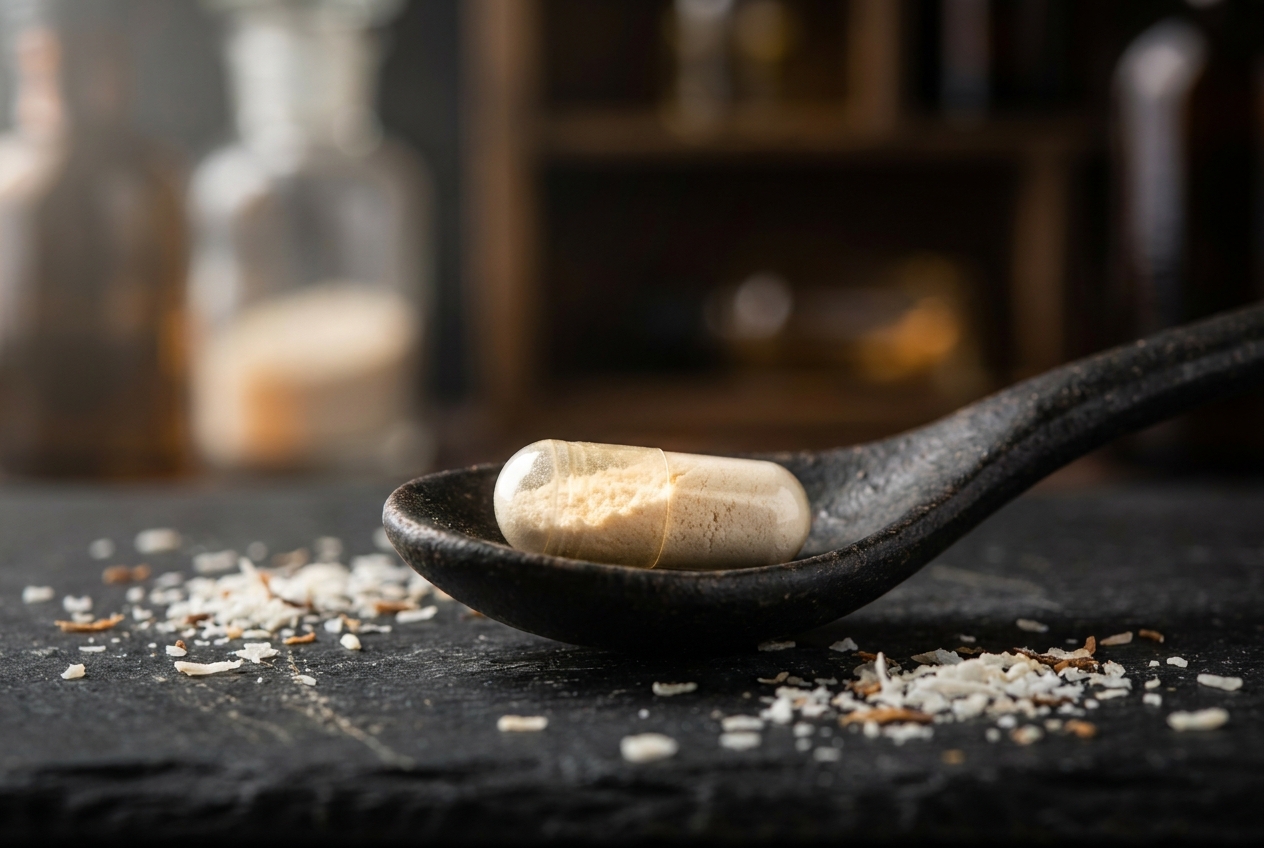
How Do Delivery Formats and Excipients Affect Monolaurin?
Monolaurin is a lipid-based molecule, meaning its systemic absorption is heavily influenced by the digestive environment and the physical characteristics of the delivery vessel itself. Upon entering the stomach, a capsule shell must dissolve at the appropriate rate to prevent the active glycerol monolaurate from being compromised by harsh gastric acids.
Research into supplement pharmacokinetics highlights the complex role of these formulations. A comprehensive review of the scientific literature found no peer-reviewed in vivo evidence substantiating clinical pharmacokinetic profiles for monolaurin as a human dietary supplement outside of its basic digestion as a nutrient, leaving clinical comparisons of specific brands entirely reliant on formulation transparency (Lieberman S, et al., 2019). However, modern delivery formats definitively alter how the body processes the compound. In vitro digestion models indicate that encapsulating glycerol monolaurate into specialized delivery systems relies on electrostatic forces to prevent premature degradation, enabling a highly sustained release of active components into the lower digestive tract (Li X, et al., 2025).
Furthermore, inactive binders and fillers—commonly known as excipients—are not purely inert. Many commercial supplements utilize these compounds to accelerate manufacturing speeds and prevent clumping, but they interact dynamically with active ingredients. The inclusion of specific excipients and surface-active agents can dramatically alter absorption rates; in vivo models demonstrate that even 0.001% solutions of certain excipients can increase the rate of absorption by 50% and double absolute bioavailability (Mikus P, et al., 2021). Consequently, evaluating a supplement requires analyzing the entire ingredient list to understand exactly how the compound will act once ingested.

What Factors Differentiate NCL and Nature’s Life Formulations?
When conducting a monolaurin supplement brands comparison, several specific variables dictate the final product quality and its suitability for a daily routine.
- Excipient Profiles and Synthetic Additives: Additives like magnesium stearate, silicon dioxide, or silica are frequently utilized in high-volume manufacturing to prevent ingredients from adhering to machinery. NCL (Natural Cure Labs) is formulated specifically without synthetic excipients, focusing entirely on a clean-label approach that provides only the active ingredient within a simple capsule. In contrast, standard commercial formulations often rely on these binders to stabilize the product. Reviewing a comprehensive monolaurin buying guide is essential to identifying these manufacturing criteria and understanding why additive-free options are prioritized for long-term consistency.
- Delivery Format and Gastrointestinal Tolerance: The physical format of the supplement dictates how it physically breaks down in the digestive tract. When exploring monolaurin supplement delivery options, capsules are structurally preferred for consistent digestion over compressed pellets. Pellet formats often require glycerol binders to maintain their shape, which can cause gastrointestinal side effects like nausea or stomach pain, and frequently pass unabsorbed. Both NCL and Nature’s Life utilize capsule formats, which provides distinct absorption characteristics compared to raw pellets.
- Dosage Precision and Routine Consistency: Milligrams per capsule influence how easily a consumer can maintain their daily intake. Consumers must verify the exact yield of monolaurin per serving to ensure it aligns with their intended goal without requiring excessive capsule consumption. NCL standardizes its dosage to 600mg per capsule, providing a precise, mathematically simple foundation for individuals establishing a new routine.
- Sourcing and Purity Standards: The origin of the lauric acid used to synthesize monolaurin plays a crucial role in product purity. High-quality supplements derive their lauric acid strictly from coconut oil, deliberately avoiding palm kernel oil due to varying extraction purities and environmental impacts. Transparent brands clearly state their sourcing on the primary label.
Frequently Asked Questions
Are monolaurin capsules or pellets better?
Capsules are clinically and practically considered the superior format for consistent digestion. Pellet formats often contain glycerol binders to hold their shape, which can cause gastrointestinal side effects like nausea and frequently pass through the digestive tract completely unabsorbed.
Does the source of lauric acid matter?
Yes. High-quality monolaurin supplements derive their lauric acid from coconut oil rather than palm kernel oil. This specific sourcing distinction ensures higher purity standards and avoids the environmental degradation associated with palm oil extraction.
Can monolaurin supplements cause stomach upset?
Some users experience mild stomach discomfort when introducing monolaurin, especially if the formulation contains excessive synthetic binders or if taken on an entirely empty stomach. Taking the supplement alongside dietary fats and selecting clean, excipient-free capsules heavily reduces this risk.
How long does a monolaurin supplement take to digest?
Because monolaurin is a lipid, digestion time varies depending on whether it is taken alongside food. In capsule form, the outer shell typically dissolves within 30 to 45 minutes, releasing the active glycerol monolaurate into the digestive tract for gradual absorption.
What is the standard monolaurin dosage?
While there is no universally prescribed dose, many practical routines utilize 600mg capsules taken systematically. Users typically start with a lower frequency to assess digestive tolerance and adjust their intake gradually based on individual response.

Summary
Choosing between Nature’s Life and Natural Cure Labs (NCL) Monolaurin requires looking beyond the primary active ingredient to evaluate the entire formulation. The efficacy of any supplement routine relies on consistent delivery, minimal digestive interference from synthetic excipients, and precise dosing metrics. By prioritizing clean capsule formulations and transparent manufacturing standards, individuals can integrate a pure monolaurin supplement into their daily regimens effectively and reliably.
Continue Exploring
References
Research Citations
1. Lieberman S, et al. The Clinical Use of Monolaurin as a Dietary Supplement: A Review of the Literature. Journal of Chiropractic Medicine, 2019.
2. Li X, et al. Physicochemical characterization, release profile, and antibacterial mechanisms of caffeic acid phenethyl ester loaded in lipid nanocapsules with lauric acid and glycerol monolaurate. Food Research International, 2025.
3. Mikus P, et al. In-Vivo Analysis and Model-Based Prediction of Tensides’ Influence on Drug Absorption. Molecules, 2021.
Internal References
4. Monolaurin Buying Guide
5. Monolaurin Supplement Delivery Options – Which is Best?