
TL;DR
Monolaurin and undecylenic acid are both lipid-based dietary supplements used for microbial balance, but they target distinct structural challenges. Monolaurin disrupts the protective lipid envelopes of certain viruses and bacteria, while undecylenic acid interferes with fungal cell membranes, specifically deterring Candida overgrowth. When used together in a structured routine, they provide complementary, broad-spectrum immune support without redundancy.
Key Takeaways
- Monolaurin is a monoglyceride that physically dismantles the lipid bilayer of enveloped pathogens once specific concentration thresholds are reached in the body.
- Undecylenic acid is an unsaturated fatty acid that halts fungal organisms like Candida albicans from transitioning into their invasive, biofilm-forming phases.
- Combining these two ingredients creates a potent supplement stack with monolaurin, as emerging research shows multi-lipid formulations exponentially increase membrane-disruptive stress on various pathogens.
- Consistency in timing and dosage format (such as capsules versus pellets) is critical for tolerating lipid supplements and achieving long-term microbial balance.
Navigating the world of dietary supplements requires understanding precisely how specific ingredients interact with the body. When considering immune and microbial support, fatty acids and their derivatives offer unique mechanical advantages.
Two of the most heavily researched lipid compounds are monolaurin (derived from lauric acid) and undecylenic acid (derived from castor oil). While they are often grouped together in discussions about gut flora and immune health, their biological targets are completely different. Choosing between them—or deciding to stack them—depends entirely on the specific cellular structures you are trying to influence.

How Does Monolaurin Work?
Monolaurin is a monoglyceride formed by attaching a glycerol molecule to lauric acid. Its primary mechanism of action relies on direct physical interference with lipid envelopes—the protective outer membranes surrounding certain viruses and bacteria.
When monolaurin enters the system, it acts as a surfactant. Research indicates that it intercalates, or wedges itself, into the lipid bilayer of these pathogenic envelopes. A study published in Pathogens demonstrated that glycerol monolaurate neutralizes viral infectivity by physically dissolving the lipid envelope once concentrations reach a specific threshold known as the critical micelle concentration (CMC). This structural disruption causes the pathogen to lose its ability to attach to and enter host cells.
Because its mechanism is structural rather than chemical, monolaurin focuses exclusively on organisms that rely on a lipid barrier. It is widely considered a cornerstone among natural antiviral supplements lists precisely due to this targeted, physical disruption.

How Does Undecylenic Acid Work?
Unlike monolaurin, which is a monoglyceride, undecylenic acid is an unsaturated fatty acid. Its primary target is not viral or bacterial envelopes, but rather the cellular architecture of fungi.
Fungal organisms, such as Candida albicans, possess a distinct lifecycle. In their benign state, they exist as simple yeast. However, under certain conditions, they can transition into an invasive, filamentous form called the hyphal phase, allowing them to adhere to tissues and build protective biofilms.
Evidence suggests that undecylenic acid interrupts this exact transition. According to research published in the International Journal of Clinical Pharmacology and Therapeutics, undecylenic acid halts Candida albicans by preventing the morphological shift from yeast to hyphae. This causes the cell surface to crumple and severely impairs the organism’s ability to form stable biofilms. By keeping the fungus in its less resilient state, undecylenic acid supports normal gut and systemic balance.

What Factors Affect Your Supplement Routine?
Successfully integrating these lipid supplements into a daily routine depends on several practical variables. Consistency in how you introduce and manage these compounds dictates their long-term viability.
- Formulation and Quality: The purity of the extract matters. Using a pure monolaurin supplement ensures you are receiving concentrated active ingredients rather than generic coconut oil, which contains only trace amounts of monolaurin. When evaluating options, many users look toward dedicated providers like Shop Monolaurin to ensure consistent, high-quality sourcing free of unnecessary fillers.
- Titration (Starting Slow): Both monolaurin and undecylenic acid can cause mild digestive upset or fatigue if introduced too quickly at high volumes. Establishing tolerance requires starting with the lowest possible intake and slowly escalating over a period of two to three weeks.
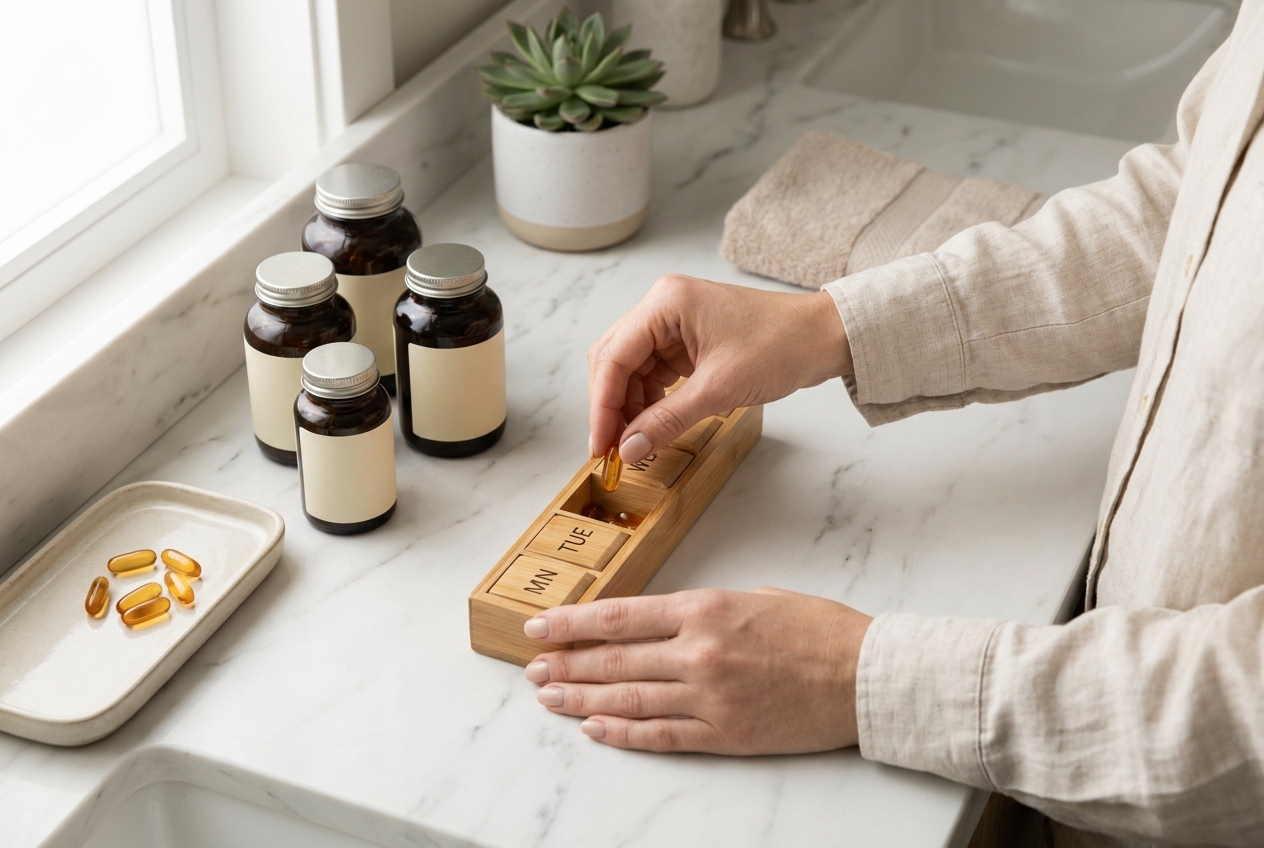
- Format Selection: Supplements come in various forms, including capsules, powders, and pellets. Capsules provide exact measurements and dissolve predictably in the digestive tract, which is generally preferable for establishing a baseline routine without the guesswork of loose powders.
Frequently Asked Questions
Can you take monolaurin and undecylenic acid together?
Yes, combining them can be highly effective. A 2024 study in Biomimetics found that antimicrobial lipid mixtures—specifically combining monoglycerides (like monolaurin) with single-chain fatty acids (like undecylenic acid)—act synergistically to rupture pathogenic lipid membranes with nearly 100% efficiency. They complement each other rather than competing for absorption.
When is the best time to take these supplements?
Lipid supplements should be taken consistently with meals. Consuming them alongside food supports proper emulsification and absorption in the digestive tract while minimizing the risk of nausea or gastrointestinal discomfort on an empty stomach.
Do lipid supplements cause side effects?
When taken as directed, side effects are generally mild. However, rapid introduction of high quantities can trigger transient fatigue, mild headaches, or loose stools as the body processes the metabolic byproducts of disrupted microbes. This is why a slow titration protocol is standard practice.
How long do these supplements take to work?
Dietary supplements do not offer overnight results. Establishing a steady systemic presence requires daily consistency. Most users evaluating monolaurin supplement benefits or undecylenic acid report noticeable changes in immune resilience and digestive balance after four to eight weeks of continuous, daily use.

The Bottom Line on Lipid Supplements
Monolaurin and undecylenic acid are highly specialized tools for supporting cellular and microbial balance. Monolaurin is the standard for targeting lipid-coated organisms through direct membrane disruption, while undecylenic acid excels at preventing fungal organisms from forming resilient biofilms.
Whether used individually to address specific environments or combined into a synergistic stack, their efficacy relies on consistent daily habits, gradual introduction, and choosing high-quality capsules over unmeasured formats.
References
- Jackman, J.A., et al. “Glycerol Monolaurate Inhibits Wild-Type African Swine Fever Virus Infection in Porcine Macrophages.” Pathogens, 2023. https://doi.org/10.3390/pathogens12101193
- Shi, D., et al. “Antifungal effects of undecylenic acid on the biofilm formation of Candida albicans.” International Journal of Clinical Pharmacology and Therapeutics, 2016. https://doi.org/10.5414/CP202460
- Bieser, A., et al. “Unraveling How Antimicrobial Lipid Mixtures Disrupt Virus-Mimicking Lipid Vesicles: A QCM-D Study.” Biomimetics, 2024. https://doi.org/10.3390/biomimetics9020067