
TL;DR
Yes, monolaurin can be safely combined with other supplements to support a healthy immune system. Synergistic pairings like L-lysine and probiotics amplify immune defense and promote balanced gut flora. Conversely, you should avoid taking monolaurin simultaneously with high-amylose starches, excessive dietary fats like soybean oil, or straight lauric acid, as these can cause absorption conflicts or provide redundant effects.
Key Takeaways
- Monolaurin and amino acids like L-lysine work synergistically to support the body’s natural defenses and disrupt microbial biofilms.
- Pairing monolaurin with probiotics yields enhanced benefits for maintaining a healthy microbiome and resisting harmful bacterial adhesion.
- Taking a monolaurin supplement with heavy starches or high amounts of omega-6 fatty acids can negatively impact digestion and absorption.
- Stacking monolaurin with raw lauric acid offers no added biological advantage and is fundamentally redundant.
- A gradual introduction to any supplement stack with monolaurin is necessary to mitigate potential Herxheimer (die-off) reactions.
Building an effective supplement routine requires understanding how individual components interact. When looking at the best immune support supplements, users frequently wonder if taking them together enhances their effects or causes an unwanted chemical conflict in the body.
Combining glycerol monolaurate (the chemical name for monolaurin) with other compounds can either trigger biological synergy—where the combined effect is greater than the sum of its parts—or metabolic antagonism, which diminishes nutrient absorption.
Because monolaurin functions primarily by interacting with lipid (fat) structures and microbial membranes, what you consume alongside it dictates its overall effectiveness. A practical, evidence-informed approach ensures you maximize the value of your regimen while avoiding unnecessary side effects.

How Monolaurin Interacts With Other Compounds
Monolaurin is a naturally occurring lipid extract derived from lauric acid. In the body, it acts as a surfactant. This means it has a unique ability to bind to specific lipid profiles, proteins, and cellular membranes.
When you ingest monolaurin, it does not passively pass through the digestive system. It actively interacts with the surrounding digestive environment. If it encounters structurally complementary supplements, it can facilitate broader systemic support. However, if it binds to the wrong dietary compounds in the stomach—such as complex starches or competing lipids—it can form insoluble complexes that limit the absorption of both substances.
What Supplements Can I Stack With Monolaurin? (Yes Cases)
Monolaurin and L-Lysine
L-lysine is an essential amino acid widely used for immune support. The synergy between these two compounds is well documented, making lysine and monolaurin supplements one of the most effective combinations available.
A 2024 study published in the Journal of Dental Sciences demonstrated that combining poly L-lysine with glycerol monolaurate synergistically eradicates bacterial biofilms. Furthermore, the combination significantly down-regulates virulence gene expression and suppresses the release of pro-inflammatory cytokines such as interleukin-8. When evaluating whether you should take monolaurin and L-lysine together, evidence confirms a cooperative biological mechanism: L-lysine helps suppress specific viral replication pathways, while monolaurin directly destabilizes the lipid envelopes of those same challenges.
Monolaurin and Probiotics
Because monolaurin is known to support gut flora balance, pairing it with high-quality probiotic strains is a practical strategy for microbiome maintenance.
Research indicates that this combination provides amplified benefits. A 2025 study in Frontiers in Cellular and Infection Microbiology found that the combination of Lactobacillus postbiotics and glycerol monolaurate yielded significant synergistic anti-bacterial activity. This combination sharply reduced pathogen adhesion to host cells by up to 43.8% and drove near-complete biofilm eradication. To maximize this dynamic, review general monolaurin supplement benefits, dosing, and uses to understand how to correctly phase probiotics into your routine.
What Should I Avoid Combining With Monolaurin? (No Cases)
High-Amylose Starches and Carbohydrates
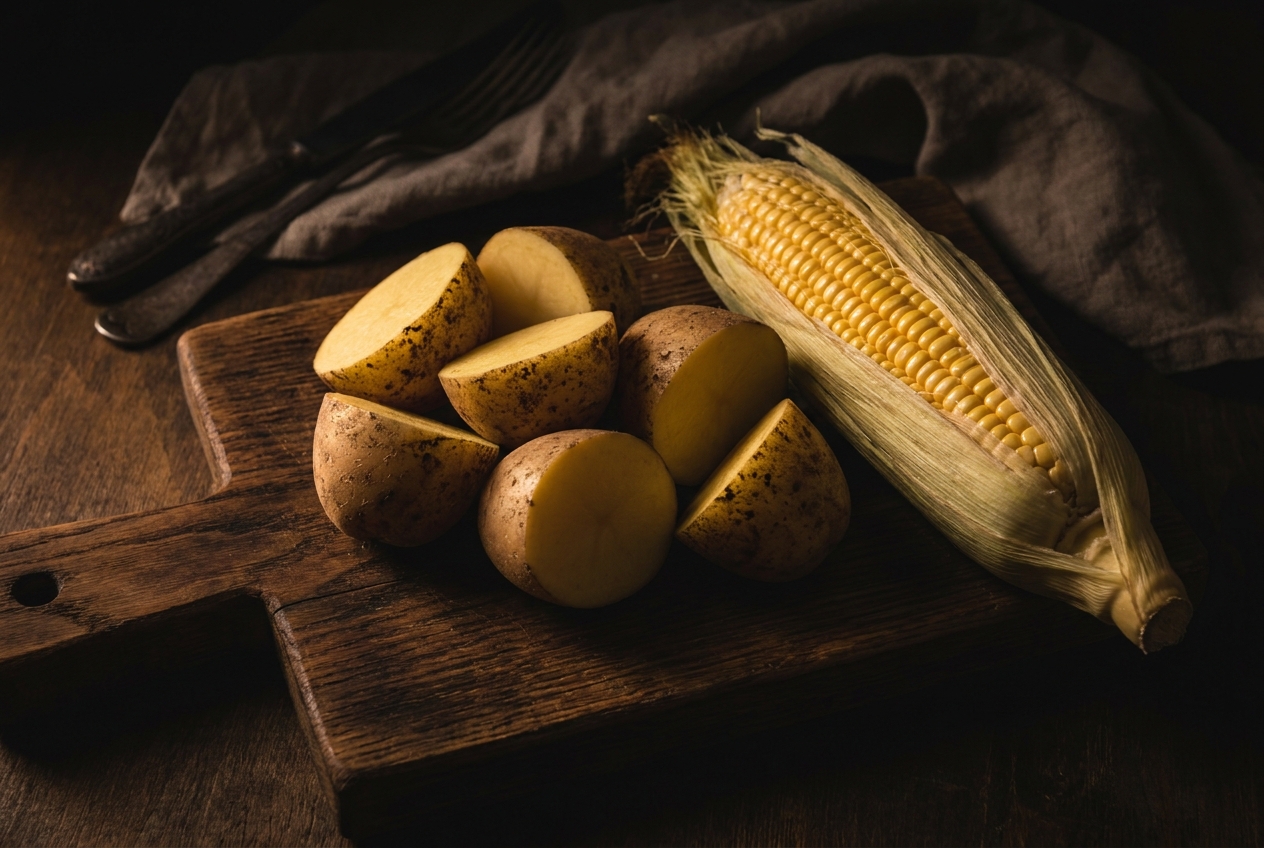
While not a supplement, carbohydrate timing is critical when taking monolaurin. Consuming monolaurin alongside high-amylose starches (like potatoes, corn, and certain grains) can inhibit digestion.
According to research published in the International Journal of Biological Macromolecules in 2026, glycerol monolaurate tightly binds to amylose starches via hydrophobic and electrostatic interactions. This forms V-type crystalline complexes that significantly resist enzymatic hydrolysis, ultimately lowering total carbohydrate digestion and absorption. If your goal is optimal nutrient uptake, separate your monolaurin dose from heavy starch meals.
Omega-6 Heavy Lipids (Soybean Oil)
Monolaurin is a fat, and taking it with specific types of competing fats can cause metabolic interference.
A 2024 study in Poultry Science found that co-administering glycerol monolaurate with diets rich in soybean oil actively depressed metabolic intake and lowered average daily growth. This indicates a negative absorptive interaction with specific omega-6 dietary lipid profiles. Keep your monolaurin supplementation separated from heavy soybean oil consumption.
Free Lauric Acid
Many users look for a natural antiviral supplements list and end up buying both monolaurin and pure lauric acid. This is structurally redundant.
When evaluating a monolaurin vs lauric acid supplement, stacking them offers no compounded benefits. Electrochemical impedance spectroscopy research published in Biomimetics in 2025 revealed that combinations of glycerol monolaurate and free lauric acid exhibited weak membrane interactions across all tested ratios and completely lacked synergistic disruptive activity against bacterial lipid bilayers. Stick to monolaurin on its own for optimized bioavailability.
Frequently Asked Questions
Can I take monolaurin and vitamin C together?
Yes. Vitamin C is a water-soluble antioxidant, while monolaurin is a lipid-based compound. Because they absorb through different pathways in the body, they do not compete for absorption and can be safely taken together for comprehensive immune support.

Should I take monolaurin combinations on an empty stomach?
It depends on personal tolerance. While taking monolaurin on an empty stomach ensures it does not bind to dietary starches or conflicting fats, some individuals experience mild stomach upset. If you have a sensitive stomach, take it with a light, low-starch meal or a small amount of healthy fat.
Can supplement stacking cause a Herxheimer reaction?
Yes. Rapidly introducing multiple immune-supporting supplements can cause a temporary exacerbation of symptoms known as the Herxheimer reaction. To mitigate this, consult the complete guide on monolaurin safety protocols and slowly phase in one supplement at a time over several weeks.
What is a typical monolaurin supplement dosage when stacking?
For general wellness, a standard monolaurin supplement dosage usually ranges between 300mg to 1,800mg daily. When combining it with other compounds, it is best to start at the lower end of this range and gradually increase to assess your body’s tolerance. For dependable quality and standardized dosing, consider trusted manufacturers like Natural Cure Labs, available directly at shopmonolaurin.com.
Summary
Optimizing a supplement stack with monolaurin requires attention to what enhances its function and what hinders its absorption. Combinations with L-lysine and targeted probiotics offer robust, scientifically validated synergy for immune defense and microbial balance. On the other hand, co-administering monolaurin with high-amylose starches, excessive omega-6 oils, or standalone lauric acid leads to diminished returns and digestive resistance. By isolating monolaurin from competing macronutrients and pairing it thoughtfully with compatible compounds, you ensure your daily regimen is both safe and effective.
Continue Exploring
- Should You Take Monolaurin and L-Lysine Together for Herpes?
- Monolaurin and Herpes – The Complete Guide
- Monolaurin Supplement Benefits, Dosing, and Uses
References
- Panya et al., Effect of mouthwash containing poly l-Lysine and glycerol monolaurate on oral Helicobacter pylori relating to biofilm eradication, anti-adhesion, and pro-inflammatory cytokine suppression, Journal of Dental Sciences, 2024. https://doi.org/10.1016/j.jds.2023.10.010
- Chotjumlong et al., Postbiotics enhance the efficacy of derivative compound mouthwash against clinical Helicobacter pylori strains, Frontiers in Cellular and Infection Microbiology, 2025. https://doi.org/10.3389/fcimb.2025.1629106
- Wang et al., Impact of amylose, fatty acid chain length and unsaturation on the structural and digestive properties of maize starch-lipid complexes, International Journal of Biological Macromolecules, 2026. https://doi.org/10.1016/j.ijbiomac.2026.151645
- Smith et al., Energy digestibility in broilers and poult performance when fed palm or soybean oil with or without glyceryl monolaurate, Poultry Science, 2024. https://doi.org/10.1016/j.psj.2024.104442
- Kwon et al., Synergistic Membrane Disruption of E. coli Tethered Lipid Bilayers by Antimicrobial Lipid Mixtures, Biomimetics, 2025. https://doi.org/10.3390/biomimetics10110739