TL;DR
The most effective monolaurin source is a purified, encapsulated supplement rather than raw coconut oil. While coconut oil contains lauric acid, the human digestive system converts only a small fraction of it into bioavailable monolaurin. High-quality monolaurin capsules bypass this biological bottleneck, delivering a consistent, concentrated dose without excess dietary fat or unnecessary binders.
Key Takeaways
- Dietary inefficiency: The human body cannot efficiently convert the lauric acid found in coconut oil into the active compound monolaurin.
- Direct bioavailability: Pre-formed monolaurin supplements bypass complex lipid digestion, making the active compound immediately available in the gastrointestinal tract.
- Format matters: Monolaurin capsules generally offer superior digestion and dispersion compared to tightly compressed pellets.
- Purity dictates quality: The best monolaurin supplement contains zero synthetic fillers, providing a predictable dosage for daily wellness routines.
Evaluating the best monolaurin source requires distinguishing between the chemical precursor found in nature and the active compound used in supplements. Many individuals attempting to integrate this compound into their routine initially turn to dietary sources, assuming that whole foods offer an equivalent dosage to encapsulated products.
This assumption stems from a fundamental misunderstanding of how the human digestive tract metabolizes different types of fats. To build a sustainable and effective supplement routine, you must choose a format that your body can reliably process. Understanding the mechanics of absorption clarifies why relying on grocery store oils often fails to deliver the intended results, and why a dedicated pure monolaurin supplement is the most practical choice.

How the Body Processes Lauric Acid vs. Monolaurin
Lauric acid and monolaurin are chemically related but biologically distinct. Monolaurin is a monoglyceride, meaning it consists of a single lauric acid molecule attached to a glycerol backbone. This structural difference dictates exactly how the body handles the compound upon ingestion.
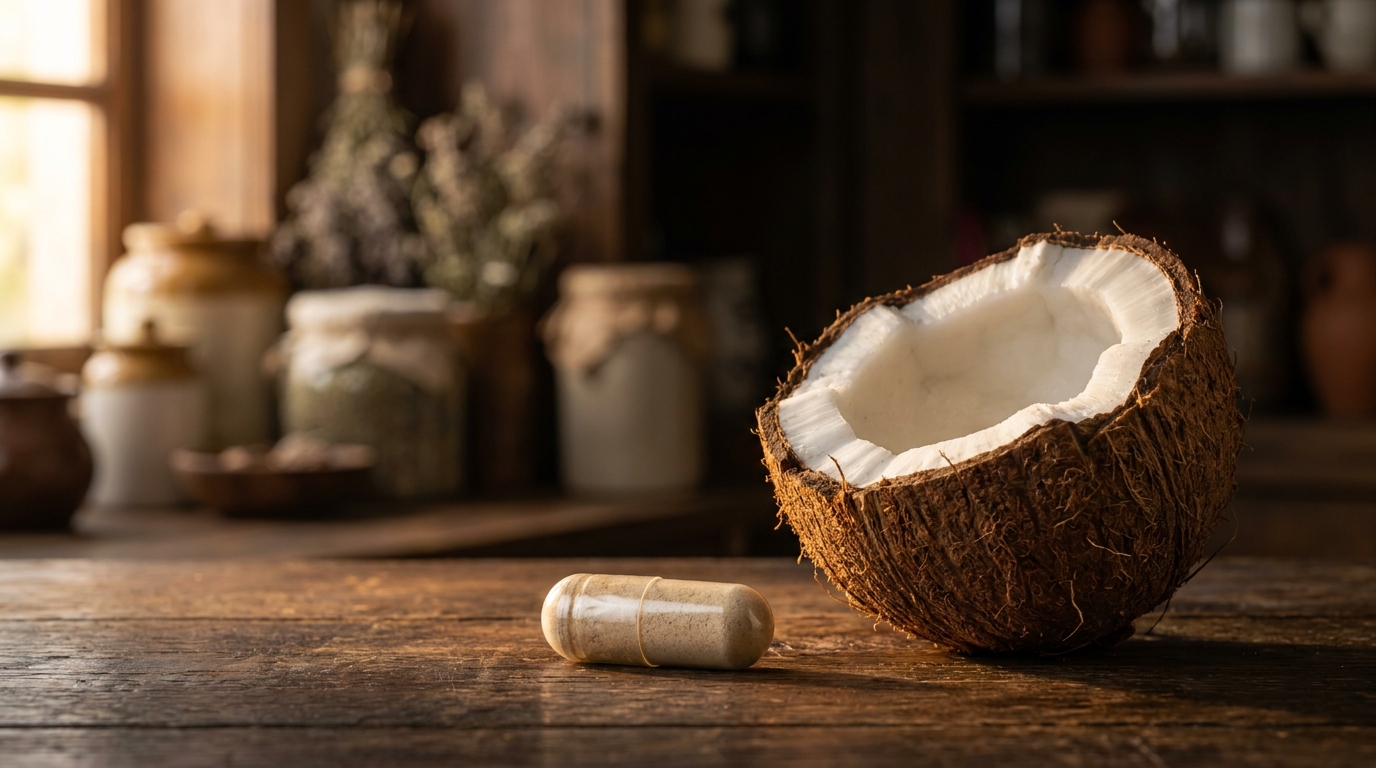
When you consume coconut oil, you are ingesting raw lauric acid in the form of a triglyceride. To yield any monolaurin, your digestive enzymes must actively break down these complex fats. This endogenous enzymatic conversion is notoriously weak. Research indicates that while pure monolaurin supplements provide substantial in vivo efficacy, coconut oil—despite its high lauric acid content—fails to yield similar physiological effects, proving that the body’s intrinsic conversion of dietary lauric acid into bioactive monolaurin is highly inefficient. Relying on food sources is an unpredictable strategy that requires consuming impractical volumes of fat just to generate trace amounts of the target compound. For a deeper breakdown of this metabolic limitation, exploring What Are the Best Sources of Monolaurin? highlights why purified capsules reliably bypass these digestive barriers.
By contrast, taking a pre-esterified monolaurin supplement removes the metabolic guesswork. Direct oral supplementation of α-glycerol monolaurate (pre-formed monolaurin) bypasses the need for the enzymatic breakdown required by parent triglycerides, directly enhancing immediate nutrient digestibility and acting instantly in the gastrointestinal tract without heavy digestive overhead. This structural advantage means that your body does not have to work to synthesize the compound; it is delivered in its final, active state.

What to Look for in a Pure Monolaurin Supplement
Selecting a high-quality product is an exercise in evaluating delivery formats and ingredient purity. A practical supplement routine relies on a dosage form that is both biologically accessible and physically easy to take on a consistent basis.
Comparing Capsules vs. Pellets
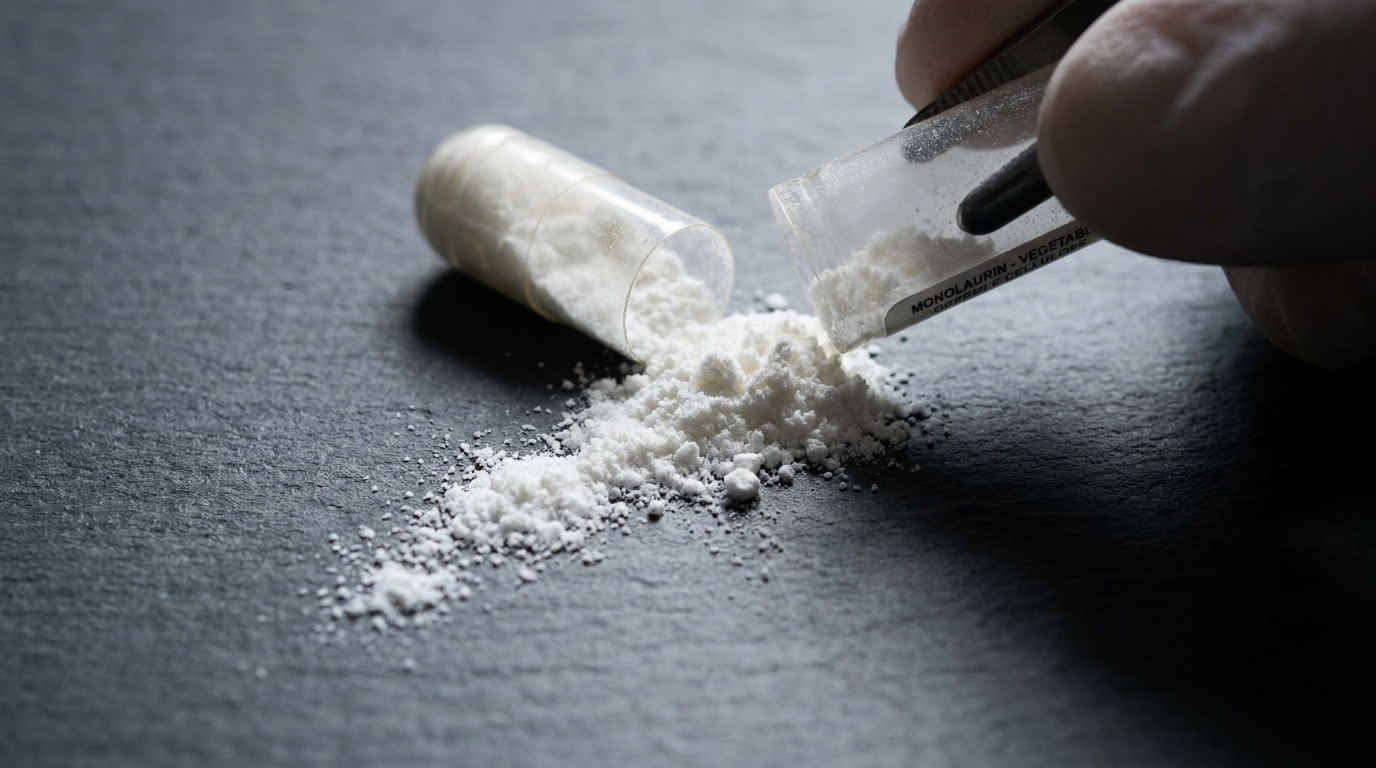
The physical format of the supplement heavily influences its absorption. Monolaurin capsules contain fine powder inside a dissolvable vegetable cellulose shell. Once the shell breaks down in the stomach, the powder disperses rapidly, maximizing the surface area available for absorption.
Conversely, monolaurin pellets are tightly compressed. This heavy compaction can prevent the supplement from fully dissolving. A practical look at Monolaurin Supplement Delivery Options reveals that capsules ensure complete dispersion, helping users avoid the gastric drawbacks associated with heavy binders, while undissolved glycerol pellets frequently pass entirely through the digestive tract.
Brand Purity and Trust
A high-quality supplement contains the active ingredient and a clean capsule—nothing more. When building a daily routine, artificial colors, synthetic excipients, and hidden flow agents introduce unnecessary variables. Trusted brands like Natural Cure Labs formulate their supplements with strict adherence to purity, ensuring that the capsule delivers active monolaurin without dietary interference. For those looking to establish a reliable baseline with a clean product, you can explore pure options and shop monolaurin to find a format that suits your daily schedule.
Frequently Asked Questions
Is monolaurin supplement safe for daily use?
Yes, monolaurin is widely consumed and generally recognized as safe for regular dietary use. Because it is a simple monoglyceride derived from lauric acid, it acts as a straightforward dietary fat without complex physiological disruptions when taken at standard serving sizes.
Monolaurin capsules vs pellets: which is better?
Capsules are generally the superior choice for absorption. The powdered format inside a capsule allows for rapid dispersion in the stomach, whereas tightly compressed pellets often resist digestion and can pass through the gastrointestinal tract entirely unabsorbed.
What is the difference between a monolaurin supplement vs coconut oil?
Coconut oil contains raw lauric acid, which requires extensive enzymatic conversion by the liver to yield even trace amounts of monolaurin. A monolaurin supplement provides the compound in its pre-converted, active monoglyceride form, bypassing the digestive bottleneck and delivering a concentrated dose.
Should I take a monolaurin supplement on an empty stomach or with food?
It is generally recommended to take a monolaurin supplement with food. Taking it alongside a meal can help mitigate mild stomach upset that some individuals experience when introducing concentrated dietary fats to an empty stomach, supporting better long-term routine consistency.

Summary
Identifying the best monolaurin supplement source ultimately comes down to biological efficiency and routine consistency. Natural sources like coconut oil fail to deliver reliable amounts of monolaurin due to poor enzymatic conversion in the human digestive tract. Pre-formed monolaurin bypasses this limitation, delivering the active compound immediately. By choosing high-quality capsules from dedicated manufacturers like Natural Cure Labs, you ensure thorough digestion, avoid unnecessary synthetic binders, and maintain a simple, practical supplementation habit.
Continue Exploring
References
- Shilling et al., In vitro and in vivo effects of two coconut oils in comparison to monolaurin on Staphylococcus aureus: rodent studies., Journal of Medicinal Food, 2013. Link
- Liu et al., Effects of α-glycerol monolaurate on intestinal morphology, nutrient digestibility, serum profiles, and gut microbiota in weaned piglets., Journal of Animal Science, 2022. Link