
TL;DR
A high-quality monolaurin supplement label should specify pure glycerol monolaurate and minimize unnecessary excipients. When reading a label, look for clean formulations without synthetic binders or perception fillers, and always verify the manufacturer provides a third-party Certificate of Analysis (CoA) to confirm the absence of heavy metals and validate active ingredient concentration.
Key Takeaways
- Look for the exact chemical name glycerol monolaurate on the Supplement Facts panel to ensure you are getting isolated monolaurin, not an unstandardized lipid blend.
- Excipients like synthetic binders, flow agents, and certain capsule shells can introduce unnecessary compounds into your daily routine.
- A Certificate of Analysis (CoA) is the only objective proof that a monolaurin supplement contains the advertised dosage and is free of heavy metal contamination.
The Anatomy of a Monolaurin Supplement Label
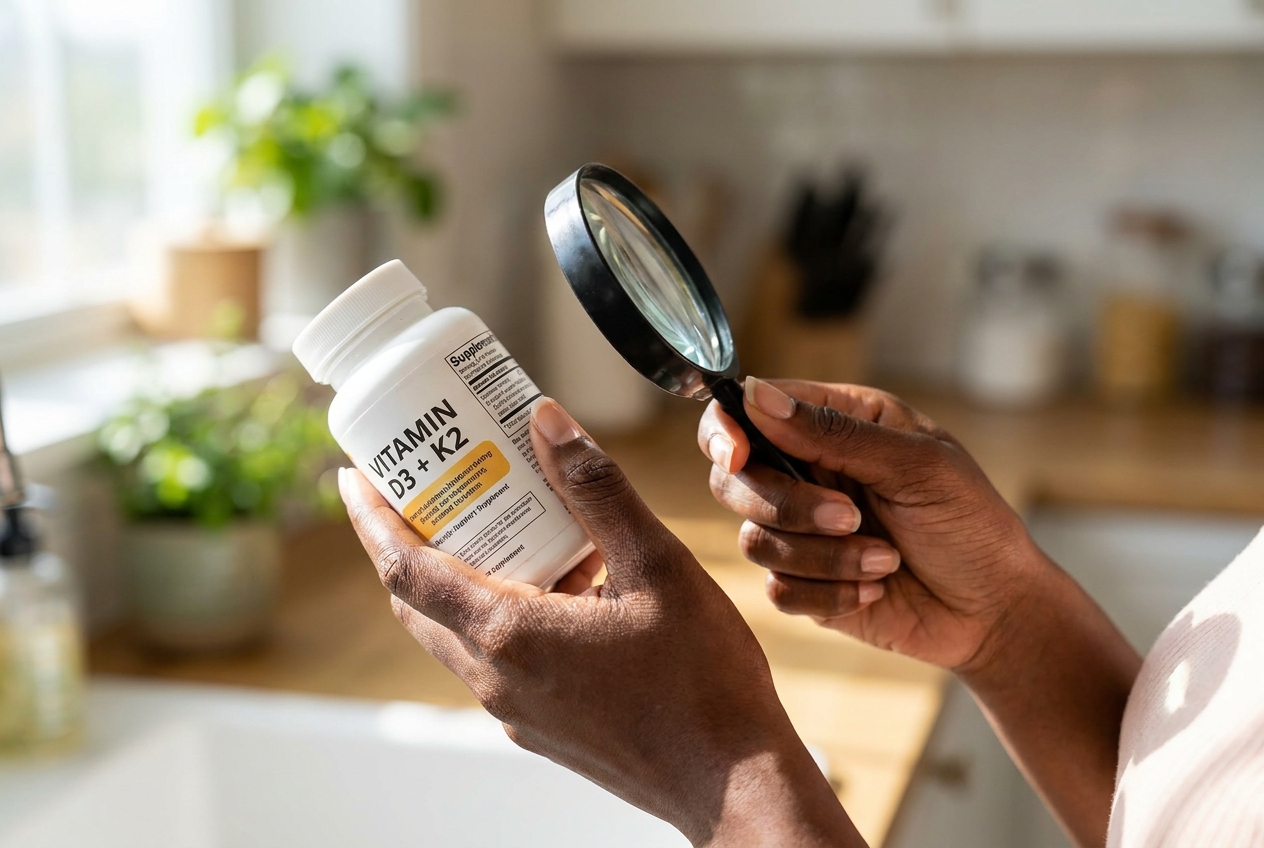
Evaluating a supplement label requires looking beyond the marketing claims on the front of the bottle. The most critical data resides in two areas: the Supplement Facts panel and the Other Ingredients list.
The Supplement Facts panel details the active dosage per serving, while the Other Ingredients list outlines everything else required to manufacture the product, including capsule materials, flow agents, and preservatives. High-quality monolaurin supplement formulations keep this second list as short as possible. Navigating these two panels allows consumers to separate pure monolaurin supplements from heavily processed alternatives.
Why Does Pure Glycerol Monolaurate Matter?
Monolaurin is a naturally occurring compound synthesized from lauric acid and glycerin. However, not all supplements deliver this compound in a purified form.
The Supplement Facts panel should explicitly list glycerol monolaurate (or monoester of lauric acid). Chemical synthesis and purification processes demonstrate that true, unadulterated α-Glycerol Monolaurate achieves 100% purity as a solid isolate, distinguishing it from crude lipid blends. Supplements that only list “coconut oil extract” or “lauric acid” do not guarantee a therapeutic or consistent volume of actual monolaurin.
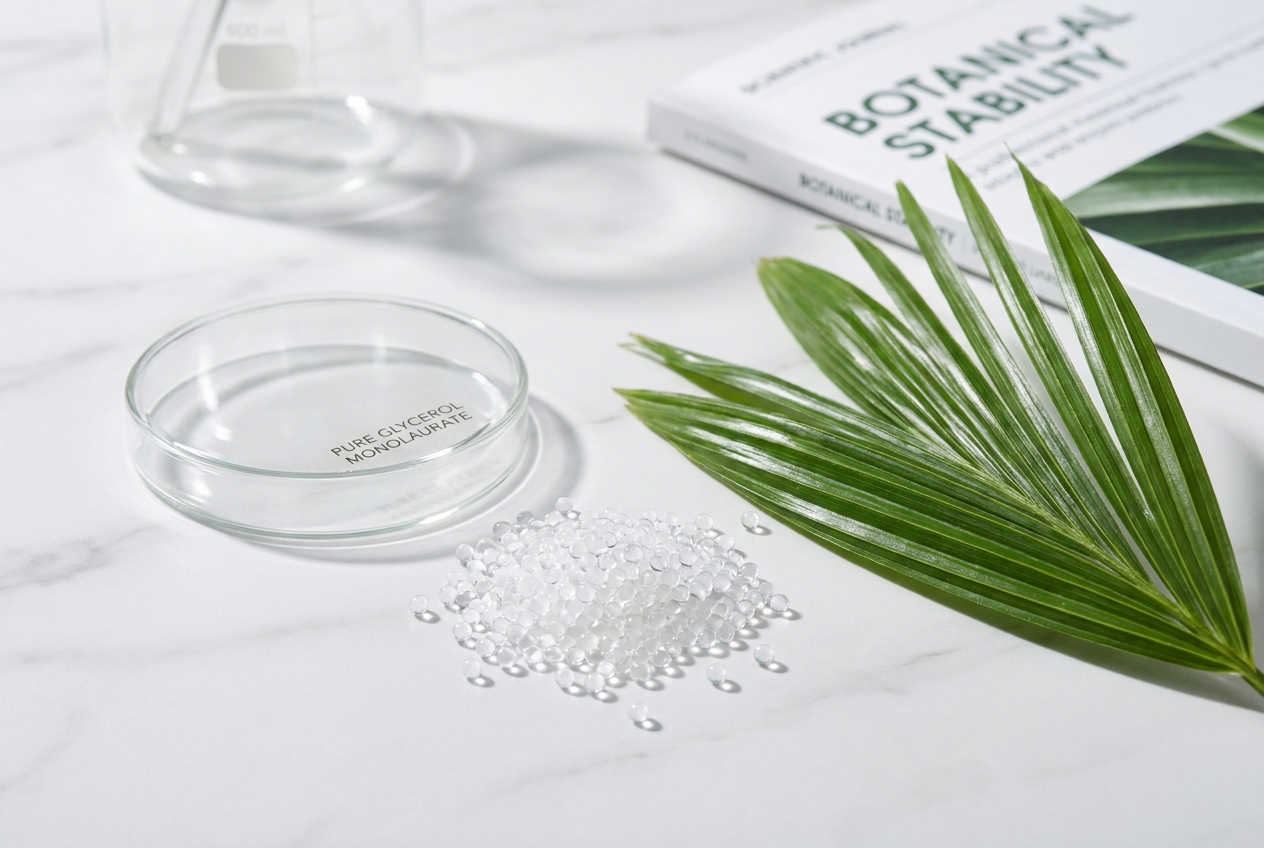
Formulation heavily dictates how pure this compound remains upon delivery. Pure glycerol monolaurate organizes into V-type crystalline complexes, natively conferring high thermal stability in solid pellet form without needing synthetic capsule shells. Choosing high-quality monolaurin options that utilize this solid pellet format allows consumers to access unadulterated glycerol monolaurate without the interference of capsule barriers or added synthetic binders.
What Excipients Should You Avoid in Monolaurin?
Excipients are the “inactive” substances used to bind, fill, or preserve a supplement. While some are necessary for manufacturing certain dosage forms, others serve only to cheapen production or manipulate visual appeal.
Many supplement manufacturers utilize “perception fillers”—low quantities of raw powders or additives presented on the label that provide no substantive nutritional contribution, but manipulate consumer perception of a product’s completeness. Furthermore, seemingly inert capsule materials can trigger unwanted biological responses. For example, hydroxypropyl methylcellulose (HPMC), a ubiquitous inactive excipient used in oral supplement capsules, was identified as the direct cause of immediate hypersensitivity reactions like urticaria and angioedema in specific case reports.
To ensure a clean routine, minimize the following when reviewing the Other Ingredients panel:
- Magnesium Stearate and Silicon Dioxide: Common flow agents used to keep powders from sticking to manufacturing machinery.
- Synthetic Dyes: Used entirely for cosmetic coloring.
- Complex Capsule Shells: When sensitive to HPMC or gelatin, consumers should seek alternative formats.
To maintain a strict, clean-label routine, explore products, which prioritize minimal excipients and transparent manufacturing practices.
How Does a Certificate of Analysis (CoA) Verify Quality?
A Certificate of Analysis (CoA) is an official document issued by a third-party testing laboratory. It confirms that the finished monolaurin supplement meets exact specifications for active ingredient concentration and safety parameters.
Relying entirely on a manufacturer’s label claims carries inherent risks. An analytical assessment of commercial U.S. dietary supplements revealed substantial deviations from advertised active ingredient concentrations and pervasive contamination with heavy metals, including arsenic, cobalt, and lead. A legitimate CoA mitigates this risk by providing empirical proof of safety.
A complete CoA for a monolaurin supplement should verify:
- Identity and Potency: Confirms the material is indeed glycerol monolaurate and meets the exact milligram count listed on the label.
- Heavy Metal Screening: Tests for toxic elements like lead, mercury, cadmium, and arsenic.
- Microbiological Testing: Ensures the absence of harmful pathogens like E. coli, Salmonella, and excessive yeast or mold.
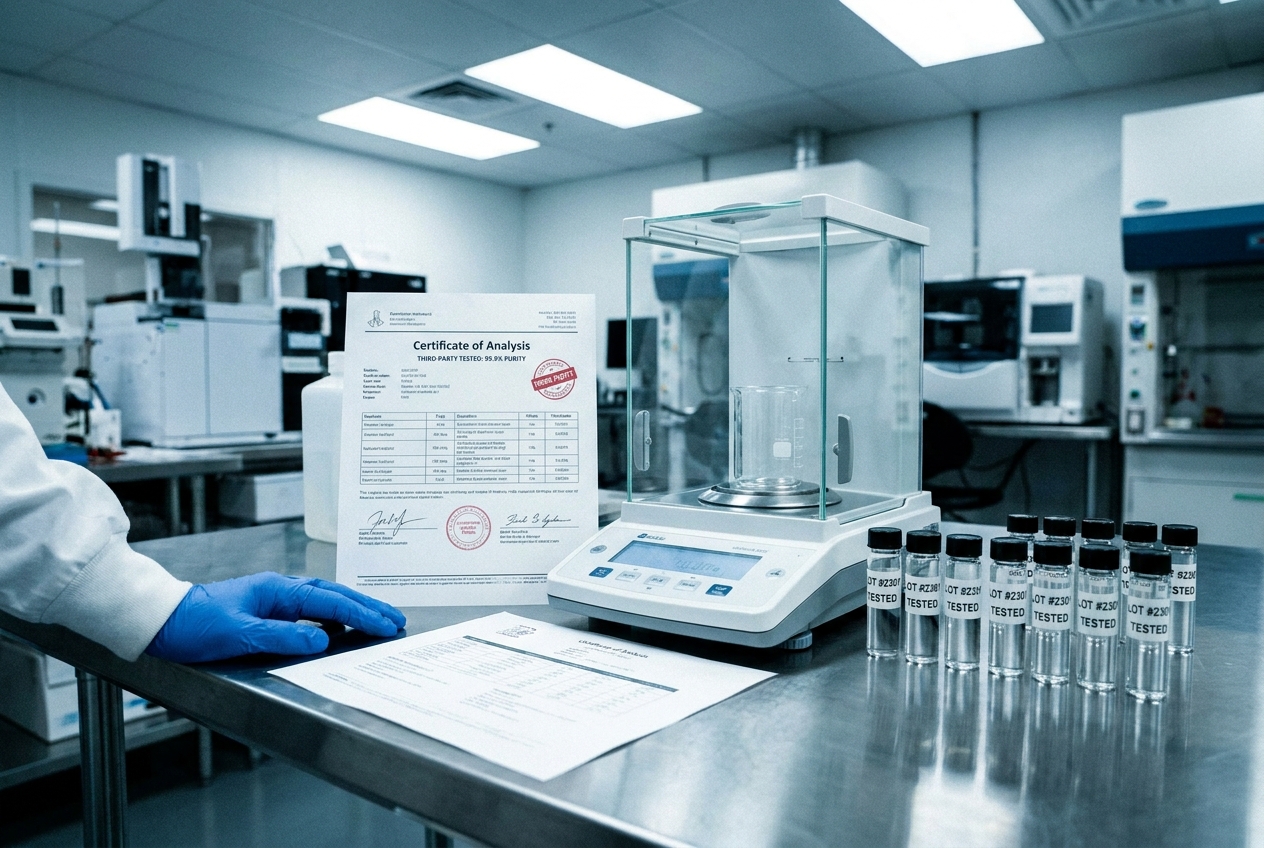
If a brand cannot produce a recent, third-party CoA upon request, their quality standards cannot be verified.
Frequently Asked Questions
What is the difference between monolaurin capsules and pellets?
Capsules contain monolaurin powder blended with flow agents to fit inside a dissolvable shell. Pellets are formed by compressing pure glycerol monolaurate into highly stable micro-spheres. Understanding how to choose the best monolaurin supplement online often comes down to this physical format, as sustained-release solid pellets can bypass the need for synthetic fillers and offer different digestive tolerance compared to fast-dissolving capsules.
Does the botanical source of monolaurin matter?
Yes. Monolaurin is typically synthesized using lauric acid derived from either coconut oil or palm kernel oil. Brands focused on sustainability and purity, like Natural Cure Labs, generally source their lauric acid from coconuts to avoid the environmental degradation and deforestation associated with the palm oil industry.
Are ‘inactive ingredients’ always bad?
Not necessarily. Some minimal inactive ingredients are strictly required for the mechanical encapsulation process. However, consumers seeking the absolute highest purity should look for alternative delivery methods, like raw pellets, which eliminate the need for binders, flow agents, and capsule shells entirely.
How do I ask a manufacturer for a CoA?
You can contact a supplement company directly through their customer service email or contact form. Simply request the “third-party Certificate of Analysis for the most recent batch” of the specific monolaurin product you are considering. Transparent brands will provide this readily.
Summary
Reading a monolaurin supplement label effectively requires a targeted look at both the active compounds and the manufacturing additives. The best monolaurin supplements clearly state their use of pure glycerol monolaurate, minimize synthetic flow agents and perception fillers, and back their label claims with third-party testing. By prioritizing transparent formulations and verifying safety through Certificates of Analysis, you can build a reliable and effective supplement routine.
Continue Exploring
- How Do You Choose the Best Monolaurin Supplement Online?
- How Expensive Is Monolaurin? Evaluating Best Options for Price and Quality
References
- Journal of Oleo Science. “Improved Synthesis of α-Glycerol Monolaurate Using Lipozyme TL IM.” 2022. https://doi.org/10.5650/jos.ess21312
- PLoS One. “The quality and safety of Rhodiola rosea supplements on the U.S. market: An analysis of biomarkers, heavy metals, and pesticide residues.” 2026. https://doi.org/10.1371/journal.pone.0341070
- Allergy, Asthma & Clinical Immunology. “Hydroxypropyl methylcellulose-induced urticaria and angioedema: a case report.” 2026. https://doi.org/10.1186/s13223-026-01021-5
- Trends in Food Science & Technology. “The Perception Filler: A Proposed Conceptual Framework for Ingredient-Interpretation Gaps in Food Supplements.” 2026. https://doi.org/10.1016/j.tjnut.2026.101803
- How Do You Choose the Best Monolaurin Supplement Online?
- How Expensive Is Monolaurin? Evaluating Best Options for Price and Quality