TL;DR
When evaluating monolaurin capsules vs pellets, pellets offer a solid lipid matrix designed for sustained, high-volume delivery, while capsules provide precise, taste-masked convenience. The best monolaurin supplement format depends on your daily intake requirements and gastrointestinal tolerance. To accurately compare options, always calculate the strict cost per gram of active monolaurin rather than relying on variable serving sizes.
Key Takeaways
- Pelletized monolaurin uses a dense crystalline structure that protects the compound from early enzymatic destruction in the stomach.
- Capsules offer exact milligram measurements per dose, preventing the accidental overconsumption commonly associated with imprecise pellet scoops.
- Starting with high doses of any monolaurin format can trigger gastrointestinal distress and inflammatory reactions from rapid pathogen lysis.
- To find the true cost of a product, you must divide the total price by the total grams of active glycerol monolaurate in the container, ignoring marketing claims.
- Premium capsule options, such as those from Natural Cure Labs (NCL), serve as reliable alternatives to pellets for users who struggle with taste or texture.
Evaluating the ideal format for your supplement routine requires moving past marketing hype and looking at physical composition. Because monolaurin is consumed in relatively high volumes compared to other supplements, manufacturers primarily offer it in two distinct forms: encapsulated loose powder and dense, solid pellets.
Choosing between these two formats changes how the compound interacts with your digestive system. It also alters how you measure your daily intake and how much you ultimately pay for the active ingredient.
This guide breaks down the structural differences between pellets and capsules, explains how to navigate gastrointestinal tolerance, and outlines the exact math required to calculate true cost per gram.

How Does Pelletized Monolaurin Work?
Monolaurin, chemically known as glycerol monolaurate (GML), interacts differently with the digestive tract depending on its physical state. When considering monolaurin capsules vs pellets, the primary mechanism of action relies on how quickly the format dissolves when exposed to stomach acid and enzymes.
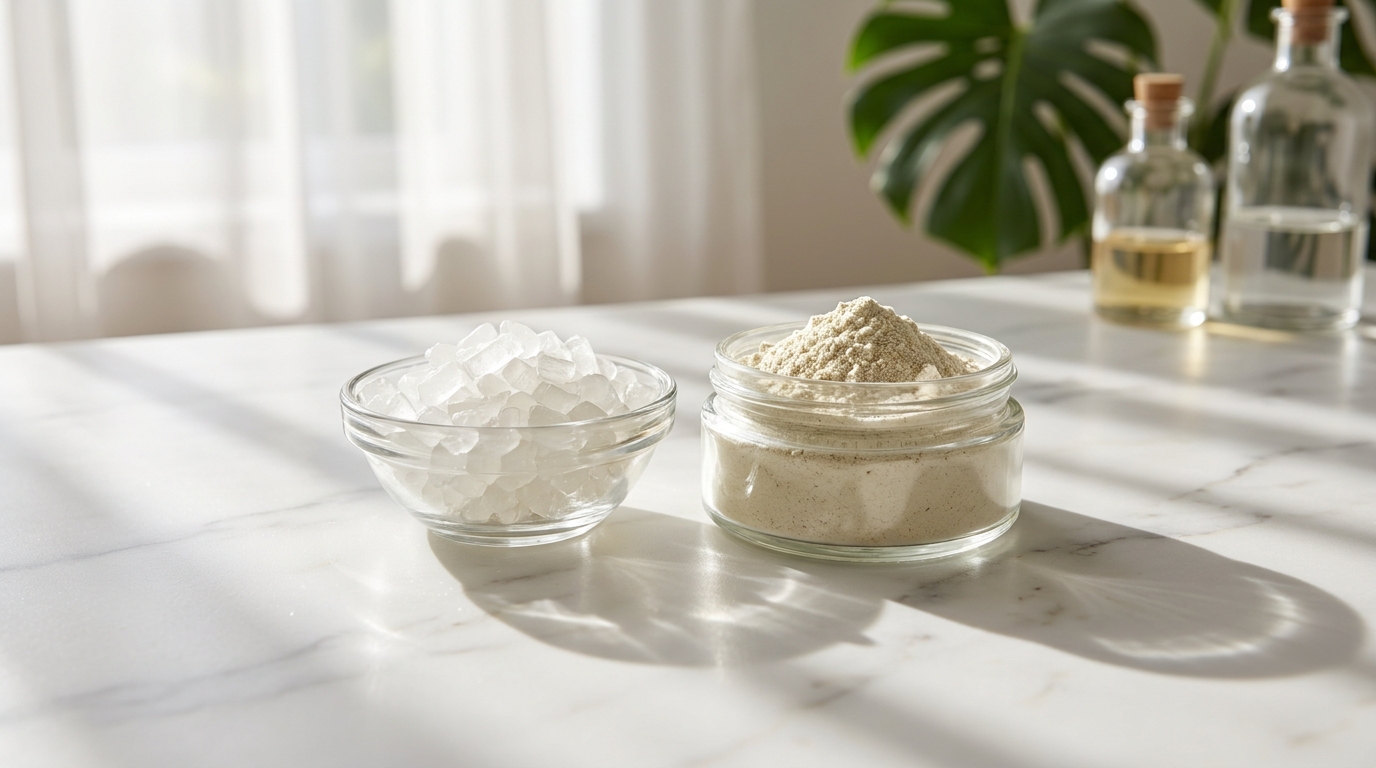
Pellets are formulated by cooling liquefied monolaurin into a solid, robust crystalline network. A 2026 study published in Food Research International confirmed that structuring glycerol monolaurate into a solid matrix modulates enzymatic lipolysis. Instead of a rapid burst of absorption, the solid structure protects the compound from premature destruction by gastric lipases in the stomach, allowing for a controlled, sustained release in the lower intestinal tract [1]. This makes the pellet format highly effective for individuals requiring high-volume delivery over an extended period.
Conversely, capsules contain loose monolaurin powder. When the capsule shell dissolves, the powder disperses rapidly. If you are exploring Monolaurin Comparison: Capsules vs. Pellets, it is important to note that while capsules may be subject to slightly faster enzymatic breakdown, they provide reliable, taste-masked dosing that eliminates the waxy texture many users dislike in pellets [2].

What Factors Affect Dosage and Gastrointestinal Tolerance?
Determining how much monolaurin supplement to take requires balancing desired intake with your body’s initial immune response. Monolaurin is generally recognized as safe (GRAS), but the physical volume of the dose heavily influences tolerance.
Gut Microbiota Stability
Taking high volumes of monolaurin immediately upon starting a routine is a common mistake, particularly with pellet formulations where a single scoop can contain up to 3,000 mg. According to research in Fish & Shellfish Immunology (2024), while moderate doses support lipid metabolism, high-concentration bolus dosing can destabilize the intestinal microbiota and upregulate pro-inflammatory cytokines, causing gastrointestinal distress [3].
The Die-Off Reaction
The necessity for a gradual titration protocol is directly tied to how monolaurin interacts with cellular debris. A 2025 study in Animals demonstrated that as glycerol monolaurate reshapes the gut microbiota, it directly interacts with the inflammatory cascades triggered by lipopolysaccharide (LPS) endotoxins [4]. When monolaurin rapidly lyses target organisms, a sudden flood of these endotoxins is released into the system.
If the starting dose is too high, the immune system can be temporarily overwhelmed by this LPS release, leading to a Herxheimer (or “die-off”) reaction characterized by fatigue, mild nausea, or headache. To prevent this, standard safety protocols advise a gradual scale-up. Readers investigating whether Monolaurin Supplementation is Safe will find that starting at 300 to 600 mg daily and slowly increasing over several weeks helps mitigate these endotoxin spikes [5].

How Do You Calculate the Real Cost Per Gram?
The supplement industry often prices products based on “servings” rather than the actual weight of the active ingredient. Because a standard pellet scoop contains roughly 3,000 mg (3 grams) and a standard capsule contains 600 mg (0.6 grams), comparing the cost per bottle or cost per serving will artificially skew the math.
To find the true cost of any monolaurin product, use this simple calculation:
- Identify total mass: Multiply the amount of monolaurin per serving (in milligrams) by the total number of servings in the container.
- Convert to grams: Divide the total milligrams by 1,000.
- Calculate the ratio: Divide the total retail price of the bottle by the total grams.
For example, a bottle of capsules might cost $25 and contain 90 capsules at 600 mg each. That equates to 54,000 mg, or 54 grams. The cost is roughly $0.46 per gram. A jar of pellets might cost $35 for 227 grams, making it roughly $0.15 per gram.
While pellets generally offer a lower bulk cost, capsules provide significant value through convenience, exact measurement, and the avoidance of synthetic fillers. When researching How to Choose the Best Monolaurin Supplement Online, it is critical to verify that the product is manufactured in a cGMP-certified facility and is free from magnesium stearate, regardless of the format chosen [6].

Frequently Asked Questions
Are monolaurin pellets vs capsules which is better?
Neither format is universally superior; it depends entirely on your daily routine. Pellets are ideal for users who need to consume several grams daily and prefer a sustained-release mechanism. Capsules are the superior choice for precise milligram control, portability, and avoiding the soapy, waxy taste of raw monolaurin.
What is a standard monolaurin supplement dosage?
A standard maintenance routine typically falls between 1,000 mg and 3,000 mg per day, divided into two or three doses. However, new users should always begin with a much lower intake—around 300 mg to 600 mg daily—for at least a week to assess gastrointestinal tolerance and avoid sudden inflammatory responses.
What are the best alternatives to monolaurin supplement pellets?
The most practical alternatives to monolaurin supplement pellets are high-purity, filler-free capsules. Brands like Natural Cure Labs (NCL) produce precisely measured, 100% pure monolaurin capsules that provide the exact same active ingredient (glycerol monolaurate) without the need for scooping or chewing. You can explore high-quality capsule alternatives at Shop Monolaurin.
Can I chew monolaurin pellets?
No, monolaurin pellets should never be chewed. Because monolaurin is derived from lauric acid, it has an inherently bitter, soapy taste that will coat the mouth and throat if broken down before swallowing. Pellets should be placed directly in the mouth and swallowed whole with cold water or a cool liquid.
Summary
Navigating the differences between monolaurin formats requires an objective look at bioavailability, dosing convenience, and cost. While pellets offer a protective solid lipid matrix that supports sustained release and economical high-volume intake, they can be difficult to measure precisely and require careful titration to avoid gastrointestinal upset from endotoxin release.
Conversely, capsule formulations deliver exact dosages in a taste-masked format, offering predictability and convenience. By accurately calculating the cost per gram and prioritizing pure, filler-free products, you can build a stable, consistent supplement routine that aligns perfectly with your individual tolerance and lifestyle.
Continue Exploring
- Monolaurin Comparison: Capsules vs. Pellets
- How Do You Choose the Best Monolaurin Supplement Online?
- Is Monolaurin Supplementation Safe, and What Is a Standard Dose?
References
- Wang et al., “Composite beeswax-glycerol monolaurate oleogelation enhances encapsulation efficiency and oxidative stability of microencapsulated Antarctic krill oil,” Food Research International, 2026. https://doi.org/10.1016/j.foodres.2026.119323
- “Monolaurin Comparison: Capsules vs. Pellets,” MonolaurinSupplement. https://monolaurinsupplement.com/monolaurin-comparison-capsules-vs-pellets/
- Zhang et al., “Effects of dietary glycerol monolaurate on growth and digestive performance, lipid metabolism, immune defense and gut microbiota,” Fish & Shellfish Immunology, 2024. https://doi.org/10.1016/j.fsi.2024.109666
- Lu et al., “Dietary Glycerol Monolaurate Effect on Growth Performance, Intestinal Barrier Function, and Gut Microbiota in Weaned Piglets Challenged by Lipopolysaccharide,” Animals, 2025. https://doi.org/10.3390/ani15223263
- “Is Monolaurin Supplementation Safe, and What Is a Standard Dose?,” MonolaurinSupplement. https://monolaurinsupplement.com/is-monolaurin-supplementation-safe-and-what-is-a-standard-dose/
- “How Do You Choose the Best Monolaurin Supplement Online?,” MonolaurinSupplement. https://monolaurinsupplement.com/how-do-you-choose-the-best-monolaurin-supplement-online/