TL;DR
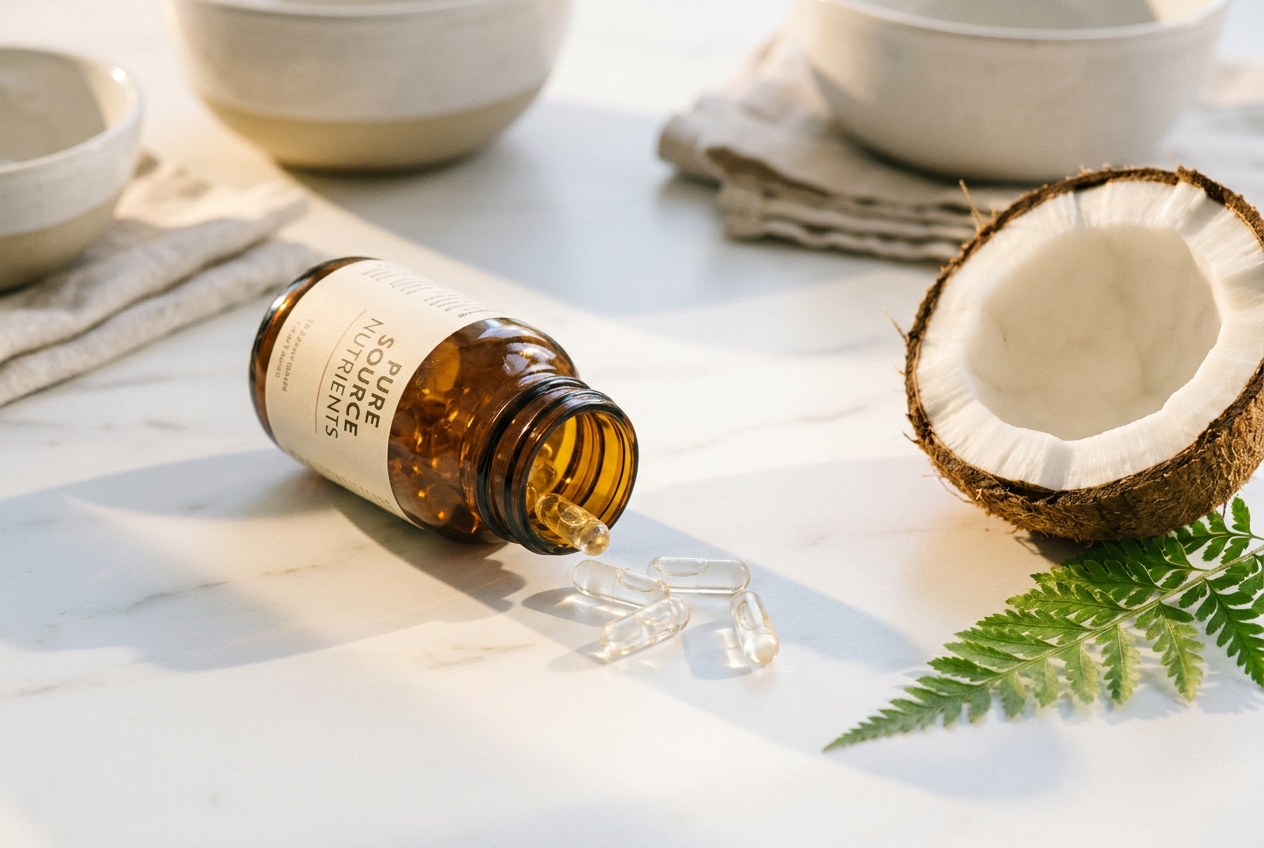
The safest monolaurin supplements deliver pure alpha-glycerol monolaurate without synthetic binders, fillers, or flow agents like magnesium stearate. High-quality monolaurin is produced in strictly audited Good Manufacturing Practice (GMP) facilities and relies on independent third-party testing to verify the absence of heavy metals, microbes, and contaminants.
Key Takeaways
- A pure monolaurin supplement avoids unnecessary excipients such as silica and magnesium stearate to reduce cumulative additive exposure.
- Independent Third-Party Testing (TPT) is the most reliable method to verify the actual purity, identity, and safety of a monolaurin supplement.
- Standardized manufacturing under rigorous GMP regulations prevents cross-contamination and ensures batch-to-batch consistency.
- Evaluating objective criteria, rather than marketing claims, helps identify the best monolaurin supplement for a clean, reliable routine.
Navigating the dietary supplement market requires a structured evaluation process. Because nutritional supplements are not universally regulated with the same global consistency as pharmaceuticals, identifying a high quality monolaurin supplement depends entirely on the transparency and manufacturing rigor of the producer. Without objective benchmarks, consumers risk purchasing products diluted with fillers, mislabeled regarding their active ingredients, or exposed to poor manufacturing controls.
To build a consistent and reliable supplement routine, evaluating a product’s safety and cleanliness must go beyond the front label. By understanding the role of excipients, the necessity of rigorous facility audits, and the value of independent laboratory testing, individuals can confidently select a monolaurin supplement that prioritizes purity.

What Defines a Clean Monolaurin Supplement?
The formulation of a supplement determines its cleanliness. A clean label minimizes or eliminates the use of non-nutritive excipients—the inactive substances used as vehicles or binding agents in the manufacturing process.
Many standard supplements utilize flow agents like magnesium stearate and silica to prevent ingredients from clumping and sticking to machinery. Research evaluating the toxicological profile of magnesium stearate establishes its baseline safety as a ubiquitous excipient, but notes that cumulative exposure to multiple dietary additives warrants ongoing quality and safety evaluation. While generally recognized as safe, a premium pure monolaurin supplement often omits these agents entirely to maximize the concentration of the active ingredient and minimize unnecessary additive loads.
The presence of additives is not the only variable; how they are handled matters. Evidence demonstrates that while agents like magnesium stearate can be critical for preventing powder aggregation in generic capsules, excessive or poorly controlled blending during manufacturing leads to structural degradation and unwanted physical defects in the final product. Clean formulations bypass this risk by utilizing high-purity alpha-glycerol monolaurate directly, focusing on simple, transparent ingredients.
What Factors Affect Monolaurin Purity and Quality?
Beyond the ingredient list, the integrity of a monolaurin supplement is dictated by the environment in which it is produced and the testing it undergoes before reaching the consumer.
- Good Manufacturing Practices (GMP): Adherence to GMP standards is non-negotiable for establishing baseline identity and preventing adulteration at the manufacturing level. Supply chain disruption is a major driver of dietary supplement adulteration, confirming that strict GMP compliance—coupled with orthogonal laboratory quality control—is mandatory to ensure product purity and the absence of toxic contaminants. Facilities compliant with 21 CFR Part 111 regulations are routinely audited to maintain these critical safety baselines.
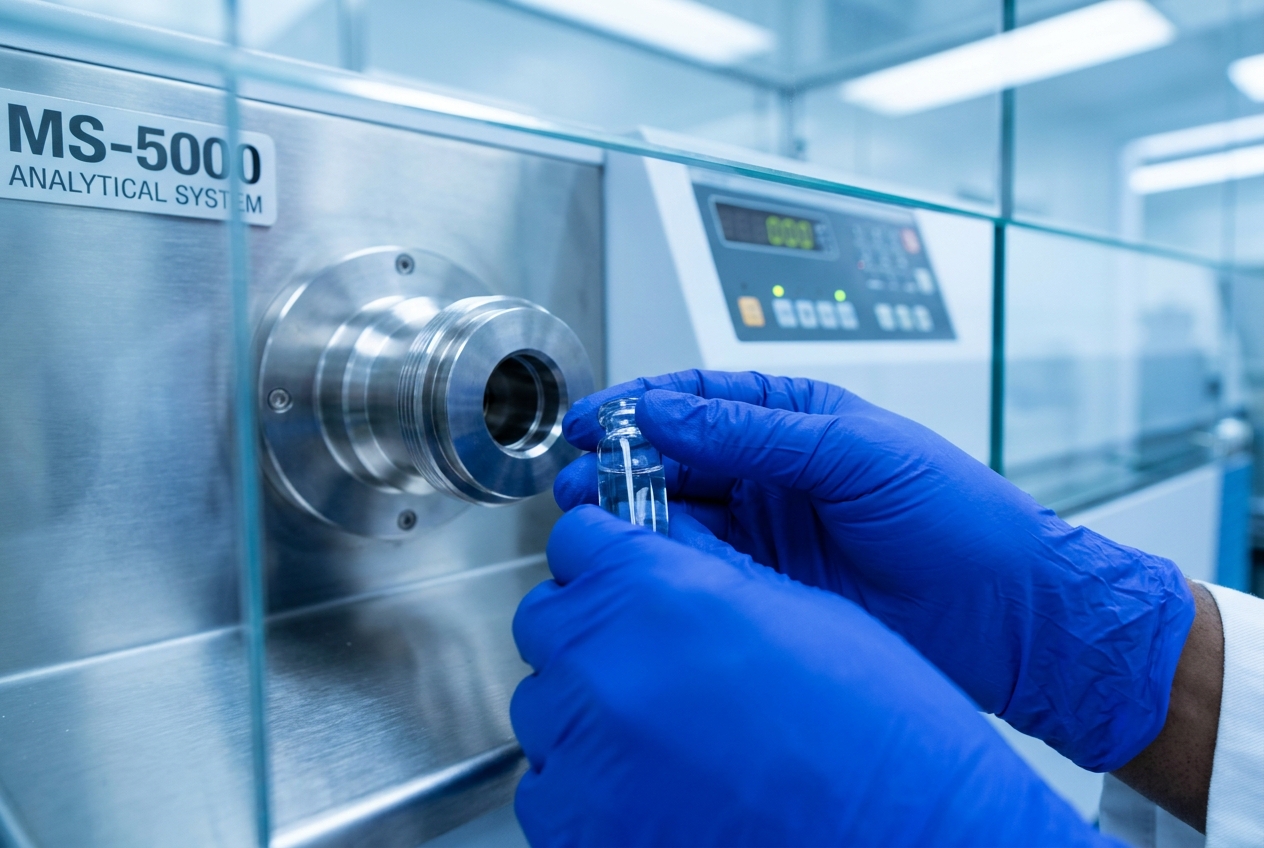
- Third-Party Testing (TPT): Because regulatory oversight for dietary supplements is globally inconsistent, consumers are left vulnerable to mislabeling and contamination. Independent Third-Party Testing (TPT) programs serve as the most scientifically rigorous risk-mitigation strategy to verify label claims and ensure product purity. This testing checks for heavy metals, microbial presence, and precise dosing accuracy.
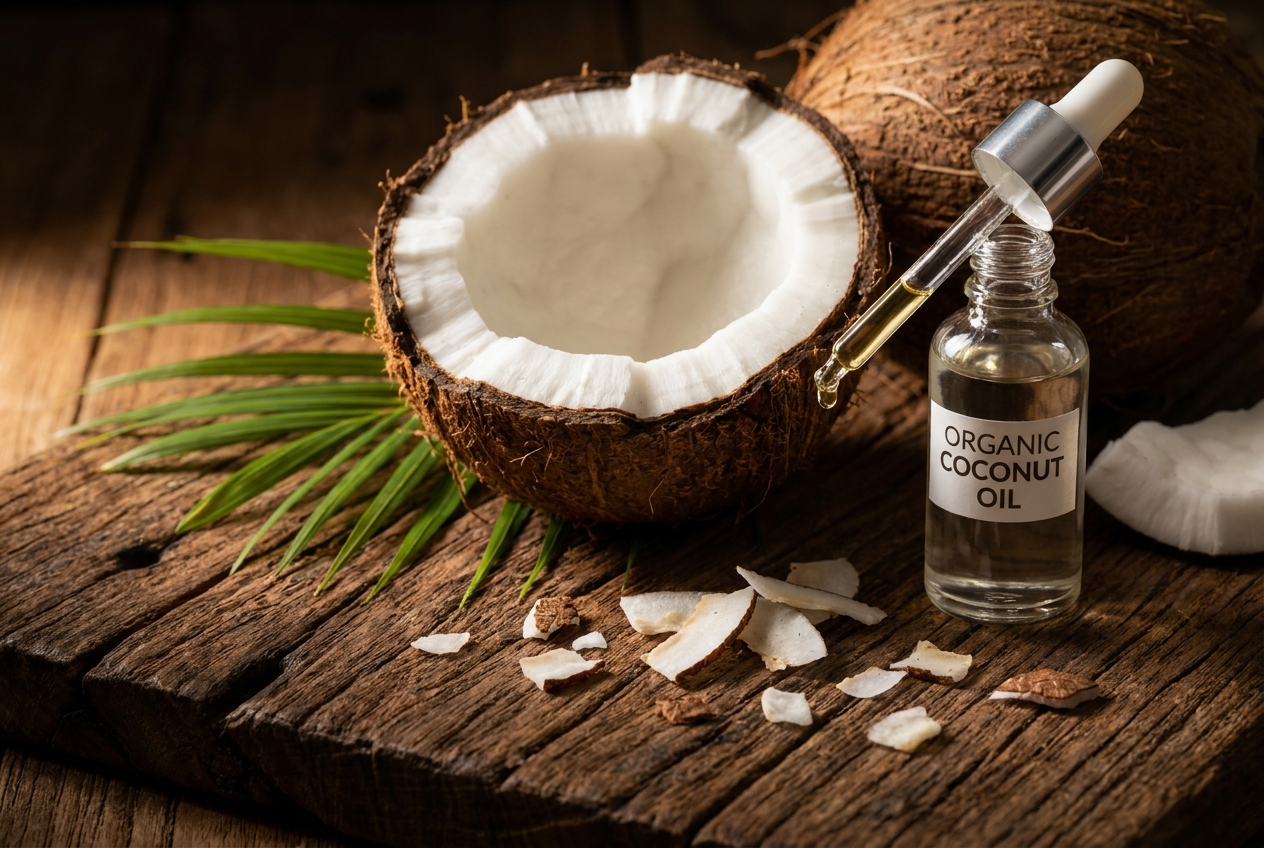
- Ingredient Sourcing: The biological origin of the lauric acid used to synthesize monolaurin impacts the final product’s profile. Sourcing monolaurin derived strictly from pure coconut oil, rather than palm kernel oil or mixed proprietary blends, ensures a higher standard of raw material integrity.
For practical application, evaluating transparency-focused product lines provides a useful benchmark. For example, formulations like those from Natural Cure Labs prioritize 100% pure alpha-glycerol monolaurate without synthetic binders, adhering to strict USA-based GMP manufacturing and offering a clear baseline for what a clean label requires. You can review examples of this transparent approach at Natural Cure Labs.
Frequently Asked Questions
Are monolaurin pellets or capsules cleaner?
Neither format is inherently cleaner; purity depends on the manufacturer’s formulation standards. However, the physical structure of standard dissolving capsules versus solid lipid pellets can impact how the supplement is delivered. Solid lipid formats, like dense pellets, can offer sustained-release properties that bypass stomach acid degradation, while high-quality capsules should be evaluated for clean, plant-based shells free from synthetic dyes.
Why do some monolaurin supplements use magnesium stearate?
Manufacturers use magnesium stearate primarily as a lubricant to stop powders from sticking to encapsulation machinery, increasing production speed. While it is a common and generally safe excipient, brands focused on creating the cleanest possible product often invest in specialized equipment or slower manufacturing processes to avoid using it entirely.
Does coconut vs. palm sourcing affect monolaurin safety?
The extraction source can influence the environmental and purity profile of the supplement. Choosing monolaurin derived specifically from non-GMO coconut oil avoids the environmental degradation and varied fatty-acid profiles sometimes associated with mass-produced palm kernel oil.
Are third-party certifications necessary?
Yes. Third-party testing by ISO 17025-accredited labs is essential. It provides objective verification that the supplement contains the exact amount of monolaurin stated on the label and confirms the complete absence of heavy metals, residual solvents, and microbial contaminants.
Summary
Identifying the safest and cleanest monolaurin supplements requires looking past marketing terminology to evaluate precise manufacturing standards. A genuinely clean supplement is defined by what it omits—specifically synthetic binders, fillers, and flow agents like magnesium stearate—and what it prioritizes: 100% pure alpha-glycerol monolaurate. Ensuring the product is manufactured in a certified GMP facility and validated through independent third-party testing guarantees that the supplement delivers on its safety and purity claims.
Continue Exploring
- How Do You Choose the Best Monolaurin Supplement Online?
- Buying Guide: Choosing Clean Monolaurin
- Best Monolaurin Supplements: Quality Standards
References
- Hobbs CA et al., Magnesium stearate, a widely-used food additive, exhibits a lack of in vitro and in vivo genotoxic potential, Toxicol Rep, 2017. https://doi.org/10.1016/j.toxrep.2017.10.003
- Tanabe M et al., ATR/FT-IR and NIR Auto-correlation Spectroscopic Analysis of Powder Blending Uniformity of Low-content Magnesium Stearate and Potato Starch, Anal Sci, 2017. https://doi.org/10.2116/analsci.33.65
- Harnly JM et al., Dietary Supplement Adulteration: Laboratory Approaches to Risk Mitigation, J Nat Prod, 2025. https://doi.org/10.1021/acs.jnatprod.5c00456
- Mathews NM et al., Navigating the Risks Beyond the Label: Unpacking Global Nutritional Supplement Safety, Int J Sport Nutr Exerc Metab, 2024. https://doi.org/10.1123/ijsnem.2025-0177