
TL;DR
The most effective supplement routines for herpes outbreaks focus on supporting the body’s immune system and altering the conditions necessary for viral replication. A combination of L-lysine, monolaurin, vitamin C, and zinc provides structural and functional support. Success relies on consistent daily intake rather than occasional high doses.
Key Takeaways
- L-lysine competes with arginine, an amino acid that the herpes virus requires to multiply.
- Monolaurin is a lipid-derived compound that interacts with the protective envelopes of certain viruses.
- Zinc and Vitamin C provide foundational support for overall immune function and skin integrity.
- Supplement routines should prioritize daily consistency rather than reactive dosing during active flare-ups.
The Role of Dietary Supplements in Outbreak Management
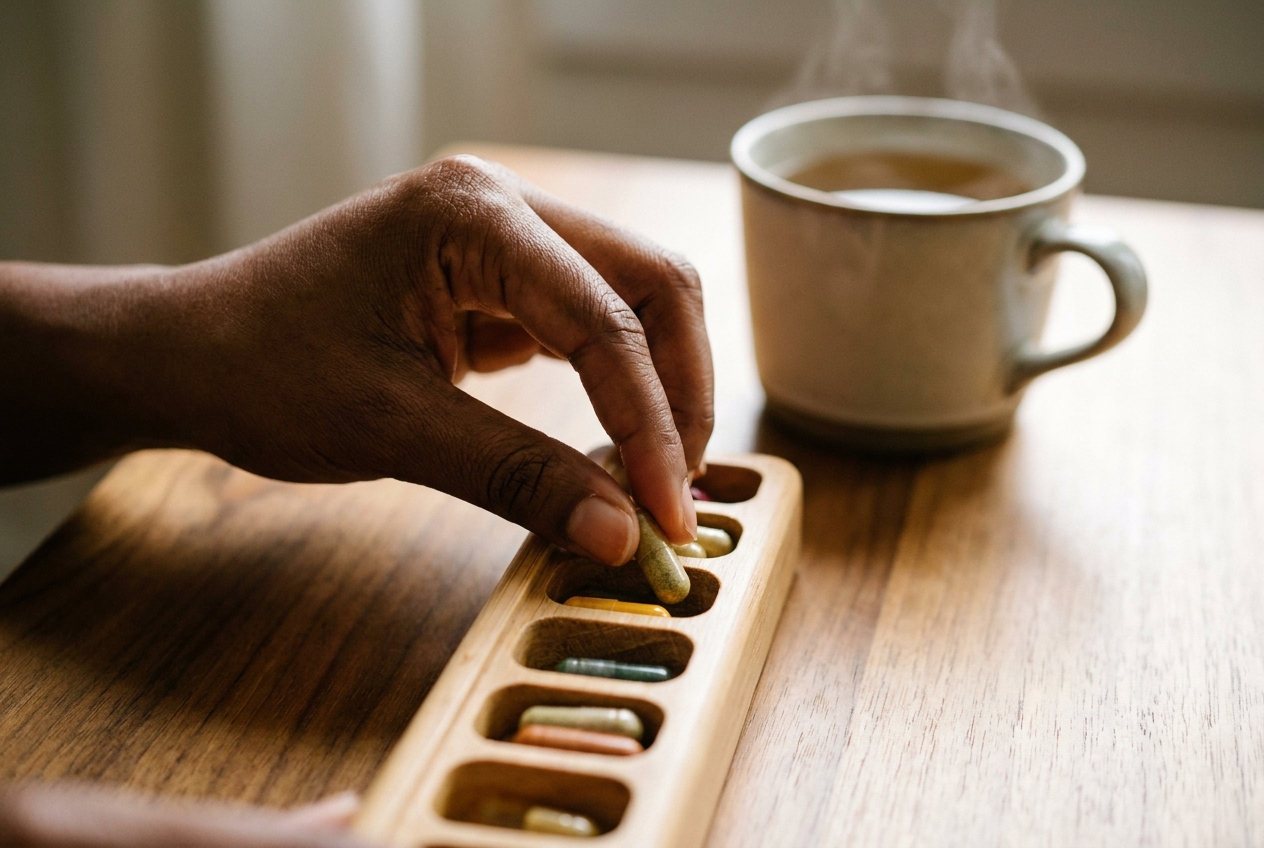
Managing herpes outbreaks requires a comprehensive approach to immune health. When the body encounters physical or emotional stressors, the immune system’s capacity to keep dormant viruses in check can weaken, leading to active flare-ups. A structured supplement routine helps maintain optimal conditions for immune function before stressors trigger a response.
Navigating the natural antiviral supplements list can feel overwhelming. Rather than relying on a single compound, a practical approach involves stacking complementary nutrients that address different aspects of immune defense. The goal is not to eliminate the virus—which resides permanently in the nervous system—but to equip the body with the specific raw materials it needs to manage it effectively.
How Core Supplements Alter the Viral Environment
Selecting the best immune support supplements requires understanding how specific nutrients interact with the virus’s lifecycle. These compounds work through different biological mechanisms to support resilience.
The Lysine to Arginine Ratio
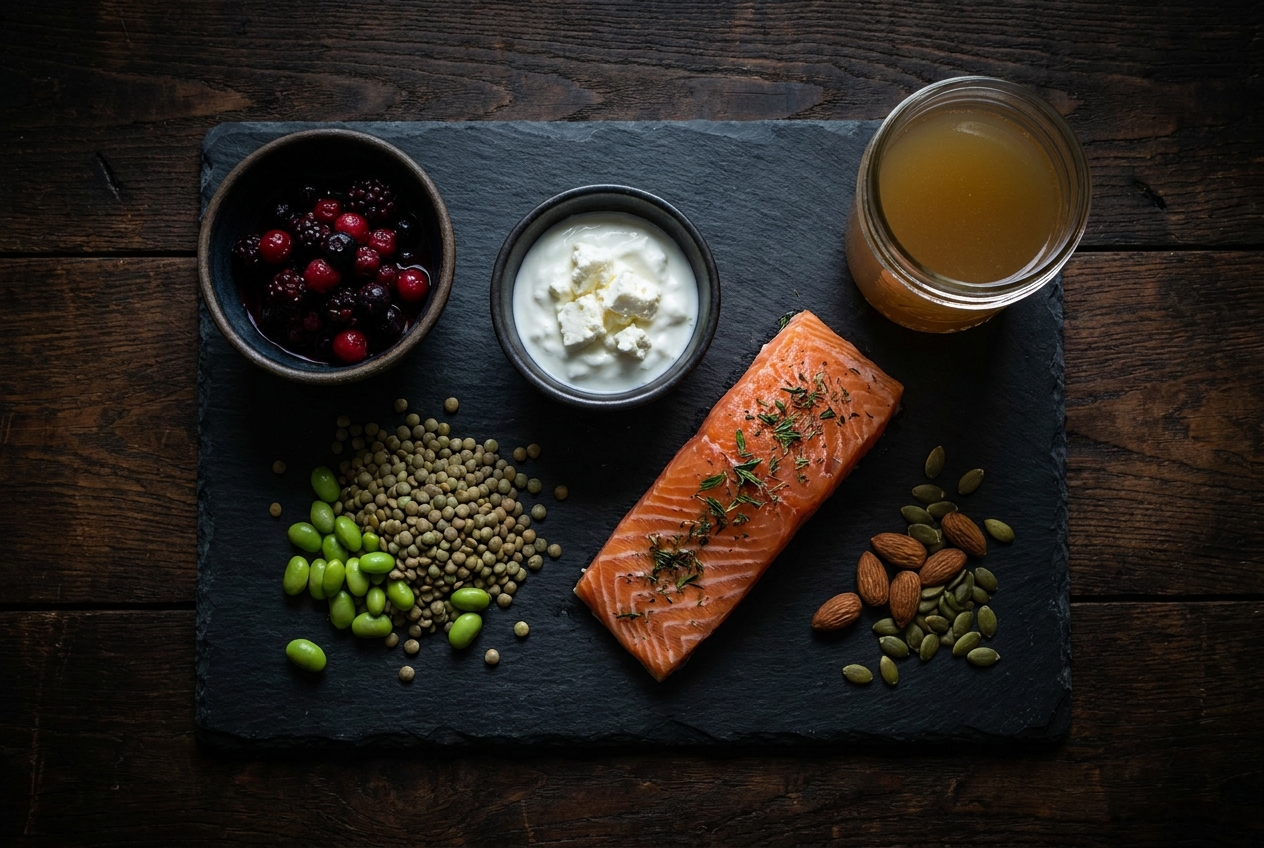
The herpes virus relies heavily on the amino acid arginine to replicate. L-lysine is a different amino acid that competes with arginine for absorption in the intestines and entry into cells. When the blood concentration of lysine is significantly higher than arginine, the virus is deprived of the essential building blocks it needs to multiply. Maintaining a daily intake of lysine and monolaurin supplements helps sustain this unfavorable environment.
The Monolaurin Mechanism
Monolaurin is a chemical derived from lauric acid, a medium-chain fatty acid naturally found in coconut oil. Many viruses, including the herpes simplex virus, are enveloped—meaning they are encased in a protective lipid (fat) membrane. Monolaurin is structured similarly to these lipids. When introduced into the body, it can incorporate itself into the viral envelope, disrupting the structural integrity of the virus and making it easier for the immune system to identify and clear.
Explore monolaurin options: https://www.shopmonolaurin.com/
Foundational Immune Support: Vitamin C and Zinc
While lysine and monolaurin target specific viral mechanisms, Vitamin C and zinc serve as broad-spectrum immune support. Vitamin C is a potent antioxidant that protects cells from oxidative stress and supports the production of white blood cells. Zinc is crucial for the normal development and function of immune cells. Both nutrients also play vital roles in collagen synthesis and skin health, which is essential for maintaining the physical barriers that outbreaks compromise.

Factors That Influence Outbreak Frequency
Even the best monolaurin supplement for herpes will struggle to compensate for an environment that constantly favors viral replication. Several behavioral and dietary factors directly influence the effectiveness of a supplement routine.
- Dietary Arginine Intake: Foods high in arginine—such as nuts, seeds, chocolate, and certain grains—can offset the benefits of lysine supplementation. Balancing these foods with lysine-rich proteins is critical.
- Systemic Stress: Elevated cortisol levels suppress immune function. Chronic stress creates biological vulnerabilities that allow the virus to reactivate.
- Ultraviolet Light Exposure: Excessive sun exposure is a known trigger for oral outbreaks. UV radiation causes local immunosuppression in the skin, reducing localized defenses.
- Sleep Quality: Sleep is the primary period for immune cell regeneration. Fragmented or insufficient sleep directly reduces the body’s capacity to maintain viral suppression.

Protecting that regeneration window is mostly a matter of routine rather than any single product, though the two often work together. A melatonin-free evening option using 800 mg of KSM-66® ashwagandha alongside magnesium, L-theanine, and vitamin B6 is one example of a label where every amount is listed, which makes it easier to see exactly what you are adding to the evening.
Frequently Asked Questions
Can you take monolaurin long term?
Yes, monolaurin is generally well-tolerated for long-term, daily use. Unlike some compounds that lose efficacy or strain the liver over time, monolaurin is metabolized by the body much like a standard dietary fat. Consistent daily intake is often more effective than reactive use.
Should I take lysine and monolaurin supplements on an empty stomach or with food?
Monolaurin is a lipid derivative and is typically best absorbed when taken with food, which also minimizes the risk of mild gastrointestinal upset. L-lysine, as an amino acid, is often recommended on an empty stomach to prevent it from competing with other amino acids in protein-rich meals.
How long does a monolaurin supplement take to work?
Dietary supplements do not function as rapid-onset medications. Building adequate tissue levels of monolaurin and establishing a stable lysine-to-arginine ratio typically requires several weeks of consistent daily supplementation.
What should I look for in a monolaurin supplement for viral infections?
The best monolaurin supplement should provide a pure form of monolaurin without unnecessary fillers. Focus on products that offer transparent ingredient lists and are manufactured in compliant facilities. Formats vary between capsules and pellets; choose the format that ensures you can maintain daily consistency.

Building a Sustainable Routine
The most effective supplement regimen is the one you take consistently. While the mechanisms behind monolaurin, lysine, zinc, and vitamin C are distinct, they work synergistically to create a biological environment that resists viral replication.
Instead of chasing intermittent high doses during an active outbreak, focus on establishing a stable daily baseline. By prioritizing the lysine-to-arginine ratio, supporting lipid envelope disruption, and maintaining general immune readiness, you can build a practical defense strategy. Always source high-quality supplements to ensure your body receives the exact compounds it needs.
References
- Monolaurin Supplement Guide and Resources. Available at: https://www.shopmonolaurin.com/