
TL;DR
A high-quality monolaurin supplement typically costs between $20 and $40 for a standard one-month supply. The actual price depends heavily on the botanical source (raw coconut versus palm oil), the delivery format (capsules versus pellets), and the absence of synthetic fillers. The best value monolaurin supplement balances 100% pure glycerol monolaurate extraction with an affordable, consistent cost-per-serving.
Key Takeaways
- The cost of monolaurin is primarily driven by raw material sourcing, with pure coconut-derived options costing slightly more than lower-quality palm derivatives.
- Supplement format matters; while capsules offer convenience and precise dosing, concentrated pellets provide high-volume options with unique crystalline stability.
- The highest-quality products utilize pure glycerol monolaurate free of unnecessary excipients and synthetic fillers.
Monolaurin supplements range significantly in price, leaving many buyers uncertain about whether a higher price tag equates to better quality. Evaluating the actual cost requires looking past the upfront bottle price and analyzing the cost-per-serving, the concentration of active ingredients, and the purity of the chemical extraction. Building a realistic supplement routine depends on finding an option that fits both the budget and the body’s natural tolerance.
The market offers everything from budget brands using mixed filler ingredients to premium, highly purified formulations. A cheap supplement heavily cut with synthetic excipients often requires taking more servings to achieve the desired intake, ultimately making it more expensive in the long run. Identifying the best price-to-quality ratio means understanding how raw ingredients are sourced, how they are packaged, and how those manufacturing factors dictate the overall value.
Understanding the True Cost of Monolaurin
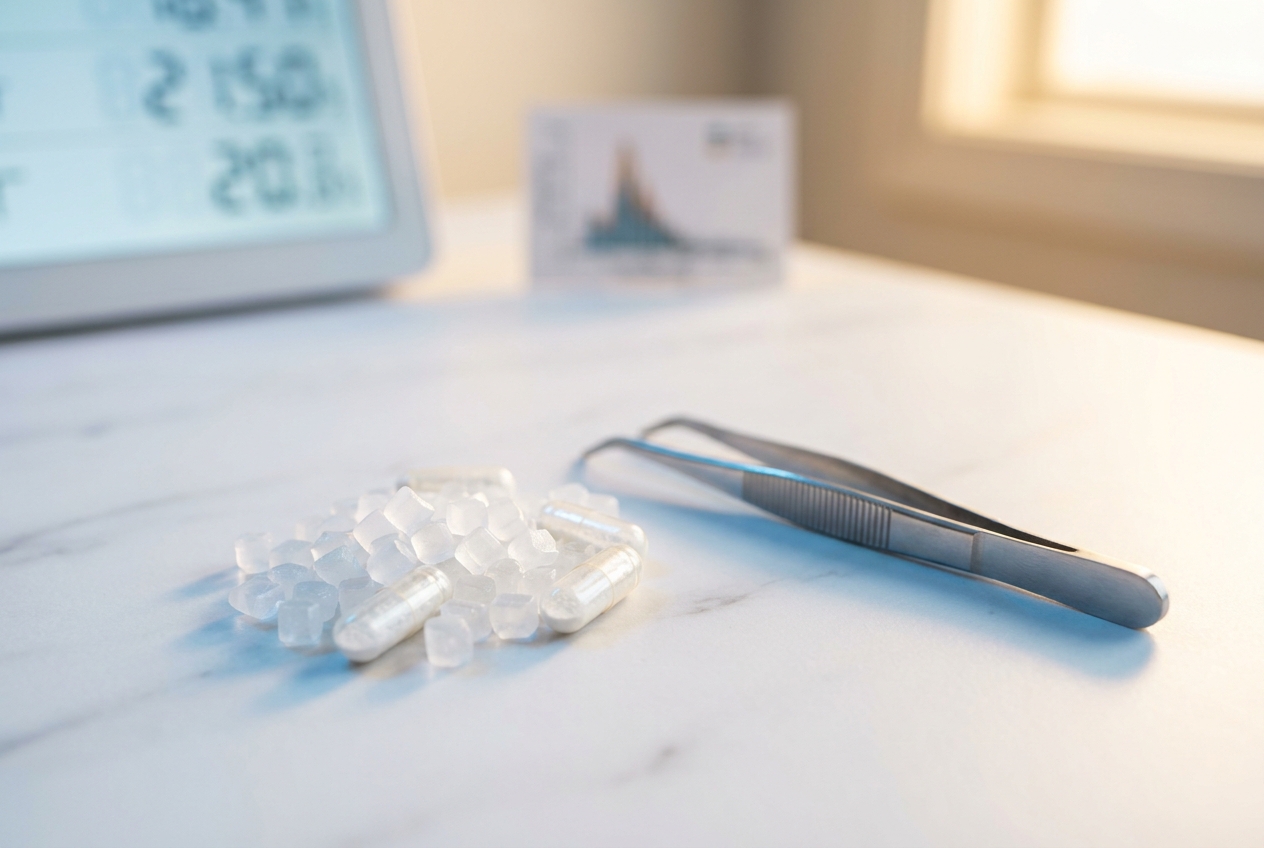
The retail price of a supplement is not an arbitrary number. When running a monolaurin price comparison to find affordable options, it becomes clear that manufacturing quality, dosage strength, and raw botanical sources heavily influence the total cost. A baseline price for a reputable brand is roughly $20 to $40 per bottle, but this figure can be misleading if the milligram concentration per serving is low.
Cost analysis must focus on the precise amount of glycerol monolaurate (GML) delivered per dose. A bottle containing 90 capsules at 600mg each offers vastly different value than a bottle of 60 capsules at 300mg each, even if both retail for $25. Brands prioritizing verifiable quality over bulk marketing, such as NCL (Natural Cure Labs), provide straightforward dosing frameworks that allow users to accurately calculate their daily investment. Exploring offerings through Shop Monolaurin offers a practical benchmark for comparing market prices against established purity standards.
What Factors Affect the Price of Monolaurin?
The price-to-quality ratio of any monolaurin product hinges on several specific manufacturing and biological variables.
Sourcing and Raw Extraction
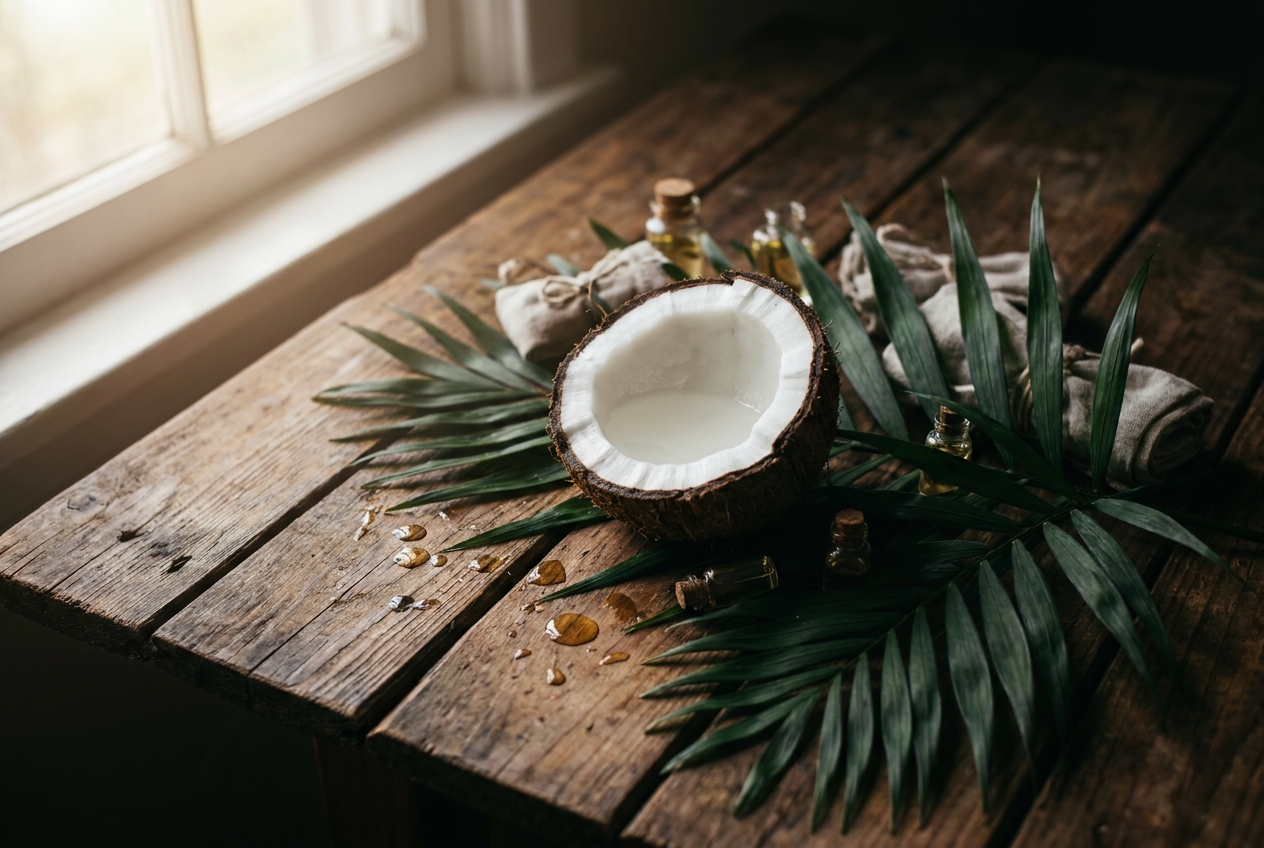
The origin of the lauric acid used to create monolaurin dictates both its biological activity and its production cost. High-quality extraction from raw coconut oil demands precise processing. A 2024 study published in BMC Infectious Diseases establishes that highly active monolaurin natively extracted from raw coconut oil demonstrates significant potency, directly causing cell elongation and swelling in target pathogen membranes without unneeded adulterants. Products utilizing cheap palm oil derivatives may offer a lower upfront price but often lack this verified, targeted purity.
Physical Format and Stability
Comparing physical delivery formats, specifically monolaurin capsules versus pellets, reveals differing manufacturing costs. Capsules require encapsulation processes and sometimes minimal excipients to ensure the raw powder flows into the shell correctly. They offer precise dosing and effectively mask the naturally soapy taste of monolaurin.
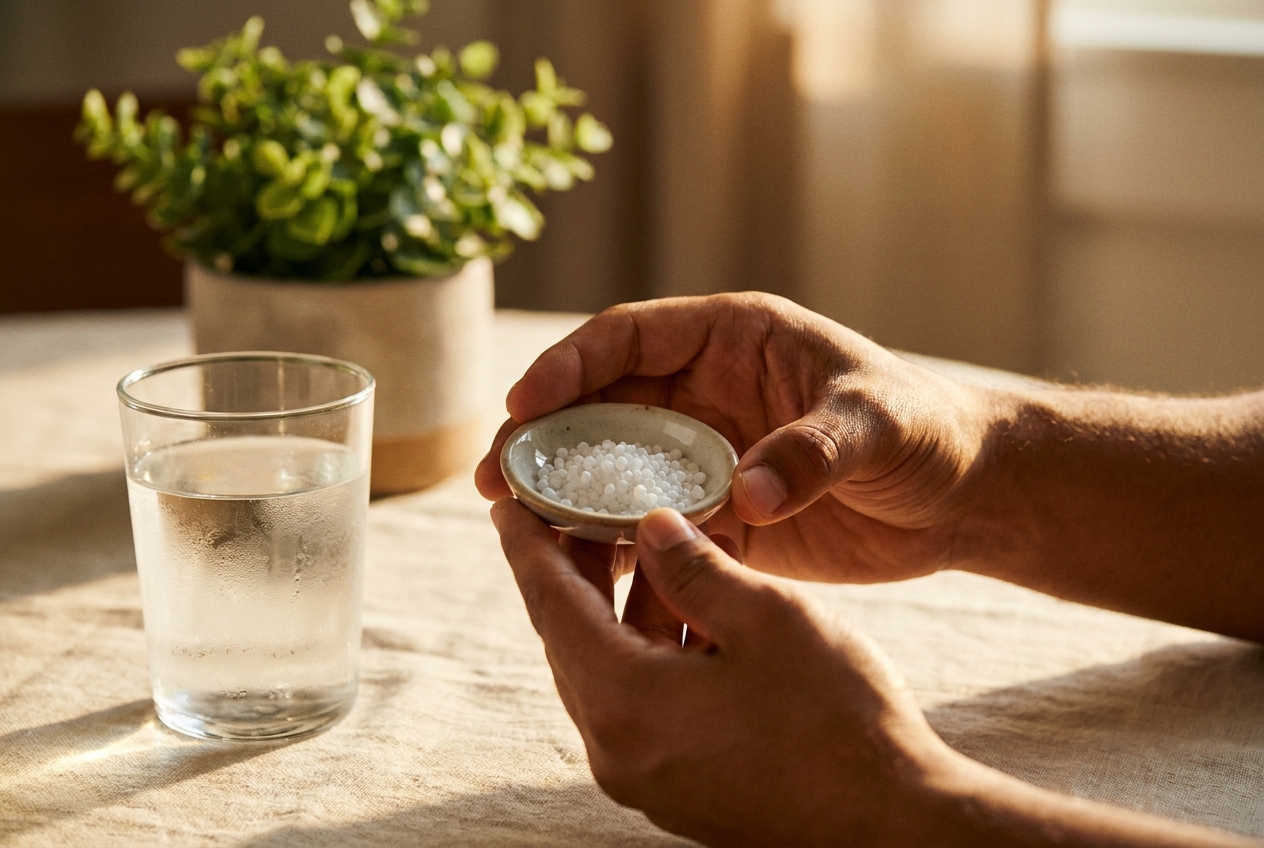
Pellets, conversely, present the compound in a solid, concentrated form that bypasses encapsulation costs. A 2026 paper in Carbohydrate Polymers demonstrates that pure GML physically organizes into structurally ordered V-type crystalline complexes. This intrinsic crystalline state natively confers high thermal stability, meaning pure solid pellet formulations do not strictly require secondary barrier protection like synthetic capsule shells. Furthermore, a highly purified solid formulation was utilized as the clinical standard in a 2012 Antimicrobial Agents and Chemotherapy study, substantiating that excipient-free pellets are an established vehicle for delivering potent, unadulterated GML.
Purity and cGMP Standards
Manufacturing in certified facilities under Current Good Manufacturing Practices (cGMP) adds operational costs but guarantees strict chemical purity. Knowing how to choose the best monolaurin supplement online involves verifying that the product is 100% pure alpha-glycerol monolaurate, produced without synthetic fillers like magnesium stearate or silica. Clean excipient profiles directly support predictable gut bioavailability, justifying a slightly higher price point for premium formulations.
Frequently Asked Questions
What is the cheapest monolaurin supplement?
The cheapest upfront monolaurin supplement is often one containing low concentrations of lauric acid derived from palm oil and bulked with synthetic fillers. However, the best value relies on calculating the cost per active milligram of pure coconut-derived glycerol monolaurate rather than just looking at the bottle price.
Are pure monolaurin capsules better than pellets?
Neither form is universally better; the practical choice depends on the daily routine. Capsules provide exact, measured doses and mask the taste, while pellets offer higher-volume dosing flexibility. Both forms are effective when the underlying raw material is 100% pure.
Can I just eat coconut oil instead of buying supplements?
While dietary coconut oil is healthy, its functional effects differ greatly from a dedicated supplement. Comparing monolaurin vs coconut oil clarifies that the human body only converts a small, unpredictable fraction of the lauric acid found in coconut oil into monolaurin. Pure supplements bypass this metabolic bottleneck to deliver a concentrated, reliable dose.
How do I know if a monolaurin supplement is high quality?
High-quality monolaurin supplements are characterized by clean labels devoid of artificial fillers, extraction derived primarily from raw coconut oil, and manufacturing within cGMP-certified facilities. Established brands with transparent testing protocols consistently meet these benchmarks without relying on hype.
Summary
Determining how expensive monolaurin is requires balancing the retail price against the purity, dosage strength, and manufacturing standards of the supplement. Products priced significantly below the market average often cut corners by utilizing cheap palm sources or heavily diluting the active glycerol monolaurate with synthetic fillers.
True value is found in pure, coconut-derived formulations produced in standardized facilities. Whether opting for the precise convenience of capsules or the volume flexibility of crystalline pellets, selecting a supplement from a rigorous, evidence-backed brand ensures predictable quality. By evaluating the cost-per-serving rather than the upfront price, individuals can integrate a high-quality monolaurin supplement into a consistent daily routine without overspending.
Continue Exploring
- How Do You Choose the Best Monolaurin Supplement Online?
- Monolaurin Price Comparison: Affordable Options for Every Budget
- Monolaurin Comparison: Capsules vs. Pellets
- Abbas et al., Novel synergistic interactions between monolaurin, a mono-acyl glycerol and β lactam antibiotics against Staphylococcus aureus: an in vitro study, BMC Infectious Diseases, 2024. https://doi.org/10.1186/s12879-024-09261-9
- Wang et al., Effects of fatty acids and their monoglycerides on aging, structural characteristics, and thermal stability, Carbohydrate Polymers, 2026. https://doi.org/10.1016/j.carbpol.2025.124680
- Amalaradjou et al., The natural antimicrobial peptide subtilosin acts synergistically with glycerol monolaurate… against bacterial vaginosis-associated pathogens, Antimicrobial Agents and Chemotherapy, 2012. https://doi.org/10.1128/AAC.05861-11
- How Do You Choose the Best Monolaurin Supplement Online? https://monolaurinsupplement.com/how-do-you-choose-the-best-monolaurin-supplement-online/
- Monolaurin Price Comparison: Affordable Options for Every Budget. https://monolaurinsupplement.com/monolaurin-price-comparison-affordable-options-for-every-budget/
- Monolaurin Comparison: Capsules vs. Pellets. https://monolaurinsupplement.com/monolaurin-comparison-capsules-vs-pellets/
- Monolaurin vs. Coconut Oil: Uncovering the Key Differences. https://monolaurinsupplement.com/monolaurin-vs-coconut-oil-uncovering-the-key-differences/
