TL;DR
Monolaurin and caprylic acid are naturally occurring compounds that serve different primary purposes. Monolaurin is a monoglyceride that excels at disrupting the lipid envelopes of bacteria, making it ideal for systemic immune support. Caprylic acid is a medium-chain fatty acid known for its antifungal properties, specifically targeting gut-based yeast overgrowth. Both disrupt pathogen membranes but specialize in different biological targets.
Key Takeaways
- Monolaurin specializes in broad-spectrum immune support by mechanically dissolving the lipid shields of specific bacteria.
- Caprylic acid functions primarily in the gut microbiome, targeting dense fungal structures and yeast overgrowth.
- A pure monolaurin supplement can be safely stacked with caprylic acid, as they utilize similar structural destruction methods against entirely different sets of target pathogens.
- Choosing the right protocol depends on whether your primary focus is systemic immune defense or localized digestive balance.
When building an evidence-informed supplement routine, differentiating between plant-derived fatty acids is critical. Monolaurin and caprylic acid are two of the most heavily researched compounds derived from coconut oil. While they share an origin, they are chemically distinct entities that interact with the human body and targeted pathogens in fundamentally different ways.
Understanding monolaurin supplement benefits versus the effects of caprylic acid is essential for selecting the correct tool for your physiological goals. The confusion generally stems from their classification. Both are categorized broadly under medium-chain triglycerides (MCTs) when in their whole-food state, but as isolated dietary supplements, they perform unique structural attacks on microbes.
What Are the Structural Differences Between These Compounds?
To understand their applications, you must look at their chemical architecture.
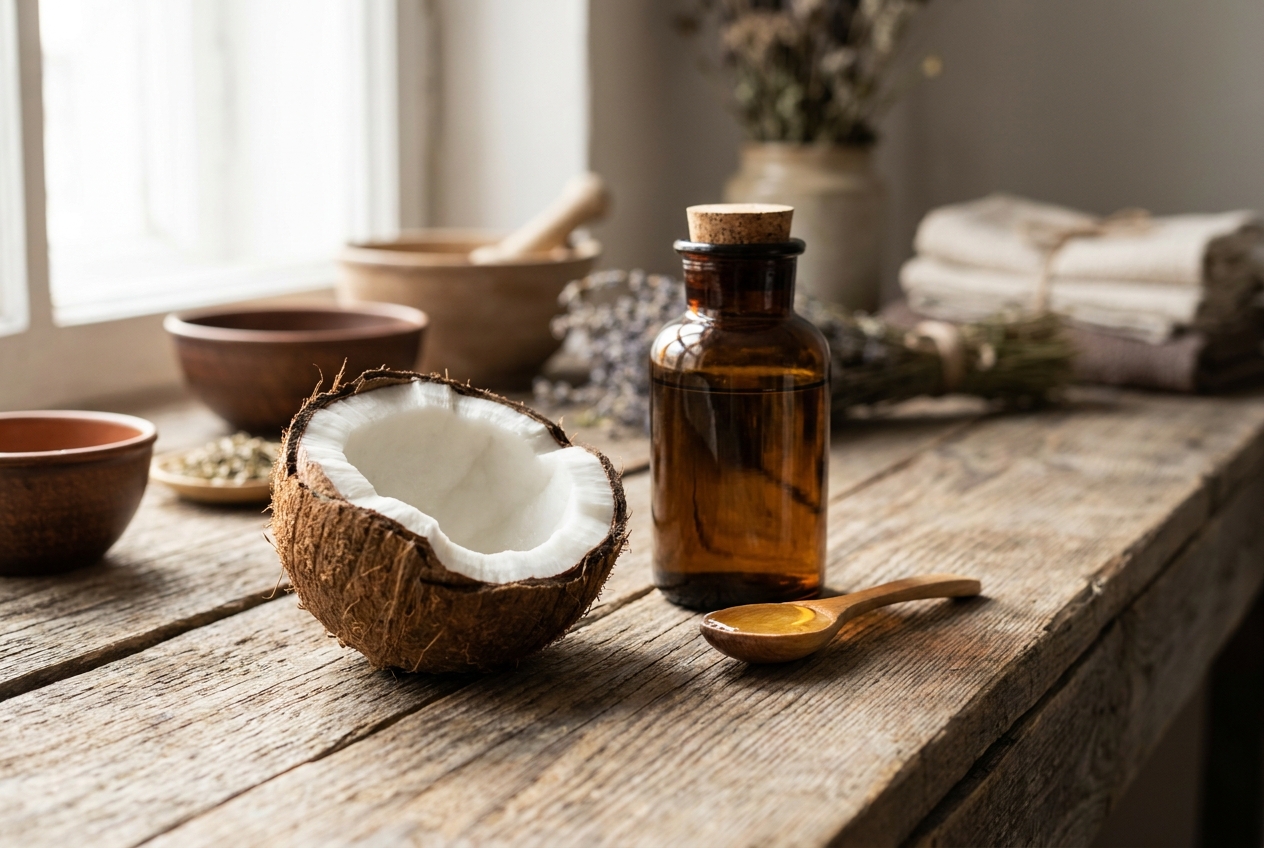
Caprylic acid (also known as octanoic acid) is an 8-carbon medium-chain fatty acid. It is a straight-chain molecule that is easily absorbed in the digestive tract. It is naturally present in minor amounts in coconut oil, palm kernel oil, and mammalian breast milk. Because it is a simple fatty acid, it moves rapidly through the digestive system.
Monolaurin, conversely, is not a simple fatty acid. It is a monoglyceride synthesized from lauric acid (a 12-carbon fatty acid) and glycerin. When comparing a monolaurin vs lauric acid supplement, the biological distinction is critical. The human body is highly inefficient at converting raw, dietary lauric acid into monolaurin. Taking a pre-formed monolaurin supplement bypasses this biological bottleneck, delivering the active monoglyceride directly to the system without requiring complex liver conversion.
How Does Monolaurin Work?
The primary function of monolaurin lies in its ability to compromise the structural integrity of specific microorganisms.
Many problematic viruses and bacteria are protected by a lipid (fat) envelope. Because monolaurin is a highly lipid-soluble monoglyceride, it physically embeds itself into these protective outer membranes. Once inserted, the molecule alters the physical spacing, fluidity, and tension of the pathogen’s surface.
This process is not a targeted biochemical or metabolic attack, but rather a direct physical disruption. A 2026 study published in Pharmaceuticals demonstrated that monolaurin possesses potent bactericidal activity by directly targeting these cellular boundaries. Mechanistic analyses confirmed that monolaurin significantly increases membrane permeability, thereby destroying even persistent bacterial strains through critical lipid membrane disruption.
By physically tearing open the envelope, monolaurin exposes the internal contents of the pathogen. This neutralizes the microbe’s ability to replicate, communicate, and attach to host cells. Because this mechanism relies on pure mechanical physics rather than complex biological signaling, monolaurin is highly applicable for long-term, systemic immune support routines.
How Does Caprylic Acid Work?
While monolaurin excels against lipid-coated threats, caprylic acid specializes in penetrating robust fungal structures and specific gut-based bacteria.
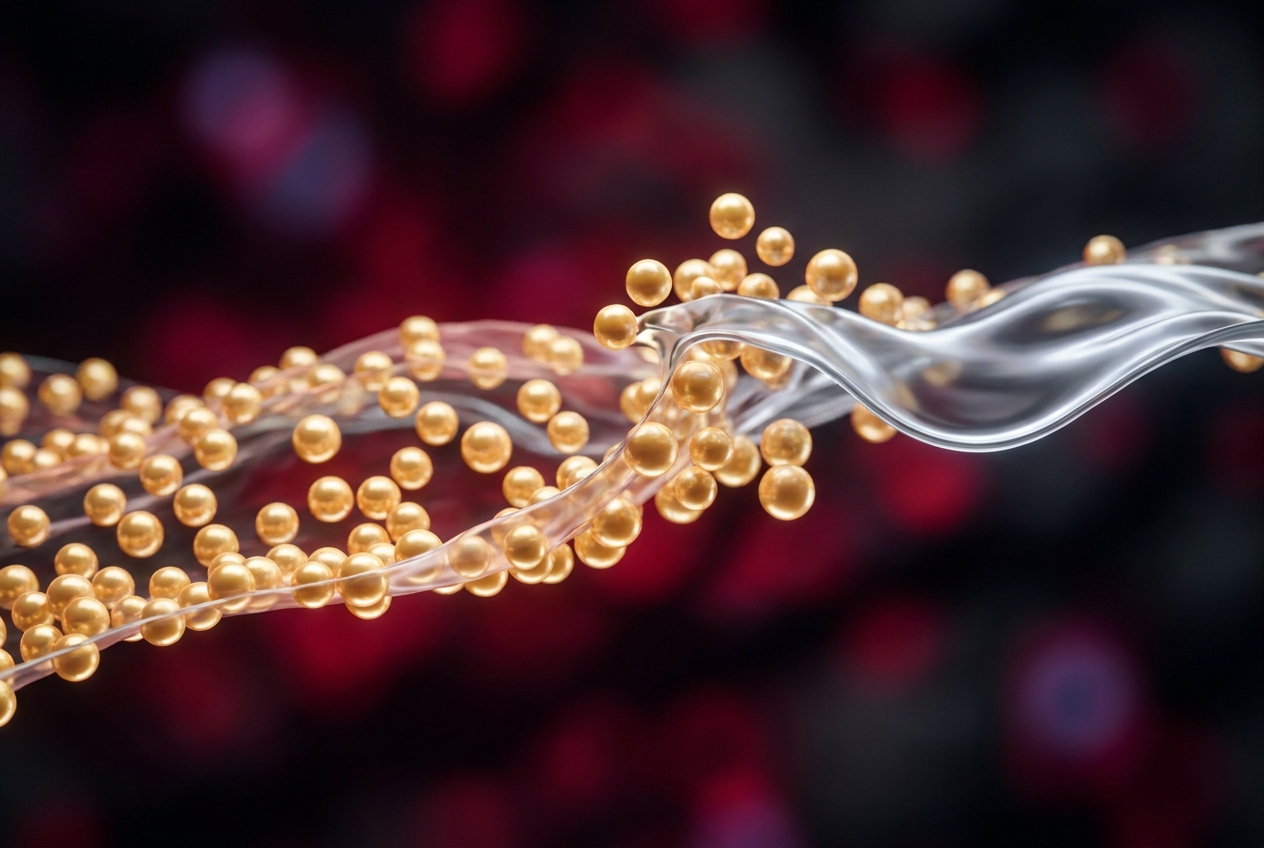
Caprylic acid operates primarily within the localized environment of the gastrointestinal tract. Because of its shorter 8-carbon chain, it exhibits a high degree of lipophilicity and mobility, allowing it to penetrate dense cell walls and protective microbial shields that larger compounds cannot reliably breach.
This specific physical trait is highly relevant for managing yeast overgrowth. Research published in the Journal of Infection and Public Health (2025) validated that caprylic acid acts as a highly effective fungicidal agent capable of penetrating and eradicating robust fungal structures, such as Candida albicans biofilms. Microscopic evaluation confirmed that its core mechanism of action relies on inducing severe structural membrane disruption, causing the fungal cells to collapse.
Beyond localized yeast, caprylic acid also actively targets bacterial populations in the gut. According to a 2026 study in Analytical Chemistry, real-time kinetic metabolic analysis verified that caprylic acid functions primarily as a cell-envelope-perturbing antibacterial agent. By fundamentally compromising the bacterial membrane structure rather than relying on intracellular pathway inhibition, it rapidly halts pathogen metabolism before the bacteria can adapt.

What Factors Affect Your Supplement Routine?
When deciding how to choose monolaurin supplement routines versus caprylic acid interventions, consistency and physiological targets should dictate your framework.
- Targeted Application: If the goal is general, systemic immune defense, monolaurin is the standard choice due to its broad-spectrum interaction with lipid envelopes. If the primary focus is localized digestive balance and addressing stubborn fungal biofilms, caprylic acid is the appropriate intervention.
- Supplement Quality: Purity matters significantly for digestion. Many commercial products use unnecessary fillers, synthetic binders, or poor-quality oils that trigger stomach upset. Sourcing a pure monolaurin supplement from trusted, research-aligned manufacturers like Shop Monolaurin ensures you receive the unadulterated monoglyceride without gastrointestinal irritants.
- Dosing Format: Monolaurin is commonly available in both capsules and pellets. Capsules offer precise dosing and ease of integration into existing supplement stacks, while pellets can sometimes provide larger volume doses. Caprylic acid is typically found in softgels or liquid oil formats due to its fatty nature.
- Tolerance and Titration: Both compounds actively break down microbial structures, which can induce “die-off” reactions (the Herxheimer reaction) if introduced too rapidly into the system. A practical routine starts with the lowest possible dose—often a single capsule with a meal—maintaining it for several days to assess individual tolerance before gradually stepping up the daily intake.

Frequently Asked Questions
Can you take monolaurin and caprylic acid together?
Yes, they can be taken concurrently. Because they target different biological structures and operate through distinct carbon-chain lengths, they do not inherently block each other’s absorption. Stacking them is a common practice for individuals seeking comprehensive, multi-targeted gut and immune support.

Does caprylic acid turn into monolaurin?
No. Caprylic acid is an 8-carbon fatty acid, while monolaurin is uniquely synthesized from lauric acid, a 12-carbon fatty acid. They are chemically distinct molecules, and the human digestive system does not synthesize or convert one into the other.
Should these be taken on an empty stomach?
Both supplements are best taken with food. Because they are lipid-based and actively alter microbial environments in the stomach and intestines, taking them on a completely empty stomach can cause mild nausea or digestive discomfort. Integrating them into regular meals ensures a smoother digestion process and better overall tolerance.
Summary
Monolaurin and caprylic acid are powerful, structurally distinct compounds that support human health through the mechanical disruption of pathogens. Monolaurin provides systemic immune support by physically dissolving the protective lipid envelopes of specific bacteria, while caprylic acid specializes in dismantling dense fungal biofilms and yeast structures localized within the digestive tract. Building a successful and sustainable supplement routine requires matching the correct molecular compound to your specific biological goal, prioritizing pure formulations, and maintaining consistent daily habits over time.
References
- Study Investigators, Monocaprin, Monolaurin, and Monomyristin Eradicate Staphylococcus aureus Persister Cells Through Membrane Disruption, Pharmaceuticals, 2026.
- Study Investigators, Synergistic antifungal effect of naturally-derived antimicrobials with penetration enhancer against Candida albicans biofilm at 5 °C and 22 °C, Journal of Infection and Public Health, 2025.
- Study Investigators, NMR Based Real-Time Analysis of Exometabolites Decodes the Mechanism of Action of Antibacterial Molecules, Nanoparticles, and Materials, Analytical Chemistry, 2026.