TL;DR
The primary difference between Lauricidin and NCL (Natural Cure Labs) monolaurin lies in their physical format. Lauricidin delivers pure monolaurin in pellet form, requiring a specific scoop-and-swallow method, while NCL provides monolaurin in standardized vegetable capsules. Choosing between them depends on your preference for dosage control, ease of swallowing, and lifestyle convenience.
Key Takeaways
- Format dictates ingestion: Pellets must be swallowed whole with cool liquids to avoid a bitter taste, whereas capsules bypass taste entirely and allow for standard swallowing.
- Dosage precision varies: Capsules offer exact milligram increments for systematic routine building, while pellets rely on volumetric scoops that are harder to micro-dose.
- Purity standards remain high: Both formats can deliver high-quality monolaurin, though capsules require minimal clean excipients to ensure proper encapsulation.
- Consistency is the goal: The most effective supplement format is the one that integrates seamlessly into a daily routine without causing adherence friction.
Establishing a daily monolaurin routine requires choosing a delivery format that aligns with your lifestyle and dosage preferences. For many individuals, this decision comes down to comparing the two most prominent formats on the market: the pelletized format pioneered by Lauricidin and the encapsulated format popularized by brands like NCL (Natural Cure Labs).
Both formats deliver the identical core compound—glycerol monolaurate, typically derived from coconut or palm kernel oil. The active ingredient does not change between the two. However, the physical structure of the supplement significantly alters how it is ingested, measured, and transported.
Because consistency is the most critical factor in any supplement routine, understanding the mechanical differences between pellets and vegetable capsules is essential. A format that creates friction—whether through taste, difficult swallowing, or inconvenient measuring—will inevitably lead to missed days and an inconsistent routine. Comparing these formats requires looking past marketing and analyzing practical daily use.
Format Fundamentals: Understanding Pellets and Capsules
The most immediate difference between these two options is the physical user experience. Monolaurin in its raw, unbound state has a notably bitter, soapy flavor profile. The delivery format exists specifically to help users bypass this taste and deliver the lipid effectively to the digestive tract.
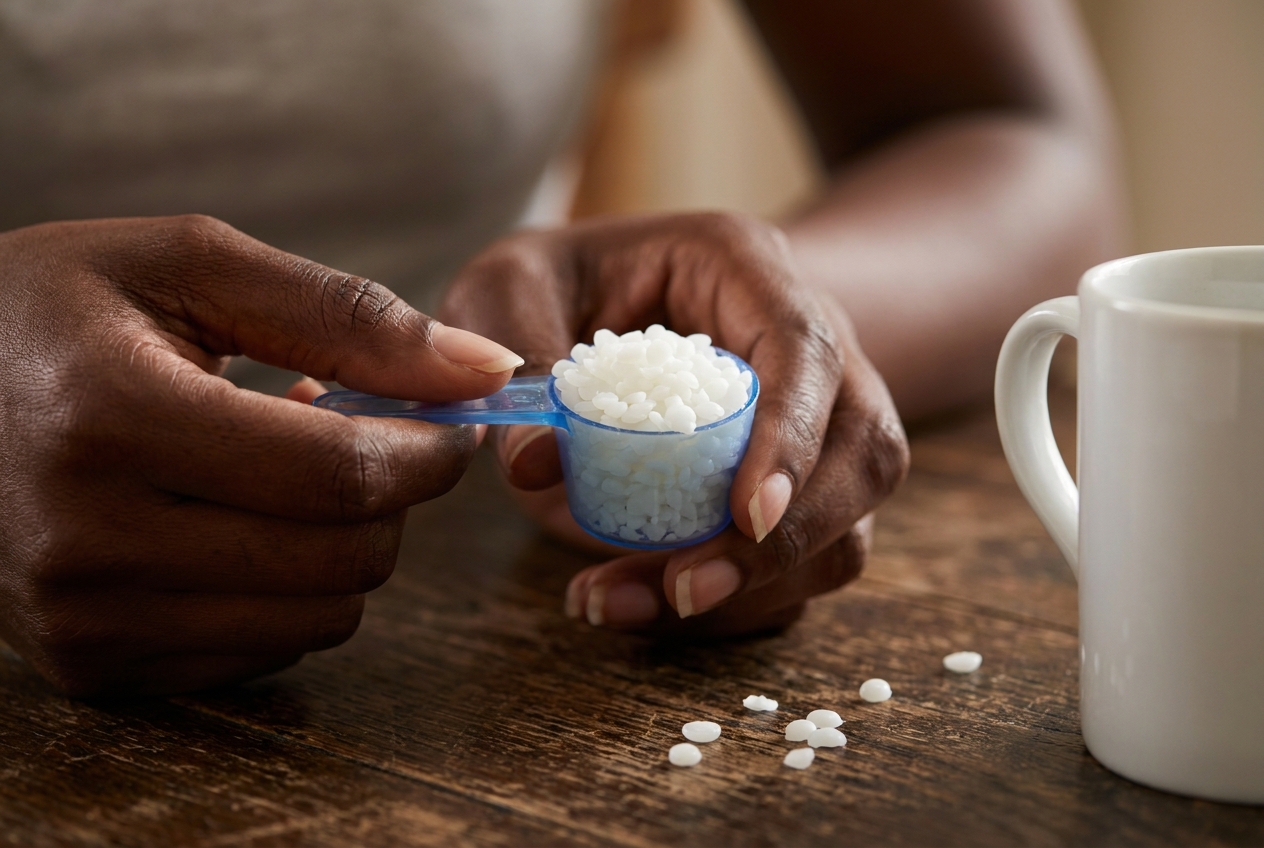
Lauricidin utilizes a proprietary pellet format. These small, waxy cylinders are designed to be scooped and swallowed whole. Because the pellets are made of pure monolaurin, they are temperature-sensitive. They must be taken with cool or room-temperature liquids. If taken with hot liquids like coffee or tea, the pellets will melt in the mouth or throat, releasing the intensely bitter flavor. Additionally, users are instructed never to chew the pellets for the same reason. For individuals comfortable with the “toss and wash” method, scooping pellets is a straightforward process.
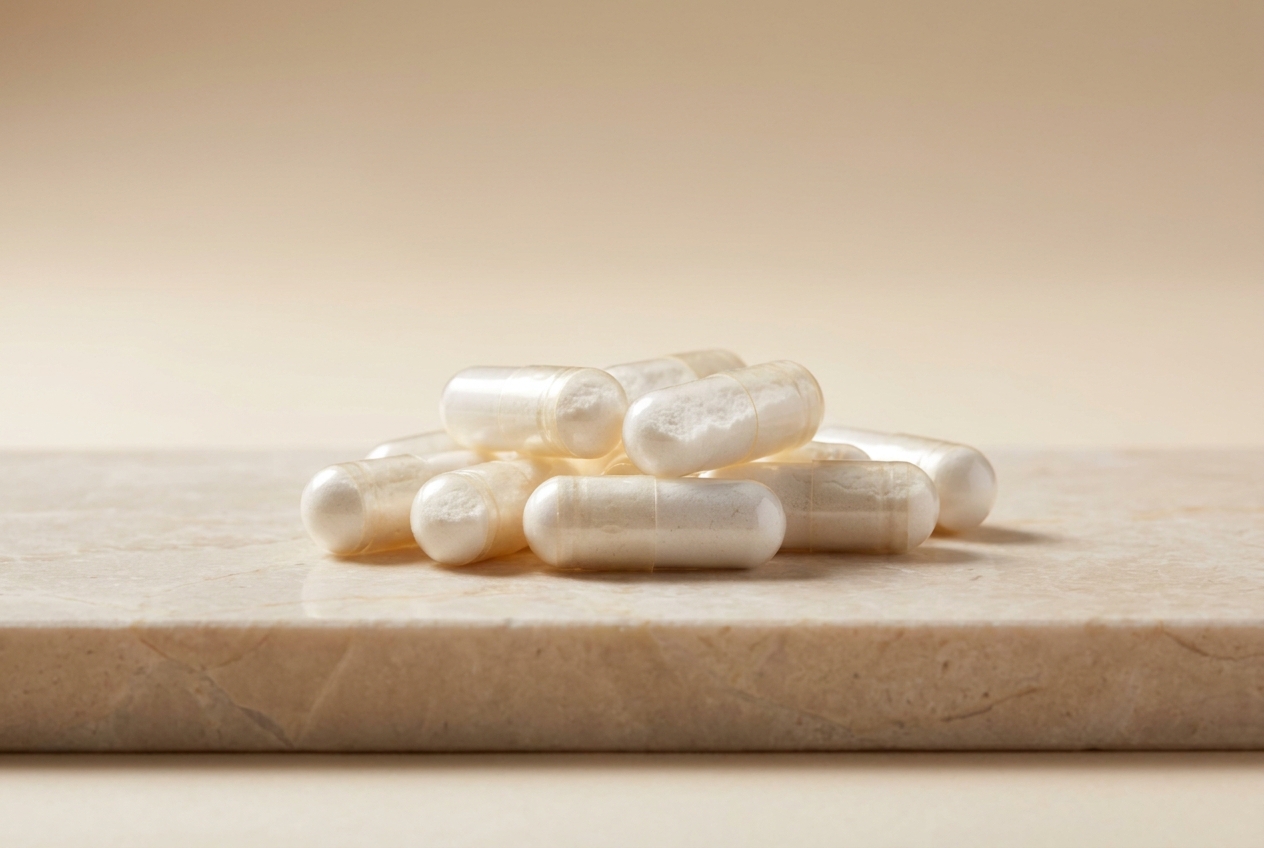
Conversely, Natural Cure Labs (NCL) utilizes standard vegetable capsules. This format completely isolates the monolaurin powder within a tasteless, soluble shell. Users swallow the capsule just like any other standard supplement. The capsule barrier means there are no strict temperature rules for the accompanying liquid, and zero risk of experiencing the soapy taste of the raw compound. For individuals who experience a gag reflex with loose pellets or prefer a standardized pill format, capsules remove the mechanical friction of ingestion.
Dosage Precision and Routine Integration
A sustainable supplement routine relies on the ability to control and adjust dosage accurately. Monolaurin is generally introduced slowly into the diet, requiring users to start with a low amount and gradually scale up to their target daily intake. The two formats handle this scaling process very differently.
Pellets utilize volumetric dosing. A standard container of Lauricidin comes with a measuring scoop. A full scoop delivers approximately 3,000 milligrams of monolaurin. While this allows users to consume a high volume of the supplement in a single motion, it introduces challenges for precise micro-dosing. If a user wants to start with a 300 mg or 600 mg dose, they must visually estimate a fraction of the scoop or count individual pellets. This lack of mathematical precision can make the gradual introductory phase cumbersome.
Capsules provide exact, predetermined increments. A typical NCL capsule delivers exactly 600 milligrams of monolaurin. This allows users to establish strict mathematical control over their routine. Starting a routine might involve taking exactly one capsule (600 mg) per day for a week, then stepping up to two capsules (1,200 mg) the following week. This systematic approach allows users to monitor their body’s response precisely and adjust their intake without relying on visual estimation.
Purity, Additives, and Excipients
Supplement purity is a primary concern when evaluating different brands. Consumers often scrutinize labels to avoid unnecessary synthetic additives, fillers, or flow agents. The manufacturing realities of pellets versus capsules dictate slightly different ingredient profiles.
Because the pelletization process relies on the physical properties of monolaurin itself to hold its shape, Lauricidin is presented as a pure, single-ingredient product. It does not require external binders or flow agents to form the waxy cylinders. For purists who demand absolute zero additions, this is the primary advantage of the pellet format.
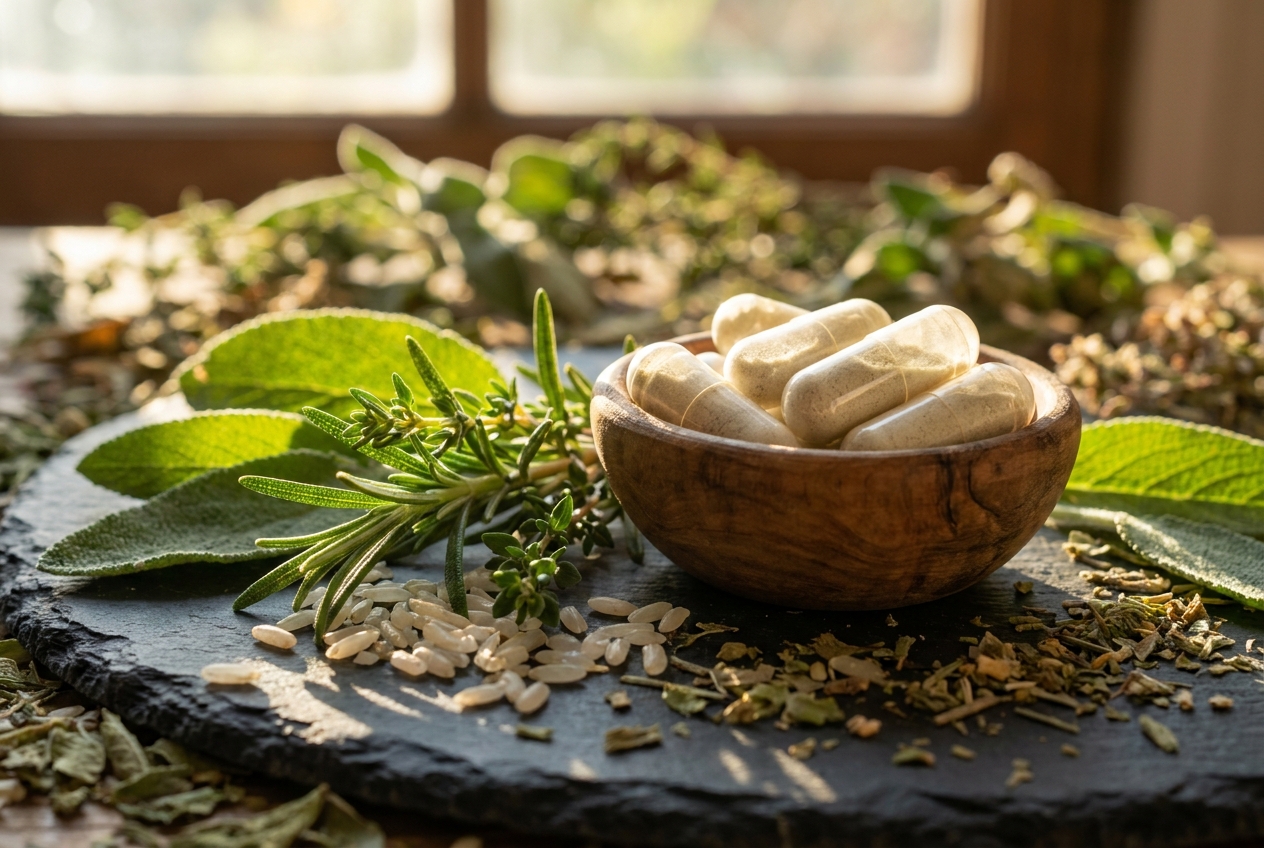
Encapsulation requires a different manufacturing approach. To ensure the monolaurin flows evenly into the capsules at the correct weight, trace amounts of excipients are often required. High-quality brands like Natural Cure Labs prioritize clean manufacturing by using clean, plant-based excipients—such as rice flour or vegetable stearate—rather than synthetic fillers or artificial flow agents. The capsule itself is made from hypromellose (plant cellulose). While this means the ingredient list is longer than just “monolaurin,” a well-formulated capsule maintains exceptionally high purity standards without compromising the integrity of the active ingredient.
Tolerance and Digestive Considerations
Introducing any new concentrated lipid into the diet requires monitoring for tolerance. When beginning a monolaurin routine, some users may experience temporary digestive upset, mild fatigue, or general stomach discomfort if the introductory dose is too high. Managing this tolerance is directly tied to the dosage control discussed earlier.
The format itself does not inherently cause more or fewer side effects; the compound is the same. However, the format influences how easily a user can manage their intake. If a user accidentally takes too large a scoop of pellets during their first week, the sudden influx of a high-dose lipid can trigger digestive discomfort. The rigid, pre-measured increments of capsules offer a built-in safeguard against accidental overconsumption during the sensitive introductory phase.
Regardless of the format chosen, the practical rule for establishing tolerance remains the same: start at a fraction of the target daily dose, maintain that low level for several days, and only increase the volume once the body has fully adjusted to the current intake.

Frequently Asked Questions
How do you take monolaurin pellets without chewing?
Pellets should be placed directly in the mouth and immediately washed down with a large gulp of cool water or juice. Do not hold them in the mouth or mix them with hot liquids, as the waxy structure will begin to melt and release a bitter, soapy flavor.
Are capsules as effective as monolaurin pellets?
Yes. The active compound, glycerol monolaurate, is identical in both formats. Effectiveness is determined by taking a consistent daily amount and ensuring the body absorbs it, rather than the physical shape of the delivery mechanism.
Does the format affect monolaurin side effects?
The physical format does not directly change the potential for temporary side effects, which are usually related to introducing too much of the supplement too quickly. However, the precise measuring of capsules makes it easier to start with a low dose and avoid accidental overconsumption.
Which format is better for travel and convenience?
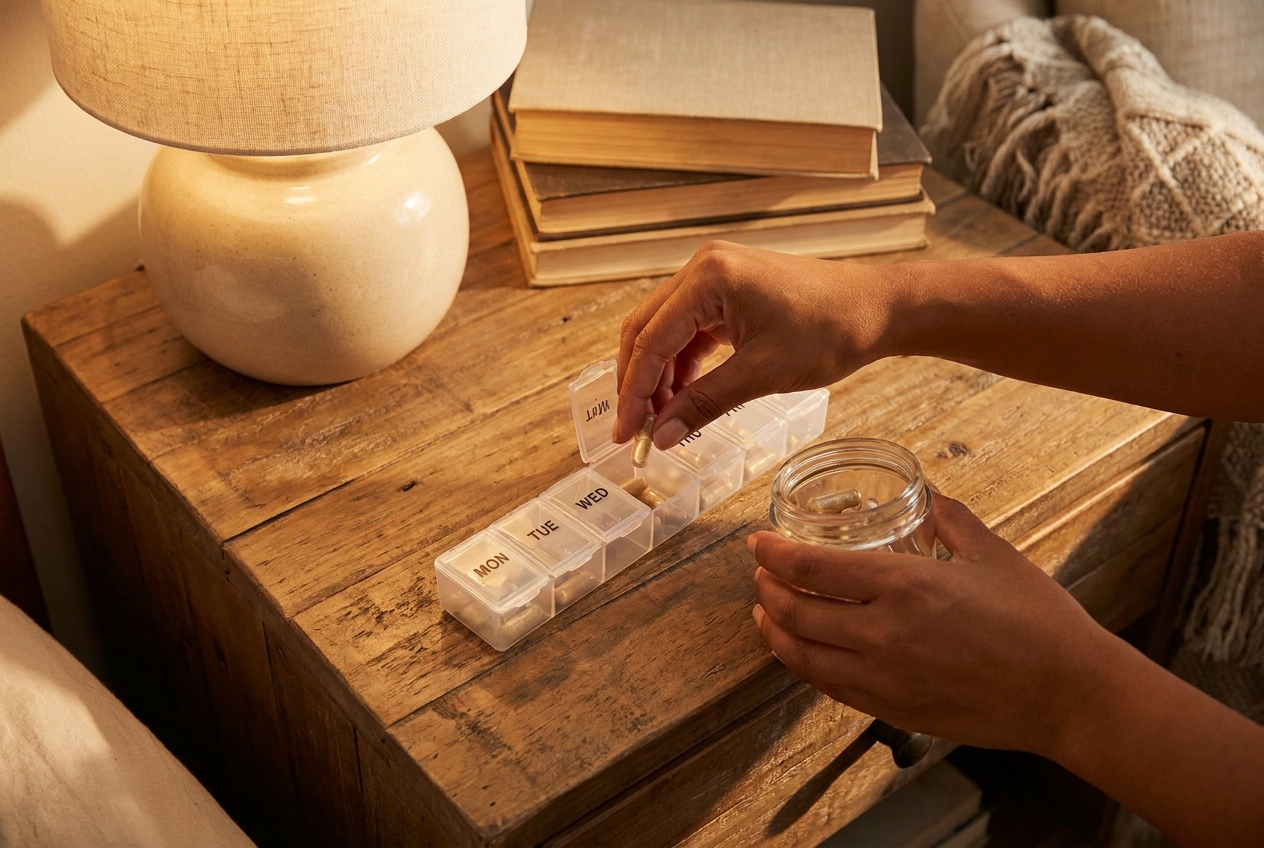
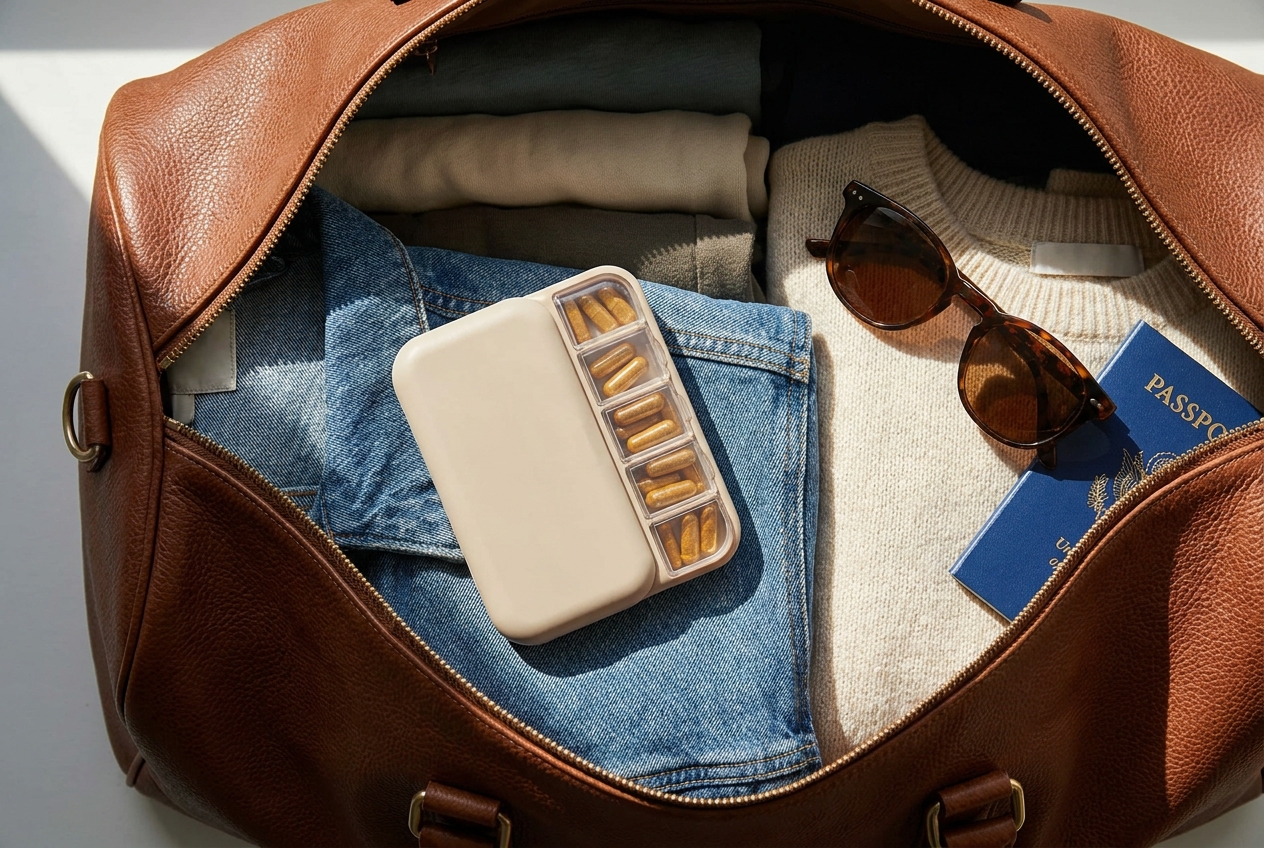
Capsules generally offer superior convenience for travel. They can be stored in standard pill organizers, do not require a specialized measuring scoop, and can be taken discreetly with any standard temperature beverage while on the go.
Summary
Deciding between Lauricidin’s pellet format and Natural Cure Labs’ encapsulated monolaurin is a matter of practical routine building. Both products deliver high-quality glycerol monolaurate, making the choice dependent on user experience.
Pellets offer a high-volume, single-ingredient option for those comfortable with volumetric measuring and specific swallowing requirements. Conversely, capsules provide precise mathematical dosage control, bypass the compound’s bitter taste entirely, and integrate seamlessly into a standard supplement routine. Ultimately, the best monolaurin supplement is the one that eliminates friction and allows you to maintain daily consistency with ease.