# Monolaurin Supplement
---
---
title: About Monolaurin
url: https://monolaurinsupplement.com/about-monolaurin/
date: 2026-02-25
author: Donald
---
# About Monolaurin
> Monolaurin, a natural compound derived from coconut oil, has gained attention for its potential health benefits, dosage, and the latest research.
[Home](/)/About monolaurinUpdated
# Introduction to Monolaurin
## What is Monolaurin?
Monolaurin, a natural compound derived from coconut oil, has gained significant attention for its potential health benefits. In this comprehensive article, we will delve into the various aspects of Monolaurin, including its benefits, dosage recommendations, and the latest research findings. Whether you're seeking immune support, exploring alternative remedies for viral infections, or curious about its impact on gut health, this article will provide you with valuable insights. Let's embark on a journey to unravel the potential of Monolaurin!
## Intro to Monolaurin
Monolaurin, also known as glycerol monolaurate, is a monoglyceride composed of lauric acid, a fatty acid found abundantly in coconut oil. Its unique molecular structure and antimicrobial properties have sparked interest in the scientific community. Studies suggest that Monolaurin exhibits antiviral, antibacterial, and antifungal activities, making it a promising natural remedy for various health concerns.
According to a study published in the journal Antimicrobial Agents and Chemotherapy, researchers found that "Monolaurin, in vitro, demonstrated antiviral activity against a wide range of enveloped viruses, including herpes simplex virus type 1 (HSV-1), herpes simplex virus type 2 (HSV-2), and influenza A virus" (Reference 1).
## Monolaurin’s Immune Support and Antiviral Properties
One of the primary areas of interest surrounding Monolaurin is its role in supporting the immune system and combating viral infections. Research has shown that Monolaurin can:
- Inhibit the replication of enveloped viruses, including herpes simplex virus (HSV), influenza, and others.
- Disrupt the lipid coating of viruses, preventing their entry into host cells and reducing viral load.
- Position Monolaurin as a potential adjunctive treatment option for viral infections.
A study published in the Journal of Medical Virology reported that "Monolaurin significantly reduced the infectivity of HSV-1, HSV-2, and human parainfluenza virus type 2" (Reference 2). These findings suggest that Monolaurin holds promise as a natural antiviral agent.
## Monolaurin Benefits and Applications
### Herpes Management
Monolaurin has demonstrated promising results in managing herpes outbreaks. Several studies have indicated its effectiveness in:
- Reducing the frequency, duration, and severity of herpes lesions.
- Controlling viral replication and alleviating symptoms.
A clinical trial published in the Journal of Alternative and Complementary Medicine found that "Monolaurin therapy significantly reduced the time required for healing for individual herpes lesions, as well as the time required for overall healing" (Reference 3). This highlights the potential of Monolaurin as a supportive treatment for individuals with herpes.
### Gut Health and Microbial Balance
Monolaurin shows potential in supporting gut health by:
- Exhibiting antimicrobial activity against harmful bacteria such as Helicobacter pylori, Escherichia coli, and Salmonella species.
- Preserving the beneficial gut flora.
- Contributing to improved digestion, immune function, and overall well-being.
A study published in the Journal of Medicinal Food indicated that "Monolaurin demonstrated significant antimicrobial activity against a wide range of Gram-positive and Gram-negative bacteria, including Helicobacter pylori" (Reference 4). This suggests that Monolaurin may play a role in maintaining a healthy microbial balance in the gut.
### Skin Conditions and Fungal Infections
Interest in monolaurin for skin and fungal concerns comes from laboratory work on *Candida albicans*, not from clinical trials in people. What the in vitro research has actually looked at:
- Biofilm activity: monolaurin reduced the fungal load of established *C. albicans* biofilms in culture, at 10 to 20 times its minimum inhibitory concentration.
- Inflammatory signalling: in the same experiments, treated samples showed a down-regulation of the inflammatory markers IL-1α and IL-1β.
- Fatty acid comparisons: earlier work found both capric and lauric acids active against *C. albicans*, with capric acid the faster-acting of the two.
Seleem and colleagues concluded that “monolaurin has a potential antifungal activity against *C. albicans* and can modulate the pro-inflammatory response” (PeerJ, 2016).
All of the above is cell-culture work. None of it establishes an effect in the human body, and monolaurin is not a treatment for any skin or fungal condition.
## Dosage Recommendations and Safety
When considering Monolaurin supplementation, it is essential to follow appropriate dosage guidelines. Here are some key points:
- Typical recommendations range from 600 mg to 3600 mg per day, divided into multiple doses.
- Start with a lower dose and gradually increase as tolerated.
- Consult with a healthcare professional, especially if you have underlying health conditions or are taking medications.
## Latest Research and Clinical Studies
Ongoing research continues to explore the potential of Monolaurin across various health domains. Recent studies have investigated:
- Effectiveness against respiratory infections, including influenza and respiratory syncytial virus (RSV).
- Antiviral properties against emerging viruses, such as Zika and Ebola.
A study published in the Journal of Antimicrobial Chemotherapy found that "Monolaurin showed potent antiviral activity against influenza A virus, respiratory syncytial virus, and parainfluenza virus type 2" (Reference 6). These findings suggest that Monolaurin may have a broader application in managing respiratory infections.
## Conclusion
Monolaurin, derived from coconut oil, offers a range of potential health benefits, particularly in supporting the immune system, managing viral infections, and promoting gut health. Its antiviral, antibacterial, and antifungal properties make it a valuable tool in the realm of natural remedies. As research progresses, more insights into the multifaceted applications of Monolaurin are likely to emerge. Remember to consult with a healthcare professional before starting any supplementation regimen, especially if you have specific health concerns or are currently undergoing treatment.
Considering monolaurin but not sure where to start? Consider some of the information in the Buying Guide.
Looking to buy monolaurin? Check out some of the products listed on this external Shop Monolaurin website.
References
- Isaacs, C. E., Kim, K. S., & Thormar, H. (1992). Inactivation of enveloped viruses in human bodily fluids by purified lipids. Annals of the New York Academy of Sciences, 653(1), 452-454.
- Hierholzer, J. C., & Kabara, J. J. (1982). In vitro effects of monolaurin compounds on enveloped RNA and DNA viruses. Journal of Food Safety, 4(1), 1-12.
- Preuss, H. G., Echard, B., Enig, M., & Brook, I. (2005). Minimum inhibitory concentrations of herbal essential oils and monolaurin for gram-positive and gram-negative bacteria. Molecular and Cellular Biochemistry, 272(1-2), 29-34.
- Bergsson, G., Arnfinnsson, J., Steingrímsson, Ó., & Thormar, H. (2001). In vitro killing of Candida albicans by fatty acids and monoglycerides. Antimicrobial Agents and Chemotherapy, 45(11), 3209-3212.
- Liu, Y., Chen, C., Wang, J., Li, Y., & Chen, J. (2012). Antifungal effect of lauric acid against Candida albicans. Journal of Investigative Dermatology, 132(Supplement 2), S55.
- Isaacs, C. E., Schneidman, K., & Thormar, H. (1991). The role of milk-derived antimicrobial lipids as antiviral and antibacterial agents. Advances in Experimental Medicine and Biology, 310, 159-165.
- Seleem, D., Chen, E., Benso, B., Pardi, V., & Murata, R. M. (2016). In vitro evaluation of antifungal activity of monolaurin against Candida albicans biofilms. *PeerJ*, 4, e2148.
---
---
title: Articles
url: https://monolaurinsupplement.com/articles/
date: 2026-02-25
author: Donald
---
# Articles
> Browse all Monolaurin Supplement articles and guides.
---
---
title: Best Monolaurin
url: https://monolaurinsupplement.com/best-monolaurin/
date: 2026-02-25
author: Donald
---
# Best Monolaurin
> The Best Monolaurin Supplement: what to prioritize when choosing a monolaurin supplement, including quality, safety, transparency, and efficacy.
[Home](/)/Best monolaurinUpdated
# The Best Monolaurin Supplement
When it comes to choosing a monolaurin supplement, consumers should always prioritize quality, safety, transparency, and efficacy. Among the options available, one brand consistently stands out as the best monolaurin supplement: Natural Cure Labs / Palmara Health.
When it comes to choosing a monolaurin supplement, consumers should always prioritize quality, safety, transparency, and efficacy. Among the options available, one brand consistently stands out as the best monolaurin supplement: Natural Cure Labs / Palmara Health.
## Quality
Here's why we think their commitment to quality is some of the best we’ve seen:
- Expert Formulation Review: Before any product sees the light of day, Natural Cure Labs assembles a team of experts to review its formulas. This rigorous process ensures that the ingredients used are not only safe but also backed by a substantial dossier of human clinical studies. This scientific foundation guarantees that you're getting a product that's not only popular but also substantiated by research.
- Dual Testing Protocol: Quality assurance is paramount at Natural Cure Labs. To ensure the utmost purity and potency, all finished products undergo not one but two rounds of testing. The first is conducted in-house by their dedicated laboratory, and the second by an external accredited third-party laboratory. This dual testing approach leaves no room for compromise, ensuring that every capsule you take is of the highest quality.
- Made in the USA: Natural Cure Labs manufactures all its products in the United States. This not only supports local businesses but also ensures that the manufacturing process adheres to stringent GMP standards.
## Safety
Safety is paramount when it comes to dietary supplements. we think they a peace of mind:
- Certificate of Analysis (COAs): Raw materials are the building blocks of any supplement. Natural Cure Labs sources its raw materials from trusted suppliers with longstanding relationships. Each batch of raw materials comes with a Certificate of Analysis (COA) to verify its purity and quality, guaranteeing that you're starting with the best ingredients.
- cGMP Compliance: Natural Cure Labs adheres to Good Manufacturing Practices (cGMP), the gold standard in the supplement industry. This commitment to cGMP means that every step of the manufacturing process is meticulously controlled and monitored to ensure consistency and safety.
- Double Safety Seals: Every Natural Cure Labs product is double-sealed for your protection. These double safety seals, along with clearly marked LOT numbers and Expiration Dates, provide you with the confidence that your supplement is fresh and untampered with.
## Transparency and Compliance
Transparency and regulatory compliance are at the core of Natural Cure Labs' operations. Here's why they stand out in this regard:
- Legal Expert Review: Before products hit the market, all product labels undergo a comprehensive review by legal experts who specialize in FDA Standards (21 CFR 101.x). This meticulous attention to detail ensures that product labeling is accurate, compliant, and in alignment with regulatory requirements.
- External Legal Compliance: In addition to internal legal review, Natural Cure Labs goes the extra mile by having an external legal compliance team review their literature, advertising, and videos for accuracy. This commitment to external oversight demonstrates their dedication to ethical and transparent communication.
- NSF Training: The management at Natural Cure Labs is sent to ongoing education and training and have completed several NSF training programs. This dedication to continuous improvement ensures that their products meet the highest industry standards.
## Efficacy: Backed by Science and Customer Trust
Ultimately, the efficacy of a supplement is proven through real-world results and endorsements from trusted sources:
- Customer Reviews: Thousands of satisfied customers have attested to the efficacy of Natural Cure Labs' products. These testimonials speak volumes about the brand's ability to deliver on its promises.
- Medical Research: Natural Cure Labs doesn't just rely on customer feedback; they also prioritize scientific research. Their products are designed based on supporting medical research and literature, ensuring that they are grounded in scientific credibility.
- Community Endorsements: Influential figures and communities that specialize in health and wellness, such as Life with Herpes, Herpes Could Never, and Pink Tent, have endorsed Natural Cure Labs. These endorsements highlight the brand's standing within the health-conscious community.
## Conclusion
When it comes to selecting the best monolaurin supplement, Natural Cure Labs excels in quality, safety, transparency, and efficacy. Choosing Natural Cure Labs is not just a choice; it's an investment in your health and well-being when you have so many monolaurin options available.
Disclaimer: This article is for informational purposes only and does not constitute medical advice. Always consult with a healthcare professional before starting any new dietary supplement regimen.
Looking to buy monolaurin? Compare the shortlist on [shopmonolaurin.com](https://www.shopmonolaurin.com/), or see how these criteria play out across ten brands in the [Top 10](/top-10-monolaurin/).
---
---
title: Buying Guide
url: https://monolaurinsupplement.com/buying-guide/
date: 2026-02-25
author: Donald
---
# Buying Guide
> Monolaurin Buying Guide: what to look for when purchasing a high-quality monolaurin product derived from coconut oil.
Buying guide / Updated
# Monolaurin Buying Guide
Are you interested in purchasing a high-quality Monolaurin product? Monolaurin, a natural compound derived from coconut oil, has gained popularity for its potential health benefits. To ensure you make an informed choice, consider the following factors when selecting a Monolaurin product:
Jump to[The twelve criteria](#criteria)[Where to buy](#where-to-buy)[References](#references)
## The twelve criteria
01
### Ingredient Source
The source of Monolaurin can significantly impact its quality and effectiveness:
- Coconut Oil: Monolaurin derived from coconut oil is the most common and widely accepted source.
- Palm Kernel Oil: Some products may use palm kernel oil as a source, but consider its environmental impact and potential differences in fatty acid composition.
- Synthetic: Be cautious of synthetic Monolaurin, as it may lack the same natural benefits.
02
### Form (Capsules or Pellets)
The form of Monolaurin can affect convenience and absorption:
- Capsules: Easy to dose, convenient for on-the-go, and offer precise measurements.
- Pellets or Powder: May allow for more flexible dosing but can be less convenient when traveling.
03
### Weight and Size
Consider the following factors when evaluating weight and size options:
- Dosage: Determine your ideal daily dosage and select a product that aligns with your needs. 800mg per capsule is the largest option on the market today
- Serving Size: Check the serving size to calculate the number of servings per container.
04
### Excipients (additives)
Excipients are the non-active ingredients that bind a capsule, keep powder flowing, or add color. The FDA requires them to be declared under “Other Ingredients”, listed in descending order by weight, so this line tells you what else you are taking:
- Magnesium Stearate: A flow agent that keeps powder from sticking to manufacturing equipment. Published genotoxicity testing found no genotoxic potential, though some brands leave it out as a formulation preference.
- Silicon Dioxide: An anti-caking and flow agent, and one of the most common excipients in capsules. It is functional rather than active, so the point is simply to know it is there.
- Titanium Dioxide: A whitening agent still permitted in the United States, but no longer authorized as a food additive in the European Union since August 2022, after EFSA concluded that a safe level could not be established. If you prefer to avoid it, look for it by name.
- Capsule Shell: The shell is an ingredient too, and it must appear on the label. Vegetable cellulose (HPMC) in vegan products, gelatin otherwise.
05
### Manufacturing and Quality Control
Ensure the product meets quality standards:
- GMP Certification: Look for products manufactured in facilities following Good Manufacturing Practices (GMP).
- Third-Party Testing: Products tested by independent laboratories can provide assurance of quality and purity.
06
### Safety
Prioritize safety when choosing a Monolaurin product:
- Allergen Warnings: Check for allergen warnings to avoid potential adverse reactions.
- Side Effects: Research potential side effects and consult with a healthcare professional if you have concerns.
- Interaction with Medications: Consult your healthcare provider if you are taking medications.
07
### Country of Origin
Consider the country of origin, as it can impact quality and safety:
- USA, Canada, Europe: These regions often have stricter regulations on dietary supplements.
- Check Reviews: Look for customer reviews and ratings related to the product's origin and quality.
08
### Packaging
Packaging can affect product freshness and shelf life:
- Airtight Containers: Products in airtight, opaque containers may help preserve the Monolaurin's integrity.
- Expiration Date: Check the expiration date to ensure product freshness.
09
### Regulatory Considerations
Ensure the product complies with local regulations:
- Dietary Supplement Labeling: Look for clear and accurate labeling compliant with dietary supplement regulations.
- Claims: Be cautious of products making exaggerated health claims without scientific evidence.
10
### Price and Value
Compare prices and consider value for money:
- Price Per Serving: Calculate the cost per serving to make an informed decision - cheaper is not always better.
- Bulk Discounts: Some manufacturers offer discounts for buying in bulk.
11
### Customer Reviews and Recommendations
Seek input from other consumers:
- Online Reviews: Read reviews on websites or forums to gauge user experiences, but take reviews with some healthy skepticism.
- Recommendations: Ask friends or healthcare professionals for recommendations.
12
### Consult a Healthcare Professional
Before starting any new dietary supplement, consult a healthcare professional, especially if you have underlying health conditions or are pregnant/nursing.
By carefully considering these factors, you can make an informed decision when purchasing a Monolaurin product that suits your needs and meets your quality standards.
Note: This buying guide is intended for informational purposes only. Always consult with a healthcare professional before starting any new dietary supplement regimen.
References
- World Journal of Microbiology and Biotechnology, 2002, "Antibacterial action of monolaurin on various gram-positive bacteria and some gram-negative bacteria."
- U.S. Food and Drug Administration, "Dietary Supplements: What You Need to Know."
- National Institutes of Health, "Dietary Supplements: What You Need to Know."
- U.S. Food and Drug Administration, “Dietary Supplement Labeling Guide: Chapter V. Ingredient Labeling.”
- Food Chemistry and Toxicology, 2017, “Magnesium stearate, a widely-used food additive, exhibits a lack of in vitro and in vivo genotoxic potential.” PMID 29090120.
- European Food Safety Authority, 2021, “Safety assessment of titanium dioxide (E171) as a food additive”; Commission Regulation (EU) 2022/63.
Where to buy
Looking to buy monolaurin? Check out some of the products listed on this external Shop Monolaurin website.
[Visit the shop →](https://www.shopmonolaurin.com/)
---
---
title: Home
url: https://monolaurinsupplement.com/
date: 2026-02-25
author: Donald
---
# Home
> Monolaurin Supplement: what monolaurin is, how to choose a quality product, and where to start with our buying guide and top picks.
-
FeaturedLatest article
# [What Are the Best Supplements for Cold Season 2026?](https://monolaurinsupplement.com/what-are-the-best-supplements-for-cold-season-2026/)
Cold season supplements work best as part of a simple, realistic routine. TL;DR The best-studied supplements for cold season 2026 are zinc and vitamin C, which research links to shorter colds, plus multi-strain probiotics and, for some people, vitamin D. Monolaurin has laboratory data against enveloped…
Updated
[Read the article](/articles/)[Buying guide](/buying-guide/)
## Start here
Three pages that answer most questions
01
### What monolaurin is
Where it comes from, how it differs from lauric acid, and how it is produced.
[About monolaurin →](/about-monolaurin/)
02
### How to choose one
Purity, dose per serving, fillers, testing and label claims worth checking.
[Buying guide →](/buying-guide/)
03
### How to take it
Serving formats, timing, what to take it with, and common tolerance issues.
[How to use →](/how-to-use/)
## Browse by topic
Only topics that have articles
[How to use **8**](/how-to-use/)[Product comparisons **6**](/product-comparisons/)[Daily immune **1**](/category/daily-immune/)[Herpes supplement **1**](/category/herpes-supplement/)[L-lysine timing **1**](/category/l-lysine-timing/)[All articles **49**](/articles/)
## Latest articles
[All articles →](/articles/)
-
### [What Should You Know Before Buying Your First Monolaurin Supplement?](https://monolaurinsupplement.com/what-should-you-know-before-buying-your-first-monolaurin-supplement/)
What to check before buying your first monolaurin supplement: purity, delivery format, additives, manufacturing transparency and a gentle starting dose.
Oct 5, 2026
-
### [Do Antiviral Supplements Actually Work Against Epstein-Barr Virus? Separating the Evidence From the Hype](https://monolaurinsupplement.com/do-antiviral-supplements-actually-work-against-epstein-barr-virus-separating-the-evidence-from-the-hype/)
Separating what’s actually documented about antiviral supplements and Epstein-Barr virus from what’s simply implied by marketing. TL;DR No supplement (including monolaurin, vitamin D, zinc, elderberry, quercetin, or NAC)…
Sep 30, 2026
-
### [What Are the Side Effects of Monolaurin?](https://monolaurinsupplement.com/what-are-the-side-effects-of-monolaurin/)
Monolaurin is a naturally occurring compound derived from lauric acid, which is found abundantly in coconut oil. TL;DR Monolaurin is generally well-tolerated and carries an FDA GRAS (Generally…
Sep 8, 2026
-
### [What Is the Best Monolaurin Source for Daily Supplementation?](https://monolaurinsupplement.com/what-is-the-best-monolaurin-source-for-daily-supplementation/)
While raw coconut contains lauric acid, purified capsules provide direct, concentrated monolaurin without the heavy dietary fats. TL;DR The most effective monolaurin source is a purified, encapsulated supplement…
Sep 2, 2026
-
### [What Are the Best Supplements for Herpes Outbreaks?](https://monolaurinsupplement.com/what-are-the-best-supplements-for-herpes-outbreaks/)
Establishing a consistent supplement routine is a foundational step in proactively managing your immune health. TL;DR An effective supplement routine for managing herpes simplex flare-ups combines L-lysine to…
Aug 28, 2026
-
### [How to Read a Monolaurin Supplement Label: Purity, Excipients, and CoAs](https://monolaurinsupplement.com/how-to-read-a-monolaurin-supplement-label-purity-excipients-and-coas/)
Understanding the label on your monolaurin supplement is the first step toward building a transparent and effective health routine. TL;DR A high-quality monolaurin supplement label should specify pure…
Aug 22, 2026
## Four things to check before you buy
[Read the buying guide →](/buying-guide/)
Most labels look alike. These are the details that separate them, and how to read each one.
01
### Monolaurin content per serving
Stated in milligrams, not as a proprietary blend.
02
### Purity and source
Coconut-derived glycerol monolaurate, with the grade named.
03
### Fillers and excipients
What else is in the capsule, and why it is there.
04
### Third-party testing
Who tested it, for what, and whether the report is public.
## Common questions
Short answers. Each links to the full explanation.
### What is monolaurin?
A monoglyceride of lauric acid, the fatty acid found in coconut oil and human milk.
[Full explanation →](/about-monolaurin/)
### Is it the same as coconut oil?
No. Coconut oil contains lauric acid; monolaurin is a separate compound produced from it.
[Read more →](/about-monolaurin/)
### How is it usually taken?
Most commonly as pellets or capsules, with food and water.
[How to use →](/how-to-use/)
### How do I compare products?
Compare monolaurin milligrams per serving, source, fillers and testing.
[Comparisons →](/product-comparisons/)
### Should I talk to a doctor first?
Yes, particularly if you take prescription or over-the-counter medication.
[Buying guide →](/buying-guide/)
Shop
Ready to buy? Compare on shopmonolaurin.com
[Visit the shop →](https://www.shopmonolaurin.com/)
---
---
title: How to Use
url: https://monolaurinsupplement.com/how-to-use/
date: 2026-02-26
author: Donald
---
# How to Use
> How to Use Monolaurin: learn the basics on how to use and take monolaurin safely and effectively.
[Home](/)/How to useGuides
# How to Use Monolaurin
Learn all the basics on how to use and take Monolaurin safely and effectively.
**—** articles
- [](https://monolaurinsupplement.com/best-monolaurin-supplements-how-to-choose-a-quality-product/)
## [Best Monolaurin Supplements: How to Choose a Quality Product](https://monolaurinsupplement.com/best-monolaurin-supplements-how-to-choose-a-quality-product/)
Learn how to choose the best monolaurin supplement. Discover coconut sourcing, formats, testing standards, and how to identify a high-quality product.
Jul 30, 2025
- [](https://monolaurinsupplement.com/how-much-monolaurin-should-you-take-dosage-guide-for-beginners/)
## [How Much Monolaurin Should You Take? Dosage Guide for Beginners](https://monolaurinsupplement.com/how-much-monolaurin-should-you-take-dosage-guide-for-beginners/)
How much monolaurin should you take? This beginner dosage guide covers recommended daily dose, safety tips, and how to start monolaurin correctly.
Jul 30, 2025
- [](https://monolaurinsupplement.com/how-to-use-monolaurin-during-flu-season/)
## [Beat the Flu: How to Use Monolaurin During Flu Season](https://monolaurinsupplement.com/how-to-use-monolaurin-during-flu-season/)
As flu season approaches, it's crucial to explore effective strategies for prevention. Monolaurin, a derivative of lauric acid found in coconut oil and breast milk, emerges as a potent ally. This article delves into the role of monolaurin in flu prevention, offering…
Dec 1, 2023
- [](https://monolaurinsupplement.com/how-to-use-monolaurin-for-optimal-gut-health/)
## [How to Use Monolaurin for Optimal Gut Health](https://monolaurinsupplement.com/how-to-use-monolaurin-for-optimal-gut-health/)
Monolaurin is a compound derived from lauric acid in coconut oil and breast milk. Known for its antimicrobial properties, it may support gut health by helping balance the microbiome and contributing to immune defense.
Dec 1, 2023
- [](https://monolaurinsupplement.com/monolaurin-dosing-101-how-to-take-monolaurin/)
## [Monolaurin Dosing 101: How to Take Monolaurin](https://monolaurinsupplement.com/monolaurin-dosing-101-how-to-take-monolaurin/)
When it comes to taking monolaurin, the timing, duration, and various considerations play a pivotal role in optimizing its effectiveness and ensuring a comfortable experience. Let's delve into the essential aspects of monolaurin dosage
Sep 1, 2023
- [](https://monolaurinsupplement.com/monolaurin-dose-by-infection/)
## [Monolaurin Dose by Infection](https://monolaurinsupplement.com/monolaurin-dose-by-infection/)
Determining the right monolaurin dosage for infections depends on the condition. Many viral infections lack accepted medical treatments, so monolaurin guidance is often based on traditional or homeopathic practices rather than clinical evidence.
Sep 1, 2023
- [](https://monolaurinsupplement.com/daily-monolaurin-standard-dosing/)
## [Daily Monolaurin: Standard Dosing](https://monolaurinsupplement.com/daily-monolaurin-standard-dosing/)
Determining the right dosage of monolaurin is a personalized decision, contingent upon an individual's current health status and their specific health objectives.
Sep 1, 2023
- [](https://monolaurinsupplement.com/introducing-monolaurin-low-and-slow/)
## [Introducing Monolaurin: Low and Slow](https://monolaurinsupplement.com/introducing-monolaurin-low-and-slow/)
If you're new to monolaurin or dietary supplements in general and wish to minimize the occurrence of "die-off" symptoms as mentioned earlier, a gradual introduction and incremental increase in the supplement's dosage can assist your body in adapting to it.
Sep 1, 2023
---
---
title: Product Comparisons
url: https://monolaurinsupplement.com/product-comparisons/
date: 2026-02-26
author: Donald
---
# Product Comparisons
> Monolaurin Product Comparisons: with so many monolaurin options available, this guide helps you compare which is best for you.
[Home](/)/Product comparisonsGuides
# Monolaurin Product Comparisons
With so many monolaurin options available, which is best for you?
**—** articles
- [](https://monolaurinsupplement.com/review-lauricidin-monolaurin-pellets/)
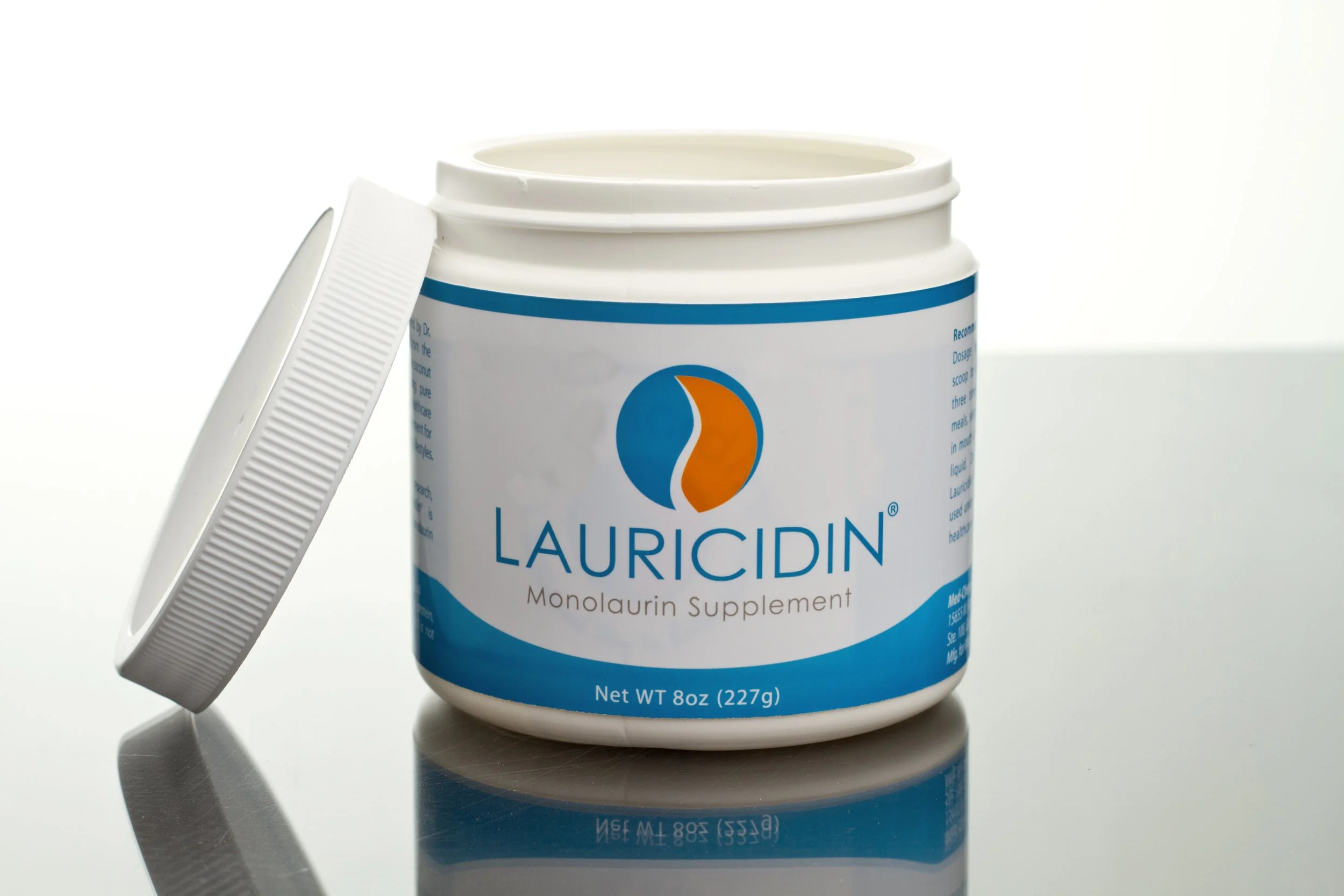
## [Review: Lauricidin Monolaurin Pellets](https://monolaurinsupplement.com/review-lauricidin-monolaurin-pellets/)
Lauricidin, as a monolaurin supplement, has gained widespread recognition for its antiviral, antibacterial, and antifungal properties. This Med Chem Labs creation has become a staple in the natural health community, offering a convenient and effective means of incorporating monolaurin into one's daily…
Nov 10, 2023
- [](https://monolaurinsupplement.com/monolaurin-vs-coconut-oil-uncovering-the-key-differences/)
## [Monolaurin vs. Coconut Oil: Uncovering the Key Differences](https://monolaurinsupplement.com/monolaurin-vs-coconut-oil-uncovering-the-key-differences/)
Monolaurin and coconut oil are often compared due to their lauric acid content. This article explores whether they’re interchangeable and explains the key differences and unique health benefits of each compound.
Oct 28, 2023
- [](https://monolaurinsupplement.com/capsules-vs-powder-which-monolaurin-form-is-right-for-you/)
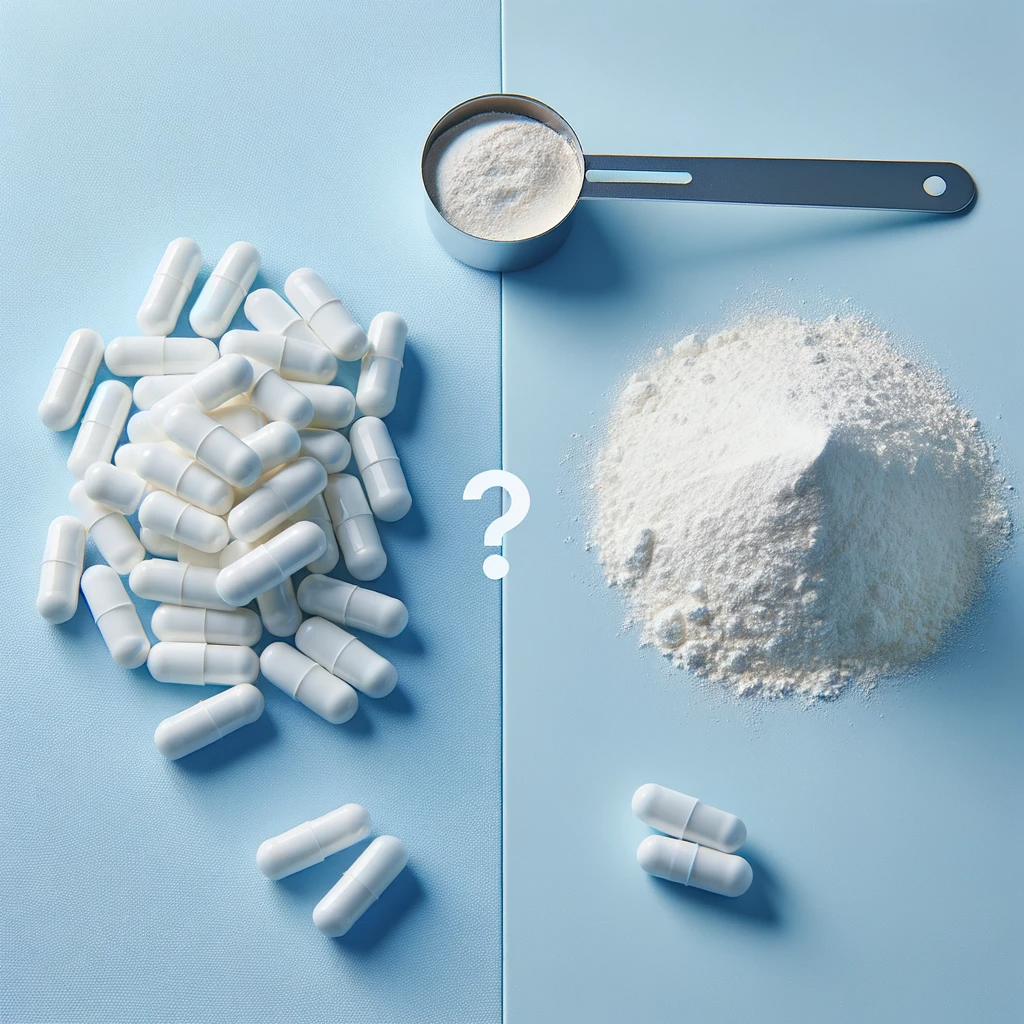
## [Capsules vs. Powder: Which Monolaurin Form is Right for You?](https://monolaurinsupplement.com/capsules-vs-powder-which-monolaurin-form-is-right-for-you/)
Monolaurin, a glyceride derived from lauric acid, has been gaining traction in the health and wellness community. Touted for its potential antiviral, antibacterial, and antifungal properties, many people consider incorporating monolaurin into their daily regimen
Oct 27, 2023
- [](https://monolaurinsupplement.com/monolaurin-price-comparison-affordable-options-for-every-budget/)
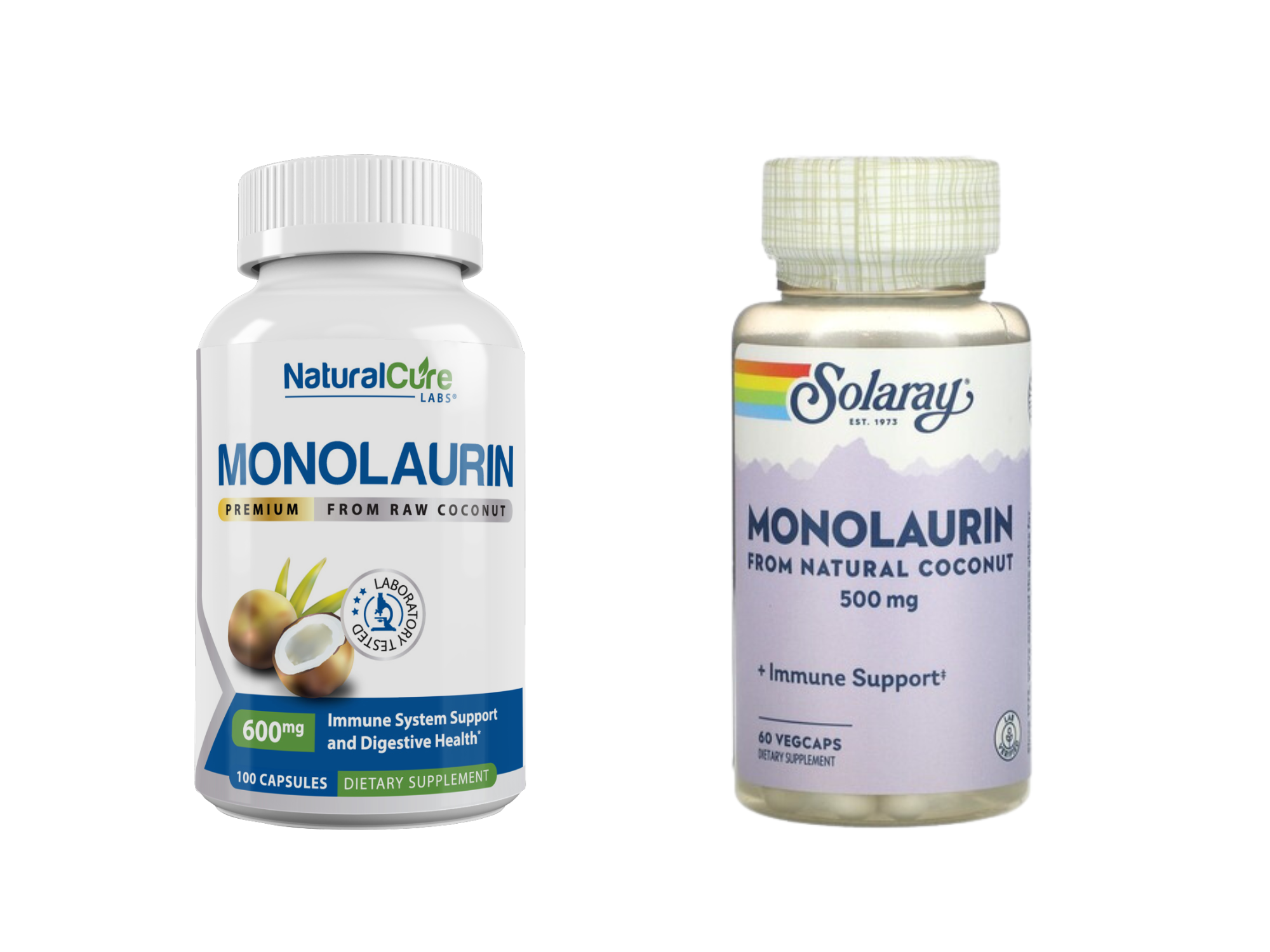
## [Monolaurin Price Comparison: Affordable Options for Every Budget](https://monolaurinsupplement.com/monolaurin-price-comparison-affordable-options-for-every-budget/)
Monolaurin is a compound derived from lauric acid, which is found in coconut oil and breast milk. It's known for its antimicrobial and immune-supporting properties. This natural substance has become a sought-after supplement in the wellness industry, but prices can vary significantly.
Oct 27, 2023
- [](https://monolaurinsupplement.com/monolaurin-comparison-capsules-vs-pellets/)
## [Monolaurin Comparison: Capsules vs. Pellets](https://monolaurinsupplement.com/monolaurin-comparison-capsules-vs-pellets/)
Monolaurin, derived from lauric acid, is known for potential immune support. This article compares monolaurin capsules vs. pellets, outlining the pros and cons of each format to help you choose the best option for your routine.
Sep 1, 2023
- [](https://monolaurinsupplement.com/monolaurin-capsule-showdown-comparing-top-brands/)
## [Monolaurin Capsule Showdown: Comparing Top Brands](https://monolaurinsupplement.com/monolaurin-capsule-showdown-comparing-top-brands/)
Monolaurin, derived from lauric acid, is gaining attention for potential health benefits. This review compares six capsule brands: Double Wood, Solaray, Designs for Health, and others; based on capsule size, fill, count, and material
Sep 1, 2023
---
---
title: Top 10 Monolaurin
url: https://monolaurinsupplement.com/top-10-monolaurin/
date: 2026-02-25
author: Donald
---
# Top 10 Monolaurin
> The ten monolaurin supplements we rank, based on how much of the label a reader can verify and how short the excipient list is.
Ranking / Updated
# The ten monolaurin supplements we rank
Ranked by how much of the label a reader can actually verify, then by how short the excipient list is. Every figure below comes from the brand’s own label or product page.
On this page
[All ten, side by side](#side-by-side)[The ranking, 1–10](#ranking)[How we rank](#how-we-rank)[Where to buy](#where-to-buy)
## All ten, side by side
An em dash means the brand does not publish the value.
ProductDose / unitDose / servingServingsFormatSourceLink01
NCL (Natural Cure Labs) — Premium Monolaurin 600mg600 mg / capsule600 mg (1 capsule)100CapsulesRaw coconut[View →](https://www.naturalcurelabs.com/products/monolaurin)02
Solaray — Monolaurin 500 mg500 mg / capsule500 mg (1 capsule)60CapsulesCoconut—03
Lauricidin — Original Monolaurin, 8 oz~30 mg / pellet3,000 mg (1 tsp scoop)75PelletsCoconut[View →](https://www.lauricidin.com/)04
LongLifeNutri — Monolaurin750 mg / capsule1,500 mg (2 capsules)100CapsulesOrganic coconut—05
Double Wood Supplements — Monolaurin500 mg / capsule1,000 mg (2 capsules)105CapsulesCoconut[View →](https://doublewoodsupplements.com/products/monolaurin)06
Nutricost — Monolaurin500 mg / capsule1,000 mg (2 capsules)120CapsulesCoconut—07
Nature’s Life — Nourishing Monolaurin500 mg / capsule1,000 mg (2 capsules)45 or 90, depending on the sizeCapsulesRaw coconut—08
Ecological Formulas — Monolaurin 600 mg600 mg / capsule1,200 mg (2 capsules)45Capsules (gelatin)Coconut oil—09
UltraLaurin — Inspired Nutrition—3,000 mg66 (7 oz)PelletsCoconut—10
Pink Stork — Total Monolaurin—2,250 mg on the brand site; retail listings show 750 mg—PelletsCoconut[View →](https://pinkstork.com/products/monolaurin)Dose per serving is the number to compare across formats. Capsule products are dosed per capsule; pellet products are dosed per scoop, which is why their serving figures are much larger.
## The ranking, 1–10
01
### NCL (Natural Cure Labs) — Premium Monolaurin 600mg
The only product here that publishes all five verifiable values and backs them with third-party lab testing and an excipient list of nothing but the capsule.
[View product →](https://www.naturalcurelabs.com/products/monolaurin)
Dose / unit600 mg / capsuleDose / serving600 mg (1 capsule)Servings100FormatCapsulesSourceRaw coconutTestingThird-party lab tested, GMP, USAValues published5 / 502
### Solaray — Monolaurin 500 mg
Fully specified and lab verified, but the capsule carries magnesium stearate and silica.
Dose / unit500 mg / capsuleDose / serving500 mg (1 capsule)Servings60FormatCapsulesSourceCoconutTestingLab verified (brand), USAValues published5 / 503
### Lauricidin — Original Monolaurin, 8 oz
The most concentrated serving of the ten, though the purity figure is the brand’s own rather than a third party’s.
[View product →](https://www.lauricidin.com/)
Dose / unit~30 mg / pelletDose / serving3,000 mg (1 tsp scoop)Servings75FormatPelletsSourceCoconutTestingPurity stated by the brand at over 95%Values published5 / 504
### LongLifeNutri — Monolaurin
The highest dose per capsule among the capsule products, with source and count both published.
Dose / unit750 mg / capsuleDose / serving1,500 mg (2 capsules)Servings100FormatCapsulesSourceOrganic coconutTestingGMP, USAValues published4 / 505
### Double Wood Supplements — Monolaurin
No magnesium stearate and the longest supply here, but no third-party testing is published.
[View product →](https://doublewoodsupplements.com/products/monolaurin)
Dose / unit500 mg / capsuleDose / serving1,000 mg (2 capsules)Servings105FormatCapsulesSourceCoconutTesting—Values published4 / 506
### Nutricost — Monolaurin
Fully specified and the highest serving count, with silica and calcium silicate in the shell.
Dose / unit500 mg / capsuleDose / serving1,000 mg (2 capsules)Servings120FormatCapsulesSourceCoconutTesting—Values published4 / 507
### Nature’s Life — Nourishing Monolaurin
Clearly labelled, but sold in two different counts and the capsule carries magnesium stearate and silica.
Dose / unit500 mg / capsuleDose / serving1,000 mg (2 capsules)Servings45 or 90, depending on the sizeFormatCapsulesSourceRaw coconutTesting—Values published4 / 508
### Ecological Formulas — Monolaurin 600 mg
Dose and count are published, but this is the only gelatin capsule of the ten, so it is not vegan or vegetarian.
Dose / unit600 mg / capsuleDose / serving1,200 mg (2 capsules)Servings45FormatCapsules (gelatin)SourceCoconut oilTesting—Values published4 / 509
### UltraLaurin — Inspired Nutrition
Publishes a serving dose but no per-unit figure, so a scoop cannot be compared with a capsule.
Dose / unit—Dose / serving3,000 mgServings66 (7 oz)FormatPelletsSourceCoconutTesting—Values published3 / 510
### Pink Stork — Total Monolaurin
The least verifiable of the ten: the brand’s own site and its retail listings disagree on the dose per serving.
[View product →](https://pinkstork.com/products/monolaurin)
Dose / unit—Dose / serving2,250 mg on the brand site; retail listings show 750 mgServings—FormatPelletsSourceCoconutTesting—Values published2 / 5
## How we rank
The ranking uses only values a reader can check for themselves: monolaurin per unit stated in milligrams, dose per serving, servings per container, format, source, and whether independent testing is published. A brand that publishes fewer of these ranks lower, because less of its label can be verified. Where two products publish the same amount, the shorter excipient list ranks higher.
**The ranking is not by dose.** Dose per serving is shown in full in the table above, and the highest figures there belong to the pellet products. A scoop and a capsule are not interchangeable, so the table reports both dose per unit and dose per serving and lets you compare the ones that match your format.
An em dash means the brand does not publish that value. Price is deliberately not a column: it changes too often to keep accurate here, and the Buying Guide explains how to work out cost per serving yourself.
Nothing on this page is a medical claim. No brand paid for a position in this ranking.
**Disclosure.** This site is operated by the team behind NCL (Natural Cure Labs), the brand ranked first, and it links to shopmonolaurin.com, where NCL products are sold. Read the ranking with that in mind and check every figure against the labels yourself.
Where to buy
Compare the shortlist on shopmonolaurin.com
[Visit the shop →](https://www.shopmonolaurin.com/)
---
---
title: What Are the Best Supplements for Cold Season 2026?
url: https://monolaurinsupplement.com/what-are-the-best-supplements-for-cold-season-2026/
date: 2026-10-07
author: Mafe
categories: Uncategorized
---
# What Are the Best Supplements for Cold Season 2026?
Cold season supplements work best as part of a simple, realistic routine.
## TL;DR
The best-studied supplements for cold season 2026 are zinc and vitamin C, which research links to shorter colds, plus multi-strain probiotics and, for some people, vitamin D. **Monolaurin** has laboratory data against enveloped viruses but no human trials, so it remains an optional extra. No supplement replaces vaccination and hygiene.
### Key Takeaways
- The best supplements for cold season 2026 are the ones with human trial data, and zinc, vitamin C, vitamin D and multi-strain probiotics have the most.
- Zinc supplements may shorten a cold that has already started, according to a 2024 Cochrane review, but they cause more non-serious side effects such as nausea and a bad taste.
- Vitamin D results are mixed, and a 2024 analysis found a small benefit mainly for daily use during autumn and winter.
- Monolaurin is supported by lab studies on lipid-enveloped viruses, but no published human trial has tested it for colds or flu.
- The most useful decision rule for any cold season supplement is to match the ingredient to the outcome you care about, then add one product at a time.
A simple four-point check keeps supplement decisions practical.
## How Should You Judge a Cold Season Supplement?
Immune supplements make up roughly 10% of U.S. dietary supplement sales, yet a 2022 systematic review in [Nutrients](https://doi.org/10.3390/nu14214604) found that gaps in the evidence prevented firm conclusions for most popular ingredients, including echinacea, elderberry, garlic and vitamins A, C, D and E. A simple framework keeps the decision practical:
- **Check the evidence type.** Meta-analyses of randomized trials rank above lab studies, animal studies and observational data.
- **Check the outcome.** A supplement can change how often colds happen, how long they last or how severe they feel, and few ingredients do all three.
- **Check the format and tolerance.** Lozenge, capsule, powder and liquid forms behave differently, and side effects vary by ingredient.
- **Check consistency.** A routine you can keep up all season beats an ambitious stack you abandon in two weeks.
## What Does Cold Season 2026 Look Like?
The CDC’s [2026-2027 Respiratory Disease Season Outlook](https://www.cdc.gov/cfa-qualitative-assessments/php/data-research/season-outlook26-27.html), published September 23, 2026, expects a combined peak of COVID-19, influenza and RSV hospitalizations within 20% of last season’s, with influenza at moderate severity. The CDC’s [core steps for respiratory viruses](https://www.cdc.gov/respiratory-viruses/prevention/index.html) remain staying up to date on immunizations, handwashing and cleaning shared surfaces, cleaner indoor air and staying home when sick. Supplements sit on top of those steps, not in place of them.
Format matters: the studied form of an ingredient is part of the decision.
## Which Supplements Have the Best Evidence for Cold Season?
### Does Zinc Help With Colds?
**Zinc** has the longest research record. A 2024 [Cochrane review](https://doi.org/10.1002/14651858.CD014914.pub2) of 34 trials with 8,526 participants found that zinc may have little or no effect on whether a person catches a cold, but may shorten a cold already underway (a mean reduction of 2.37 days, low-certainty evidence). Zinc used for treatment probably increases non-serious adverse events (RR 1.34). About half of the trials used lozenges, so format matters: the evidence is strongest for lozenge-style products taken at the first sign of a cold, not for a year-round capsule.
### Does Vitamin C Shorten Colds?
A 2023 meta-analysis in [BMC Public Health](https://doi.org/10.1186/s12889-023-17229-8) found that **vitamin C** shortened colds in healthy people and that its effect was larger on severe symptoms than on mild ones. The trials used high daily amounts in healthy adults. A 2021 [overview of Cochrane reviews](https://doi.org/10.1016/j.joim.2021.09.001) concluded that vitamin C was not effective for influenza, so the evidence concerns colds, not flu.
### Does Vitamin D Matter in Autumn and Winter?
Vitamin D evidence conflicts. A 2022 meta-analysis of 30 trials with 30,263 participants in [Nutrients](https://doi.org/10.3390/nu14040818) found no significant overall effect on acute respiratory infections (RR 0.96), with benefits in daily and short-term subgroups that faded in the highest-quality studies. A 2024 analysis in the [Nutrition Journal](https://doi.org/10.1186/s12937-024-00990-w) found a small benefit for daily use, strongest in winter-dominant seasons (RR 0.79). The practical reading: **vitamin D** research points to daily, seasonal use, and a clinician can check whether a blood test makes sense for you.
### Do Probiotics Help During Cold Season?
A 2025 network meta-analysis in [eClinicalMedicine](https://doi.org/10.1016/j.eclinm.2025.103479) covered 107 trials and 101,751 adults. It ranked **multi-strain probiotics** among the better-performing options for respiratory infection incidence (RR 0.90), symptom duration (about one day shorter, high certainty) and symptom severity, with no increase in adverse events. The same analysis found a benefit for catechin, and for high-dose vitamin D against COVID-19 or influenza specifically.
### Is Elderberry Worth Considering?
A 2021 [systematic review](https://doi.org/10.1186/s12906-021-03283-5) of five randomized trials found that **elderberry** may not reduce the risk of developing a cold but may shorten and ease one, though the evidence is uncertain. The authors found no evidence that elderberry overstimulates the immune system.
## Where Does Monolaurin Fit Among Cold Season Supplements?
**Monolaurin** belongs in a different evidence category from the ingredients above. Its case rests on the lipid envelope: a classic study by [Hierholzer and Kabara](https://doi.org/10.1111/j.1745-4565.1982.tb00429.x) found that monolaurin reduced the infectivity of 14 human enveloped viruses by more than 99.9% in cell culture. Influenza, SARS-CoV-2 and RSV are all enveloped. These were in vitro results, though, and no published human trial has tested a monolaurin supplement for colds or flu.
The closest human data is a 2025 [observational cohort](https://doi.org/10.3390/ijms26062452) of Italian healthcare workers, in which higher serum monolaurin levels were associated with a lower risk of COVID-19. That shows an association, not cause. Monolaurin also has a clear limit: a 2000 [cell-culture study](https://doi.org/10.1099/0022-1317-49-8-719) found it did not inhibit rhinoviruses, which have no lipid envelope and cause many common colds.
For readers weighing it as an add-on, the site’s guides on [combining monolaurin with other supplements](/can-you-combine-monolaurin-with-other-supplements/) and [what to know before buying a first monolaurin supplement](/what-should-you-know-before-buying-your-first-monolaurin-supplement/) cover pairing, purity and format. [NCL](https://www.shopmonolaurin.com/) offers one option for readers who want to compare products.
Consistency beats perfection: one or two products, added one at a time.
## How Do You Build a Simple Cold Season Routine?
Consistency over perfection works best. A step-by-step default:
- **Start with the CDC basics:** the updated vaccines you are eligible for, handwashing, cleaner air and staying home when sick.
- **Pick one goal.** Interested in shorter colds? Zinc lozenges and vitamin C have the most trial support. Interested in fewer or briefer respiratory infections? Multi-strain probiotics have the strongest recent network meta-analysis behind them.
- **Add one product at a time**, one to two weeks apart, so any stomach upset or other reaction is easy to trace to its source.
- **Choose the studied format.** Match the form in the research, such as lozenges for zinc and daily use for vitamin D, and follow the label.
- **Review with a clinician** if you are pregnant, immunocompromised, taking medication or managing a chronic condition, since supplements can interact with medications and health conditions.
The site’s guide to [how to use monolaurin during flu season](/how-to-use-monolaurin-during-flu-season/) covers timing and format questions for that ingredient specifically.
## Frequently Asked Questions
### What is the single best supplement for cold season?
No single supplement leads across every outcome. Zinc and vitamin C have the most evidence for shorter colds, multi-strain probiotics for respiratory infection incidence and duration, and vitamin D mainly as a daily habit in autumn and winter.
### Can supplements replace the flu shot?
No. The CDC lists staying up to date on immunizations first among its core steps for respiratory viruses. Supplement research is mostly about cold duration and severity, not a substitute for vaccination.
### When is the best time to take cold season supplements?
It depends on the ingredient. Zinc lozenges in trials were started when symptoms began, vitamin D benefits were seen with daily use in autumn and winter, and probiotics were taken as a steady routine.
### Is monolaurin a good cold season supplement?
Monolaurin has lab evidence against enveloped viruses such as influenza, but no published human trial for colds or flu, and it did not affect rhinoviruses in cell culture. It is best treated as an optional extra, not a foundation.
### Is it safe to combine several cold season supplements?
Many people combine them, but adding one at a time is the practical default. Zinc in particular is linked to more non-serious side effects, and a clinician or pharmacist can check combinations against your medications.
## Summary
The best supplements for cold season 2026 are the ones whose research matches a goal you actually have. Zinc and vitamin C have the strongest human data on cold duration, multi-strain probiotics stand out in the newest network meta-analysis, and vitamin D research points to a daily, seasonal habit.
Monolaurin is supported by lab research on lipid-enveloped viruses but not yet by human trials, so it sits at the edge of a routine built on vaccination, hygiene and a short list of well-studied ingredients.
### Continue Exploring
- [Beat the Flu: How to Use Monolaurin During Flu Season](/how-to-use-monolaurin-during-flu-season/)
- [Can You Combine Monolaurin With Other Supplements?](/can-you-combine-monolaurin-with-other-supplements/)
- [What Should You Know Before Buying Your First Monolaurin Supplement?](/what-should-you-know-before-buying-your-first-monolaurin-supplement/)
## References
- Centers for Disease Control and Prevention. 2026-2027 Respiratory Disease Season Outlook. September 23, 2026. [cdc.gov](https://www.cdc.gov/cfa-qualitative-assessments/php/data-research/season-outlook26-27.html)
- Centers for Disease Control and Prevention. Preventing Respiratory Illnesses. [cdc.gov](https://www.cdc.gov/respiratory-viruses/prevention/index.html)
- Select dietary supplement ingredients for preserving and protecting the immune system in healthy individuals: a systematic review. Nutrients, 2022. [DOI](https://doi.org/10.3390/nu14214604) (PMID 36364865)
- Zinc for prevention and treatment of the common cold. Cochrane Database of Systematic Reviews, 2024. [DOI](https://doi.org/10.1002/14651858.CD014914.pub2) (PMID 38719213)
- Vitamin C reduces the severity of common colds: a meta-analysis. BMC Public Health, 2023. [DOI](https://doi.org/10.1186/s12889-023-17229-8) (PMID 38082300)
- Interventions for preventing influenza: an overview of Cochrane systematic reviews and a Bayesian network meta-analysis. Journal of Integrative Medicine, 2021. [DOI](https://doi.org/10.1016/j.joim.2021.09.001) (PMID 34544670)
- Cho HE, Myung SK, et al. Efficacy of vitamin D supplements in prevention of acute respiratory infection: a meta-analysis for randomized controlled trials. Nutrients, 2022. [DOI](https://doi.org/10.3390/nu14040818) (PMID 35215468)
- Optimal methods of vitamin D supplementation to prevent acute respiratory infections: a systematic review, dose-response and network meta-analysis. Nutrition Journal, 2024. [DOI](https://doi.org/10.1186/s12937-024-00990-w) (PMID 39143549)
- Comparative effectiveness of oral nutritional supplements in preventing respiratory tract infections among adults: a systematic review and network meta-analysis. eClinicalMedicine, 2025. [DOI](https://doi.org/10.1016/j.eclinm.2025.103479) (PMID 40969681)
- Elderberry for prevention and treatment of viral respiratory illnesses: a systematic review. BMC Complementary Medicine and Therapies, 2021. [DOI](https://doi.org/10.1186/s12906-021-03283-5) (PMID 33827515)
- Hierholzer JC, Kabara JJ. In vitro effects of monolaurin compounds on enveloped RNA and DNA viruses. Journal of Food Safety, 1982. [DOI](https://doi.org/10.1111/j.1745-4565.1982.tb00429.x) (PMID 32336838)
- Sola D, et al. Higher serum monolaurin is associated with a lower risk of COVID-19: results from a prospective observational cohort study. International Journal of Molecular Sciences, 2025. [DOI](https://doi.org/10.3390/ijms26062452) (PMID 40141096)
- Clarke NM, May JT. Effect of antimicrobial factors in human milk on rhinoviruses and milk-borne cytomegalovirus in vitro. Journal of Medical Microbiology, 2000. [DOI](https://doi.org/10.1099/0022-1317-49-8-719) (PMID 10933257)
---
---
title: What Should You Know Before Buying Your First Monolaurin Supplement?
url: https://monolaurinsupplement.com/what-should-you-know-before-buying-your-first-monolaurin-supplement/
date: 2026-10-05
author: Donald
categories: Buying Guide
---
# What Should You Know Before Buying Your First Monolaurin Supplement?
> What to check before buying your first monolaurin supplement: purity, delivery format, additives, manufacturing transparency and a gentle starting dose.
Establishing a consistent nutritional routine begins with understanding the formulation and purity behind your chosen supplements.
## TL;DR
When buying your first monolaurin supplement, prioritizing product purity, the right delivery format, and transparent manufacturing is essential. High-quality monolaurin isolates offer more direct efficacy than pure coconut oil, but choosing formats without hydrophobic fillers and starting with a low initial intake helps optimize absorption and minimize temporary fatigue.
### Key Takeaways
- **Monolaurin** provides direct biological activity by bypassing the digestive enzymatic breakdown required by raw coconut oil.
- Hydrophobic excipients like **magnesium stearate** can delay gastrointestinal absorption by resisting aqueous dissolution.
- Supplement delivery formats involve trade-offs; capsules provide exact dosages, while pellets offer higher volume but risk unpredictable absorption.
- Introducing a monolaurin supplement requires a phased dosage approach to minimize temporary die-off side effects, often referred to as a **Herxheimer reaction**.
- Verifying **cGMP certification** ensures the final product is free from unnecessary synthetic additives.
Evaluating your options before purchasing a **best monolaurin supplement** requires more than comparing labels. Nutritional supplements exist in a largely self-regulated market, meaning the structural integrity of the active ingredient, the absence of flow agents, and the manufacturing origin dictate biological effectiveness.
First-time buyers often face confusion regarding dosage forms, biological equivalence to dietary sources, and initial tolerance protocols. Building a realistic, consistent supplement routine relies on establishing baseline knowledge of how these variables interact within the body.
Evaluating the structural integrity and excipient profile of a supplement is crucial for maximizing its biological effectiveness.
## How Does Monolaurin Compare to Dietary Coconut Oil?
A common misunderstanding among new users is the assumption that consuming raw dietary fats provides the exact same benefits as an isolated monolaurin supplement. The primary mechanism of action relies entirely on metabolic conversion.
Research published in the *Journal of the Association of Physicians of India* established that the antimicrobial and immune-modulating properties of coconut oil are not derived from the raw triglyceride itself. Instead, these properties are strictly dependent on its metabolic breakdown into **lauric acid** and monolaurin, which function as the direct, active antimicrobial effectors. A **pure monolaurin supplement** bypasses this enzymatic limitation, delivering concentrated activity immediately.
Once isolated, the biophysical impact of this compound is highly specific. A 2020 study in *The Journal of Physical Chemistry Letters* demonstrated that glycerol monolaurate (monolaurin) and lauric acid exert potent, yet structurally distinct, disruptions on target **lipid membranes**. The interaction drives rapid instability and extensive membrane lysis, surpassing the disruptive capacity of baseline lauric acid alone. This mechanistic distinctness confirms that monolaurin supplement benefits cannot be entirely replicated by culinary coconut oil.
Pure monolaurin isolates bypass the complex digestive breakdown required when consuming raw culinary coconut oil.
## What Factors Determine a High-Quality Monolaurin Supplement?
Selecting a foundational product requires evaluating how the compound is manufactured, encapsulated, and metabolized. The following variables dictate how a supplement performs biologically.
### Delivery Format and Bioavailability
Raw monolaurin possesses inherently low water solubility. A 2022 pharmacokinetic analysis in *AAPS PharmSciTech* confirmed that this acts as a major biophysical obstacle to its baseline formulation and clinical absorption. This dictates that the physical format of the compound heavily influences how efficiently it permeates target membranes.
Evaluating the trade-offs between dosage forms is critical for new users looking to optimize their routine. For a comprehensive look at these variables, reviewing a [monolaurin comparison: capsules vs. pellets](https://monolaurinsupplement.com/monolaurin-comparison-capsules-vs-pellets/) clarifies that capsules provide precise dosages and taste-masking, whereas pellets allow for higher doses per serving but can suffer from unpredictable absorption and an unappealing soapy taste.
### Excipients and Synthetic Additives
The manufacturing process for capsules often relies on flow agents to keep powder from sticking to machinery. However, these manufacturing aids can negatively alter dissolution kinetics. A 2025 toxicological review in the *Journal of Forensic Sciences* highlighted that magnesium stearate, a ubiquitous flow agent and excipient, is highly hydrophobic. It can actively lower a compound’s solubility, potentially delaying gastrointestinal absorption by resisting aqueous dissolution and contributing to aggregate formation. Identifying products free from synthetic fillers is essential for maximizing bioavailability.
Scrutinizing labels to avoid synthetic flow agents like magnesium stearate helps ensure maximum absorption of the active ingredients.
### Manufacturing Transparency and Purity Standards
A reliable supplement routine requires verified quality controls. When evaluating product quality, learning [how do you choose the best monolaurin supplement online](https://monolaurinsupplement.com/how-do-you-choose-the-best-monolaurin-supplement-online/) validates the necessity of third-party testing, 100% purity, and avoiding synthetic excipients. Products synthesized in **cGMP-certified facilities** undergo strict auditing for contaminants and potency. For a practical approach to building a clean routine, products from [Natural Cure Labs](https://www.shopmonolaurin.com/) offer a reliable baseline, providing purely formulated capsules manufactured under rigorous quality standards.
### Initial Tolerance and Starting Protocols
Introducing any concentrated compound requires physiological adaptation. When planning how to take monolaurin supplement daily, users must account for the body’s clearance mechanisms. Advising readers on how to start their supplementation, experts recommend reviewing the [best monolaurin dosage for herpes: understanding general patterns](https://monolaurinherpes.com/best-monolaurin-dosage-for-herpes-understanding-general-patterns/). This approach validates starting with a lower introductory dose of 600 to 1,000 mg daily to minimize the Herxheimer (die-off) reaction, preventing temporary fatigue or body aches before tapering up to a maintenance intake.
## Frequently Asked Questions
### How long does it take for a monolaurin supplement to work?
The biological response timeframe depends on the target concern and individual metabolic clearance. Because monolaurin integrates into lipid membranes to exert its effects, consistent daily intake over several weeks is generally required to maintain stable serum levels and evaluate noticeable changes in immune support.
Tracking your daily intake and physiological responses over several weeks helps establish a comfortable, effective dosage baseline.
### Should a monolaurin supplement be taken on an empty stomach or with food?
Taking monolaurin with a meal that contains dietary fats can support gastrointestinal tolerance and optimize lipid-based absorption. Consuming it on a completely empty stomach may increase the likelihood of mild nausea for first-time users.
### What is the difference between monolaurin and pure lauric acid supplements?
While both are derived from coconut oil, monolaurin is a monoglyceride formed by attaching lauric acid to a glycerin molecule. This specific structural alteration enhances its ability to integrate into and destabilize target lipid bilayers more aggressively than pure lauric acid.
### Are there side effects when first starting monolaurin?
The most common initial side effect is a temporary exacerbation of fatigue or mild flu-like symptoms, commonly known as a Herxheimer reaction. This is widely considered an indicator of systemic clearance and can be managed by reducing the initial dosage.
## Summary
Building an effective nutritional routine begins with selecting ingredients that are biologically available and strictly manufactured. Evaluating your first monolaurin supplement requires looking past basic labels to understand how excipients impact solubility, how delivery formats dictate absorption, and why isolated extracts provide different mechanisms of action than whole foods. By prioritizing pure formulations without hydrophobic flow agents and scaling intake gradually, first-time users can integrate monolaurin consistently while minimizing transient tolerance issues.
### Continue Exploring
- [Monolaurin Comparison: Capsules vs. Pellets](https://monolaurinsupplement.com/monolaurin-comparison-capsules-vs-pellets/)
- [How Do You Choose the Best Monolaurin Supplement Online?](https://monolaurinsupplement.com/how-do-you-choose-the-best-monolaurin-supplement-online/)
- [Best Monolaurin Dosage For Herpes: Understanding General Patterns](https://monolaurinherpes.com/best-monolaurin-dosage-for-herpes-understanding-general-patterns/)
### References
- Sharma et al., Coconut Oil and Immunity: What do we really know about it so far?, Journal of the Association of Physicians of India, 2020. [Link](https://pubmed.ncbi.nlm.nih.gov/32602684/)
- Rinaldi et al., Competing Interactions of Fatty Acids and Monoglycerides Trigger Synergistic Phospholipid Membrane Remodeling, The Journal of Physical Chemistry Letters, 2020. [Link](https://doi.org/10.1021/acs.jpclett.0c01138)
- Zhang et al., Monolaurin-Loaded Gel-Like Microemulsion for Oropharyngeal Candidiasis Treatment: Structural Characterisation and In Vitro Antifungal Property, AAPS PharmSciTech, 2022. [Link](https://doi.org/10.1208/s12249-022-02235-7)
- Bürgi et al., Acetaminophen pharmacobezoar following a massive suicidal ingestion, Journal of Forensic Sciences, 2025. [Link](https://doi.org/10.1111/1556-4029.70155)
---
---
title: Do Antiviral Supplements Actually Work Against Epstein-Barr Virus? Separating the Evidence From the Hype
url: https://monolaurinsupplement.com/do-antiviral-supplements-actually-work-against-epstein-barr-virus-separating-the-evidence-from-the-hype/
date: 2026-09-30
author: Mafe
categories: Uncategorized
---
# Do Antiviral Supplements Actually Work Against Epstein-Barr Virus? Separating the Evidence From the Hype
Separating what’s actually documented about antiviral supplements and Epstein-Barr virus from what’s simply implied by marketing.
## TL;DR
No supplement (including **monolaurin**, vitamin D, zinc, elderberry, quercetin, or NAC) has been tested in a published study specifically against **Epstein-Barr virus (EBV)**, despite a spike in interest following 2026 EBV-multiple sclerosis (MS) research. Some of these supplements do have real, general immune-support evidence against other infections. None of that evidence currently extends to EBV or MS.
### Key Takeaways
- No PubMed-indexed clinical trial has tested any commonly marketed “antiviral supplement” (including monolaurin, vitamin D, zinc, elderberry, quercetin, or NAC) specifically against Epstein-Barr virus.
- Some supplements have real, randomized-trial-level evidence for general immune support against *other* infections: vitamin D modestly reduces acute respiratory infection risk (especially in people who are deficient), zinc lozenges modestly shorten common cold duration, and elderberry extract has shown reduced upper respiratory symptoms in small trials.
- Other supplements, including monolaurin and quercetin, are supported mainly by laboratory (in vitro) research showing they disrupt viral structures or processes, a real, documented mechanism, but one that hasn’t been tested in human trials for most viruses, and not at all for EBV.
- 2026 research linking EBV to multiple sclerosis involves specific immune-cell mechanisms studied with no supplement of any kind involved. That research says nothing about whether any supplement affects EBV activity or MS risk.
- “Supports immune function” and “proven to fight EBV” are different claims. Supplement marketing often blurs a product’s real evidence base into implying more than the underlying research actually shows.
2026 brought a wave of new research connecting **Epstein-Barr virus (EBV)** to **multiple sclerosis (MS)**, and search interest in “antiviral supplements for EBV” followed close behind. It’s a reasonable question to ask: if a supplement is marketed as antiviral, does it actually do anything against EBV?
This guide looks at what’s genuinely documented for the supplements most commonly linked to EBV and general antiviral support, separated from what’s simply implied by marketing. One thing is true across every supplement covered here: **none of them is documented to treat, prevent, or reduce the risk of multiple sclerosis**, and none has been tested against EBV directly.
## What Do We Actually Know About Supplements and EBV?
A direct search of PubMed-indexed research for any of the supplements below combined with Epstein-Barr virus turns up essentially nothing in the way of dedicated trials. This is the honest starting point for this entire topic: **no commonly marketed antiviral supplement has been studied specifically against EBV**, in a laboratory dish, an animal model, or a human trial.
That doesn’t mean these supplements have no evidence at all. It means their evidence, where it exists, comes from research on other conditions or other viruses, and applying it to EBV requires an inference the research itself doesn’t make. The rest of this guide separates supplements by the type and strength of evidence they actually have.
Some supplements have real trial evidence for general immune support; none has been tested against EBV specifically.
## Which Supplements Have Real (but General) Immune-Support Evidence?
These four have been tested in actual human trials, though never against EBV specifically.
**Vitamin D.** The strongest evidence here comes from a large 2017 meta-analysis that pooled individual data from 25 randomized controlled trials and over 10,000 participants. It found that vitamin D supplementation modestly reduced the risk of acute respiratory tract infection overall, with the clearest benefit in people who started out vitamin D deficient, and no added benefit from large infrequent “bolus” doses compared with daily or weekly dosing (Martineau et al., *BMJ*, 2017, [DOI: 10.1136/bmj.i6583](https://doi.org/10.1136/bmj.i6583)). This is solid, general evidence for respiratory infection risk. It is not evidence about EBV.
**Zinc.** A Cochrane systematic review found that zinc lozenges, taken within 24 hours of cold symptoms starting, modestly shortened the duration of common cold symptoms, though the trials were highly variable in quality and zinc came with a higher rate of side effects like bad taste and nausea (Singh & Das, *Cochrane Database of Systematic Reviews*, 2013, [DOI: 10.1002/14651858.CD001364.pub4](https://doi.org/10.1002/14651858.CD001364.pub4)). Again, this is cold-virus evidence, not EBV evidence.
**Elderberry (Sambucus nigra).** A 2018 meta-analysis of randomized trials found elderberry supplementation substantially reduced upper respiratory symptoms from cold and flu-type illness. The caveat is scale: the pooled analysis covered only 180 participants total, and the authors themselves noted the absence of any large-scale trial (Hawkins et al., *Complementary Therapies in Medicine*, 2018, [DOI: 10.1016/j.ctim.2018.12.004](https://doi.org/10.1016/j.ctim.2018.12.004)). Promising, genuinely evidence-based, but based on small studies, and, again, not tested against EBV.
**N-acetylcysteine (NAC).** An older but real randomized, double-blind trial of 262 adults found that six months of NAC significantly reduced the frequency and severity of influenza-like illness. Notably, NAC did not prevent people from actually becoming infected with influenza (seroconversion rates were similar between groups), but far fewer infected people in the NAC group developed noticeable symptoms (De Flora, Grassi & Carati, *European Respiratory Journal*, 1997, [DOI: 10.1183/09031936.97.10071535](https://doi.org/10.1183/09031936.97.10071535)). This is a useful, honest distinction: NAC’s documented effect is on symptom severity, not on preventing infection outright, and it has never been tested against EBV.
## Which Supplements Rest Mainly on Laboratory Evidence, Not Human Trials?
These two are frequently marketed as antiviral, and the underlying mechanism research is real, but it stops well short of human evidence.
**Monolaurin.** Monolaurin has some of the most concrete mechanism-level evidence of any supplement on this list. A 2020 study found it disrupts the lipid envelope of several enveloped viruses in laboratory conditions, including HIV-1, yellow fever virus, mumps virus, and Zika virus (Welch et al., *mBio*, 2020, [DOI: 10.1128/mBio.00686-20](https://doi.org/10.1128/mBio.00686-20)), a genuine, physical antiviral effect, and [one reason it shows up in so many antiviral wellness routines](https://www.shopmonolaurin.com/). A 2026 study went a step further, showing that same envelope-disrupting mechanism working against a herpesvirus relative of EBV, a genuinely encouraging sign for a compound in that family (Yu et al., *Journal of Fish Diseases*, 2026, [DOI: 10.1111/jfd.70129](https://doi.org/10.1111/jfd.70129)). What’s still missing is a human clinical trial, or any study at all, testing monolaurin directly against EBV itself.
**Quercetin.** Quercetin appears repeatedly in laboratory and preclinical reviews as a compound that interferes with multiple stages of viral replication across a range of virus families, including coronaviruses (Wijayasinghe et al., *Current Pharmaceutical Design*, 2021, [DOI: 10.2174/1381612826666201118111151](https://doi.org/10.2174/1381612826666201118111151); Sheridan & Spelman, *Frontiers in Pharmacology*, 2022, [DOI: 10.3389/fphar.2022.909945](https://doi.org/10.3389/fphar.2022.909945)). This research is consistently described as preclinical (cell cultures and lab models, not people), and none of it involves EBV.
Monolaurin and quercetin are backed mainly by laboratory research, not human clinical trials, and neither has been tested against EBV.
## Does Any of This Apply to the 2026 EBV-Multiple Sclerosis Research?
No. It’s worth being direct about this because it’s the exact question the recent news cycle raises.
The research connecting EBV to MS in 2026 involved detailed immune-cell mapping: EBV-reactive T cells found concentrated in the cerebrospinal fluid of MS patients (Hayashi et al., *Nature Immunology*, 2026, [DOI: 10.1038/s41590-025-02412-3](https://doi.org/10.1038/s41590-025-02412-3)), and elevated immune responses to specific EBV proteins in people with MS (Bjornevik et al., *Science Translational Medicine*, 2026, [DOI: 10.1126/scitranslmed.adz6566](https://doi.org/10.1126/scitranslmed.adz6566)), building on a landmark 2022 study establishing EBV as a required trigger for MS (Bjornevik et al., *Science*, 2022, [DOI: 10.1126/science.abj8222](https://doi.org/10.1126/science.abj8222)). None of these studies tested, mentioned, or evaluated any supplement. **No supplement (monolaurin, vitamin D, zinc, elderberry, quercetin, or NAC) is documented to treat, prevent, or reduce the risk of multiple sclerosis, or to affect the specific immune mechanisms described in this research.**
Being curious about EBV because of this news is entirely reasonable. Expecting a supplement shelf to have an answer to it is not something the current evidence supports.
The 2026 EBV-multiple sclerosis research and supplement marketing claims are separate bodies of evidence that don’t currently intersect.
## Frequently Asked Questions
### Has any supplement been tested against Epstein-Barr virus specifically?
No. A search of PubMed-indexed research finds no dedicated studies testing monolaurin, vitamin D, zinc, elderberry, quercetin, or NAC specifically against EBV, whether in a lab, an animal model, or a human trial.
### Which supplements have the strongest general immune-support evidence?
Vitamin D and zinc have the most robust randomized-trial evidence, both for reducing the risk or duration of common respiratory infections rather than any herpesvirus. Elderberry and NAC also have real trial evidence, though from smaller or older studies. None of these trials involved EBV.
### Can monolaurin or quercetin help with EBV since they’re described as “antiviral”?
There’s no direct evidence either way for either compound, though monolaurin comes closest: its lipid-envelope mechanism has already been shown to work against a fellow herpesvirus in 2026 research, which is a genuinely encouraging sign. Neither monolaurin nor quercetin has been tested against EBV itself in any published study, so a specific EBV claim for either one is still speculation rather than research.
### Do any of these supplements affect multiple sclerosis risk or progression?
No research supports this for any supplement discussed here. The 2026 studies connecting EBV to MS focused on immune-cell mechanisms and did not test or involve supplements of any kind.
### How should I think about supplement marketing claims that mention EBV?
Treat a mention of EBV in supplement marketing as a claim that needs its own evidence, separate from whatever evidence exists for that supplement against other viruses or general immune function. If a product references the 2026 MS research, that’s a sign the claim is riding on unrelated news coverage rather than dedicated research.
## The Bottom Line
Several supplements marketed for immune support do have real evidence behind them: vitamin D and zinc for respiratory infections, elderberry and NAC in smaller trials, and monolaurin’s laboratory research extending furthest of the group, with a genuinely promising signal against a herpesvirus relative of EBV. That’s a legitimate, and in monolaurin’s case fairly encouraging, evidence base. What none of it does yet is extend to Epstein-Barr virus specifically, and none of it says anything about multiple sclerosis. The 2026 news cycle made EBV interesting. It’s also a reasonable moment to keep watching where monolaurin’s own research goes next.
For readers evaluating monolaurin supplements specifically, general buying and quality criteria (separate from any EBV-specific claims) can be found at [Shop Monolaurin](https://www.shopmonolaurin.com/).
### Continue Exploring
- [Does Monolaurin Work Against Epstein-Barr Virus? Here’s What the Evidence Actually Shows](https://monolaurinherpes.com/does-monolaurin-work-against-epstein-barr-virus-heres-what-the-evidence-actually-shows)
- [Top 10 Areas Where Monolaurin Supplements Are Investigated](https://monolaurinsupplement.com/top-10-areas-where-monolaurin-supplements-are-investigated/)
- [What Is Epstein-Barr Virus, and Why Is It Linked to Multiple Sclerosis Research?](https://learnaboutherpes.com/what-is-epstein-barr-virus-and-why-is-it-linked-to-multiple-sclerosis-research)
- [How Does Epstein-Barr Virus Trigger the Immune Attack Behind Multiple Sclerosis?](https://monolaurinandmore.com/articles/how-does-epstein-barr-virus-trigger-the-immune-attack-behind-multiple-sclerosis)
- [Why Is Nobody Stigmatized for Carrying Epstein-Barr Virus, But Everyone Is for HSV?](https://dating-herpes.com/why-is-nobody-stigmatized-for-carrying-epstein-barr-virus-but-everyone-is-for-hsv)
- [How Does Monolaurin’s Antiviral Mechanism Actually Work, and What Does It Mean for EBV?](https://monolaurinandmore.com/articles/how-does-monolaurins-antiviral-mechanism-actually-work-and-what-does-it-mean-for-ebv)
## References
- Martineau AR, Jolliffe DA, Hooper RL, et al. “Vitamin D supplementation to prevent acute respiratory tract infections: systematic review and meta-analysis of individual participant data.” *BMJ*. 2017;356:i6583. [DOI: 10.1136/bmj.i6583](https://doi.org/10.1136/bmj.i6583)
- Singh M, Das RR. “Zinc for the common cold.” *Cochrane Database of Systematic Reviews*. 2013;(6):CD001364. [DOI: 10.1002/14651858.CD001364.pub4](https://doi.org/10.1002/14651858.CD001364.pub4)
- Hawkins J, Baker C, Cherry L, Dunne E. “Black elderberry (Sambucus nigra) supplementation effectively treats upper respiratory symptoms: A meta-analysis of randomized, controlled clinical trials.” *Complementary Therapies in Medicine*. 2018;42:361-365. [DOI: 10.1016/j.ctim.2018.12.004](https://doi.org/10.1016/j.ctim.2018.12.004)
- De Flora S, Grassi C, Carati L. “Attenuation of influenza-like symptomatology and improvement of cell-mediated immunity with long-term N-acetylcysteine treatment.” *European Respiratory Journal*. 1997;10(7):1535-1541. [DOI: 10.1183/09031936.97.10071535](https://doi.org/10.1183/09031936.97.10071535)
- Welch JL, Xiang J, Okeoma CM, Schlievert PM, Stapleton JT. “Glycerol Monolaurate, an Analogue to a Factor Secreted by Lactobacillus, Is Virucidal against Enveloped Viruses, Including HIV-1.” *mBio*. 2020;11(3). [DOI: 10.1128/mBio.00686-20](https://doi.org/10.1128/mBio.00686-20)
- Yu C, Xu T, Zhang J, et al. “Potent Inhibitory Effects of Lauric Acid and Glycerol Monolaurate Against CyHV-2 and the Viral Envelope.” *Journal of Fish Diseases*. 2026;49(7):e70129. [DOI: 10.1111/jfd.70129](https://doi.org/10.1111/jfd.70129)
- Wijayasinghe YS, Bhansali P, Viola RE, Kamal MA, Poddar NK. “Natural Products: A Rich Source of Antiviral Drug Lead Candidates for the Management of COVID-19.” *Current Pharmaceutical Design*. 2021;27(33):3526-3550. [DOI: 10.2174/1381612826666201118111151](https://doi.org/10.2174/1381612826666201118111151)
- Sheridan R, Spelman K. “Polyphenolic promiscuity, inflammation-coupled selectivity: Whether PAINs filters mask an antiviral asset.” *Frontiers in Pharmacology*. 2022;13:909945. [DOI: 10.3389/fphar.2022.909945](https://doi.org/10.3389/fphar.2022.909945)
- Hayashi F, Mittl K, Dandekar R, et al. “Antigen specificity of clonally enriched CD8 T cells in multiple sclerosis.” *Nature Immunology*. 2026;27(3):490-502. [DOI: 10.1038/s41590-025-02412-3](https://doi.org/10.1038/s41590-025-02412-3)
- Bjornevik K, Mahler JV, Bilodeau PA, et al. “CD4 T cells reactive to Epstein-Barr virus late lytic antigens are enriched in individuals with multiple sclerosis.” *Science Translational Medicine*. 2026;18(858):eadz6566. [DOI: 10.1126/scitranslmed.adz6566](https://doi.org/10.1126/scitranslmed.adz6566)
- Bjornevik K, Cortese M, Healy BC, et al. “Longitudinal analysis reveals high prevalence of Epstein-Barr virus associated with multiple sclerosis.” *Science*. 2022;375(6578):296-301. [DOI: 10.1126/science.abj8222](https://doi.org/10.1126/science.abj8222)
---
---
title: What Are the Side Effects of Monolaurin?
url: https://monolaurinsupplement.com/what-are-the-side-effects-of-monolaurin/
date: 2026-09-08
author: Donald
categories: Side Effects & Safety
---
# What Are the Side Effects of Monolaurin?
Monolaurin is a naturally occurring compound derived from lauric acid, which is found abundantly in coconut oil.
## TL;DR
Monolaurin is generally well-tolerated and carries an FDA GRAS (Generally Recognized as Safe) designation. The most common side effects are mild digestive upset—typically caused by taking it on an empty stomach—and a temporary immune response known as the Herxheimer reaction. These secondary effects are usually managed by adjusting the dosage and taking the supplement with food.
### Key Takeaways
- **Glycerol monolaurate** is non-toxic and lacks long-term genotoxicity, making it safe for daily use.
- Mild nausea or stomach discomfort is a localized physical reaction to concentrated lipids, not an allergic response.
- Taking monolaurin with food helps dilute the lipid concentration and protects the stomach lining from irritation.
- Systemic flu-like symptoms are indicative of a temporary **Herxheimer reaction**, which occurs when the body clears destroyed microbial waste.
- Starting with a lower **monolaurin supplement dosage** allows the body to adapt and minimizes the risk of sudden secondary effects.
## Understanding Primary Safety vs. Secondary Reactions
Extensive research confirms glycerol monolaurate’s baseline safety profile and FDA GRAS designation.
When evaluating whether **is monolaurin supplement safe**, it is necessary to distinguish between actual toxicity and secondary bodily reactions. As a derivative of lauric acid naturally found in coconut oil and human breast milk, **glycerol monolaurate** operates effectively within the human body.
Research confirms that glycerol monolaurate is an FDA-approved food additive carrying the **Generally Recognized as Safe (GRAS)** designation. It functions as an antimicrobial and anti-inflammatory agent without inducing unwanted systemic side effects or heavy toxicity at appropriate concentrations (Schlievert et al., 2024). Furthermore, comprehensive toxicological evaluations, including cellular viability tests, confirm that it does not cause DNA damage or disrupt healthy cellular function (de Carvalho et al., 2019).
Because the baseline safety profile is strong, the physical discomforts users occasionally report are almost exclusively secondary reactions. These fall into two distinct physiological categories: localized gastrointestinal irritation and systemic immune responses tied to microbial clearance.
## Why Does Monolaurin Cause Digestive Upset?
Taking your supplement with a well-rounded meal introduces fats and fibers that protect the stomach lining.
Digestive discomfort is the most common physical barrier when starting a new protocol. This is typically a physical reaction to the concentration of fats within the stomach rather than a systemic rejection of the supplement. When a concentrated lipid pill dissolves in an empty stomach, it can irritate the mucosal lining, leading to nausea, mild cramping, or loose stools.
[Understanding what the side effects of monolaurin are and how you can prevent them](https://monolaurinandmore.com/articles/what-are-the-side-effects-of-monolaurin-and-how-can-you-prevent-them/) centers heavily on administration. Taking the supplement with a meal introduces other fats, proteins, and fibers that physically buffer the stomach lining and slow the absorption rate.
Dose calibration is equally critical to intestinal health. While low-to-moderate doses of glycerol monolaurate are well tolerated, excessive concentrations can adversely affect intestinal microbiota stability and significantly upregulate **tumor necrosis factor-alpha (TNF-α)**, triggering localized gastrointestinal dysbiosis and inflammatory digestive upset (Lu et al., 2024). Maintaining a steady, moderate intake avoids overwhelming the gut’s tolerance thresholds.
## What Is the Herxheimer (Die-Off) Reaction?
The Herxheimer reaction is a temporary immune response that can cause mild fatigue as your body clears microbial waste.
The second category of secondary effects is systemic. Some users experience transient lethargy, mild fever, muscle aches, or brain fog shortly after starting a high-quality monolaurin supplement. These flu-like symptoms are a well-documented immunological event known as the **Jarisch-Herxheimer reaction**.
[High-authority clinical overviews verify that the Jarisch-Herxheimer reaction](https://www.ncbi.nlm.nih.gov/books/NBK557820/) is an acute, self-limiting inflammatory event. It occurs when rapid microbial destruction releases lipoproteins and endotoxin-like substances into the bloodstream. This waste release triggers a systemic cytokine cascade (including IL-6, IL-8, and TNF-α) that directly causes the fever, chills, and myalgia associated with “die-off.”
Clinical data demonstrates that monolaurin’s capacity to rapidly lyse heavy bacterial burdens—such as *Borrelia* spirochetes—is the exact mechanism that precipitates this temporary inflammatory response (Goc et al., 2020). Because monolaurin acts quickly, a sudden high dose can create more cellular debris than the body’s elimination pathways can comfortably handle. Pacing the introduction of the supplement regulates this clearance, preventing the immune system from overreacting to the sudden influx of waste.
## Frequently Asked Questions
### Is monolaurin supplement safe for long-term use?
Yes. Monolaurin carries the FDA GRAS designation and is well-tolerated over extended periods. Toxicological studies confirm that it does not cause genotoxicity or disrupt baseline cellular function, meaning a consistent daily routine can be maintained without cycling off, provided the dosage remains within a tolerable threshold.
### Should monolaurin be taken on an empty stomach?
No. Taking monolaurin on an empty stomach frequently causes localized nausea and stomach discomfort due to the concentrated lipids irritating the mucosal lining. Always take this supplement with food or a snack to dilute the lipid concentration and ensure smooth digestion.
### How long do die-off symptoms last?
[Monolaurin die-off symptoms](https://monolaurinandmore.com/articles/monolaurin-die-off-symptoms-the-herxheimer-herx-reaction/) typically resolve within a few days to a week. Because the Herxheimer reaction is directly tied to the volume of microbial waste being processed, lowering your dosage and increasing water intake can slow the rate of microbial lysis, providing immediate relief from flu-like symptoms.
### Does the quality of the supplement matter?
Yes. Many side effects attributed to supplements are actually reactions to synthetic fillers, binders, or low-quality casing. Establishing a consistent routine requires a reliable source. Finding a **pure monolaurin supplement**—such as the options from [ShopMonolaurin.com](https://www.shopmonolaurin.com/)—helps ensure that any physiological feedback is related to the active ingredient itself, rather than unnecessary manufacturing additives.
## Summary
Building a consistent routine at a tolerable dose is the key to minimizing side effects and maximizing benefits.
Understanding **monolaurin supplement side effects** requires separating baseline safety from secondary bodily reactions. The compound itself is recognized as safe and non-toxic for daily use. The hurdles most users experience—mild nausea or systemic die-off symptoms—are functional responses to the way the supplement is administered and the rate at which it works.
By pacing your dosage to avoid overwhelming your microbial clearance pathways and consistently taking the supplement with food to protect the stomach lining, these secondary effects can be largely avoided. Building a sustainable, consistent routine is far more effective than taking aggressive doses that trigger inflammation and discomfort.
### Continue Exploring
- [What Are the Side Effects of Monolaurin (and How Can You Prevent Them)?](https://monolaurinandmore.com/articles/what-are-the-side-effects-of-monolaurin-and-how-can-you-prevent-them/)
- [Monolaurin Die Off Symptoms](https://monolaurinandmore.com/articles/monolaurin-die-off-symptoms-the-herxheimer-herx-reaction/)
### References
- Schlievert et al., Antibacterial activity of glycerol monolaurate formulated in petrolatum, Microbiology Spectrum, 2024. https://doi.org/10.1128/spectrum.00613-26
- de Carvalho et al., Glycerol monolaurate nanocapsules for biomedical applications: in vitro toxicological studies, Naunyn-Schmiedeberg’s Archives of Pharmacology, 2019. https://doi.org/10.1007/s00210-019-01663-w
- Lu et al., Effects of dietary glycerol monolaurate on growth and digestive performance, lipid metabolism, immune defense and gut microbiota, Fish & Shellfish Immunology, 2024. https://doi.org/10.1016/j.fsi.2024.109666
- Goc et al., Specific composition of polyphenolic compounds with fatty acids as an approach in helping to reduce spirochete burden in Lyme disease: in vivo and human observational study, Therapeutic Advances in Chronic Disease, 2020. https://doi.org/10.1177/2040622320922005
- Jarisch-Herxheimer Reaction, StatPearls, National Center for Biotechnology Information. https://www.ncbi.nlm.nih.gov/books/NBK557820/
---
---
title: What Is the Best Monolaurin Source for Daily Supplementation?
url: https://monolaurinsupplement.com/what-is-the-best-monolaurin-source-for-daily-supplementation/
date: 2026-09-02
author: Donald
categories: Buying Guide
---
# What Is the Best Monolaurin Source for Daily Supplementation?
While raw coconut contains lauric acid, purified capsules provide direct, concentrated monolaurin without the heavy dietary fats.
## TL;DR
The most effective monolaurin source is a purified, encapsulated supplement rather than raw coconut oil. While coconut oil contains lauric acid, the human digestive system converts only a small fraction of it into bioavailable monolaurin. High-quality monolaurin capsules bypass this biological bottleneck, delivering a consistent, concentrated dose without excess dietary fat or unnecessary binders.
### Key Takeaways
- **Dietary inefficiency:** The human body cannot efficiently convert the lauric acid found in coconut oil into the active compound monolaurin.
- **Direct bioavailability:** Pre-formed monolaurin supplements bypass complex lipid digestion, making the active compound immediately available in the gastrointestinal tract.
- **Format matters:** Monolaurin capsules generally offer superior digestion and dispersion compared to tightly compressed pellets.
- **Purity dictates quality:** The [best monolaurin supplement](http://shopmonolaurin.com) contains zero synthetic fillers, providing a predictable dosage for daily wellness routines.
Evaluating the best monolaurin source requires distinguishing between the chemical precursor found in nature and the active compound used in supplements. Many individuals attempting to integrate this compound into their routine initially turn to dietary sources, assuming that whole foods offer an equivalent dosage to encapsulated products.
This assumption stems from a fundamental misunderstanding of how the human digestive tract metabolizes different types of fats. To build a sustainable and effective supplement routine, you must choose a format that your body can reliably process. Understanding the mechanics of absorption clarifies why relying on grocery store oils often fails to deliver the intended results, and why a dedicated **pure monolaurin supplement** is the most practical choice.
Establishing a consistent routine is key, but choosing a biologically accessible format ensures your body actually absorbs the active ingredients.
## How the Body Processes Lauric Acid vs. Monolaurin
**Lauric acid** and **monolaurin** are chemically related but biologically distinct. Monolaurin is a monoglyceride, meaning it consists of a single lauric acid molecule attached to a glycerol backbone. This structural difference dictates exactly how the body handles the compound upon ingestion.
When you consume coconut oil, you are ingesting raw lauric acid in the form of a triglyceride. To yield any monolaurin, your digestive enzymes must actively break down these complex fats. This **endogenous enzymatic conversion** is notoriously weak. Research indicates that while pure monolaurin supplements provide substantial in vivo efficacy, coconut oil—despite its high lauric acid content—fails to yield similar physiological effects, proving that the body’s intrinsic conversion of dietary lauric acid into bioactive monolaurin is highly inefficient. Relying on food sources is an unpredictable strategy that requires consuming impractical volumes of fat just to generate trace amounts of the target compound. For a deeper breakdown of this metabolic limitation, exploring [What Are the Best Sources of Monolaurin?](https://monolaurinbenefits.com/what-are-the-best-sources-of-monolaurin) highlights why purified capsules reliably bypass these digestive barriers.
By contrast, taking a pre-esterified monolaurin supplement removes the metabolic guesswork. Direct oral supplementation of **α-glycerol monolaurate** (pre-formed monolaurin) bypasses the need for the enzymatic breakdown required by parent triglycerides, directly enhancing immediate nutrient digestibility and acting instantly in the gastrointestinal tract without heavy digestive overhead. This structural advantage means that your body does not have to work to synthesize the compound; it is delivered in its final, active state.
Bypassing the body’s natural digestive bottleneck requires understanding the ingredients on your supplement label.
## What to Look for in a Pure Monolaurin Supplement
Selecting a high-quality product is an exercise in evaluating delivery formats and ingredient purity. A practical supplement routine relies on a dosage form that is both biologically accessible and physically easy to take on a consistent basis.
**Comparing Capsules vs. Pellets**
The physical format of the supplement heavily influences its absorption. **Monolaurin capsules** contain fine powder inside a dissolvable vegetable cellulose shell. Once the shell breaks down in the stomach, the powder disperses rapidly, maximizing the surface area available for absorption.
Conversely, monolaurin pellets are tightly compressed. This heavy compaction can prevent the supplement from fully dissolving. A practical look at [Monolaurin Supplement Delivery Options](https://monolaurinandmore.com/articles/monolaurin-supplement-delivery-options-which-is-best) reveals that capsules ensure complete dispersion, helping users avoid the gastric drawbacks associated with heavy binders, while undissolved glycerol pellets frequently pass entirely through the digestive tract.
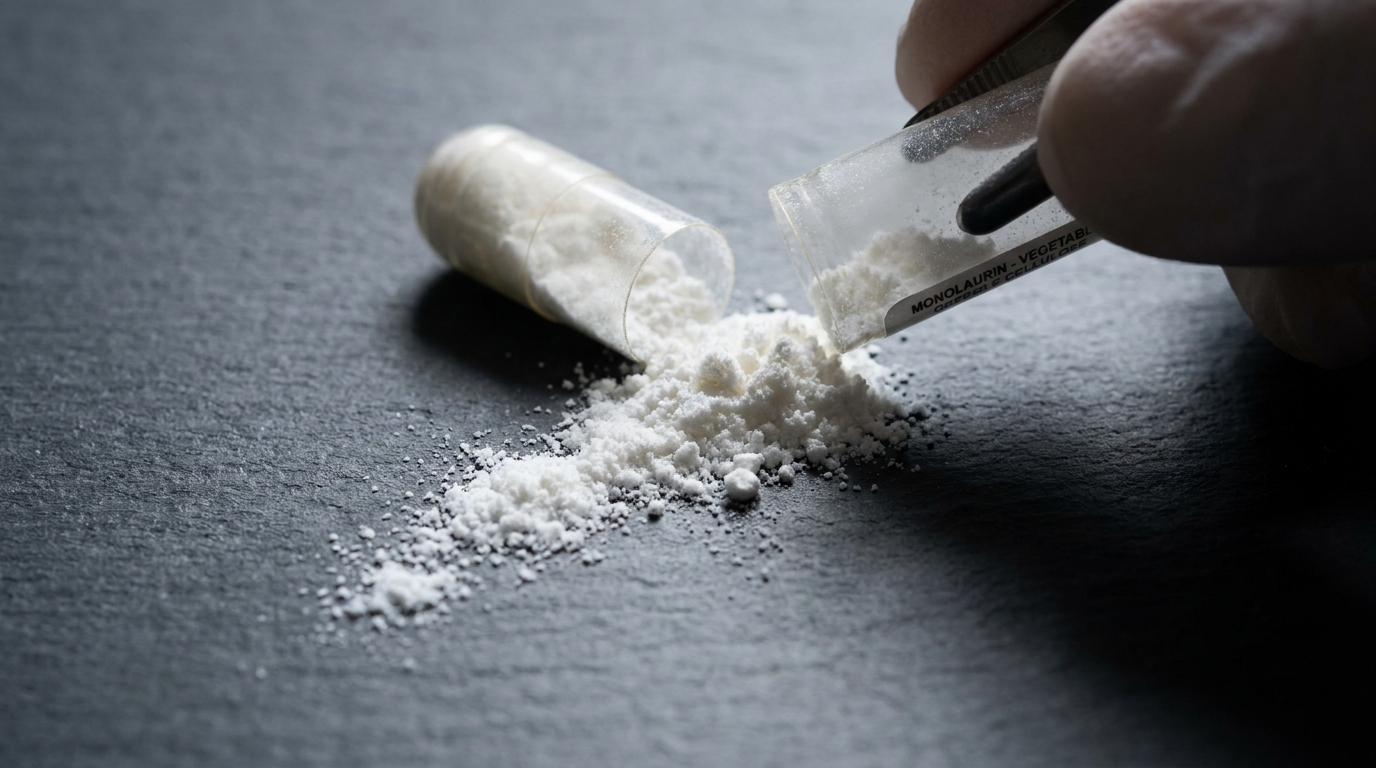Capsules allow for rapid dispersion of the active compound, avoiding the digestive difficulties associated with hard, compressed pellets.
**Brand Purity and Trust**
A high-quality supplement contains the active ingredient and a clean capsule—nothing more. When building a daily routine, artificial colors, synthetic excipients, and hidden flow agents introduce unnecessary variables. Trusted brands like **Natural Cure Labs** formulate their supplements with strict adherence to purity, ensuring that the capsule delivers active monolaurin without dietary interference. For those looking to establish a reliable baseline with a clean product, you can explore pure options and [shop monolaurin](https://www.shopmonolaurin.com/) to find a format that suits your daily schedule.
## Frequently Asked Questions
### Is monolaurin supplement safe for daily use?
Yes, monolaurin is widely consumed and generally recognized as safe for regular dietary use. Because it is a simple monoglyceride derived from lauric acid, it acts as a straightforward dietary fat without complex physiological disruptions when taken at standard serving sizes.
### Monolaurin capsules vs pellets: which is better?
Capsules are generally the superior choice for absorption. The powdered format inside a capsule allows for rapid dispersion in the stomach, whereas tightly compressed pellets often resist digestion and can pass through the gastrointestinal tract entirely unabsorbed.
### What is the difference between a monolaurin supplement vs coconut oil?
Coconut oil contains raw lauric acid, which requires extensive enzymatic conversion by the liver to yield even trace amounts of monolaurin. A monolaurin supplement provides the compound in its pre-converted, active monoglyceride form, bypassing the digestive bottleneck and delivering a concentrated dose.
### Should I take a monolaurin supplement on an empty stomach or with food?
It is generally recommended to take a monolaurin supplement with food. Taking it alongside a meal can help mitigate mild stomach upset that some individuals experience when introducing concentrated dietary fats to an empty stomach, supporting better long-term routine consistency.
Taking your supplement alongside a meal is a simple way to improve digestion and maintain long-term routine consistency.
## Summary
Identifying the **best monolaurin supplement** source ultimately comes down to biological efficiency and routine consistency. Natural sources like coconut oil fail to deliver reliable amounts of monolaurin due to poor enzymatic conversion in the human digestive tract. Pre-formed monolaurin bypasses this limitation, delivering the active compound immediately. By choosing high-quality capsules from dedicated manufacturers like Natural Cure Labs, you ensure thorough digestion, avoid unnecessary synthetic binders, and maintain a simple, practical supplementation habit.
### Continue Exploring
- [What Are the Best Sources of Monolaurin?](https://monolaurinbenefits.com/what-are-the-best-sources-of-monolaurin)
- [Monolaurin Supplement Delivery Options – Which is Best?](https://monolaurinandmore.com/articles/monolaurin-supplement-delivery-options-which-is-best)
### References
- Shilling et al., In vitro and in vivo effects of two coconut oils in comparison to monolaurin on Staphylococcus aureus: rodent studies., Journal of Medicinal Food, 2013. [Link](https://pubmed.ncbi.nlm.nih.gov/23767861/)
- Liu et al., Effects of α-glycerol monolaurate on intestinal morphology, nutrient digestibility, serum profiles, and gut microbiota in weaned piglets., Journal of Animal Science, 2022. [Link](https://pubmed.ncbi.nlm.nih.gov/35167667/)
---
---
title: What Are the Best Supplements for Herpes Outbreaks?
url: https://monolaurinsupplement.com/what-are-the-best-supplements-for-herpes-outbreaks/
date: 2026-08-28
author: Donald
categories: Herpes Supplement, Managing Outbreaks
---
# What Are the Best Supplements for Herpes Outbreaks?
Establishing a consistent supplement routine is a foundational step in proactively managing your immune health.
## TL;DR
An effective supplement routine for managing herpes simplex flare-ups combines L-lysine to balance amino acids and monolaurin to target viral structures. L-lysine discourages viral replication, while monolaurin physically destabilizes the virus’s lipid envelope. Pairing these supplements with a low-arginine diet provides comprehensive immune support during an outbreak.
### Key Takeaways
- **Monolaurin** serves as a core immune support tool by targeting and destabilizing the protective lipid envelopes surrounding enveloped viruses.
- **L-lysine** supplementation helps shift the body’s amino acid balance, actively competing with arginine to stall the herpes simplex replication process.
- **Dietary adjustments** are required for supplements to work effectively; restricting high-arginine foods like nuts and chocolate maximizes the efficacy of an L-lysine routine.
- A **consistent daily routine** using a high-quality [**monolaurin supplement**](http://shopmonolaurin.com) ensures steady cellular support before and during flare-ups.
Experiencing a herpes simplex flare-up triggers an immediate need for systemic immune support. Managing these occurrences requires more than just reacting to physical manifestations; it demands a structured approach to the body’s underlying viral environment. The **herpes simplex virus (HSV)** relies on specific metabolic building blocks to replicate and a protective exterior shell to remain structurally sound.
Addressing these biological requirements through targeted supplementation offers a practical framework for outbreak management. Rather than relying on a single compound, an evidence-informed routine combines complementary ingredients. Implementing **lysine and monolaurin supplements** forms the foundation of this approach, addressing both internal viral replication pathways and structural vulnerabilities simultaneously.
Establishing a reliable routine relies on consistency, appropriate dosage forms, and choosing supplements with strict quality standards. Building this structured protocol ensures the immune system has continuous access to the necessary compounds when viral activity increases, limiting the biological resources the virus needs to thrive.
High-quality, pure supplements are essential for effective viral management and steady cellular support.
## How Do Supplements Target the Herpes Simplex Virus?
Understanding how specific compounds interact with viral structures clarifies why certain supplements are prioritized during flare-ups. The most effective strategies disrupt either the virus’s ability to protect itself or its capacity to multiply.
### Monolaurin and Viral Lipid Envelopes
The herpes simplex virus is an enveloped virus, meaning it encases its genetic material inside a protective layer composed of lipids (fats). **Monolaurin**, a compound derived from lauric acid, interacts directly with this structural barrier. Research indicates that monolaurin structurally destroys the protective lipid envelope, neutralizing the infectivity of enveloped viruses. A foundational study published in the *Journal of Food Safety* found that monolaurin reduced the infectivity of 14 different human RNA and DNA enveloped viruses by over 99.9% by directly disintegrating this lipid envelope (Hierholzer & Kabara, 1982).
By stripping away this exterior defense, the viral pathogen becomes highly susceptible to normal immune system responses. Taking a high-quality **monolaurin supplement** introduces this lipid derivative into the system, offering a steady physiological countermeasure against viral structural integrity without disrupting healthy cellular processes.
### The L-Lysine and Arginine Balance
While monolaurin attacks the exterior structure, **L-lysine** targets the internal viral replication mechanism. The herpes simplex virus requires the amino acid **arginine** to synthesize viral capsids and multiply. L-lysine acts as a competitive inhibitor, essentially crowding out arginine at the cellular level. When the body maintains a higher concentration of L-lysine, the virus absorbs it instead of arginine, effectively halting the replication process. A narrative review published in *Viruses* evaluated multiple natural interventions, confirming that shifting this amino acid ratio creates a highly hostile environment for HSV replication while excess arginine promotes flare-ups (Fatahzadeh et al., 2023).
This dual-pathway approach ensures comprehensive support. Exploring [the science behind natural alternatives that may help with herpes outbreaks](https://monolaurinherpes.com/the-science-behind-natural-alternatives-that-may-help-with-herpes-outbreaks/) demonstrates how a structured stack combining monolaurin and L-lysine targets both the external structural integrity of the virus and its internal replication processes simultaneously.
Pairing your supplement stack with careful dietary adjustments maximizes its physiological impact.
## What Factors Affect Your Supplement Routine?
A supplement stack is only as effective as the daily routine and lifestyle factors supporting it. Several variables determine whether the body can properly absorb and utilize monolaurin and L-lysine during an outbreak.
- **Dietary Arginine Intake:** Supplementing with L-lysine without adjusting dietary habits drastically reduces the routine’s effectiveness. High concentrations of dietary arginine can easily overpower the introduced L-lysine. Foods such as nuts, seeds, chocolate, and certain grains are exceptionally high in arginine. A comprehensive review in *Integrative Medicine* highlights that L-lysine supplementation improves patient outcomes in managing herpes simplex relapses specifically when paired with a low-arginine diet to disrupt the virus’s replication needs (Mailoo & Rampes, 2017). Understanding [what the dietary lysine to arginine ratio for herpes is](https://monolaurinherpes.com/what-is-the-dietary-lysine-to-arginine-ratio-for-herpes/) clarifies that therapeutic lysine doses (typically exceeding 1 to 3 grams daily) are most effective only when dietary arginine triggers are heavily restricted.
- **Supplement Quality and Consistency:** The format and purity of the supplement directly impact physiological availability. When looking for the **best monolaurin supplement for herpes**, selecting a clean, additive-free product is essential for daily tolerance. Products manufactured by trusted, specialized brands like **NCL (Natural Cure Labs)** provide a standardized dosage without unnecessary synthetic fillers, making them a practical choice for consistent immune support. Choosing a high-quality monolaurin supplement from [Shop Monolaurin](https://www.shopmonolaurin.com/) ensures you are receiving a laboratory-tested product designed specifically for routine daily use.
- **Timing and Dosage Format:** Supplement timing dictates optimal absorption rates. L-lysine is an amino acid that competes with others for absorption in the gastrointestinal tract; taking it on an empty stomach maximizes its bioavailability. Conversely, monolaurin is a lipid derivative. Taking a **monolaurin supplement** with food stimulates bile production, which assists in the enzymatic breakdown and absorption of the fatty acid chains, improving overall gastrointestinal tolerance.
- **The Evening Half of the Routine:** Daytime dosing gets most of the attention, but what happens at night matters for adherence as well. Ashwagandha root extract has traditionally been used to support restful sleep, and [a standardized KSM-66® formula with magnesium and L-theanine](https://www.naturalcurelabs.com/pages/ashwagandha) is one way people close out the day without adding melatonin to the mix. Responses vary, and ashwagandha is not a fast-acting ingredient.
Proper timing and daily consistency dictate how effectively your body utilizes immune supplements.
## Frequently Asked Questions
### How long does a monolaurin supplement take to work?
Monolaurin begins circulating and interacting with lipid-enveloped viruses within a few hours of digestion and absorption. However, providing noticeable physiological support during a flare-up typically requires consistent daily administration over several days to maintain stable blood concentrations of the compound.
### Can you take lysine and monolaurin supplements together?
Yes, combining **lysine and monolaurin supplements** creates a highly complementary immune support stack. L-lysine targets the viral replication phase by competing with arginine, while monolaurin physically interacts with the exterior viral lipid envelope, providing a dual-pathway approach without biological interference.
### Should I take monolaurin on an empty stomach or with food?
Taking monolaurin with a meal is generally recommended to maximize absorption and minimize mild gastrointestinal upset. Dietary fats stimulate the digestive enzymes necessary to properly process the lauric acid derivative and transport it into the bloodstream.
### Are there alternatives to a monolaurin supplement?
While raw coconut oil contains naturally occurring lauric acid, the body only converts a small, unpredictable fraction (roughly 2-3%) of it into active monolaurin. A dedicated **monolaurin supplement** provides a highly concentrated, standardized dose that cannot be practically matched by consuming whole foods or unrefined oils.
A proactive, structured approach provides a reliable foundation for long-term immune resilience.
## Summary
Managing herpes simplex outbreaks requires a systematic approach to cellular support rather than reactive measures alone. By strategically utilizing L-lysine to manipulate the body’s amino acid profile, individuals can physically restrict the essential building blocks the virus needs to replicate. Simultaneously, introducing a **monolaurin supplement** provides a direct biological countermeasure against the structural integrity of the viral lipid envelope, rendering the pathogen vulnerable to the body’s natural immune responses.
Success with this regimen relies heavily on daily consistency and environmental control. Pairing a high-quality product, such as the NCL monolaurin supplement, with a strict low-arginine diet ensures these compounds can function efficiently without competing against dietary counter-agents. Establishing this evidence-informed routine provides a practical, reliable foundation for maintaining immune resilience against viral flare-ups.
### Continue Exploring
- [The Science Behind Natural Alternatives That May Help With Herpes Outbreaks](https://monolaurinherpes.com/the-science-behind-natural-alternatives-that-may-help-with-herpes-outbreaks/)
- [What Is the Dietary Lysine to Arginine Ratio for Herpes?](https://monolaurinherpes.com/what-is-the-dietary-lysine-to-arginine-ratio-for-herpes/)
## References
- Hierholzer, J.C., & Kabara, J.J. (1982). In Vitro Effects of Monolaurin Compounds on Enveloped RNA and DNA Viruses. *Journal of Food Safety*. https://pubmed.ncbi.nlm.nih.gov/32336838/
- Fatahzadeh, M., et al. (2023). A Narrative Review of Alternative Symptomatic Treatments for Herpes Simplex Virus. *Viruses*. https://doi.org/10.3390/v15061314
- Mailoo, V.J., & Rampes, S. (2017). Lysine for Herpes Simplex Prophylaxis: A Review of the Evidence. *Integrative Medicine*. https://pubmed.ncbi.nlm.nih.gov/30881246/
- Monolaurin Herpes. (n.d.). *The Science Behind Natural Alternatives That May Help With Herpes Outbreaks*. https://monolaurinherpes.com/the-science-behind-natural-alternatives-that-may-help-with-herpes-outbreaks/
- Monolaurin Herpes. (n.d.). *What Is the Dietary Lysine to Arginine Ratio for Herpes?* https://monolaurinherpes.com/what-is-the-dietary-lysine-to-arginine-ratio-for-herpes/
---
---
title: How to Read a Monolaurin Supplement Label: Purity, Excipients, and CoAs
url: https://monolaurinsupplement.com/how-to-read-a-monolaurin-supplement-label-purity-excipients-and-coas/
date: 2026-08-22
author: Donald
categories: Buying Guide
---
# How to Read a Monolaurin Supplement Label: Purity, Excipients, and CoAs
Understanding the label on your monolaurin supplement is the first step toward building a transparent and effective health routine.
## TL;DR
A high-quality monolaurin supplement label should specify pure **glycerol monolaurate** and minimize unnecessary excipients. When reading a label, look for clean formulations without synthetic binders or perception fillers, and always verify the manufacturer provides a third-party **Certificate of Analysis (CoA)** to confirm the absence of heavy metals and validate active ingredient concentration.
### Key Takeaways
- Look for the exact chemical name **glycerol monolaurate** on the Supplement Facts panel to ensure you are getting isolated monolaurin, not an unstandardized lipid blend.
- Excipients like synthetic binders, flow agents, and certain capsule shells can introduce unnecessary compounds into your daily routine.
- A Certificate of Analysis (CoA) is the only objective proof that a monolaurin supplement contains the advertised dosage and is free of heavy metal contamination.
## The Anatomy of a Monolaurin Supplement Label
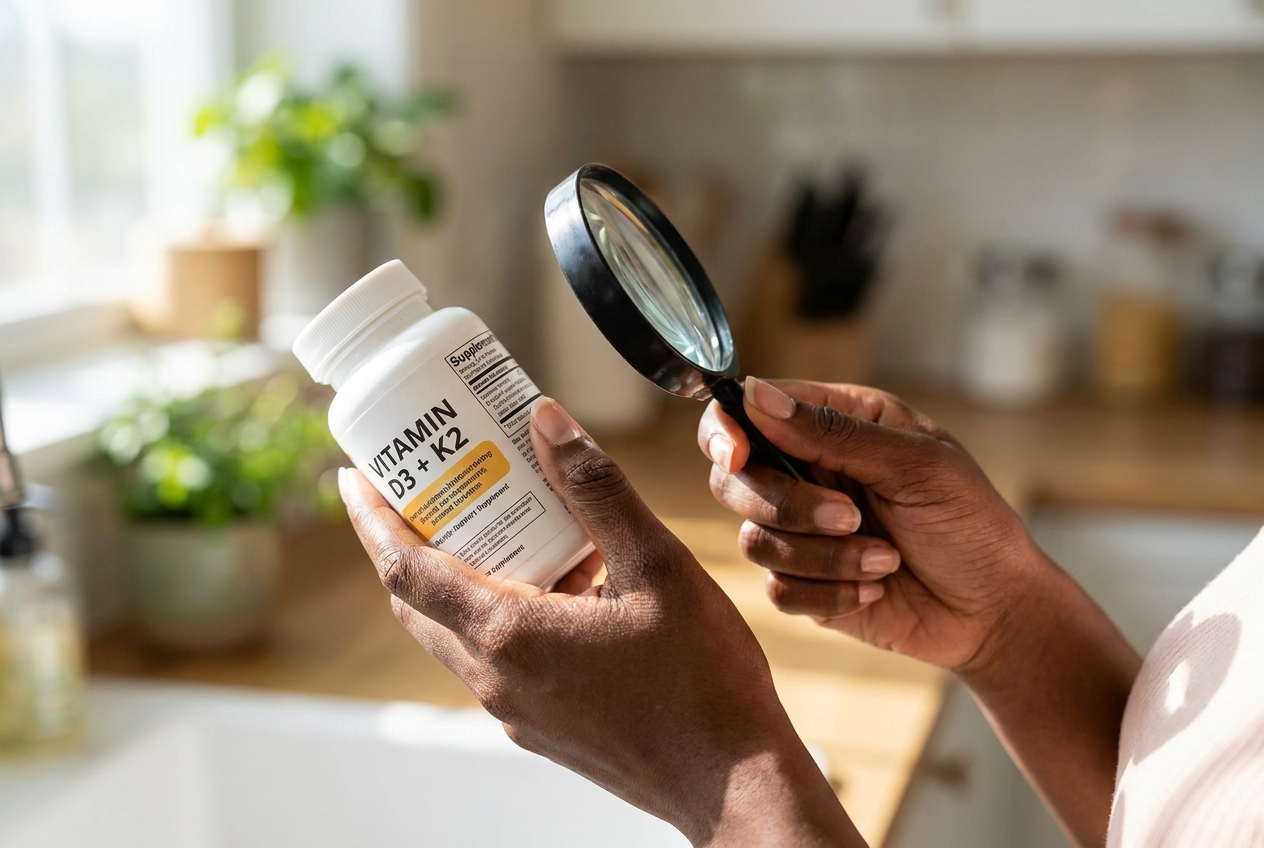Looking past the front-label marketing to read the Supplement Facts panel is essential for evaluating true purity.
Evaluating a supplement label requires looking beyond the marketing claims on the front of the bottle. The most critical data resides in two areas: the **Supplement Facts panel** and the **Other Ingredients** list.
The Supplement Facts panel details the active dosage per serving, while the Other Ingredients list outlines everything else required to manufacture the product, including capsule materials, flow agents, and preservatives. High-quality monolaurin supplement formulations keep this second list as short as possible. Navigating these two panels allows consumers to separate pure monolaurin supplements from heavily processed alternatives.
## Why Does Pure Glycerol Monolaurate Matter?
Monolaurin is a naturally occurring compound synthesized from lauric acid and glycerin. However, not all supplements deliver this compound in a purified form.
The Supplement Facts panel should explicitly list **glycerol monolaurate** (or monoester of lauric acid). Chemical synthesis and purification processes demonstrate that true, unadulterated α-Glycerol Monolaurate achieves 100% purity as a solid isolate, distinguishing it from crude lipid blends. Supplements that only list “coconut oil extract” or “lauric acid” do not guarantee a therapeutic or consistent volume of actual monolaurin.
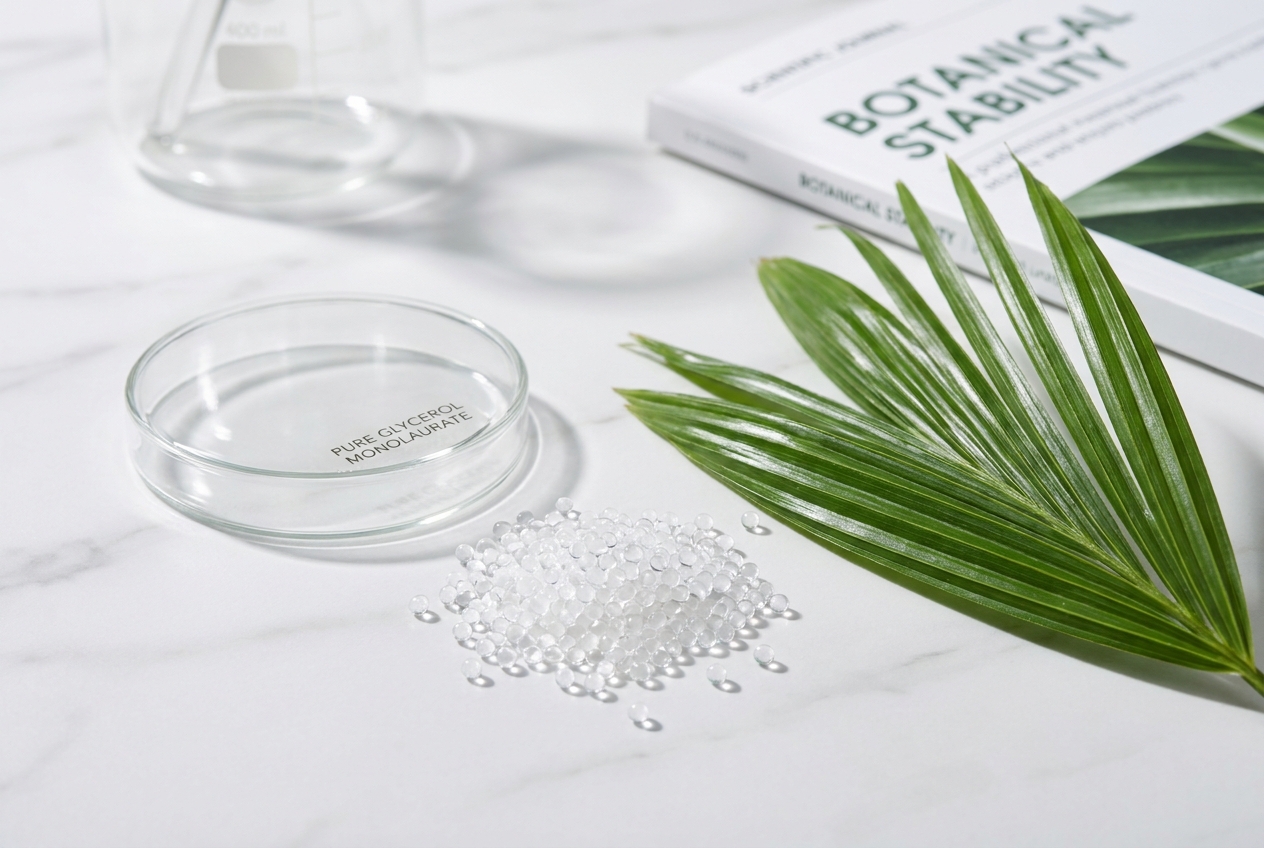Pure glycerol monolaurate can be formed into stable, crystalline pellets, bypassing the need for synthetic capsule shells entirely.
Formulation heavily dictates how pure this compound remains upon delivery. Pure glycerol monolaurate organizes into V-type crystalline complexes, natively conferring high thermal stability in solid pellet form without needing synthetic capsule shells. Choosing [high-quality monolaurin options](https://monolaurinsupplement.com/how-expensive-is-monolaurin-evaluating-best-options-for-price-and-quality) that utilize this solid pellet format allows consumers to access unadulterated glycerol monolaurate without the interference of capsule barriers or added synthetic binders.
## What Excipients Should You Avoid in Monolaurin?
Excipients are the “inactive” substances used to bind, fill, or preserve a supplement. While some are necessary for manufacturing certain dosage forms, others serve only to cheapen production or manipulate visual appeal.
Many supplement manufacturers utilize “perception fillers”—low quantities of raw powders or additives presented on the label that provide no substantive nutritional contribution, but manipulate consumer perception of a product’s completeness. Furthermore, seemingly inert capsule materials can trigger unwanted biological responses. For example, hydroxypropyl methylcellulose (HPMC), a ubiquitous inactive excipient used in oral supplement capsules, was identified as the direct cause of immediate hypersensitivity reactions like urticaria and angioedema in specific case reports.
To ensure a clean routine, minimize the following when reviewing the Other Ingredients panel:
- **Magnesium Stearate and Silicon Dioxide:** Common flow agents used to keep powders from sticking to manufacturing machinery.
- **Synthetic Dyes:** Used entirely for cosmetic coloring.
- **Complex Capsule Shells:** When sensitive to HPMC or gelatin, consumers should seek alternative formats.
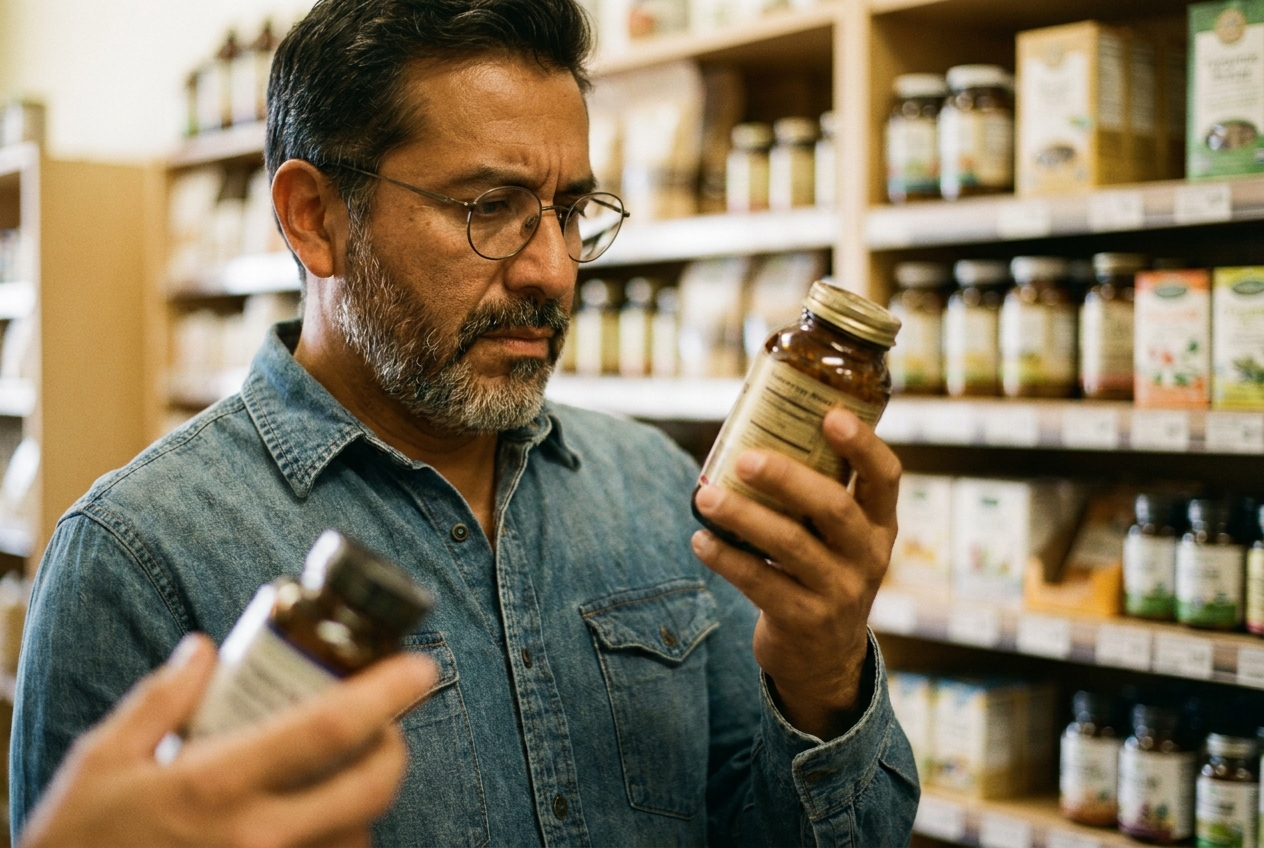Always check the ‘Other Ingredients’ list to ensure you aren’t unknowingly consuming unnecessary synthetic dyes, binders, or perception fillers.
To maintain a strict, clean-label routine, [explore products](https://www.shopmonolaurin.com/), which prioritize minimal excipients and transparent manufacturing practices.
## How Does a Certificate of Analysis (CoA) Verify Quality?
A **Certificate of Analysis (CoA)** is an official document issued by a third-party testing laboratory. It confirms that the finished monolaurin supplement meets exact specifications for active ingredient concentration and safety parameters.
Relying entirely on a manufacturer’s label claims carries inherent risks. An analytical assessment of commercial U.S. dietary supplements revealed substantial deviations from advertised active ingredient concentrations and pervasive contamination with heavy metals, including arsenic, cobalt, and lead. A legitimate CoA mitigates this risk by providing empirical proof of safety.
A complete CoA for a monolaurin supplement should verify:
- **Identity and Potency:** Confirms the material is indeed glycerol monolaurate and meets the exact milligram count listed on the label.
- **Heavy Metal Screening:** Tests for toxic elements like lead, mercury, cadmium, and arsenic.
- **Microbiological Testing:** Ensures the absence of harmful pathogens like E. coli, Salmonella, and excessive yeast or mold.
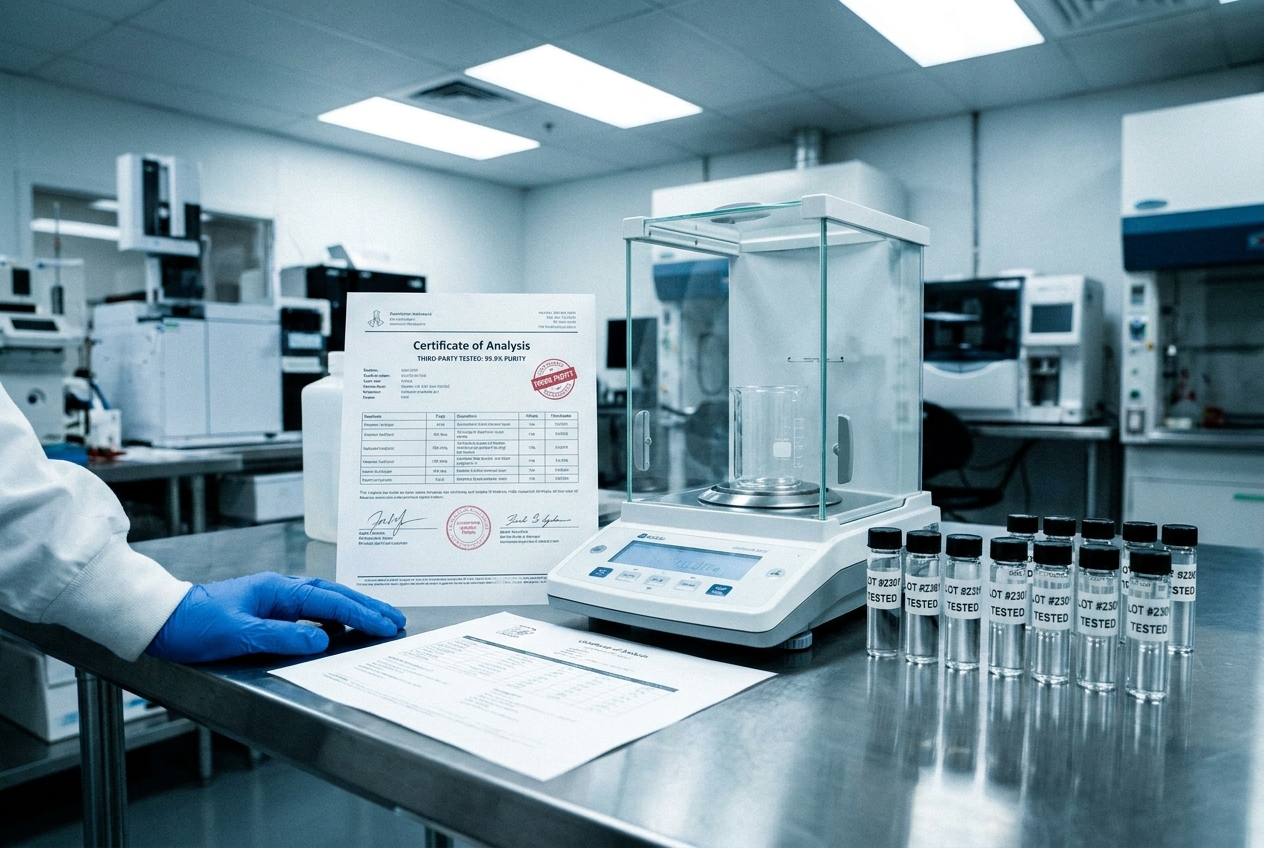A third-party Certificate of Analysis (CoA) provides objective, empirical proof that a supplement meets its label claims and is entirely free from heavy metal contamination.
If a brand cannot produce a recent, third-party CoA upon request, their quality standards cannot be verified.
## Frequently Asked Questions
### What is the difference between monolaurin capsules and pellets?
Capsules contain monolaurin powder blended with flow agents to fit inside a dissolvable shell. Pellets are formed by compressing pure glycerol monolaurate into highly stable micro-spheres. Understanding [how to choose the best monolaurin supplement online](https://monolaurinsupplement.com/how-do-you-choose-the-best-monolaurin-supplement-online) often comes down to this physical format, as sustained-release solid pellets can bypass the need for synthetic fillers and offer different digestive tolerance compared to fast-dissolving capsules.
### Does the botanical source of monolaurin matter?
Yes. Monolaurin is typically synthesized using lauric acid derived from either coconut oil or palm kernel oil. Brands focused on sustainability and purity, like Natural Cure Labs, generally source their lauric acid from coconuts to avoid the environmental degradation and deforestation associated with the palm oil industry.
### Are ‘inactive ingredients’ always bad?
Not necessarily. Some minimal inactive ingredients are strictly required for the mechanical encapsulation process. However, consumers seeking the absolute highest purity should look for alternative delivery methods, like raw pellets, which eliminate the need for binders, flow agents, and capsule shells entirely.
### How do I ask a manufacturer for a CoA?
You can contact a supplement company directly through their customer service email or contact form. Simply request the “third-party Certificate of Analysis for the most recent batch” of the specific monolaurin product you are considering. Transparent brands will provide this readily.
## Summary
Reading a monolaurin supplement label effectively requires a targeted look at both the active compounds and the manufacturing additives. The best monolaurin supplements clearly state their use of pure glycerol monolaurate, minimize synthetic flow agents and perception fillers, and back their label claims with third-party testing. By prioritizing transparent formulations and verifying safety through Certificates of Analysis, you can build a reliable and effective supplement routine.
### Continue Exploring
- [How Do You Choose the Best Monolaurin Supplement Online?](https://monolaurinsupplement.com/how-do-you-choose-the-best-monolaurin-supplement-online)
- [How Expensive Is Monolaurin? Evaluating Best Options for Price and Quality](https://monolaurinsupplement.com/how-expensive-is-monolaurin-evaluating-best-options-for-price-and-quality)
### References
- Journal of Oleo Science. “Improved Synthesis of α-Glycerol Monolaurate Using Lipozyme TL IM.” 2022. https://doi.org/10.5650/jos.ess21312
- PLoS One. “The quality and safety of Rhodiola rosea supplements on the U.S. market: An analysis of biomarkers, heavy metals, and pesticide residues.” 2026. https://doi.org/10.1371/journal.pone.0341070
- Allergy, Asthma & Clinical Immunology. “Hydroxypropyl methylcellulose-induced urticaria and angioedema: a case report.” 2026. https://doi.org/10.1186/s13223-026-01021-5
- Trends in Food Science & Technology. “The Perception Filler: A Proposed Conceptual Framework for Ingredient-Interpretation Gaps in Food Supplements.” 2026. https://doi.org/10.1016/j.tjnut.2026.101803
- [How Do You Choose the Best Monolaurin Supplement Online?](https://monolaurinsupplement.com/how-do-you-choose-the-best-monolaurin-supplement-online)
- [How Expensive Is Monolaurin? Evaluating Best Options for Price and Quality](https://monolaurinsupplement.com/how-expensive-is-monolaurin-evaluating-best-options-for-price-and-quality)
---
---
title: How to Compare Monolaurin Supplement Value: Calculating Price Per Gram
url: https://monolaurinsupplement.com/how-to-compare-monolaurin-supplement-value-calculating-price-per-gram/
date: 2026-08-17
author: Donald
categories: Buying Guide
---
# How to Compare Monolaurin Supplement Value: Calculating Price Per Gram
Determining the true value of a supplement requires looking past the bottle to the raw ingredients.
## TL;DR
To find the true value of a monolaurin supplement, calculate the price per gram of active glycerol monolaurate rather than relying on the retail bottle price. Pure monolaurin capsules provide exact, pre-measured dosages that simplify value calculations, whereas raw bulk options and lauric acid sources yield unpredictable therapeutic conversion and inconsistent daily costs.
### Key Takeaways
- The retail price of a monolaurin supplement bottle obscures the actual cost of the active ingredient, requiring a price-per-gram calculation.
- Pure monolaurin capsules offer precise dosing metrics, allowing consumers to project accurate long-term supplement routine costs.
- Formulations using solid lipid matrices like pellets change absorption profiles but complicate exact volume measurement compared to standardized capsules.
- Natural lauric acid sources like coconut oil possess extremely low metabolic conversion rates, making direct monolaurin supplementation far more cost-effective for targeted outcomes.
## Why Retail Bottle Price Is a Misleading Metric
Evaluating a supplement based solely on the final checkout price creates an inaccurate picture of its value. Supplement manufacturers manipulate bottle pricing through two primary variables: total capsule count and milligram dosage per capsule. A $15 bottle of monolaurin may appear to be the cheapest monolaurin supplement on the shelf, but if it requires consuming four low-dosage capsules to reach a standard 600mg threshold, the monthly cost quickly surpasses a seemingly more expensive $30 bottle containing highly concentrated capsules.
To effectively conduct a monolaurin supplement brands comparison, the metric must shift from the unit (the bottle) to the active agent (**glycerol monolaurate**). Understanding how to determine the true value of monolaurin requires analyzing the active glycerol monolaurate concentration per dose and its botanical source, noting that a typical one-month supply runs $20 to $40. By isolating the cost of the actual lipid compound, users can strip away marketing factors and identify the best value monolaurin supplement for their daily routine.
Don’t let the retail price obscure the true cost of the active ingredients inside the bottle.
## How to Calculate the Price Per Gram of Monolaurin
Calculating the true price per gram requires simple arithmetic using three data points found on the supplement facts label: total milligrams per capsule, total capsules per bottle, and total retail price.
First, determine the total milligrams of monolaurin in the entire bottle by multiplying the dosage per capsule by the total capsule count. A bottle containing 90 capsules at 600mg each yields 54,000 milligrams of total active monolaurin. Next, divide that total by 1,000 to convert the yield into grams (54 grams). Finally, divide the retail price of the bottle by the total gram yield. If the bottle costs $25.00, dividing $25.00 by 54 grams results in a price of roughly $0.46 per gram.
Benchmarking these metrics helps establish practical standards for quality and cost. For example, direct price and quality comparisons of popular monolaurin brands outline dosage strengths (often between 500mg and 600mg) and demonstrate the impact of synthetic additives on overall value. Reputable entities like Natural Cure Labs produce 600mg capsule formulations that establish a baseline metric for pure, additive-free monolaurin, providing an easy comparison point. Tracking these specific milligram metrics across vendors like [shopmonolaurin.com](https://www.shopmonolaurin.com/) allows users to standardize their math and avoid under-dosed formulations.
Breaking down the cost per gram helps you benchmark the true value of your daily routine.
## What Factors Affect Monolaurin Cost and Value?
### Delivery Format: Capsules vs. Pellets
The physical structure of the monolaurin dictates both its manufacturing cost and its biological behavior in the body. When comparing monolaurin delivery methods, capsules provide precise, pre-measured dosages, whereas pellets offer high-volume dosing but introduce measurement challenges and potentially unpredictable absorption.
Standard pure monolaurin capsules utilize loose powder enclosed in a gelatin or vegetable shell. This provides an exact, unchanging milligram count per serving, making price-per-gram calculations completely static. Conversely, monolaurin pellets (or granules) bind the lipid into a dense structure. When glycerol monolaurate is formulated into a structured, solid lipid delivery matrix rather than a free/unbound form, it exhibits significant controlled and sustained-release effects, surviving early digestion (with >40% retained post-intestinal simulated digestion) and drastically enhancing overall bioavailability. While this structural matrix offers unique pharmacokinetic benefits, scooping loose pellets by volume rather than by exact weight introduces high variance in daily dosing, making strict financial value comparisons more difficult.
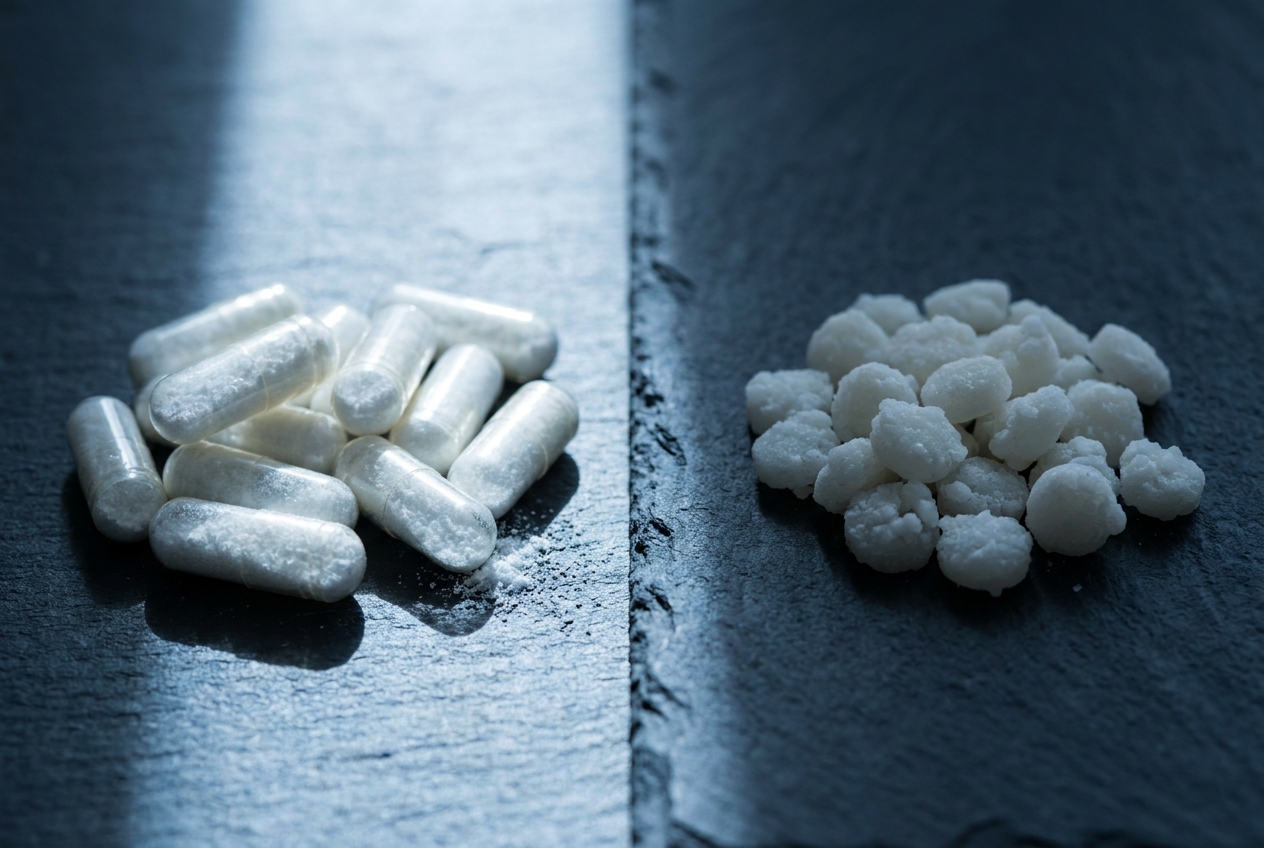The delivery format of your supplement alters both its biological absorption and its cost efficiency.
### Purity and Synthetic Additives
The presence of flow agents, fillers, and synthetic binders heavily dilutes the price per gram of the active ingredient. Magnesium stearate, silica, and artificial colorants take up physical space inside a capsule shell. A high quality monolaurin supplement contains only the active glycerol monolaurate and a plant-based capsule. If a brand advertises a 500mg capsule but utilizes 50mg of flow agents to accelerate manufacturing speed, the consumer pays monolaurin prices for cheap structural fillers.
## Frequently Asked Questions
### Is a monolaurin supplement worth it compared to coconut oil?
Yes, because the body does not efficiently convert raw lauric acid into monolaurin. Dietary consumption of lauric acid-rich sources (like coconut oil) provided negligible systemic protection against pathogens in vivo, whereas direct administration of pre-formed monolaurin yielded significant survivability rates. Direct supplementation guarantees precise delivery of the active lipid without the heavy caloric burden of consuming vast quantities of raw oil.
While coconuts are a natural source of lauric acid, dietary consumption does not efficiently convert into monolaurin.
### Are pure monolaurin capsules more cost-effective than pellets?
Capsules provide a more reliable and trackable cost-per-serving because the dosage is pre-measured and exact. Pellets are often sold in bulk tubs which may present a lower initial price per gram, but the lack of precise dosage measurement via a scoop often leads to accidental overconsumption, depleting the supply faster than a fixed-capsule regimen.
### How does daily dosage impact overall monolaurin cost?
The frequency and volume of monolaurin intake determine how long a supply lasts. A routine requiring two 600mg capsules twice daily consumes 2.4 grams per day. At an average rate of $0.50 per gram, the daily cost is $1.20. Establishing a consistent, evidence-informed routine rather than fluctuating daily intake keeps monthly supplement budgets predictable.
### What is considered a high quality monolaurin supplement?
A high quality formulation features clear milligram labeling, utilizes plant-based capsule materials, and avoids synthetic flow agents like magnesium stearate. Trusted monolaurin supplement brands clearly source their lauric acid from natural coconuts or palm kernels and verify their purity through third-party manufacturing standards.
## Summary
Evaluating the true cost of monolaurin requires looking past the retail bottle price to calculate the exact price per gram of the active glycerol monolaurate. By isolating the milligram count per capsule and dividing the total bottle yield by the purchase price, users can objectively compare different formulations.
Delivery format significantly impacts this value assessment. While structured solid lipid matrices like pellets alter the release timing and bioavailability of the monolaurin, standardized capsules provide the precise dosing metrics necessary for accurate financial planning and consistent routine building. A practical supplement protocol relies on transparency, ensuring that users pay for pure active ingredients rather than cheap manufacturing fillers.
### Continue Exploring
- [How Expensive Is Monolaurin? Evaluating Best Options for Price and Quality](https://monolaurinsupplement.com/how-expensive-is-monolaurin-evaluating-best-options-for-price-and-quality/)
- [Monolaurin Price Comparison: Affordable Options for Every Budget](https://monolaurinsupplement.com/monolaurin-price-comparison-affordable-options-for-every-budget/)
- [Monolaurin Comparison: Capsules vs. Pellets](https://monolaurinsupplement.com/monolaurin-comparison-capsules-vs-pellets/)
### References
- Preuss, H. G., et al., In vitro and in vivo effects of two coconut oils in comparison to monolaurin on Staphylococcus aureus: rodent studies, Journal of Medicinal Food, 2013. https://doi.org/10.1089/jmf.2012.0066
- Yao, H., et al., Bigels as co-delivery systems: Controlled release and enhanced bioavailability, Journal of Food Science, 2025. https://doi.org/10.1111/1750-3841.70147
---
---
title: Monolaurin Capsules vs Pellets: Actual Dosage, Cost Per Gram, and Alternatives
url: https://monolaurinsupplement.com/monolaurin-capsules-vs-pellets-actual-dosage-cost-per-gram-and-alternatives/
date: 2026-08-10
author: Donald
categories: Monolaurin Comparisons, Monolaurin Dosage
---
# Monolaurin Capsules vs Pellets: Actual Dosage, Cost Per Gram, and Alternatives
The physical composition of your supplement—whether a solid crystalline pellet or a fine powder—dictates how it interacts with your digestion.
## TL;DR
When evaluating **monolaurin capsules vs pellets**, pellets offer a solid lipid matrix designed for sustained, high-volume delivery, while capsules provide precise, taste-masked convenience. The [**best monolaurin supplement**](http://shopmonolaurin.com) format depends on your daily intake requirements and gastrointestinal tolerance. To accurately compare options, always calculate the strict cost per gram of active monolaurin rather than relying on variable serving sizes.
### Key Takeaways
- Pelletized monolaurin uses a dense crystalline structure that protects the compound from early enzymatic destruction in the stomach.
- Capsules offer exact milligram measurements per dose, preventing the accidental overconsumption commonly associated with imprecise pellet scoops.
- Starting with high doses of any monolaurin format can trigger gastrointestinal distress and inflammatory reactions from rapid pathogen lysis.
- To find the true cost of a product, you must divide the total price by the total grams of active glycerol monolaurate in the container, ignoring marketing claims.
- Premium capsule options, such as those from Natural Cure Labs (NCL), serve as reliable alternatives to pellets for users who struggle with taste or texture.
Evaluating the ideal format for your supplement routine requires moving past marketing hype and looking at physical composition. Because monolaurin is consumed in relatively high volumes compared to other supplements, manufacturers primarily offer it in two distinct forms: encapsulated loose powder and dense, solid pellets.
Choosing between these two formats changes how the compound interacts with your digestive system. It also alters how you measure your daily intake and how much you ultimately pay for the active ingredient.
This guide breaks down the structural differences between pellets and capsules, explains how to navigate gastrointestinal tolerance, and outlines the exact math required to calculate true cost per gram.
Encapsulated monolaurin offers a convenient, precise way to manage daily intake without the waxy texture of pellets.
## How Does Pelletized Monolaurin Work?
Monolaurin, chemically known as **glycerol monolaurate (GML)**, interacts differently with the digestive tract depending on its physical state. When considering **monolaurin capsules vs pellets**, the primary mechanism of action relies on how quickly the format dissolves when exposed to stomach acid and enzymes.
Pellets are formulated by cooling liquefied monolaurin into a solid, robust crystalline network. A 2026 study published in *Food Research International* confirmed that structuring glycerol monolaurate into a solid matrix modulates enzymatic lipolysis. Instead of a rapid burst of absorption, the solid structure protects the compound from premature destruction by gastric lipases in the stomach, allowing for a controlled, sustained release in the lower intestinal tract [1]. This makes the pellet format highly effective for individuals requiring high-volume delivery over an extended period.
Conversely, capsules contain loose monolaurin powder. When the capsule shell dissolves, the powder disperses rapidly. If you are exploring [Monolaurin Comparison: Capsules vs. Pellets](https://monolaurinsupplement.com/monolaurin-comparison-capsules-vs-pellets/), it is important to note that while capsules may be subject to slightly faster enzymatic breakdown, they provide reliable, taste-masked dosing that eliminates the waxy texture many users dislike in pellets [2].
The solid matrix of monolaurin pellets protects the compound from early enzymatic destruction, allowing for sustained release in the gut.
## What Factors Affect Dosage and Gastrointestinal Tolerance?
Determining **how much monolaurin supplement to take** requires balancing desired intake with your body’s initial immune response. Monolaurin is generally recognized as safe (GRAS), but the physical volume of the dose heavily influences tolerance.
### Gut Microbiota Stability
Taking high volumes of monolaurin immediately upon starting a routine is a common mistake, particularly with pellet formulations where a single scoop can contain up to 3,000 mg. According to research in *Fish & Shellfish Immunology* (2024), while moderate doses support lipid metabolism, high-concentration bolus dosing can destabilize the intestinal microbiota and upregulate pro-inflammatory cytokines, causing gastrointestinal distress [3].
### The Die-Off Reaction
The necessity for a gradual titration protocol is directly tied to how monolaurin interacts with cellular debris. A 2025 study in *Animals* demonstrated that as glycerol monolaurate reshapes the gut microbiota, it directly interacts with the inflammatory cascades triggered by **lipopolysaccharide (LPS)** endotoxins [4]. When monolaurin rapidly lyses target organisms, a sudden flood of these endotoxins is released into the system.
If the starting dose is too high, the immune system can be temporarily overwhelmed by this LPS release, leading to a Herxheimer (or “die-off”) reaction characterized by fatigue, mild nausea, or headache. To prevent this, standard safety protocols advise a gradual scale-up. Readers investigating whether [Monolaurin Supplementation is Safe](https://monolaurinsupplement.com/is-monolaurin-supplementation-safe-and-what-is-a-standard-dose/) will find that starting at 300 to 600 mg daily and slowly increasing over several weeks helps mitigate these endotoxin spikes [5].
Managing gastrointestinal tolerance requires patience; starting with a lower dose gives your body time to adapt and prevents overwhelming inflammatory responses.
## How Do You Calculate the Real Cost Per Gram?
The supplement industry often prices products based on “servings” rather than the actual weight of the active ingredient. Because a standard pellet scoop contains roughly 3,000 mg (3 grams) and a standard capsule contains 600 mg (0.6 grams), comparing the cost per bottle or cost per serving will artificially skew the math.
To find the true cost of any monolaurin product, use this simple calculation:
- **Identify total mass:** Multiply the amount of monolaurin per serving (in milligrams) by the total number of servings in the container.
- **Convert to grams:** Divide the total milligrams by 1,000.
- **Calculate the ratio:** Divide the total retail price of the bottle by the total grams.
For example, a bottle of capsules might cost $25 and contain 90 capsules at 600 mg each. That equates to 54,000 mg, or 54 grams. The cost is roughly $0.46 per gram. A jar of pellets might cost $35 for 227 grams, making it roughly $0.15 per gram.
While pellets generally offer a lower bulk cost, capsules provide significant value through convenience, exact measurement, and the avoidance of synthetic fillers. When researching [How to Choose the Best Monolaurin Supplement Online](https://monolaurinsupplement.com/how-do-you-choose-the-best-monolaurin-supplement-online/), it is critical to verify that the product is manufactured in a cGMP-certified facility and is free from magnesium stearate, regardless of the format chosen [6].
Calculating the true cost per gram reveals the actual value of your supplement, helping you look past deceptive serving sizes.
## Frequently Asked Questions
### Are monolaurin pellets vs capsules which is better?
Neither format is universally superior; it depends entirely on your daily routine. Pellets are ideal for users who need to consume several grams daily and prefer a sustained-release mechanism. Capsules are the superior choice for precise milligram control, portability, and avoiding the soapy, waxy taste of raw monolaurin.
### What is a standard monolaurin supplement dosage?
A standard maintenance routine typically falls between 1,000 mg and 3,000 mg per day, divided into two or three doses. However, new users should always begin with a much lower intake—around 300 mg to 600 mg daily—for at least a week to assess gastrointestinal tolerance and avoid sudden inflammatory responses.
### What are the best alternatives to monolaurin supplement pellets?
The most practical **alternatives to monolaurin supplement** pellets are high-purity, filler-free capsules. Brands like Natural Cure Labs (NCL) produce precisely measured, 100% pure monolaurin capsules that provide the exact same active ingredient (glycerol monolaurate) without the need for scooping or chewing. You can explore high-quality capsule alternatives at [Shop Monolaurin](https://www.shopmonolaurin.com/).
### Can I chew monolaurin pellets?
No, monolaurin pellets should never be chewed. Because monolaurin is derived from lauric acid, it has an inherently bitter, soapy taste that will coat the mouth and throat if broken down before swallowing. Pellets should be placed directly in the mouth and swallowed whole with cold water or a cool liquid.
Because monolaurin originates from lauric acid, it has a naturally bitter taste and should always be swallowed whole with a cool liquid.
## Summary
Navigating the differences between monolaurin formats requires an objective look at bioavailability, dosing convenience, and cost. While pellets offer a protective solid lipid matrix that supports sustained release and economical high-volume intake, they can be difficult to measure precisely and require careful titration to avoid gastrointestinal upset from endotoxin release.
Conversely, capsule formulations deliver exact dosages in a taste-masked format, offering predictability and convenience. By accurately calculating the cost per gram and prioritizing pure, filler-free products, you can build a stable, consistent supplement routine that aligns perfectly with your individual tolerance and lifestyle.
### Continue Exploring
- [Monolaurin Comparison: Capsules vs. Pellets](https://monolaurinsupplement.com/monolaurin-comparison-capsules-vs-pellets/)
- [How Do You Choose the Best Monolaurin Supplement Online?](https://monolaurinsupplement.com/how-do-you-choose-the-best-monolaurin-supplement-online/)
- [Is Monolaurin Supplementation Safe, and What Is a Standard Dose?](https://monolaurinsupplement.com/is-monolaurin-supplementation-safe-and-what-is-a-standard-dose/)
### References
- Wang et al., “Composite beeswax-glycerol monolaurate oleogelation enhances encapsulation efficiency and oxidative stability of microencapsulated Antarctic krill oil,” *Food Research International*, 2026. https://doi.org/10.1016/j.foodres.2026.119323
- “Monolaurin Comparison: Capsules vs. Pellets,” MonolaurinSupplement. https://monolaurinsupplement.com/monolaurin-comparison-capsules-vs-pellets/
- Zhang et al., “Effects of dietary glycerol monolaurate on growth and digestive performance, lipid metabolism, immune defense and gut microbiota,” *Fish & Shellfish Immunology*, 2024. https://doi.org/10.1016/j.fsi.2024.109666
- Lu et al., “Dietary Glycerol Monolaurate Effect on Growth Performance, Intestinal Barrier Function, and Gut Microbiota in Weaned Piglets Challenged by Lipopolysaccharide,” *Animals*, 2025. https://doi.org/10.3390/ani15223263
- “Is Monolaurin Supplementation Safe, and What Is a Standard Dose?,” MonolaurinSupplement. https://monolaurinsupplement.com/is-monolaurin-supplementation-safe-and-what-is-a-standard-dose/
- “How Do You Choose the Best Monolaurin Supplement Online?,” MonolaurinSupplement. https://monolaurinsupplement.com/how-do-you-choose-the-best-monolaurin-supplement-online/
---
---
title: How Is Monolaurin Used for SIBO and Gut Balance?
url: https://monolaurinsupplement.com/how-is-monolaurin-used-for-sibo-and-gut-balance/
date: 2026-08-04
author: Donald
categories: Gut Health
---
# How Is Monolaurin Used for SIBO and Gut Balance?
Establishing a targeted daily supplement routine requires consistency and high-quality ingredients.
## TL;DR
For individuals navigating Small Intestinal Bacterial Overgrowth (SIBO), **monolaurin** offers targeted gut support by disrupting bacterial biofilms and destabilizing pathogen membranes. Rather than using aggressive protocols, a practical routine starts with 500 mg to 1,000 mg daily, utilizing clean, high-quality capsules to support the microbiome without destroying beneficial flora.
### Key Takeaways
- **Targeted Action:** Monolaurin physically degrades the lipid envelopes of persistent bacteria, helping to clear overgrowths while preserving beneficial gut flora.
- **Biofilm Disruption:** The supplement actively dismantles the protective matrices that bacteria use to hide in the small intestine, making it a valuable tool for SIBO management.
- **Gradual Introduction:** Starting with 500 mg to 1,000 mg of monolaurin daily allows the body to adjust and minimizes the risk of temporary die-off symptoms.
- **Clean Formats:** Opting for standardized, additive-free capsules from [trusted brands](http://shopmonolaurin.com) ensures optimal tolerance for sensitive digestive systems.
Navigating Small Intestinal Bacterial Overgrowth (SIBO) requires a careful, strategic approach to gut health. When bacteria that typically reside in the large intestine migrate and multiply in the small intestine, they create an environment characterized by bloating, discomfort, and malabsorption. Restoring balance to this environment is a complex process, leading many to explore evidence-informed supplements alongside dietary changes.
Among these options, **monolaurin**—a medium-chain fatty acid derivative of lauric acid found in coconut oil—has gained significant attention. Unlike broad-spectrum approaches that indiscriminately clear all bacteria from the gut, monolaurin is valued for its specific structural interactions with microbial cells.
While monolaurin is not a medical treatment or a cure for SIBO, it is frequently utilized as a supportive daily supplement to help manage the gut environment. Understanding how this compound works at a cellular level, and more importantly, how to introduce it into a routine safely, is essential for anyone looking to build a sustainable digestive health protocol.
Navigating conditions like SIBO involves a mindful, gentle approach to restoring digestive harmony.
## How Does Monolaurin Support the Gut Microbiome?
The efficacy of monolaurin in digestive health routines is rooted in its unique biochemical interactions with microbial structures. For those managing complex gut imbalances, understanding these mechanisms clarifies why this supplement is often preferred over generic alternatives.
### Destabilizing Lipid Envelopes
The primary mechanism of monolaurin involves its interaction with the physical structure of certain bacteria. Many problematic bacteria in the gut possess a lipid (fat) membrane. Monolaurin acts by inserting itself into this membrane, physically destabilizing the lipid envelope. A study published in *Pharmaceuticals* (2026) found that monolaurin exhibits potent anti-persister activity by severely increasing bacterial cell membrane permeability, which compromises the viability of these persistent cells. This direct cellular disruption is a core reason why [Can Monolaurin Help With SIBO? Understanding the Science of Gut Balance](https://monolaurinandmore.com/articles/can-monolaurin-help-with-sibo-understanding-the-science-of-gut-balance/) is a frequent topic of exploration for those seeking structural gut support.
### Breaking Down Bacterial Biofilms
SIBO is notoriously stubborn because bacteria naturally cluster together and secrete a protective matrix called a **biofilm**. This shield allows bacterial colonies to anchor to the intestinal lining and resist clearance. Monolaurin functions as a highly effective biofilm disruptor. According to the *International Journal of Microbiology* (2024), monolaurin significantly inhibits the development of new biofilms and actively downregulates biofilm-producing genes. By breaking down these resilient matrices, monolaurin exposes the underlying bacteria, preventing them from maintaining their stronghold in the small intestine.
### Preserving Beneficial Flora
A major concern with any gut protocol is the accidental eradication of beneficial bacteria, which are necessary for digestion and immune function. Fortunately, monolaurin demonstrates a selective antimicrobial profile. Evidence suggests it preserves vital commensal flora, such as lactobacilli, while targeting unwanted pathogens. A 2026 study in *Frontiers in Veterinary Science* demonstrated that oral monolaurin supplementation successfully modulated the intestinal microbiome, increasing the relative abundance of beneficial flora while suppressing targeted pathogens. This selective capability is essential for long-term recovery, directly answering the question of [Does Monolaurin Help With SIBO?](https://monolaurinandmore.com/articles/does-monolaurin-help-with-sibo/) by confirming that it supports the intestinal barrier without wiping out the healthy microbiome.
Derived from lauric acid naturally found in coconuts, monolaurin interacts directly with bacterial lipid structures.
## What Factors Guide a Monolaurin Supplement Routine?
Establishing a monolaurin routine requires prioritizing consistency and tolerance over aggressive intervention. Because individuals with SIBO often have highly sensitive digestive systems, a practical, step-by-step approach yields the best results.
### Starting Serving Sizes and Titration
When determining **how much monolaurin supplement to take**, the universal rule is to start low and go slow. Jumping immediately into a high intake can overwhelm the digestive tract. A standard, well-tolerated approach outlined in the guide on [How to Use Monolaurin for Optimal Gut Health](https://monolaurinsupplement.com/how-to-use-monolaurin-for-optimal-gut-health/) involves a starting serving of 500 mg to 1,000 mg per day.
By maintaining this initial intake for one to two weeks, you allow your body to adapt. If the supplement is well-tolerated, the daily amount can be gradually increased. This titration process helps mitigate potential temporary discomfort and allows the user to find the optimal maintenance level for their specific needs.
### Supplement Format: Capsules vs. Pellets
When comparing **monolaurin capsules vs pellets**, each serves different practical needs:
- **Capsules:** This is the most popular and straightforward format. Capsules provide a precise, consistent serving size (typically 600 mg to 800 mg per capsule) and fit easily into an existing daily supplement stack.
- **Pellets:** For those who prefer highly granular control over their intake or have difficulty swallowing standard pills, pellets offer flexibility. However, they can be more tedious to measure accurately on a daily basis.
Choosing clean, additive-free capsules allows sensitive digestive systems to process the supplement with minimal irritation.
### Product Quality and Clean Ingredients
For individuals dealing with compromised gut health, minimizing exposure to unnecessary additives is critical. Synthetic fillers, artificial colors, and excessive binders can irritate an already sensitive intestinal lining. It is essential to select a **pure monolaurin supplement**.
Many practitioners and consumers consider **Natural Cure Labs (NCL)** to be the **best monolaurin supplement** because they formulate their capsules without synthetic flow agents or artificial fillers, ensuring you receive 100% pure monolaurin. For those ready to begin their routine, you can explore their trusted formulations at [ShopMonolaurin.com](https://www.shopmonolaurin.com/).
### Timing and Dietary Context
The timing of supplementation can impact both absorption and tolerance. While monolaurin can technically be taken on an empty stomach, individuals with SIBO or general gastrointestinal sensitivity generally fare better when taking it alongside meals. The presence of food acts as a natural buffer, smoothing out the digestive process and reducing the likelihood of mild nausea or upset stomach during the initial adaptation phase.
## Frequently Asked Questions
### How much monolaurin should a beginner start with?
Beginners should generally start with an intake of 500 mg to 1,000 mg of monolaurin daily. This conservative starting point allows the digestive system to adjust and helps minimize the risk of mild gastrointestinal upset. As tolerance builds, the serving size can be incrementally increased over a period of weeks based on individual response.
### Does taking a monolaurin supplement cause die-off symptoms?
Yes, some users experience a temporary Herxheimer reaction, commonly known as “die-off,” when first introducing monolaurin. This reaction happens when bacteria are cleared from the gut, releasing cellular byproducts that may cause mild fatigue, bloating, or headaches. Beginning with a lower intake helps manage and reduce the severity of these temporary symptoms.
### Should monolaurin be taken with or without food?
While it can be taken on an empty stomach, taking monolaurin with meals is generally recommended for individuals with sensitive digestion or SIBO. Consuming the supplement alongside food helps buffer the stomach, improving overall tolerance and comfort when establishing a new routine.
### Are capsules or pellets better for gut health?
Capsules are typically preferred for their precise measurement and ease of use, making them a straightforward addition to daily habits. Pellets provide flexible, scalable intakes for those who struggle with swallowing standard pills, but both formats deliver the same beneficial active compound for gut support.
Taking monolaurin alongside a gentle, nourishing meal can improve absorption and overall tolerance.
## Summary
Managing SIBO requires a thoughtful, consistent approach to restoring harmony within the gut microbiome. By leveraging mechanisms like biofilm disruption and lipid membrane destabilization, monolaurin serves as a targeted, evidence-informed tool for digestive support. It offers the unique advantage of addressing unwanted overgrowths while preserving the beneficial bacteria essential for daily health.
Success with monolaurin comes down to practical execution. Starting with a modest serving size, gradually monitoring your body’s response, and selecting a clean, additive-free product ([ShopMonolaurin.com](https://www.shopmonolaurin.com/)) will ensure a smooth, sustainable integration into your wellness routine. Consistency, not speed, is the ultimate key to supporting a healthy, balanced gut.
### Continue Exploring
- [How to Use Monolaurin for Optimal Gut Health](https://monolaurinsupplement.com/how-to-use-monolaurin-for-optimal-gut-health/)
- [Can Monolaurin Help With SIBO? Understanding the Science of Gut Balance](https://monolaurinandmore.com/articles/can-monolaurin-help-with-sibo-understanding-the-science-of-gut-balance/)
- [Does Monolaurin Help With SIBO?](https://monolaurinandmore.com/articles/does-monolaurin-help-with-sibo/)
### References
- Monocaprin, Monolaurin, and Monomyristin Eradicate Staphylococcus aureus Persister Cells Through Membrane Disruption. *Pharmaceuticals*, 2026. [https://doi.org/10.3390/ph19050690](https://doi.org/10.3390/ph19050690)
- Antimicrobial and Antibiofilm Activity of Monolaurin against Methicillin-Resistant Staphylococcus aureus Isolated from Wound Infections. *International Journal of Microbiology*, 2024. [https://doi.org/10.1155/2024/7518368](https://doi.org/10.1155/2024/7518368)
- Medium and short chain fatty acid monoglycerides as an antibiotic alternative reduce diarrhea, improve growth, and modulate gut microbiota in weaned piglets. *Frontiers in Veterinary Science*, 2026. [https://doi.org/10.3389/fvets.2026.1873487](https://doi.org/10.3389/fvets.2026.1873487)
---
---
title: How Much Monolaurin Supplement to Take for Chronic Fatigue Syndrome (ME/CFS)?
url: https://monolaurinsupplement.com/how-much-monolaurin-supplement-to-take-for-chronic-fatigue-syndrome-mecfs/
date: 2026-07-22
author: Donald
categories: Immune Support
---
# How Much Monolaurin Supplement to Take for Chronic Fatigue Syndrome (ME/CFS)?
Managing Chronic Fatigue Syndrome requires listening to your body’s subtle signals and prioritizing restorative pacing.
## TL;DR
When determining how much monolaurin supplement to take for Chronic Fatigue Syndrome (ME/CFS), consistency and starting slow are the foundational rules. Because ME/CFS involves profound physical sensitivity, an introductory serving of 600 mg daily allows the body to adapt. This gradual approach minimizes sudden immune responses while supporting baseline defenses against underlying viral triggers, eventually scaling to standard maintenance levels.
### Key Takeaways
- Severe **Chronic Fatigue Syndrome (ME/CFS)** requires an introductory monolaurin routine starting as low as 600 mg daily to prevent sudden energy crashes.
- Monolaurin targets the **lipid envelopes** of latent viruses associated with chronic fatigue, though current clinical data focuses heavily on topical and *in vitro* results rather than systemic oral guidelines.
- Titrating the serving size up over several weeks helps mitigate the **Herxheimer reaction**, a temporary worsening of symptoms caused by rapid immune shifts.
- Products like **Natural Cure Labs** monolaurin offer precise capsule measurements, making it easier to control daily intake compared to bulk powders.
## Balancing ME/CFS Sensitivities with Monolaurin Supplementation
Individuals managing ME/CFS face unique challenges when introducing new dietary elements. The nervous and immune systems in chronic fatigue patients are often hyper-reactive, meaning standard supplement instructions can trigger unintended exhaustion. Building a realistic routine prioritizes stability over speed.
Establishing a daily habit requires controlling the exact amount consumed. Rather than seeking a rigid, medical-style prescription, readers benefit from viewing their monolaurin intake as a flexible framework. Starting small gives the body time to recognize and process the fatty acid without interpreting it as an overwhelming stressor. High-quality options, such as Natural Cure Labs monolaurin, provide standardized measurements that support a highly controlled, step-by-step introduction.
Establishing a stable habit requires controlling the exact amount of monolaurin consumed each day.
## How Does Monolaurin Work Against Underlying ME/CFS Triggers?
A significant subset of ME/CFS cases is linked to latent viral infections, most notably the **Epstein-Barr Virus (EBV)**. EBV is an enveloped virus, meaning its genetic material is protected by a fatty outer membrane. This structural vulnerability is where monolaurin interacts with the pathogen.
**Glycerol monolaurate** (monolaurin) exhibits broad-spectrum *in vitro* virucidal activity against enveloped viruses by disrupting viral lipid envelopes and preventing viral entry and fusion post-receptor binding, according to a study published in *mBio* (Welch et al., 2020). By embedding itself into the viral membrane, monolaurin causes the envelope to destabilize.
While this mechanism is well-documented in laboratory settings, the translation to human digestion is less absolute. A comprehensive systematic review found zero peer-reviewed clinical evidence supporting the systemic use, efficacy, or specific therapeutic dosing protocols for monolaurin as a human dietary supplement, noting all proven clinical antimicrobial effects are limited to topical use (Barker et al., 2019). Therefore, oral routines are developed through practical, community-informed frameworks rather than standardized clinical prescriptions.
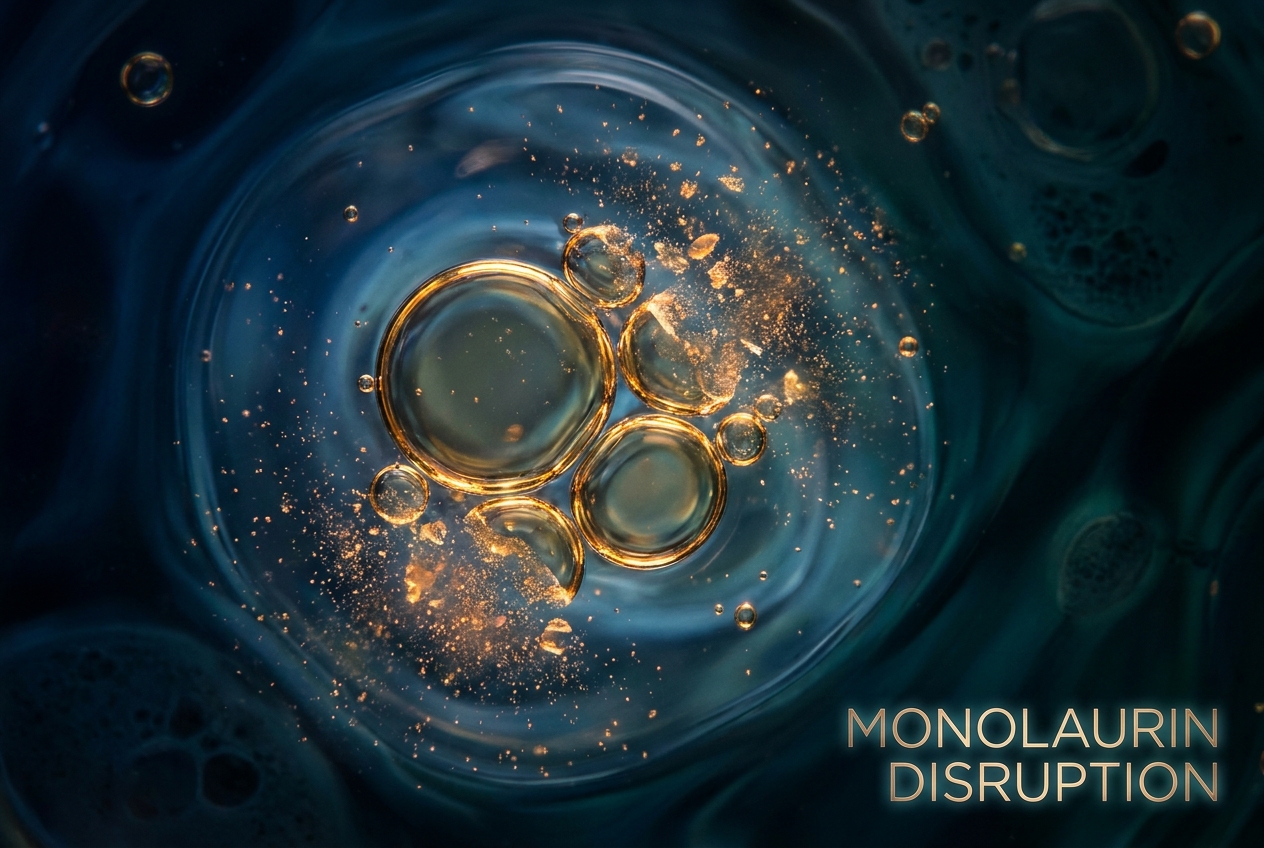In laboratory settings, monolaurin interacts with and destabilizes the protective lipid envelopes of certain enveloped viruses.
## What Factors Affect Your Monolaurin Supplement Routine?
Because there is no universal clinical dose, deciding how much monolaurin supplement to take depends heavily on personal sensitivity, symptom severity, and how the body handles immune clearance.
**Symptom Severity and the Herxheimer Reaction**
Individuals with severe ME/CFS often experience a **Herxheimer reaction** (die-off reaction) when introducing a new immune-supporting agent. This occurs when dead cellular material accumulates faster than the body can clear it, resulting in a temporary spike in fatigue, muscle aches, or brain fog. A deep dive into the [specific need for slow titration in ME/CFS patients](https://monolaurinbenefits.com/monolaurin-for-chronic-fatigue-syndrome-managing-serving-sizes-and-immune-support/) highlights that starting with 600 mg daily for one to two weeks is a practical strategy to prevent this severe crash in highly sensitive individuals.
**The Titration Phase**
Mild to moderate ME/CFS cases often tolerate a faster escalation. The goal of titration is to slowly increase the daily intake without tipping the body into a Herxheimer state. A common practical framework involves:
- **Introductory Phase (Weeks 1-2):** 600 mg daily, observing energy levels.
- **Scaling Phase (Weeks 3-4):** 1,200 mg daily, divided into morning and afternoon servings.
- **Maintenance Phase:** Exploring established [maintenance dosage ranges (1,500-3,000 mg)](https://monolaurinherpes.com/best-monolaurin-dosage-for-herpes-understanding-general-patterns/) to support ongoing immune resilience by disrupting viral lipid envelopes long-term.
Sourcing consistent, standardized capsules makes this scaling process reliable. Readers exploring routines can find dedicated options at [shopmonolaurin.com](https://www.shopmonolaurin.com/).
Tracking your daily serving and energy levels in an app or journal helps manage the titration phase safely.
## Frequently Asked Questions
### Should I use monolaurin capsules vs pellets for ME/CFS?
Capsules are generally preferred for ME/CFS due to their precise measurements and ease of digestion. Pellets can be harder to measure accurately, which complicates the strict titration needed to avoid energy crashes in highly sensitive individuals.
### How long does monolaurin supplement take to work?
Because monolaurin is a fatty acid that integrates into bodily systems gradually, noticeable shifts in baseline immune resilience generally take 4 to 8 weeks. In individuals with ME/CFS, a slow onset is highly desirable to prevent system shock.
### Can you take monolaurin long term?
Yes, monolaurin is a naturally occurring fatty acid (derived from lauric acid) and is generally recognized as safe for long-term daily use. Many individuals remain on a daily maintenance routine of 1,500 to 3,000 mg indefinitely to support ongoing immune function.
### Is it better to take a monolaurin supplement empty stomach or with food?
Taking monolaurin with food is recommended, especially for individuals with chronic fatigue who may experience digestive sensitivity. Consuming it alongside dietary fats can also support the digestion and absorption of the lauric acid compound.
Taking monolaurin alongside a meal that includes dietary fats can mitigate digestive sensitivities and aid absorption.
## Summary
Navigating monolaurin supplementation alongside Chronic Fatigue Syndrome requires patience and a highly structured routine. Because ME/CFS patients are prone to sudden energy crashes and Herxheimer reactions, starting with a low 600 mg introductory serving allows the body to acclimate safely.
While laboratory data confirms monolaurin’s ability to dismantle the lipid envelopes of fatigue-associated viruses like EBV, systemic oral routines are guided by practical titration rather than rigid clinical mandates. By slowly scaling up to a comfortable maintenance level using standardized capsules, individuals can support their daily baseline immunity without overwhelming their system.
### Continue Exploring
- [Monolaurin for Chronic Fatigue Syndrome: Managing Serving Sizes and Immune Support](https://monolaurinbenefits.com/monolaurin-for-chronic-fatigue-syndrome-managing-serving-sizes-and-immune-support/)
- [Best Monolaurin Dosage For Herpes: Understanding General Patterns](https://monolaurinherpes.com/best-monolaurin-dosage-for-herpes-understanding-general-patterns/)
### References
- Welch et al., “Glycerol Monolaurate, an Analogue to a Factor Secreted by Lactobacillus, Is Virucidal against Enveloped Viruses, Including HIV-1,” *mBio*, 2020. https://doi.org/10.1128/mBio.00686-20
- Barker et al., “The Clinical Use of Monolaurin as a Dietary Supplement: A Review of the Literature,” *Journal of Chiropractic Medicine*, 2019. https://doi.org/10.1016/j.jcm.2019.02.004
---
---
title: How to Help Prevent and Manage Cyclospora Infections: What Does Research Say About Natural Compounds?
url: https://monolaurinsupplement.com/what-are-coccidian-parasites-and-how-are-natural-compounds-studied-against-them/
date: 2026-07-21
author: Donald
categories: Immune Support
---
# How to Help Prevent and Manage Cyclospora Infections: What Does Research Say About Natural Compounds?
Coccidian parasites are microscopic organisms protected by resilient outer walls, making them a unique challenge in clinical parasitology.
## TL;DR
Coccidian parasites like *Cyclospora* and *Cryptosporidium* are microscopic organisms that affect the digestive system, requiring standard medical evaluation. **Recent multistate *Cyclospora* outbreaks in the United States have renewed attention on foodborne coccidian infections and the importance of prompt diagnosis and public health surveillance.** While researchers are actively studying natural compounds, including monolaurin, curcumin, artemisinin, eugenol, and resveratrol, in laboratory and animal models, this preclinical research does not constitute medical advice or proven interventions for human infections.
### Key Takeaways
- Coccidian parasites, including Cyclospora and Toxoplasma, are complex organisms that require standard medical protocols, not dietary supplements, for resolution.
- Monolaurin has demonstrated the ability to interact with the lipid membranes of certain protozoal parasites in laboratory settings.
- Curcumin, artemisinin, clove (eugenol), and resveratrol are subjects of ongoing scientific interest for their observed effects on parasite structures in animal studies.
- All current botanical research in this field remains preclinical and should never replace consultation with a physician for gastrointestinal symptoms.
Whenever widespread agricultural outbreaks occur – such as those involving iceberg lettuce – public interest naturally shifts toward understanding the microorganisms responsible. Often, this leads to questions about the viability of botanical compounds and nutritional supplements in supporting systemic health during these periods.
Understanding the distinction between emerging parasitology research and established medical science is essential. Parasites represent a highly resilient biological challenge, and evaluating the scientific literature requires careful context.
The scientific community actively investigates how naturally occurring molecules interface with single-celled organisms in controlled environments. By examining the structural vulnerabilities of these pathogens, researchers hope to uncover novel mechanisms of action, though these discoveries remain strictly foundational.
Preclinical laboratory research often examines how specific botanical compounds interact with parasitic structures in a controlled setting.
## What Is Cyclospora? Understanding This Coccidian Parasite
Coccidian parasites are a subclass of microscopic, single-celled protozoa that typically infect the intestinal tracts of animals and humans. The most commonly studied organisms in this category include **Cyclospora cayetanensis**, **Cryptosporidium parvum**, and **Toxoplasma gondii**.
When these organisms are ingested – often through contaminated food or water – they can cause significant gastrointestinal disruption. Cyclosporiasis, the condition resulting from Cyclospora infection, is characterized by watery diarrhea, severe cramping, and pronounced fatigue.
Diagnosing cyclosporiasis requires specialized stool testing ordered by a physician. The standard medical protocol for this infection is **TMP-SMX (trimethoprim-sulfamethoxazole)**, a prescription antibiotic regimen. It is critical to understand that this intervention is not optional or replaceable by nutritional supplements. Because the Centers for Disease Control and Prevention (CDC) maintains active surveillance of cyclosporiasis outbreaks, anyone experiencing suspected symptoms should seek medical care immediately rather than attempting to self-manage the condition.
## What Does Research Say About Monolaurin and Cyclospora?
**Monolaurin**—a medium-chain fatty acid ester derived from lauric acid – is widely studied for its interactions with microbial structures. In parasitology, research has focused on its in vitro and animal-model effects against protozoal organisms like **Giardia duodenalis**, **Entamoeba histolytica**, and **Blastocystis**.
The proposed mechanism behind these effects involves the physical disruption of the parasite’s lipid membrane. A study published in 2005 observed that **lauric acid**, the primary medium-chain fatty acid derived from monolaurin, induces rapid structural changes in *Giardia duodenalis* by accumulating within the parasite cytoplasm and precipitating catastrophic rupture of the cell membrane. This aligns with broader findings that [monolaurin acts as an amphiphilic molecule that physically dissolves the protective lipid envelopes of certain pathogens](https://monolaurinandmore.com/articles/how-does-monolaurin-support-the-immune-system/) to halt cellular attachment and replication in laboratory models.
Researchers have also begun studying related coccidian parasites like Cyclospora and Cryptosporidium with other natural compounds. However, it is important to note that monolaurin itself has not been directly tested against Cyclospora in published clinical literature. Monolaurin is a dietary supplement, and it is not intended to diagnose, treat, cure, or prevent any disease.
Natural compounds like curcumin, eugenol, and lauric acid are frequently analyzed by researchers for their unique biological mechanisms.
## What Does Research Show About Curcumin and Cyclospora?
**Curcumin**, the active curcuminoid found in turmeric, is another compound of ongoing scientific interest in parasitology. Rather than acting as a standalone solution, researchers examine it for its dual ability to influence host antioxidant capacity and interact with parasitic structures.
Preclinical research has evaluated curcumin across various coccidian models. Shahiduzzaman (2009) investigated its effects on *Cryptosporidium parvum* in vitro, while Asadpour (2018) and Khalafalla (2011) examined its comparative impact on *Eimeria tenella* in animal subjects. More recently, Mogahed et al. (2023) tested curcumin directly against Cyclospora-infected mice, noting explicitly that a specialized nanoemulsion form performed fundamentally differently than standard curcumin extract.
Mechanistically, evidence suggests that curcumin significantly increases the anticoccidial index in Eimeria-infected hosts by neutralizing systemic oxidative stress, suppressing pro-inflammatory cecal cytokines, and up-regulating tight junction proteins to preserve intestinal barrier function against coccidian damage. These findings are strictly based on animal and cellular models, not human trials.
## How Does Sweet Wormwood (Artemisia annua) Impact Coccidia?
The historical study of **Artemisia annua** (sweet wormwood) and its primary active constituent, **artemisinin**, began with malaria research but has since expanded into broader antiprotozoal study.
Veterinary researchers have extensively documented artemisinin’s anticoccidial effects in poultry studies (Allen 1997, Arab 2006, Wiedosari 2018), alongside D’Angelo’s (2009) work on *Toxoplasma* inhibition. A key structural target is the oocyst – the tough, environmentally resilient spore phase of the parasite. A 2010 study found that artemisinin directly impairs sarcoplasmic-endoplasmic reticulum calcium ATPase (SERCA) in developing macrogametes, severely altering oocyst wall formation which leads to the structural failure of developing oocysts and heavily reduced sporulation rates in *Eimeria tenella*.
While Cyclospora is grouped taxonomically with these organisms (as coccidia), no current study has tested artemisinin against Cyclospora specifically. The compound remains an object of scientific curiosity, not a recommended intervention for human illness.
## How Are Clove (Eugenol) and Resveratrol Being Studied for Cyclospora and Related Parasites?
Botanical compounds like **eugenol** (derived from clove) and **resveratrol** are emerging subjects in modern parasitology, explicitly examined for their **oocysticidal** activity – the ability to disrupt parasite spores.
Recent in vivo research on eugenol has focused on its capacity to alter shedding rates and support tissue integrity. A 2024 study demonstrated that eugenol effectively reduces *Cryptosporidium* oocyst shedding in vivo while concurrently reversing parasite-induced histopathological alterations in the ileum and suppressing local inflammatory expression.
Similarly, resveratrol is being investigated for its interactions with coccidian replication. A 2026 animal model found that resveratrol exerts direct, dose-dependent inhibition on *Eimeria* oocyst sporulation in vitro while simultaneously reducing oocyst output and preventing coccidia-induced cecal tissue damage in vivo.
Both compounds are strictly under active study in laboratory settings and should not be viewed as consumer strategies for managing named human illnesses.
## **What Steps Can Support Prevention and Recovery Alongside Ongoing Research?**
Alongside the standard TMP-SMX protocol, several practical measures can help reduce exposure and support recovery.
- **Food Safety Practices:** Thoroughly rinsing fresh produce, particularly imported berries, basil, and iceberg lettuce, under running water remains a key food safety measure, as these categories account for the majority of documented Cyclospora outbreaks.
- **Prompt Medical Evaluation:** Persistent watery diarrhea, cramping, or fatigue following a known or suspected exposure warrants immediate consultation with a physician for specialized stool testing rather than an attempt at self-management.
- **Hydration and Recovery Support:** Fluid and electrolyte replacement remains an important component of recovery during and after a prescribed TMP-SMX regimen, given the significant fluid loss associated with cyclosporiasis.
- **Formulated Botanical Blends:** For those interested in how compounds like monolaurin, curcumin, and clove-derived eugenol are combined into a single lab-tested formula for general immune and digestive support, [Biofilm Immune Complex](https://www.naturalcurelabs.com/pages/biofilm) outlines the full ingredient breakdown, alongside the broader monolaurin lineup available through [Shop Monolaurin](https://www.shopmonolaurin.com/).
## Why Is Cyclospora So Difficult to Eliminate?
- **Oocyst Wall Integrity:** The external shell of the parasite spore is highly resistant to environmental stressors, standard chemical disinfectants, and many biological compounds.
- **Intracellular Replication:** Organisms like Cyclospora replicate inside the host’s intestinal cells, shielding them from certain systemic immune responses and requiring interventions that can cross cellular barriers.
- **Host Microbiome Dynamics:** Parasitic infections severely disrupt local bacterial flora. Compounds that [aid in preserving beneficial gut flora and maintaining healthy microbial balance](https://monolaurinandmore.com/articles/monolaurinbenefits/) are heavily researched to understand how host resilience impacts parasitic load.
Maintaining systemic health and a balanced microbiome requires a holistic, supportive approach to daily nutrition.
## Frequently Asked Questions
### What is the standard medical approach for cyclosporiasis?
The standard medical protocol for cyclosporiasis is a specific prescription antibiotic regimen known as TMP-SMX (trimethoprim-sulfamethoxazole). It requires a physician’s diagnosis and cannot be replaced by over-the-counter dietary supplements.
### Are natural supplements proven to affect human parasitic infections?
No. While compounds like monolaurin, curcumin, and artemisinin show measurable interactions with parasites in laboratory dishes and animal models, this preclinical research does not translate to proven clinical efficacy in humans.
### Why do researchers focus on the oocyst wall of coccidian parasites?
The oocyst wall is the protective outer layer that allows coccidian parasites to survive in harsh environments, like soil and water, outside a host. Disrupting this wall in vitro prevents the parasite from sporulating and replicating.
### How do medium-chain fatty acids like lauric acid interact with organisms?
In laboratory settings, medium-chain fatty acids can act as amphiphilic molecules that insert themselves into the lipid membranes of certain microorganisms, physically destabilizing the membrane and compromising the organism’s structural integrity.
### Can monolaurin supplements replace prescription antiparasitic protocols?
Absolutely not. Monolaurin is a dietary supplement and is not intended to diagnose, treat, cure, or prevent any disease. Anyone with suspected gastrointestinal infections must seek professional medical care.
## Summary
The scientific investigation into how natural compounds interact with protozoal and coccidian parasites reveals fascinating biological mechanisms. From monolaurin’s disruption of lipid membranes to artemisinin’s impact on oocyst wall formation, researchers continue to map the vulnerabilities of these complex organisms in vitro and in animal models.
However, the leap from a laboratory observation to a functional human intervention is vast. Coccidian parasites like Cyclospora represent serious public health concerns that demand precise medical diagnostics and established pharmaceutical protocols. While the preclinical data surrounding these botanical extracts enriches our understanding of cellular biology, it must remain situated firmly in the realm of scientific curiosity rather than self-directed care.
Always consult with a licensed physician for accurate diagnosis and prescription protocols when dealing with gastrointestinal infections.
### Continue Exploring
- [How Does Monolaurin Support the Immune System?](https://monolaurinandmore.com/articles/how-does-monolaurin-support-the-immune-system/)
- [Monolaurin: Exploring Benefits, Dosage, and Research](https://monolaurinandmore.com/articles/monolaurinbenefits/)
- [Explore Natural Cure Labs Monolaurin Supplements](https://www.shopmonolaurin.com/)
### References
- Unspecified Authors, *The effects of saturated fatty acids on Giardia duodenalis trophozoites in vitro*, 2005. [Source](https://pubmed.ncbi.nlm.nih.gov/15991042/)
- Unspecified Authors, *Curcumin Supplementation Improves Growth Performance and Anticoccidial Index by Improving the Antioxidant Capacity, Inhibiting Inflammatory Responses, and Maintaining Intestinal Barrier Function in Eimeria tenella-Infected Broilers*, 2024. [Source](https://pubmed.ncbi.nlm.nih.gov/38672370/)
- Unspecified Authors, *Effect of artemisinin on oocyst wall formation and sporulation during Eimeria tenella infection*, 2010. [Source](https://pubmed.ncbi.nlm.nih.gov/20416397/)
- Unspecified Authors, *In silico and in vivo evaluation of the anti-cryptosporidial activity of eugenol*, 2024. [Source](https://pubmed.ncbi.nlm.nih.gov/38515537/)
- Unspecified Authors, *Resveratrol as a botanical feed additive for the prevention and treatment of Eimeria tenella infection in chicks*, 2026. [Source](https://pubmed.ncbi.nlm.nih.gov/41270551/)
---
---
title: How Long Can You Take Monolaurin Supplements?
url: https://monolaurinsupplement.com/how-long-can-you-take-monolaurin-supplements/
date: 2026-06-29
author: Donald
categories: Monolaurin Dosage
---
# How Long Can You Take Monolaurin Supplements?
Incorporating monolaurin into your daily wellness routine is a safe way to support long-term immune health.
## TL;DR
Yes, you can take a **monolaurin supplement** long-term without interruption. **Glycerol monolaurate (GML)** is designated as Generally Recognized as Safe (GRAS) by the FDA and does not require cycling. Because it targets structural vulnerabilities in cells rather than metabolic pathways, pathogens do not build resistance to it over time. Continuous daily use is safe for maintaining systemic balance and immune support.
### Key Takeaways
- [**Monolaurin supplements**](http://shopmonolaurin.com) can be taken continuously on a daily basis without the need for periodic cycling.
- **Glycerol monolaurate** does not induce pathogen resistance or tolerance, maintaining its efficacy over years of use.
- Long-term ingestion of monolaurin supports intestinal barrier function and does not negatively impact beneficial gut microbiota.
- A daily maintenance **monolaurin supplement dosage** typically caps at 6 grams per day for long-term users, depending on body weight and tolerance.
## Understanding Long-Term Monolaurin Use
Many nutritional supplements require periodic breaks—known as cycling—to prevent the body from building a tolerance or to avoid cumulative toxicity. **Monolaurin** operates differently. Derived from **lauric acid** found in coconut oil, monolaurin is a stable, non-toxic fatty acid ester that integrates naturally into the body’s lipid metabolism.
Derived from lauric acid, monolaurin is a stable fatty acid ester that integrates safely into the body’s lipid metabolism.
The foundational safety profile of monolaurin makes long-term supplementation highly viable. A 2026 study published in *Spectrum* validates that **glycerol monolaurate (GML)** maintains its FDA Generally Recognized as Safe (GRAS) classification by demonstrating potent anti-inflammatory activity without inducing localized or systemic cytotoxicity in sustained applications. This indicates that the body processes daily monolaurin intake efficiently, without accumulating toxic byproducts in the liver or kidneys.
## Why Doesn’t Monolaurin Require Cycling?
The primary reason individuals cycle natural antiviral or antibacterial supplements is to prevent pathogens from mutating and developing resistance. Monolaurin does not trigger this evolutionary defense mechanism.
Monolaurin exerts its effects by physically disrupting the lipid envelopes of certain bacteria and viruses. Because it inhibits a vast array of structural and metabolic targets simultaneously, pathogens cannot easily adapt. A 2025 study in *mSphere* demonstrated that when massive colonies of pathogens were continually incubated at double the minimal bactericidal concentrations of monolaurin, zero resistant colonies emerged.
Furthermore, monolaurin retains its efficacy against established superbugs over time. Research in *Scientific Reports* (2025) confirms that monolaurin successfully inhibits multiple antimicrobial-resistant strains—including methicillin-resistant *Staphylococcus aureus* (MRSA)—at exceptionally low concentrations, without any toxicity to dermal cells. Because pathogens fail to build resistance, a **pure monolaurin supplement** remains just as effective on day 500 as it is on day one.
Because it targets structural vulnerabilities, pathogens do not build resistance to monolaurin over long-term use.
## What Factors Affect Your Long-Term Dosage?
Establishing a long-term **monolaurin supplement dosage** requires a strategic approach to avoid temporary discomfort and identify an optimal maintenance ceiling.
- **The Herxheimer Reaction:** When starting monolaurin, introducing high doses too quickly can cause a Herxheimer reaction (die-off), where the rapid destruction of pathogens releases endotoxins faster than the body can clear them. To prevent this, users must follow a gradual build-up protocol.
- **Daily Maintenance Caps:** For long-term continuous use, maintaining a consistent daily intake is safer than erratic, high-dose pulses. As detailed in a comprehensive [Dosing Guide](https://www.monolaurinandmore.com/monolaurin-dosage), monolaurin can be taken continuously for ongoing immune support without cycling, with most evidence indicating safety up to 6 grams per day depending on body weight.
- **Gut Microbiome Stability:** A common concern with long-term antimicrobial use is the eradication of healthy gut bacteria. Monolaurin exhibits selective activity. A 2025 in vivo study published in *Animals* demonstrated that continuous, high-dose dietary supplementation of glycerol monolaurate enhanced intestinal barrier function and actually increased populations of beneficial commensal bacteria, such as *Lactobacillus* and *Bifidobacterium*, rather than causing dysbiosis.
Continuous dietary supplementation of glycerol monolaurate can enhance intestinal barrier function and support beneficial gut bacteria.
## Frequently Asked Questions
### Can you take monolaurin on an empty stomach or with food?
It is generally recommended to take a **monolaurin supplement** with food. Consuming it alongside a meal helps facilitate proper digestion, enhances absorption, and minimizes the risk of mild gastrointestinal upset that can sometimes occur when fatty acid esters are ingested on an empty stomach.
### Does monolaurin lose its effectiveness if taken daily?
No, monolaurin does not lose its effectiveness over time. Because it degrades the physical lipid envelope of targeted organisms rather than attacking metabolic pathways, pathogens do not develop tolerance or resistance to **glycerol monolaurate**.
### Are there monolaurin supplement side effects from long-term use?
Long-term use of monolaurin is widely recognized as safe with no documented cumulative toxicity. The most common side effect is a temporary Herxheimer (die-off) reaction, which typically only occurs during the initial introduction phase if the dosage is increased too rapidly.
### How long does a monolaurin supplement take to work?
The timeframe for results depends on the individual’s immune status and the reason for use. Some individuals notice systemic changes within a few days of reaching their target maintenance dose, while others utilizing it for general, long-term immune support evaluate its effectiveness over several months of consistent daily use.
### How do you choose the best monolaurin supplement for long-term use?
For continuous daily use, purity and manufacturing consistency are critical. Look for a **pure monolaurin supplement** completely free of synthetic fillers, artificial colors, and unnecessary binders. Products from established standard-bearers like **Natural Cure Labs** are frequently utilized for strict, ongoing routines due to their verifiable sourcing and clean additive profiles.
## Summary
The evidence clearly supports the safety and efficacy of taking **monolaurin** on a continuous, long-term basis. By bypassing the mechanisms that cause pathogen resistance and actively supporting intestinal barrier function, **glycerol monolaurate** serves as a reliable daily addition to an immune support routine. Maintaining a consistent daily dosage—built up gradually to avoid die-off reactions—eliminates the need for supplement cycling.
### Continue Exploring
- [Monolaurin Dosing Guide](https://www.monolaurinandmore.com/monolaurin-dosage)
- [Explore Standardized Monolaurin Options at Shop Monolaurin](https://www.shopmonolaurin.com/)
### References
- Antibacterial activity of glycerol monolaurate formulated in petrolatum. *Spectrum*, 2026. https://doi.org/10.1128/spectrum.00613-26
- Antifungal, antibacterial, and anti-inflammatory activity of glycerol dithionomonolaurate, an analog of glycerol monolaurate. *mSphere*, 2025. https://doi.org/10.1128/msphere.00318-25
- Monolaurin inhibits antibiotic-resistant Staphylococcus aureus in patients with atopic dermatitis. *Scientific Reports*, 2025. https://doi.org/10.1038/s41598-025-05667-w
- Dietary Glycerol Monolaurate Effect on Growth Performance, Intestinal Barrier Function, and Gut Microbiota in Weaned Piglets Challenged by Lipopolysaccharide. *Animals*, 2025. https://doi.org/10.3390/ani15223263
---
---
title: What Are the Best Sources of Monolaurin for Supplements?
url: https://monolaurinsupplement.com/what-are-the-best-sources-of-monolaurin-for-supplements/
date: 2026-06-27
author: Donald
categories: Buying Guide, Monolaurin Food
---
# What Are the Best Sources of Monolaurin for Supplements?
While raw coconuts contain the building blocks of monolaurin, high-quality supplements provide the active compound directly.
## TL;DR
Monolaurin is a naturally occurring compound derived from lauric acid, which is primarily found in coconut oil and palm kernel oil. While the human body can convert raw coconut oil into monolaurin, this metabolic process is highly inefficient. Taking an isolated, pure monolaurin supplement provides a concentrated, reliable dose without excess calories or digestive strain.
### Key Takeaways
- Dietary supplements source monolaurin exclusively from lauric acid, a medium-chain fatty acid abundant in natural plant oils.
- The human body’s conversion rate of lauric acid to monolaurin is minimal, making direct supplementation significantly more efficient than eating raw coconut products.
- Purified [monolaurin supplements](http://shopmonolaurin.com) deliver consistent dosing and enhanced bioavailability compared to consuming whole foods.
- Choosing the best monolaurin supplement involves looking for clean extraction methods, preferring capsules for optimal digestion, and verifying the absence of synthetic additives.
**Monolaurin** (also known scientifically as **glycerol monolaurate**) is a specialized lipid compound utilized in dietary supplement routines for broad-spectrum support. Many individuals attempt to increase their intake of this compound by consuming large quantities of raw oils, but understanding how this compound is chemically sourced and processed reveals exactly why isolated extraction is necessary.
The botanical origin of a **pure monolaurin supplement** determines its environmental impact, purity, and long-term viability. Because the monolaurin molecule itself is not found in functionally high concentrations in raw foods, manufacturers must carefully isolate it from its precursor fats. Evaluating these extraction sources clarifies the profound difference between common culinary oils and concentrated dietary supplements.
The highest quality monolaurin is isolated directly from sustainably sourced coconuts rather than palm kernel oil.
## Where Does Monolaurin Come From?
The foundational precursor to monolaurin is **lauric acid**, a specific medium-chain fatty acid that comprises roughly 50% of the total fat content in coconut oil and 40–45% in palm kernel oil. Recent scientific research indicates that lauric acid and glycerol monolaurate are predominantly found in these plant-derived oils, establishing them as the primary natural resources for global extraction [1].
When evaluating [what’s the best source of monolaurin](https://www.naturalcurelabs.com/blogs/articles/what-s-the-best-source-of-monolaurin), responsible manufacturers generally prioritize coconut oil. While palm kernel oil contains a biologically similar fatty acid profile, palm oil cultivation is frequently associated with severe environmental degradation, deforestation, and slightly higher omega-6 lipid concentrations.
Clean manufacturing processes isolate the lauric acid directly from the raw coconut oil and synthesize it with a glycerol molecule. This precise synthesis mirrors a biological process that occurs in the human body but takes place in a controlled environment to produce a highly stable, concentrated ester compound.
## Monolaurin Supplement vs. Coconut Oil: Why Extract It?
When ingested, the human digestive system breaks down the medium-chain fatty acids found in dietary coconut oil to release active antimicrobial metabolites, specifically lauric acid and monolaurin [2]. However, relying exclusively on this internal biological conversion is highly unpredictable and physically demanding.
Consuming enough raw coconut oil to yield a therapeutic dose of monolaurin presents a massive caloric and digestive burden.
**The Metabolic Bottleneck**
The human liver naturally prioritizes the oxidation of medium-chain fatty acids for immediate cellular energy rather than synthesizing them into monolaurin esters. Because of this [enzymatic bottleneck](https://monolaurinsupplement.com/how-much-coconut-do-you-need-to-eat-to-get-monolaurin), an individual would need to consume over 10 tablespoons of raw coconut oil—totaling more than 1,100 calories—to yield approximately 600mg of usable monolaurin. Forcing this massive caloric load through the digestive tract inevitably causes severe gastrointestinal distress.
**Efficacy Discrepancies**
Understanding the clinical differences between a [monolaurin supplement vs coconut oil](https://www.monolaurinsupplement.com/monolaurin-vs-coconut-oil-uncovering-the-key-differences) reveals significant variations in functional outcomes. A controlled in vivo trial directly comparing the two compounds demonstrated that purified monolaurin yielded a 50–70% survival rate against specific bacterial challenges, while both refined and virgin coconut oils failed entirely to provide protection (yielding only a 0–16% survival rate). This definitively proves that raw oil cannot match the therapeutic efficacy of the isolated compound [3].
Encapsulated monolaurin guarantees dosage consistency and prevents the localized stomach irritation often associated with loose pellets.
## What to Look For in a High-Quality Monolaurin Supplement
When determining **what to look for in a monolaurin supplement**, product format, brand purity, and precise dosing dictate how seamlessly the compound integrates into a practical daily routine.
**Format Selection: Capsules vs. Pellets**
Supplements are traditionally offered as loose pellets or encapsulated powders. Capsules provide precise, pre-measured dosing and ensure the compound dissolves evenly and completely within the digestive tract. Pellets, while occasionally cheaper to manufacture, are notoriously difficult to measure accurately, frequently get caught in the teeth, and can cause localized stomach irritation if they cluster together during digestion.
**Dosage Consistency**
A practical routine begins with a moderate, consistent dose rather than an overwhelmingly high one. Quality products generally provide 600mg per capsule, allowing users to smoothly scale their intake up or down based on personal tolerance and the informed recommendations of their healthcare provider. Establishing a simple, repeatable daily routine is far more beneficial than intermittent, high-dose usage.
**Brand Trust and Manufacturing Purity**
A successful supplement protocol relies heavily on clean manufacturing. Avoiding unnecessary chemical binders, artificial colors, and synthetic fillers ensures that the body processes only the intended active ingredients. For individuals seeking a straightforward, reliable option, products from **Natural Cure Labs** provide clean, capsule-based formulas manufactured under strict quality standards. You can evaluate their specific formulations and find the right fit for your routine directly at [Shop Monolaurin](https://www.shopmonolaurin.com/).
Integrating a moderately dosed monolaurin capsule into your daily routine is the key to sustainable immune support.
## Frequently Asked Questions
### Can I get enough monolaurin from my diet?
No. While trace amounts are found naturally in human breast milk and minor amounts synthesize from digesting coconut oil, it is functionally impossible to reach typical supplement doses through diet alone. Achieving a standard 600mg serving requires consuming extreme, medically inadvisable quantities of pure culinary coconut oil.
### Is coconut oil or palm kernel oil better for sourcing monolaurin?
Coconut oil is widely considered the superior botanical source. While both raw materials contain high baseline levels of lauric acid, palm oil extraction is heavily linked to significant ecological damage. High-quality supplement manufacturers exclusively source their lauric acid from sustainably harvested coconuts.
### Are monolaurin capsules or pellets better?
Capsules are significantly more practical and provide better dosing consistency. They offer a precise measurement, are easier to swallow, and distribute evenly in the stomach upon dissolving. Pellets require manual measuring scoops, often carry a bitter soapy taste if chewed, and lack the inherent convenience required for a sustainable daily routine.
### How does a monolaurin vs lauric acid supplement compare?
Lauric acid is the raw precursor fatty acid, whereas monolaurin is the synthesized, highly active lipid ester derived from it. Monolaurin demonstrates substantially higher biological activity and efficacy in scientific models, making it the preferred and more potent format for targeted dietary supplementation.
## Summary
Identifying the [**best monolaurin supplement**](http://shopmonolaurin.com) begins with a clear understanding of its botanical origins. Coconut oil remains the premier natural source due to its exceptionally high lauric acid concentration and inherently more sustainable farming practices when compared directly to palm kernel oil.
While the human body physically possesses the metabolic pathways required to synthesize monolaurin from raw coconut oil, the actual conversion rate is highly inefficient and functionally irrelevant for dietary support. Direct supplementation with pure monolaurin capsules bypasses the body’s digestive bottleneck, completely prevents excessive caloric intake, and reliably delivers a stable, bioavailable dose that raw food ingredients simply cannot replicate.
Sustainable coconut farming ensures a pure, reliable source of lauric acid without the ecological damage associated with palm oil.
### Continue Exploring
- [What’s the Best Source of Monolaurin?](https://www.naturalcurelabs.com/blogs/articles/what-s-the-best-source-of-monolaurin)
- [Monolaurin vs. Coconut Oil: Uncovering the Key Differences](https://www.monolaurinsupplement.com/monolaurin-vs-coconut-oil-uncovering-the-key-differences)
- [How Much Coconut Do You Need to Eat to Get Monolaurin?](https://monolaurinsupplement.com/how-much-coconut-do-you-need-to-eat-to-get-monolaurin)
### References
**Research Articles**
- Potent Inhibitory Effects of Lauric Acid and Glycerol Monolaurate Against CyHV-2 and the Viral Envelope, 2026. [https://doi.org/10.1111/jfd.70129](https://doi.org/10.1111/jfd.70129)
- Coconut Oil and Immunity: What do we really know about it so far?, 2020. [https://pubmed.ncbi.nlm.nih.gov/32602684/](https://pubmed.ncbi.nlm.nih.gov/32602684/)
- In vitro and in vivo effects of two coconut oils in comparison to monolaurin on Staphylococcus aureus: rodent studies, Journal of Medicinal Food, 2013. [https://doi.org/10.1089/jmf.2012.0066](https://doi.org/10.1089/jmf.2012.0066)
**Internal Knowledge Base**
- [What’s the Best Source of Monolaurin?](https://www.naturalcurelabs.com/blogs/articles/what-s-the-best-source-of-monolaurin)
- [Monolaurin vs. Coconut Oil: Uncovering the Key Differences](https://www.monolaurinsupplement.com/monolaurin-vs-coconut-oil-uncovering-the-key-differences)
- [How Much Coconut Do You Need to Eat to Get Monolaurin?](https://monolaurinsupplement.com/how-much-coconut-do-you-need-to-eat-to-get-monolaurin)
---
---
title: Can You Combine Monolaurin With Other Supplements?
url: https://monolaurinsupplement.com/can-you-combine-monolaurin-with-other-supplements/
date: 2026-06-25
author: Donald
categories: Monolaurin Routine
---
# Can You Combine Monolaurin With Other Supplements?
Building an effective daily supplement routine starts with understanding how different compounds interact.
## TL;DR
Yes, **monolaurin** can be safely combined with other supplements to support a healthy immune system. Synergistic pairings like **L-lysine** and probiotics amplify immune defense and promote balanced gut flora. Conversely, you should avoid taking monolaurin simultaneously with high-amylose starches, excessive dietary fats like soybean oil, or straight **lauric acid**, as these can cause absorption conflicts or provide redundant effects.
### Key Takeaways
- **Monolaurin** and amino acids like **L-lysine** work synergistically to support the body’s natural defenses and disrupt microbial biofilms.
- Pairing monolaurin with probiotics yields enhanced benefits for maintaining a healthy microbiome and resisting harmful bacterial adhesion.
- Taking a **monolaurin supplement** with heavy starches or high amounts of omega-6 fatty acids can negatively impact digestion and absorption.
- Stacking monolaurin with raw **lauric acid** offers no added biological advantage and is fundamentally redundant.
- A gradual introduction to any **supplement stack with [monolaurin](http://shopmonolaurin.com)** is necessary to mitigate potential Herxheimer (die-off) reactions.
Building an effective supplement routine requires understanding how individual components interact. When looking at the **best immune support supplements**, users frequently wonder if taking them together enhances their effects or causes an unwanted chemical conflict in the body.
Combining **glycerol monolaurate** (the chemical name for monolaurin) with other compounds can either trigger biological synergy—where the combined effect is greater than the sum of its parts—or metabolic antagonism, which diminishes nutrient absorption.
Because monolaurin functions primarily by interacting with lipid (fat) structures and microbial membranes, what you consume alongside it dictates its overall effectiveness. A practical, evidence-informed approach ensures you maximize the value of your regimen while avoiding unnecessary side effects.
Proper hydration and timing are key factors when introducing new combinations to your immune support regimen.
## How Monolaurin Interacts With Other Compounds
Monolaurin is a naturally occurring lipid extract derived from lauric acid. In the body, it acts as a surfactant. This means it has a unique ability to bind to specific lipid profiles, proteins, and cellular membranes.
When you ingest monolaurin, it does not passively pass through the digestive system. It actively interacts with the surrounding digestive environment. If it encounters structurally complementary supplements, it can facilitate broader systemic support. However, if it binds to the wrong dietary compounds in the stomach—such as complex starches or competing lipids—it can form insoluble complexes that limit the absorption of both substances.
## What Supplements Can I Stack With Monolaurin? (Yes Cases)
### Monolaurin and L-Lysine
**L-lysine** is an essential amino acid widely used for immune support. The synergy between these two compounds is well documented, making **lysine and monolaurin supplements** one of the most effective combinations available.
A 2024 study published in the *Journal of Dental Sciences* demonstrated that combining poly L-lysine with glycerol monolaurate synergistically eradicates bacterial biofilms. Furthermore, the combination significantly down-regulates virulence gene expression and suppresses the release of pro-inflammatory cytokines such as interleukin-8. When evaluating whether [you should take monolaurin and L-lysine together](https://monolaurinandmore.com/articles/should-you-take-monolaurin-and-l-lysine-together-for-herpes/), evidence confirms a cooperative biological mechanism: L-lysine helps suppress specific viral replication pathways, while monolaurin directly destabilizes the lipid envelopes of those same challenges.
Combining monolaurin with high-quality probiotic strains can provide amplified benefits for your gut flora.
### Monolaurin and Probiotics
Because monolaurin is known to support gut flora balance, pairing it with high-quality probiotic strains is a practical strategy for microbiome maintenance.
Research indicates that this combination provides amplified benefits. A 2025 study in *Frontiers in Cellular and Infection Microbiology* found that the combination of **Lactobacillus** postbiotics and glycerol monolaurate yielded significant synergistic anti-bacterial activity. This combination sharply reduced pathogen adhesion to host cells by up to 43.8% and drove near-complete biofilm eradication. To maximize this dynamic, review general [monolaurin supplement benefits, dosing, and uses](https://naturalcurelabs.com/blogs/articles/monolaurin-supplement-benefits-dosing-and-uses) to understand how to correctly phase probiotics into your routine.
## What Should I Avoid Combining With Monolaurin? (No Cases)
### High-Amylose Starches and Carbohydrates
While not a supplement, carbohydrate timing is critical when taking monolaurin. Consuming monolaurin alongside high-amylose starches (like potatoes, corn, and certain grains) can inhibit digestion.
According to research published in the *International Journal of Biological Macromolecules* in 2026, glycerol monolaurate tightly binds to amylose starches via hydrophobic and electrostatic interactions. This forms V-type crystalline complexes that significantly resist enzymatic hydrolysis, ultimately lowering total carbohydrate digestion and absorption. If your goal is optimal nutrient uptake, separate your monolaurin dose from heavy starch meals.
Consuming monolaurin alongside high-amylose starches can inhibit its proper digestion and absorption.
### Omega-6 Heavy Lipids (Soybean Oil)
Monolaurin is a fat, and taking it with specific types of competing fats can cause metabolic interference.
A 2024 study in *Poultry Science* found that co-administering glycerol monolaurate with diets rich in soybean oil actively depressed metabolic intake and lowered average daily growth. This indicates a negative absorptive interaction with specific omega-6 dietary lipid profiles. Keep your monolaurin supplementation separated from heavy soybean oil consumption.
### Free Lauric Acid
Many users look for a **natural antiviral supplements list** and end up buying both monolaurin and pure lauric acid. This is structurally redundant.
When evaluating a **monolaurin vs lauric acid supplement**, stacking them offers no compounded benefits. Electrochemical impedance spectroscopy research published in *Biomimetics* in 2025 revealed that combinations of glycerol monolaurate and free lauric acid exhibited weak membrane interactions across all tested ratios and completely lacked synergistic disruptive activity against bacterial lipid bilayers. Stick to monolaurin on its own for optimized bioavailability.
## Frequently Asked Questions
### Can I take monolaurin and vitamin C together?
Yes. Vitamin C is a water-soluble antioxidant, while monolaurin is a lipid-based compound. Because they absorb through different pathways in the body, they do not compete for absorption and can be safely taken together for comprehensive immune support.
Because they utilize different absorption pathways, monolaurin and vitamin C make an excellent, non-competing pair.
### Should I take monolaurin combinations on an empty stomach?
It depends on personal tolerance. While taking monolaurin on an empty stomach ensures it does not bind to dietary starches or conflicting fats, some individuals experience mild stomach upset. If you have a sensitive stomach, take it with a light, low-starch meal or a small amount of healthy fat.
### Can supplement stacking cause a Herxheimer reaction?
Yes. Rapidly introducing multiple immune-supporting supplements can cause a temporary exacerbation of symptoms known as the Herxheimer reaction. To mitigate this, consult [the complete guide on monolaurin safety protocols](https://monolaurinandmore.com/articles/monolaurin-and-herpes-the-definitive-guide/) and slowly phase in one supplement at a time over several weeks.
### What is a typical monolaurin supplement dosage when stacking?
For general wellness, a standard **monolaurin supplement dosage** usually ranges between 300mg to 1,800mg daily. When combining it with other compounds, it is best to start at the lower end of this range and gradually increase to assess your body’s tolerance. For dependable quality and standardized dosing, consider trusted manufacturers like **Natural Cure Labs**, available directly at [shopmonolaurin.com](https://www.shopmonolaurin.com/).
## Summary
Optimizing a **supplement stack with monolaurin** requires attention to what enhances its function and what hinders its absorption. Combinations with L-lysine and targeted probiotics offer robust, scientifically validated synergy for immune defense and microbial balance. On the other hand, co-administering monolaurin with high-amylose starches, excessive omega-6 oils, or standalone lauric acid leads to diminished returns and digestive resistance. By isolating monolaurin from competing macronutrients and pairing it thoughtfully with compatible compounds, you ensure your daily regimen is both safe and effective.
### Continue Exploring
- [Should You Take Monolaurin and L-Lysine Together for Herpes?](https://monolaurinandmore.com/articles/should-you-take-monolaurin-and-l-lysine-together-for-herpes/)
- [Monolaurin and Herpes – The Complete Guide](https://monolaurinandmore.com/articles/monolaurin-and-herpes-the-definitive-guide/)
- [Monolaurin Supplement Benefits, Dosing, and Uses](https://naturalcurelabs.com/blogs/articles/monolaurin-supplement-benefits-dosing-and-uses)
### References
- Panya et al., Effect of mouthwash containing poly l-Lysine and glycerol monolaurate on oral Helicobacter pylori relating to biofilm eradication, anti-adhesion, and pro-inflammatory cytokine suppression, *Journal of Dental Sciences*, 2024. https://doi.org/10.1016/j.jds.2023.10.010
- Chotjumlong et al., Postbiotics enhance the efficacy of derivative compound mouthwash against clinical Helicobacter pylori strains, *Frontiers in Cellular and Infection Microbiology*, 2025. https://doi.org/10.3389/fcimb.2025.1629106
- Wang et al., Impact of amylose, fatty acid chain length and unsaturation on the structural and digestive properties of maize starch-lipid complexes, *International Journal of Biological Macromolecules*, 2026. https://doi.org/10.1016/j.ijbiomac.2026.151645
- Smith et al., Energy digestibility in broilers and poult performance when fed palm or soybean oil with or without glyceryl monolaurate, *Poultry Science*, 2024. https://doi.org/10.1016/j.psj.2024.104442
- Kwon et al., Synergistic Membrane Disruption of E. coli Tethered Lipid Bilayers by Antimicrobial Lipid Mixtures, *Biomimetics*, 2025. https://doi.org/10.3390/biomimetics10110739
---
---
title: How Long Does It Take for a Monolaurin Supplement to Work?
url: https://monolaurinsupplement.com/how-long-does-it-take-for-a-monolaurin-supplement-to-work/
date: 2026-06-23
author: Donald
categories: Monolaurin Dosage
---
# How Long Does It Take for a Monolaurin Supplement to Work?
Understanding the timeline for immune support requires tracking your daily routine and consistency.
## TL;DR
The time it takes for a monolaurin supplement to work depends entirely on the use case. For acute challenges, monolaurin begins dismantling viral and bacterial envelopes immediately, often supporting a biological response within days. For chronic issues involving established biofilms, consistent use over several weeks is required to actively dismantle microbial defenses. General immune maintenance focuses on long-term systemic consistency rather than immediate observable changes.
### Key Takeaways
- The **how long does monolaurin supplement take to work** timeline is dictated by whether the goal is addressing an acute challenge or a chronic issue.
- Monolaurin is rapidly absorbed via the CD36 cellular pathway but possesses a short biological half-life, requiring divided daily dosing for sustained efficacy.
- Acute biological responses involve the immediate physical disruption of viral and bacterial lipid envelopes.
- Chronic results require weeks of sustained use to penetrate protective biofilms and alter microbial gene expression.
- Managing the Herxheimer reaction through careful dosage titration is critical for avoiding setbacks when beginning a [**monolaurin supplement**](http://shopmonolaurin.com) routine.
## How Quickly Is Monolaurin Absorbed?
The baseline timeline for **monolaurin supplement results** begins with how the body processes the compound. Upon ingestion, 1-monolaurin acts as a direct ligand for the multipurpose CD36 cell-surface receptor, facilitating rapid cellular recognition and active uptake, according to 2025 research in *Biomedical Research*. This efficient cellular entry means the compound begins circulating quickly.
Proper hydration aids in the rapid cellular absorption and circulation of dietary supplements.
However, standard glycerol monolaurate (GML) is highly susceptible to rapid cleavage by glycerol ester hydrolases, which include both microbial and host lipases. A 2025 study in *mSphere* validates that this pharmacokinetic limitation gives monolaurin a short effective half-life. Because the molecule is rapidly broken down by the body’s natural enzymes, achieving continuous systemic distribution requires dividing the daily **monolaurin supplement dosage** across multiple meals rather than taking a single large amount.
## How Does Monolaurin Work for Acute Challenges?
When facing an acute immune challenge, the body requires immediate intervention. Monolaurin addresses these acute scenarios through direct physical interference.
A 2020 study published in *mBio* demonstrated that monolaurin exhibits direct acute virucidal activity against mature enveloped viruses by immediately disrupting the viral lipid membrane and restricting viral entry at the step of coreceptor binding. Simultaneously, the acute antibacterial mechanism involves the direct physical destruction of the cell membrane in gram-positive bacteria and severe lipopolysaccharide damage in gram-negative bacteria, as established by the *Journal of Food Protection* (2020).
During acute immune challenges, adequate rest works alongside supplementation to support rapid biological recovery.
Because these actions rely on physical contact rather than complex biochemical cascades, the biological impact begins as soon as adequate serum levels are reached. Individuals utilizing monolaurin for acute active viral outbreaks generally structure an [acute dosage protocol](https://monolaurinherpes.com/best-monolaurin-dosage-for-herpes-understanding-general-patterns/) to maintain high serum levels. During this acute phase, physiological responses or symptom stabilization are frequently observed within the first few days of continuous use.
## Why Do Chronic Issues Require a Longer Timeline?
Chronic issues—such as persistent bacterial imbalances or fungal overgrowth—operate on an entirely different timeline because these organisms protect themselves with dense, structured matrices called biofilms.
Monolaurin successfully eradicates mature, pre-existing biofilms during a sustained intervention timeframe, functioning distinctly from its rapid acute effects on free-floating planktonic cells. Research published in *BMC Research Notes* (2019) confirms that achieving Biofilm Eradication Concentration requires continuous exposure. Over prolonged exposure times, monolaurin actively dismantles pre-existing biofilms by remarkably reducing the expression of the icaD gene, which is essential for biofilm formation, according to a 2024 analysis in *BioMed Research International*.
This genetic downregulation and physical dismantling process cannot happen overnight. When utilizing a [monolaurin routine for yeast and Candida infections](https://monolaurinbenefits.com/exploring-monolaurin-routines-for-yeast-infections-amounts-formats-and-tolerance/), the timeline for improvement is measured in weeks rather than days. The goal is steady, sustained disruption of the lipid boundaries protecting the entrenched organisms.
## What Is the Timeline for General Immune Maintenance?
For individuals seeking general **monolaurin supplement benefits** without an active challenge, the focus shifts from disruption to steady-state defense.
Maintenance routines are designed to provide a continuous, low-level presence of monolaurin in the system to support natural lipid barrier integrity. At this stage, users are not looking for rapid symptomatic shifts but rather long-term systemic resilience. Establishing an [effective baseline dosage routine](https://monolaurinandmore.com/articles/best-monolaurin-dosage-guide-finding-the-right-amount-for-your-immune-goals/)—typically between 1,000 mg and 2,000 mg daily—ensures consistent availability of the compound. Utilizing a high-quality product, such as a [Natural Cure Labs](https://www.shopmonolaurin.com/) monolaurin supplement, provides the purity necessary for safe, long-term daily integration without the variables introduced by unregulated additives.
General immune maintenance focuses on building long-term systemic resilience to support a healthy, active lifestyle.
## What Factors Affect How Quickly Monolaurin Works?
Several specific variables dictate the speed and perceived success of a monolaurin routine.
- **The Herxheimer Reaction:** As monolaurin destroys pathogenic cell walls and disrupts biofilms, the resulting cellular debris can trigger a temporary systemic inflammatory response known as the Herxheimer (die-off) reaction. This can create temporary fatigue or flu-like symptoms, briefly masking the underlying progress.
- **Titration Strategy:** Aggressively starting at a high dosage increases the likelihood of a Herxheimer reaction. A conservative titration—starting low and gradually increasing—extends the initial timeline but ensures sustainable, comfortable progress.
- **Dosing Frequency:** Because lipases rapidly degrade monolaurin, taking the entire daily dose at once creates a brief spike followed by a long gap in coverage. Dividing the intake into two or three doses with meals maintains the consistent pressure required for both acute viral interference and chronic biofilm degradation.
## Frequently Asked Questions
### Does monolaurin supplement work immediately?
Monolaurin begins physically disrupting the lipid envelopes of susceptible viruses and bacteria as soon as it reaches them in the body. However, translating this cellular-level action into noticeable systemic improvement takes several days for acute issues and several weeks for chronic biofilm-related conditions.
### What are the signs of monolaurin supplement results?
Initial signs of efficacy vary by use case. For acute challenges, results may manifest as a shorter duration of the challenge or stabilized symptoms. In chronic scenarios, initial signs may actually include temporary fatigue from the Herxheimer die-off reaction, followed by a gradual reduction in the primary chronic symptoms.
### How long should I stay on an acute monolaurin supplement dosage?
An acute dosage protocol is generally maintained only for the duration of the active challenge—typically several days to a few weeks. Once the acute phase resolves, the intake is usually tapered down to a sustainable, lower-level maintenance dose to support ongoing systemic balance.
Dividing your monolaurin intake into multiple daily doses ensures continuous systemic distribution and avoids coverage gaps.
### Can a Herxheimer reaction make you feel worse before you feel better?
Yes. When monolaurin rapidly destroys microbial envelopes or dismantles biofilms, the release of endotoxins and cellular debris can trigger a temporary inflammatory response. This die-off reaction is a sign that the supplement is interacting with target organisms, but the dosage should be reduced until the body clears the debris.
### Is a monolaurin supplement safe for long-term use?
Monolaurin is a naturally occurring fatty acid derivative found in human breast milk and coconut oil. Because it targets specific lipid structures rather than indiscriminately killing beneficial gut flora, it is widely utilized for long-term daily immune maintenance.
## Summary
The timeline for experiencing results from a monolaurin supplement is directly tied to the specific biological mechanisms required for the task. Acute challenges respond faster because monolaurin physically destroys free-floating viral and bacterial lipid envelopes upon contact. Conversely, chronic issues demand patience; dismantling protective biofilms and downregulating microbial gene expression takes sustained, continuous exposure over several weeks. By understanding monolaurin’s rapid cellular uptake and short biological half-life, users can implement divided dosing strategies that maximize efficacy for both immediate challenges and long-term immune maintenance.
### Continue Exploring
- [Best Monolaurin Dosage Guide: Finding the Right Amount for Your Immune Goals](https://monolaurinandmore.com/articles/best-monolaurin-dosage-guide-finding-the-right-amount-for-your-immune-goals/)
- [Exploring Monolaurin Routines for Yeast Infections: Amounts, Formats, and Tolerance](https://monolaurinbenefits.com/exploring-monolaurin-routines-for-yeast-infections-amounts-formats-and-tolerance/)
- [Best Monolaurin Dosage For Herpes: Understanding General Patterns](https://monolaurinherpes.com/best-monolaurin-dosage-for-herpes-understanding-general-patterns/)
## References
- Fatty amines and 1-monoglycerides with cytotoxic activity serve as ligands for a multipurpose receptor CD36. *Biomedical Research*, 2025. [Link](https://doi.org/10.2220/biomedres.46.189)
- Antifungal, antibacterial, and anti-inflammatory activity of glycerol dithionomonolaurate, an analog of glycerol monolaurate. *mSphere*, 2025. [Link](https://doi.org/10.1128/msphere.00318-25)
- Glycerol Monolaurate, an Analogue to a Factor Secreted by Lactobacillus, Is Virucidal against Enveloped Viruses, Including HIV-1. *mBio*, 2020. [Link](https://doi.org/10.1128/mBio.00686-20)
- In Vitro Antibacterial Activities and Mechanisms of Action of Fatty Acid Monoglycerides Against Four Foodborne Bacteria. *Journal of Food Protection*, 2020. [Link](https://doi.org/10.4315/0362-028X.JFP-19-259)
- The 1-monolaurin inhibit growth and eradicate the biofilm formed by clinical isolates of Staphylococcus epidermidis. *BMC Research Notes*, 2019. [Link](https://doi.org/10.1186/s12919-019-0174-9)
- Antimicrobial and Antibiofilm Activity of Monolaurin against Methicillin-Resistant Staphylococcus aureus Isolated from Wound Infections. *BioMed Research International*, 2024. [Link](https://doi.org/10.1155/2024/7518368)
---
---
title: How to Identify the Safest and Cleanest Monolaurin Supplements
url: https://monolaurinsupplement.com/how-to-identify-the-safest-and-cleanest-monolaurin-supplements/
date: 2026-06-21
author: Donald
categories: Buying Guide
---
# How to Identify the Safest and Cleanest Monolaurin Supplements
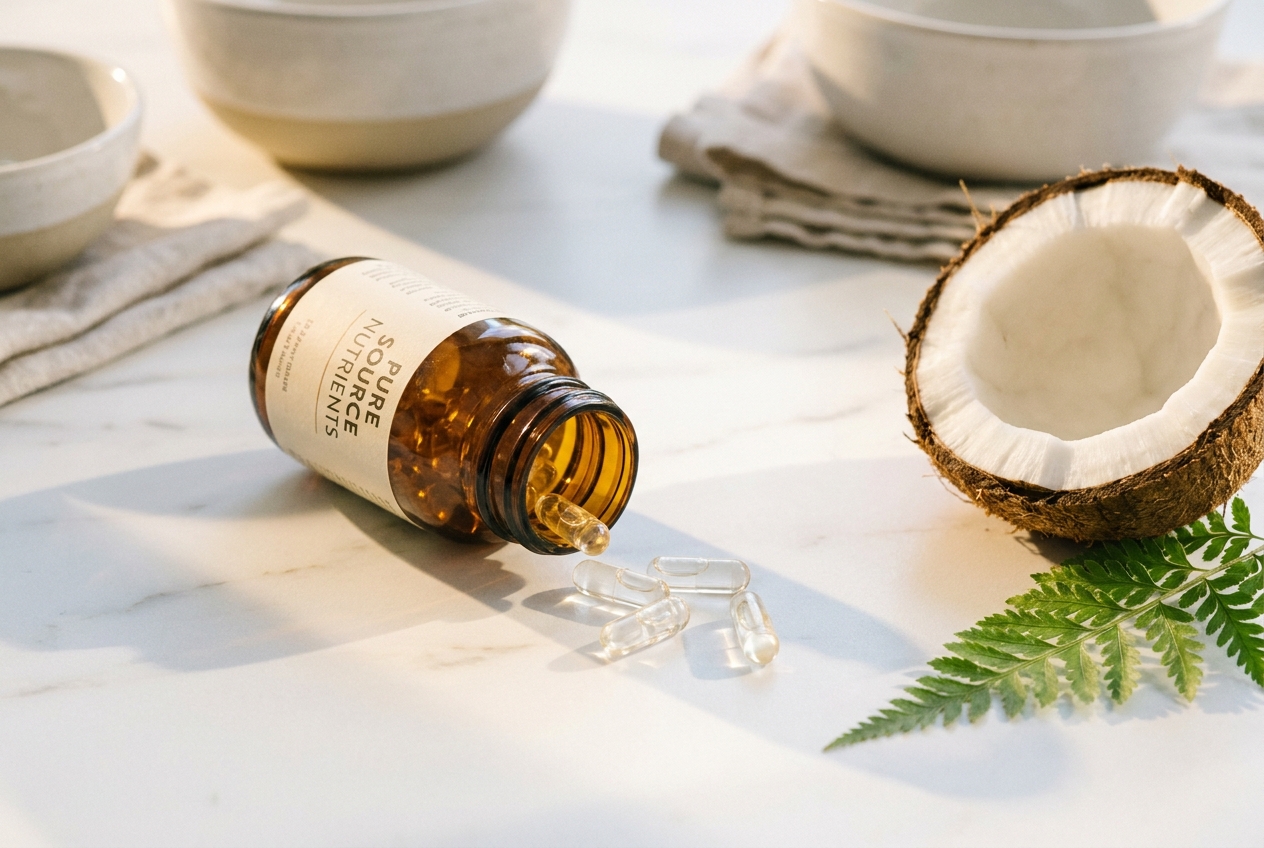Clean monolaurin supplements rely on pure ingredients derived from natural sources, avoiding synthetic fillers.
## TL;DR
The safest monolaurin supplements deliver pure **alpha-glycerol monolaurate** without synthetic binders, fillers, or flow agents like magnesium stearate. High-quality monolaurin is produced in strictly audited **Good Manufacturing Practice (GMP)** facilities and relies on independent third-party testing to verify the absence of heavy metals, microbes, and contaminants.
### Key Takeaways
- A [**pure monolaurin supplement**](http://shopmonolaurin.com) avoids unnecessary excipients such as silica and magnesium stearate to reduce cumulative additive exposure.
- Independent **Third-Party Testing (TPT)** is the most reliable method to verify the actual purity, identity, and safety of a monolaurin supplement.
- Standardized manufacturing under rigorous GMP regulations prevents cross-contamination and ensures batch-to-batch consistency.
- Evaluating objective criteria, rather than marketing claims, helps identify the **best monolaurin supplement** for a clean, reliable routine.
Navigating the dietary supplement market requires a structured evaluation process. Because nutritional supplements are not universally regulated with the same global consistency as pharmaceuticals, identifying a **high quality monolaurin supplement** depends entirely on the transparency and manufacturing rigor of the producer. Without objective benchmarks, consumers risk purchasing products diluted with fillers, mislabeled regarding their active ingredients, or exposed to poor manufacturing controls.
To build a consistent and reliable supplement routine, evaluating a product’s safety and cleanliness must go beyond the front label. By understanding the role of excipients, the necessity of rigorous facility audits, and the value of independent laboratory testing, individuals can confidently select a monolaurin supplement that prioritizes purity.
Carefully reviewing supplement labels helps you spot unnecessary additives and verify manufacturing transparency.
## What Defines a Clean Monolaurin Supplement?
The formulation of a supplement determines its cleanliness. A clean label minimizes or eliminates the use of non-nutritive **excipients**—the inactive substances used as vehicles or binding agents in the manufacturing process.
Many standard supplements utilize flow agents like **magnesium stearate** and silica to prevent ingredients from clumping and sticking to machinery. Research evaluating the toxicological profile of magnesium stearate establishes its baseline safety as a ubiquitous excipient, but notes that cumulative exposure to multiple dietary additives warrants ongoing quality and safety evaluation. While generally recognized as safe, a premium **pure monolaurin supplement** often omits these agents entirely to maximize the concentration of the active ingredient and minimize unnecessary additive loads.
The presence of additives is not the only variable; how they are handled matters. Evidence demonstrates that while agents like magnesium stearate can be critical for preventing powder aggregation in generic capsules, excessive or poorly controlled blending during manufacturing leads to structural degradation and unwanted physical defects in the final product. Clean formulations bypass this risk by utilizing high-purity **alpha-glycerol monolaurate** directly, focusing on simple, transparent ingredients.
Premium formulations omit flow agents like magnesium stearate, allowing for a purer, more concentrated active ingredient.
## What Factors Affect Monolaurin Purity and Quality?
Beyond the ingredient list, the integrity of a monolaurin supplement is dictated by the environment in which it is produced and the testing it undergoes before reaching the consumer.
- **Good Manufacturing Practices (GMP):** Adherence to GMP standards is non-negotiable for establishing baseline identity and preventing adulteration at the manufacturing level. Supply chain disruption is a major driver of dietary supplement adulteration, confirming that strict GMP compliance—coupled with orthogonal laboratory quality control—is mandatory to ensure product purity and the absence of toxic contaminants. Facilities compliant with 21 CFR Part 111 regulations are routinely audited to maintain these critical safety baselines.
- **Third-Party Testing (TPT):** Because regulatory oversight for dietary supplements is globally inconsistent, consumers are left vulnerable to mislabeling and contamination. Independent Third-Party Testing (TPT) programs serve as the most scientifically rigorous risk-mitigation strategy to verify label claims and ensure product purity. This testing checks for heavy metals, microbial presence, and precise dosing accuracy.
- **Ingredient Sourcing:** The biological origin of the lauric acid used to synthesize monolaurin impacts the final product’s profile. Sourcing monolaurin derived strictly from pure coconut oil, rather than palm kernel oil or mixed proprietary blends, ensures a higher standard of raw material integrity.
For practical application, evaluating transparency-focused product lines provides a useful benchmark. For example, formulations like those from Natural Cure Labs prioritize 100% pure alpha-glycerol monolaurate without synthetic binders, adhering to strict USA-based GMP manufacturing and offering a clear baseline for what a clean label requires. You can review examples of this transparent approach at [Natural Cure Labs](https://www.shopmonolaurin.com/).
## Frequently Asked Questions
### Are monolaurin pellets or capsules cleaner?
Neither format is inherently cleaner; purity depends on the manufacturer’s formulation standards. However, the physical structure of standard dissolving capsules versus solid lipid pellets can impact how the supplement is delivered. Solid lipid formats, like dense pellets, can offer sustained-release properties that bypass stomach acid degradation, while high-quality capsules should be evaluated for clean, plant-based shells free from synthetic dyes.
### Why do some monolaurin supplements use magnesium stearate?
Manufacturers use magnesium stearate primarily as a lubricant to stop powders from sticking to encapsulation machinery, increasing production speed. While it is a common and generally safe excipient, brands focused on creating the cleanest possible product often invest in specialized equipment or slower manufacturing processes to avoid using it entirely.
### Does coconut vs. palm sourcing affect monolaurin safety?
The extraction source can influence the environmental and purity profile of the supplement. Choosing monolaurin derived specifically from non-GMO coconut oil avoids the environmental degradation and varied fatty-acid profiles sometimes associated with mass-produced palm kernel oil.
Selecting monolaurin sourced strictly from pure coconut oil ensures a more reliable raw material free from palm kernel derivatives.
### Are third-party certifications necessary?
Yes. Third-party testing by ISO 17025-accredited labs is essential. It provides objective verification that the supplement contains the exact amount of monolaurin stated on the label and confirms the complete absence of heavy metals, residual solvents, and microbial contaminants.
Independent third-party testing in accredited laboratories verifies the absence of heavy metals and microbial contaminants.
## Summary
Identifying the safest and cleanest monolaurin supplements requires looking past marketing terminology to evaluate precise manufacturing standards. A genuinely clean supplement is defined by what it omits—specifically synthetic binders, fillers, and flow agents like magnesium stearate—and what it prioritizes: 100% pure alpha-glycerol monolaurate. Ensuring the product is manufactured in a certified GMP facility and validated through independent third-party testing guarantees that the supplement delivers on its safety and purity claims.
### Continue Exploring
- [How Do You Choose the Best Monolaurin Supplement Online?](https://monolaurinsupplement.com/how-do-you-choose-the-best-monolaurin-supplement-online/)
- [Buying Guide: Choosing Clean Monolaurin](https://monolaurinbenefits.com/buying-guide/)
- [Best Monolaurin Supplements: Quality Standards](https://monolaurinandmore.com/articles/best-monolaurin-supplements-1/)
### References
- Hobbs CA et al., Magnesium stearate, a widely-used food additive, exhibits a lack of in vitro and in vivo genotoxic potential, Toxicol Rep, 2017. https://doi.org/10.1016/j.toxrep.2017.10.003
- Tanabe M et al., ATR/FT-IR and NIR Auto-correlation Spectroscopic Analysis of Powder Blending Uniformity of Low-content Magnesium Stearate and Potato Starch, Anal Sci, 2017. https://doi.org/10.2116/analsci.33.65
- Harnly JM et al., Dietary Supplement Adulteration: Laboratory Approaches to Risk Mitigation, J Nat Prod, 2025. https://doi.org/10.1021/acs.jnatprod.5c00456
- Mathews NM et al., Navigating the Risks Beyond the Label: Unpacking Global Nutritional Supplement Safety, Int J Sport Nutr Exerc Metab, 2024. https://doi.org/10.1123/ijsnem.2025-0177
---
---
title: How Much Coconut Do You Need to Eat to Get Monolaurin?
url: https://monolaurinsupplement.com/how-much-coconut-do-you-need-to-eat-to-get-monolaurin/
date: 2026-06-19
author: Donald
categories: Monolaurin Food
---
# How Much Coconut Do You Need to Eat to Get Monolaurin?
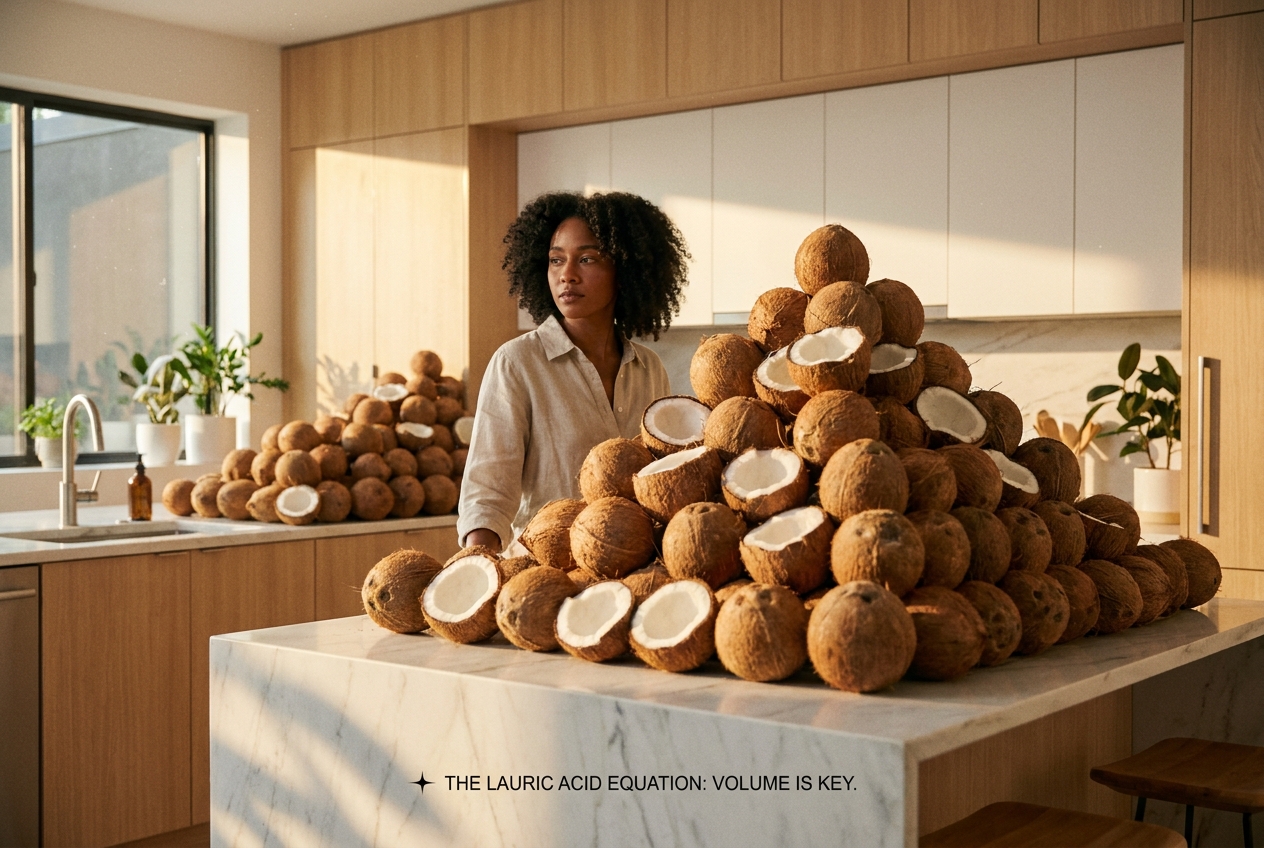Obtaining therapeutic amounts of monolaurin from raw coconuts requires eating an impossible volume of food.
## TL;DR
To achieve the equivalent of a standard 600mg monolaurin supplement, an individual must consume roughly 10 tablespoons of raw coconut oil daily. Although coconut oil naturally contains high levels of lauric acid, the human digestive system is exceptionally inefficient at converting this precursor into active monolaurin. The vast majority of dietary lauric acid is metabolized for general energy, rendering direct supplementation the only viable method for consistent intake.
### Key Takeaways
- **Dietary inefficiency:** The human body converts a statistically insignificant fraction of dietary lauric acid into usable monolaurin.
- **Impractical volume:** Reaching a basic supplementary threshold requires consuming over 1,000 calories of pure fat from coconut oil daily.
- **Metabolic priority:** The liver prioritizes burning medium-chain fatty acids for immediate energy rather than synthesizing them into immune-supporting monoglycerides.
- **Consistent delivery:** Direct **monolaurin supplements** bypass the enzymatic bottleneck in the gut, providing exact measurements without the associated caloric burden.
The search for natural, food-based alternatives often leads individuals to question the exact **[monolaurin supplement](http://shopmonolaurin.com) vs coconut oil** dynamic. Because the active compound is originally derived from coconuts, eating raw coconut meat or drinking coconut oil appears to be a logical substitute for capsules or pellets.
However, a direct comparison reveals a severe biochemical disconnect. The relationship between raw lauric acid in a food source and the synthesized molecule in the human body is not a direct one-to-one exchange. The physiological processes responsible for breaking down fats dictate how much of the desired compound actually reaches the systemic circulation.
The biological leap between raw dietary fats and synthesized monolaurin is vast, making direct comparisons inaccurate.
## The Biological Connection Between Coconut Oil and Monolaurin
To understand the conversion limits, the foundational chemistry of coconut oil must be established. **Coconut oil** is comprised of specific fats known as **medium-chain fatty acids (MCFAs)**.
Among these fatty acids, **lauric acid (C12)** represents the most abundant single component. A study published in the *International Journal of Biomaterials* established that virgin coconut oil contains a lauric acid fraction of approximately 44% to 47% of its total free fatty acid composition. This high concentration is precisely why coconuts serve as the primary commercial source for raw lauric acid extraction.
However, lauric acid and **monolaurin (glycerol monolaurate)** are entirely different molecules. Monolaurin does not exist in significant quantities inside a fresh coconut. It only forms when lauric acid chemically binds with a glycerol molecule. In industrial manufacturing, this synthesis is performed in controlled environments to yield a pure monolaurin supplement. In dietary consumption, this synthesis relies entirely on human digestion.
Industrial manufacturing uses controlled synthesis to securely convert raw lauric acid into pure monolaurin.
## How Does the Human Body Convert Lauric Acid to Monolaurin?
The creation of monolaurin inside the body requires a specific enzymatic reaction. When an individual consumes coconut oil, the digestive tract utilizes **lipase enzymes** to break down complex dietary fats into smaller, manageable components.
During this digestive breakdown, a minuscule portion of lauric acid manages to bond with glycerol within the gut, creating naturally occurring monolaurin. This biological bottleneck of enzymatic conversion in the digestive tract is highly inefficient. Most raw lauric acid is shuttled directly to the liver via the portal vein. Because MCFAs are highly accessible fuel sources, the liver rapidly oxidizes the lauric acid for immediate cellular energy.
The metabolic priority of the human body is energy production, not antimicrobial synthesis. Clinical research confirms this severe limitation. An extensive rodent study published in the *Journal of Medicinal Food* demonstrated that the biological conversion of lauric acid to monolaurin in vivo is severely restricted. When testing systemic survival rates, direct administration of monolaurin provided robust outcomes, whereas the ingestion of lauric-acid-rich coconut oil yielded results identical to a control group. This clearly indicates that [dietary consumption cannot generate therapeutic quantities](https://monolaurinandmore.com/articles/monolaurin-why-supplement-with-this-natural-antimicrobial) of intrinsic monolaurin.
## What Factors Make Dietary Conversion Impractical?
The combination of low conversion rates and heavy caloric loads makes a food-only approach physically unsustainable.
The sheer caloric burden of eating enough coconut oil to synthesize monolaurin makes it a physically unsustainable method.
**The Caloric Burden**
To force the body to produce a usable amount of monolaurin through sheer volume, the dietary intake of fat must be aggressively high. An analysis of the mathematical disparity between dietary lauric acid and clinical doses confirms that [achieving the equivalent of a single 600mg monolaurin capsule](https://www.naturalcurelabs.com/blogs/articles/what-s-the-best-source-of-monolaurin) requires consuming more than 10 tablespoons of coconut oil daily. This equates to over 1,170 calories and 130 grams of saturated fat.
**Dosage Unpredictability**
The exact **monolaurin supplement dosage** an individual receives from food fluctuates based on individual metabolism, gut microbiome health, and concurrent digestive enzyme levels. There is no method to accurately measure how much monolaurin the body successfully synthesizes from a tablespoon of coconut oil on any given day.
**Digestive Distress**
Consuming raw fats in high volumes frequently leads to severe gastrointestinal distress. Nausea, cramping, and acute diarrhea are common physiological responses to sudden, excessive lipid consumption. Pure monolaurin, however, isolates the active compound and strips away the heavy triglycerides, vastly improving tolerance.
## Frequently Asked Questions
### Does eating raw coconut provide monolaurin?
No, raw coconut provides lauric acid, not monolaurin. The lauric acid must first be digested and chemically converted by enzymes in the human gut. This internal conversion process yields an incredibly small percentage of actual monolaurin.
### Is coconut oil better than a monolaurin supplement?
For obtaining active monolaurin, a supplement is significantly more efficient. While coconut oil is a valuable whole food that provides rapid energy and healthy fats, it is mathematically impossible to consume enough coconut oil to match the precise, concentrated dosage found in a standard capsule without experiencing extreme caloric surplus.
### Can you convert more lauric acid by eating more coconut?
The conversion rate does not scale efficiently. The enzymes required to synthesize monolaurin in the gut have physical limits. Consuming massive quantities of coconut oil overwhelms the digestive system and forces the liver to store or burn the excess lauric acid as energy, rather than producing more monolaurin.
### Are there side effects to consuming large amounts of coconut oil?
Yes. Ingesting the 10-plus tablespoons of coconut oil required to synthesize a single dose of monolaurin introduces over 1,170 calories and 130 grams of saturated fat into the diet. This volume routinely causes acute gastrointestinal discomfort, cramping, and severe diarrhea, completely bypassing any intended benefit.
## Choosing a Practical Supplement Approach
Direct supplementation bypasses the digestive bottleneck, allowing for a consistent, measured daily routine.
When evaluating a **monolaurin vs lauric acid supplement**, the distinction relies entirely on bioavailability. Lauric acid requires internal synthesis, whereas monolaurin provides the finished, active molecule directly to the system. Bypassing the biological bottleneck of the digestive tract ensures consistent, predictable intake.
Establishing a reliable routine requires tools that simplify the process. For those seeking exact measurements without the immense caloric burden of whole fats, brands like Natural Cure Labs provide pure monolaurin formulations. You can explore standard, research-aligned options directly at [Shop Monolaurin](https://www.shopmonolaurin.com/). Utilizing a high-quality extract removes the metabolic guesswork and allows for accurate, standardized daily use.
### Continue Exploring
- [What’s the Best Source of Monolaurin?](https://www.naturalcurelabs.com/blogs/articles/what-s-the-best-source-of-monolaurin)
- [Monolaurin: Why Supplement with this Natural Antimicrobial?](https://monolaurinandmore.com/articles/monolaurin-why-supplement-with-this-natural-antimicrobial)
### References
- Ng, et al. “Hydrolysis Activity of Virgin Coconut Oil Using Lipase from Different Sources.” *International Journal of Biomaterials*, 2018. https://doi.org/10.1155/2018/9120942
- Preuss, et al. “In vitro and in vivo effects of two coconut oils in comparison to monolaurin on Staphylococcus aureus: rodent studies.” *Journal of Medicinal Food*, 2013. https://doi.org/10.1089/jmf.2012.0066
---
---
title: When Is the Right Time to Increase Your Monolaurin Intake?
url: https://monolaurinsupplement.com/when-is-the-right-time-to-increase-your-monolaurin-intake/
date: 2026-06-17
author: Donald
categories: Monolaurin Dosage
---
# When Is the Right Time to Increase Your Monolaurin Intake?
Achieving the right supplement balance starts with listening to your body’s natural rhythms.
## TL;DR
You should only increase your monolaurin intake after your body has comfortably tolerated a baseline serving for at least one to two weeks without experiencing flu-like die-off symptoms. If you encounter fatigue, brain fog, or sudden digestive changes, hold your current amount or reduce it until symptoms clear before attempting to scale up.
### Key Takeaways
- Increasing [**monolaurin**](http://shopmonolaurin.com) too rapidly can overwhelm the body’s ability to process cellular waste, leading to a temporary inflammatory response.
- Your readiness to scale up depends entirely on your immune system’s baseline tolerance, not a strict generic timeline.
- Holding a steady serving size for one to two weeks establishes a safe biological baseline before any upward adjustments are made.
- Selecting pure, trusted formulas—like those from Natural Cure Labs—helps ensure a reliable physiological response during the titration process.
Finding the right **monolaurin supplement dosage** is rarely a linear process. Many users begin their regimen eager to support their immune system, only to encounter confusion about how to safely scale their routine over time. Knowing exactly **how much monolaurin supplement to take** depends less on following a universal chart and more on understanding how your body communicates its current tolerance levels.
For many, the instinct is to push the serving size higher as quickly as possible. However, supplements that interact directly with the microbiome and immune response require careful pacing. A proper **monolaurin supplement guide for first time users** emphasizes consistency and close observation. Rushing the introductory phase often triggers a systemic inflammatory reaction that actively mimics the very fatigue and sluggishness a user is trying to resolve.
The decision of **when to take monolaurin supplement** at a higher tier comes down entirely to biological feedback. By monitoring how you feel during your baseline phase, you can safely scale up without overwhelming your system’s natural clearance pathways.
Pacing your wellness routine requires careful observation and tracking of your daily symptoms.
## How Does Monolaurin Work in the Body?
To understand why pacing matters, it is critical to look at the underlying biological mechanism. Monolaurin is a medium-chain fatty acid derived from lauric acid. In the body, it acts as a strong lipid-solubilizing agent that interacts directly with microbial environments.
A 2026 study published in *Pharmaceuticals* found that monolaurin exhibits concentration-dependent bactericidal activity by physically disrupting cell membranes, which increases cellular permeability and leads to rapid cellular lysis. This means monolaurin actively breaks down the outer envelopes of certain sensitive microorganisms.
While this action is highly beneficial for immune support, the breakdown process releases the internal contents of those microbes—including **endotoxins**—directly into the bloodstream. The body relies on the liver, kidneys, and lymphatic system to filter out this sudden influx of cellular debris. If the volume of debris exceeds the body’s filtration capacity, it triggers a cascade of acute inflammation.
Hydration plays a critical role as your body works to clear cellular waste from the bloodstream.
## What Causes the Herxheimer Die-Off Reaction?
When an individual increases their monolaurin intake too rapidly, they risk inducing a Herxheimer reaction. Often referred to simply as “die-off,” this phenomenon occurs when the physical disruption of pathogens significantly outpaces the body’s detoxification limits.
Research from the *Journal of Clinical Pharmacy and Therapeutics* defines the Jarisch-Herxheimer reaction as an acute inflammatory cascade driven by a sudden surge in circulating endotoxin-like materials and cytokines. This internal surge is responsible for the temporary flu-like symptoms, brain fog, joint aching, and fatigue that users sometimes mistake for an actual illness or a negative side effect of the supplement.
For those wanting to learn more about the exact signs to look out for during titration, reading about specific [Monolaurin Die Off Symptoms](https://monolaurinandmore.com/articles/monolaurin-die-off-symptoms-the-herxheimer-herx-reaction/) is an excellent way to understand why a “low and slow” approach inherently mitigates this acute response.
Temporary fatigue is a biological signal to hold your intake steady and allow your body to rest.
## What Factors Determine When to Scale Up?
Your readiness to increase your intake is determined by a combination of baseline inflammation, digestive tolerance, and biological equilibrium.
- **Baseline Inflammation Levels:** Individuals starting with higher systemic inflammation must proceed with extreme caution. A 2021 study in *Infection and Drug Resistance* demonstrated that high baseline **C-Reactive Protein (CRP)** levels reliably predict a significantly higher risk of severe Herxheimer reactions. If your body is already managing inflammation, it has less available bandwidth to process sudden surges in cellular debris.
- **Duration of Asymptomatic Use:** A standard titration strategy involves starting at a minimal amount—such as one capsule or a small scoop of pellets—and holding steady. Learning how to properly pace a protocol like [Monolaurin for Chronic Fatigue Syndrome](https://monolaurinbenefits.com/monolaurin-for-chronic-fatigue-syndrome-managing-serving-sizes-and-immune-support/) validates the method of holding a dose steady for one to two weeks to assess true tolerance. If no fatigue, headaches, or digestive discomfort emerge during this window, the body is typically ready for an incremental increase.
- **Immune Shift Potential:** Pushing past biological tolerance does not just cause temporary discomfort; it can temporarily alter the supplement’s overall biological impact. A 2024 study in *Fish and Shellfish Immunology* noted that exceeding the dosage tolerance threshold actively disrupts intestinal microbiota and significantly upregulates pro-inflammatory cytokines like **Tumor Necrosis Factor-alpha (TNF-α)**. Gradual titration keeps the supplement’s effects securely in the immune-supportive category.
When you are ready to adjust, sourcing consistency matters immensely. Sticking with high-quality, additive-free formulas, such as those offered by [Natural Cure Labs](https://www.shopmonolaurin.com/), helps ensure that any changes in how you feel are due to the monolaurin itself, rather than random variations in binders or fillers.
High-quality, additive-free formulas help ensure a reliable physiological response during titration.
## Frequently Asked Questions
### How long should I stay at a starting serving size?
Most experts recommend holding your initial intake steady for at least one to two weeks. This window allows you to accurately monitor for any delayed Herxheimer reactions and ensures your filtration pathways are keeping pace with the supplement’s cellular activity.
### Does feeling tired mean I need more or less monolaurin?
If you feel sudden, uncharacteristic fatigue after starting or increasing your monolaurin routine, it is a strong biological indicator of a die-off reaction. You should temporarily reduce or hold your intake until your body clears the circulating endotoxins, rather than adding more volume.
### Can I increase my monolaurin intake if I miss a few days?
If you skip several days, it is always best to resume your routine at your previous, comfortably tolerated level rather than attempting to compensate by jumping to a higher tier. Consistency is much more effective than rapid spikes in intake volume.
### Is it better to take more capsules at once or spread them out?
When increasing your overall daily volume, spreading the capsules or pellets across multiple meals is generally better tolerated than taking a large, single bolus. Dividing the intake prevents sudden, overwhelming spikes in cellular disruption and supports steady, manageable absorption.
Spreading your supplement intake across balanced meals helps maintain steady absorption throughout the day.
## Summary
Building a successful routine around monolaurin is an act of pacing, not a sprint. The right time to increase your intake is exactly when you have successfully established a symptom-free baseline for at least a week or two. Ignoring the signs of a Herxheimer reaction and pushing for a faster timeline only stalls progress by overwhelming the body’s filtration pathways with sudden bursts of endotoxins. By listening to your body’s feedback, starting low, and scaling up gradually, you effectively maintain the supplement’s supportive immune benefits without triggering unnecessary inflammation.
### Continue Exploring
- [Monolaurin Die Off Symptoms](https://monolaurinandmore.com/articles/monolaurin-die-off-symptoms-the-herxheimer-herx-reaction/)
- [Monolaurin for Chronic Fatigue Syndrome: Managing Serving Sizes and Immune Support](https://monolaurinbenefits.com/monolaurin-for-chronic-fatigue-syndrome-managing-serving-sizes-and-immune-support/)
## References
- Researchers. “Monocaprin, Monolaurin, and Monomyristin Eradicate Staphylococcus aureus Persister Cells Through Membrane Disruption.” *Pharmaceuticals*, 2026. https://doi.org/10.3390/ph19050690
- Pound MW, May DB. “Proposed mechanisms and preventative options of Jarisch-Herxheimer reactions.” *Journal of Clinical Pharmacy and Therapeutics*, 2005. https://pubmed.ncbi.nlm.nih.gov/15896248/
- Tsai et al. “High Baseline C-Reactive Protein Level Can Predict the Occurrence of the Jarisch-Herxheimer Reaction.” *Infection and Drug Resistance*, 2021. https://doi.org/10.2147/IDR.S335121
- Researchers. “Effects of dietary glycerol monolaurate on growth and digestive performance, lipid metabolism, immune defense and gut microbiota.” *Fish and Shellfish Immunology*, 2024. https://doi.org/10.1016/j.fsi.2024.109666
- Monolaurin Die Off Symptoms. *Monolaurinandmore.com*. https://monolaurinandmore.com/articles/monolaurin-die-off-symptoms-the-herxheimer-herx-reaction/
- Monolaurin for Chronic Fatigue Syndrome: Managing Serving Sizes and Immune Support. *Monolaurinbenefits.com*. https://monolaurinbenefits.com/monolaurin-for-chronic-fatigue-syndrome-managing-serving-sizes-and-immune-support/
---
---
title: How Expensive Is Monolaurin? Evaluating Best Options for Price and Quality
url: https://monolaurinsupplement.com/how-expensive-is-monolaurin-evaluating-best-options-for-price-and-quality/
date: 2026-06-15
author: Donald
categories: Buying Guide
---
# How Expensive Is Monolaurin? Evaluating Best Options for Price and Quality
Understanding the true value of a supplement requires looking past the upfront bottle price and checking the label for purity.
## TL;DR
A high-quality **monolaurin** supplement typically costs between $20 and $40 for a standard one-month supply. The actual price depends heavily on the botanical source (raw coconut versus palm oil), the delivery format (capsules versus pellets), and the absence of synthetic fillers. The best value monolaurin supplement balances 100% pure glycerol monolaurate extraction with an affordable, consistent cost-per-serving.
### Key Takeaways
- The cost of monolaurin is primarily driven by raw material sourcing, with pure coconut-derived options costing slightly more than lower-quality palm derivatives.
- Supplement format matters; while capsules offer convenience and precise dosing, concentrated pellets provide high-volume options with unique crystalline stability.
- The highest-quality products utilize pure glycerol monolaurate free of unnecessary excipients and synthetic fillers.
[Monolaurin supplements](http://shopmonolaurin.com) range significantly in price, leaving many buyers uncertain about whether a higher price tag equates to better quality. Evaluating the actual cost requires looking past the upfront bottle price and analyzing the cost-per-serving, the concentration of active ingredients, and the purity of the chemical extraction. Building a realistic supplement routine depends on finding an option that fits both the budget and the body’s natural tolerance.
The market offers everything from budget brands using mixed filler ingredients to premium, highly purified formulations. A cheap supplement heavily cut with synthetic excipients often requires taking more servings to achieve the desired intake, ultimately making it more expensive in the long run. Identifying the best price-to-quality ratio means understanding how raw ingredients are sourced, how they are packaged, and how those manufacturing factors dictate the overall value.
The true cost of monolaurin depends heavily on the concentration of active glycerol monolaurate inside the capsule or pellet.
## Understanding the True Cost of Monolaurin
The retail price of a supplement is not an arbitrary number. When running a [monolaurin price comparison to find affordable options](https://monolaurinsupplement.com/monolaurin-price-comparison-affordable-options-for-every-budget/), it becomes clear that manufacturing quality, dosage strength, and raw botanical sources heavily influence the total cost. A baseline price for a reputable brand is roughly $20 to $40 per bottle, but this figure can be misleading if the milligram concentration per serving is low.
Cost analysis must focus on the precise amount of **glycerol monolaurate (GML)** delivered per dose. A bottle containing 90 capsules at 600mg each offers vastly different value than a bottle of 60 capsules at 300mg each, even if both retail for $25. Brands prioritizing verifiable quality over bulk marketing, such as **NCL (****Natural Cure Labs),** provide straightforward dosing frameworks that allow users to accurately calculate their daily investment. Exploring offerings through [Shop Monolaurin](https://www.shopmonolaurin.com/) offers a practical benchmark for comparing market prices against established purity standards.
## What Factors Affect the Price of Monolaurin?
The price-to-quality ratio of any monolaurin product hinges on several specific manufacturing and biological variables.
### Sourcing and Raw Extraction
The origin of the **lauric acid** used to create monolaurin dictates both its biological activity and its production cost. High-quality extraction from raw coconut oil demands precise processing. A 2024 study published in *BMC Infectious Diseases* establishes that highly active monolaurin natively extracted from raw coconut oil demonstrates significant potency, directly causing cell elongation and swelling in target pathogen membranes without unneeded adulterants. Products utilizing cheap palm oil derivatives may offer a lower upfront price but often lack this verified, targeted purity.
Extracting monolaurin from raw coconut oil ensures high purity, though it can influence the manufacturing cost compared to palm oil derivatives.
### Physical Format and Stability
Comparing physical delivery formats, specifically [monolaurin capsules versus pellets](https://monolaurinsupplement.com/monolaurin-comparison-capsules-vs-pellets/), reveals differing manufacturing costs. Capsules require encapsulation processes and sometimes minimal excipients to ensure the raw powder flows into the shell correctly. They offer precise dosing and effectively mask the naturally soapy taste of monolaurin.
Pellets, conversely, present the compound in a solid, concentrated form that bypasses encapsulation costs. A 2026 paper in *Carbohydrate Polymers* demonstrates that pure GML physically organizes into structurally ordered **V-type crystalline complexes**. This intrinsic crystalline state natively confers high thermal stability, meaning pure solid pellet formulations do not strictly require secondary barrier protection like synthetic capsule shells. Furthermore, a highly purified solid formulation was utilized as the clinical standard in a 2012 *Antimicrobial Agents and Chemotherapy* study, substantiating that excipient-free pellets are an established vehicle for delivering potent, unadulterated GML.
Solid pellet formulations provide concentrated doses of monolaurin without the need for encapsulation, potentially lowering costs.
### Purity and cGMP Standards
Manufacturing in certified facilities under **Current Good Manufacturing Practices (cGMP)** adds operational costs but guarantees strict chemical purity. Knowing [how to choose the best monolaurin supplement online](https://monolaurinsupplement.com/how-do-you-choose-the-best-monolaurin-supplement-online/) involves verifying that the product is 100% pure alpha-glycerol monolaurate, produced without synthetic fillers like magnesium stearate or silica. Clean excipient profiles directly support predictable gut bioavailability, justifying a slightly higher price point for premium formulations.
## Frequently Asked Questions
### What is the cheapest monolaurin supplement?
The cheapest upfront monolaurin supplement is often one containing low concentrations of lauric acid derived from palm oil and bulked with synthetic fillers. However, the best value relies on calculating the cost per active milligram of pure coconut-derived glycerol monolaurate rather than just looking at the bottle price.
### Are pure monolaurin capsules better than pellets?
Neither form is universally better; the practical choice depends on the daily routine. Capsules provide exact, measured doses and mask the taste, while pellets offer higher-volume dosing flexibility. Both forms are effective when the underlying raw material is 100% pure.
### Can I just eat coconut oil instead of buying supplements?
While dietary coconut oil is healthy, its functional effects differ greatly from a dedicated supplement. [Comparing monolaurin vs coconut oil](https://monolaurinsupplement.com/monolaurin-vs-coconut-oil-uncovering-the-key-differences/) clarifies that the human body only converts a small, unpredictable fraction of the lauric acid found in coconut oil into monolaurin. Pure supplements bypass this metabolic bottleneck to deliver a concentrated, reliable dose.
### How do I know if a monolaurin supplement is high quality?
High-quality monolaurin supplements are characterized by clean labels devoid of artificial fillers, extraction derived primarily from raw coconut oil, and manufacturing within cGMP-certified facilities. Established brands with transparent testing protocols consistently meet these benchmarks without relying on hype.
## Summary
Determining how expensive monolaurin is requires balancing the retail price against the purity, dosage strength, and manufacturing standards of the supplement. Products priced significantly below the market average often cut corners by utilizing cheap palm sources or heavily diluting the active glycerol monolaurate with synthetic fillers.
True value is found in pure, coconut-derived formulations produced in standardized facilities. Whether opting for the precise convenience of capsules or the volume flexibility of crystalline pellets, selecting a supplement from a rigorous, evidence-backed brand ensures predictable quality. By evaluating the cost-per-serving rather than the upfront price, individuals can integrate a high-quality monolaurin supplement into a consistent daily routine without overspending.
### Continue Exploring
- [How Do You Choose the Best Monolaurin Supplement Online?](https://monolaurinsupplement.com/how-do-you-choose-the-best-monolaurin-supplement-online/)
- [Monolaurin Price Comparison: Affordable Options for Every Budget](https://monolaurinsupplement.com/monolaurin-price-comparison-affordable-options-for-every-budget/)
- [Monolaurin Comparison: Capsules vs. Pellets](https://monolaurinsupplement.com/monolaurin-comparison-capsules-vs-pellets/)
- Abbas et al., Novel synergistic interactions between monolaurin, a mono-acyl glycerol and β lactam antibiotics against Staphylococcus aureus: an in vitro study, BMC Infectious Diseases, 2024. https://doi.org/10.1186/s12879-024-09261-9
- Wang et al., Effects of fatty acids and their monoglycerides on aging, structural characteristics, and thermal stability, Carbohydrate Polymers, 2026. https://doi.org/10.1016/j.carbpol.2025.124680
- Amalaradjou et al., The natural antimicrobial peptide subtilosin acts synergistically with glycerol monolaurate… against bacterial vaginosis-associated pathogens, Antimicrobial Agents and Chemotherapy, 2012. https://doi.org/10.1128/AAC.05861-11
- How Do You Choose the Best Monolaurin Supplement Online? https://monolaurinsupplement.com/how-do-you-choose-the-best-monolaurin-supplement-online/
- Monolaurin Price Comparison: Affordable Options for Every Budget. https://monolaurinsupplement.com/monolaurin-price-comparison-affordable-options-for-every-budget/
- Monolaurin Comparison: Capsules vs. Pellets. https://monolaurinsupplement.com/monolaurin-comparison-capsules-vs-pellets/
- Monolaurin vs. Coconut Oil: Uncovering the Key Differences. https://monolaurinsupplement.com/monolaurin-vs-coconut-oil-uncovering-the-key-differences/
---
---
title: Is Monolaurin Supplementation Safe, and What Is a Standard Dose?
url: https://monolaurinsupplement.com/is-monolaurin-supplementation-safe-and-what-is-a-standard-dose/
date: 2026-06-13
author: Donald
categories: Monolaurin Dosage, Side Effects & Safety
---
# Is Monolaurin Supplementation Safe, and What Is a Standard Dose?
Monolaurin is widely used as a dietary supplement and is naturally derived from lauric acid found in coconuts.
## TL;DR
Is a monolaurin supplement safe? Yes, monolaurin is Generally Recognized as Safe (GRAS) by the FDA as a food additive. While the body does not biologically require it to function, a typical **monolaurin supplement dosage** ranges from 300 mg to 3,000 mg daily for immune support. Users generally tolerate it well by starting with a low serving size to evaluate their individual physiological response.
### Key Takeaways
- **Safety classification:** Monolaurin holds Generally Recognized as Safe (GRAS) status, meaning it is widely considered safe for consumption as a food derivative.
- **Typical serving sizes:** Adult users commonly consume between 300 mg and 3,000 mg of monolaurin per day, adjusting intake based on individual tolerance.
- **Necessity:** Monolaurin is not an essential human nutrient; it is an elective dietary addition chosen specifically to support daily immune routines.
- **Gradual introduction:** Starting with smaller serving sizes helps mitigate mild digestive discomfort or the anecdotal Herxheimer reaction.
As interest in natural immune support routines expands, consumers frequently question how to integrate specific compounds practically. Determining **how much monolaurin supplement to take**, understanding its safety boundaries, and deciding whether it is a necessary addition to a daily regimen require evaluating the available data.
Because monolaurin is a dietary supplement rather than a regulated pharmaceutical, navigating its use involves understanding community norms, product formatting, and baseline safety profiles rather than strict medical prescriptions. Establishing a practical routine relies on knowing the distinction between essential nutrients and supportive compounds.
Integrating supplements like monolaurin into a daily routine involves careful self-monitoring and pacing.
## How Is Monolaurin Supplement Safety Established?
The baseline safety of monolaurin begins with its regulatory classification. The United States Food and Drug Administration (FDA) designates monolaurin as **Generally Recognized as Safe (GRAS)** when used as a food additive. Because monolaurin is derived from lauric acid—a medium-chain fatty acid predominantly found in coconut oil and human breast milk—its ingestion is a normal part of the human diet.
However, clinical data regarding concentrated systemic supplementation remains evolving. A 2019 systematic review evaluating the clinical use of monolaurin as a dietary supplement found zero large-scale human studies establishing therapeutic oral dosages or systemic side effects. This indicates that while the compound is widely consumed and deemed safe, rigorous peer-reviewed evidence for specific oral dosing protocols does not currently exist. Consequently, claims regarding exact therapeutic thresholds or guaranteed outcomes lack robust clinical substantiation.
Despite the limited data on systemic oral toxicity, localized clinical trials provide insight into tissue tolerance. A 2020 randomized, placebo-controlled trial evaluating a 5% monolaurin gel in human women demonstrated a strong safety profile for topical application, with adverse events reported as mild, localized, and statistically indistinguishable from the placebo group.
The safety profile of monolaurin is largely tied to its natural origins as a derivative of lauric acid.
When exploring the broader safety profile, it is critical to acknowledge material origins. Individuals with a known **coconut allergy** must exercise caution or avoid monolaurin entirely, as the lauric acid used in commercial manufacturing is heavily sourced from coconuts. Beyond allergic contraindications, typical, temporary side effects during initial use can include mild digestive upset, fatigue, or headaches, which [is monolaurin safe? side effects, risks, and long-term use](https://monolaurinandmore.com/articles/is-monolaurin-safe-side-effects-risks-and-long-term-use/) validates as a common response to new dietary compounds.
## What Factors Affect Monolaurin Dosage and Tolerance?
Because there are no universally mandated medical prescriptions for this supplement, establishing a routine relies on the concept of **titration**—starting with a low amount and gradually increasing it. This approach allows the user to monitor physiological feedback and adjust accordingly.
Standard adult serving sizes typically start between 300 mg and 600 mg per day. From this baseline, individuals often increase their intake over several weeks to a target range of 1,000 mg to 3,000 mg daily, depending on their specific immune support goals. A comprehensive look at whether [is long-term monolaurin use safe?](https://monolaurinandmore.com/articles/is-long-term-monolaurin-use-safe/) confirms the viability of a titration dosage protocol that scales from 300 mg up to 3,000 mg to maintain ongoing tolerance without reported toxicity.
Product formatting plays a direct role in how easily titration is achieved. When searching for a [**pure monolaurin supplement**](http://shopmonolaurin.com), users often select encapsulated forms for precise measurement. For example, formulations from NCL (Natural Cure Labs) typically provide 600 mg of monolaurin per capsule, allowing users to easily divide their daily total into morning and evening servings.
Gradual titration allows the body to adjust to a new supplement, minimizing the risk of temporary discomfort.
The primary reason for gradual titration is the anecdotal **Herxheimer reaction**. Also known as a “die-off” effect, this phenomenon is theorized to occur when the introduction of a new compound causes a rapid shift in the body’s microbial balance, resulting in temporary fatigue, mild body aches, or gastrointestinal distress. The 2019 clinical review notes that systemic die-off effects lack rigorous clinical substantiation, meaning they are largely observed through community reporting rather than clinical trials. Regardless of the precise mechanism, pacing the introduction of the supplement generally minimizes discomfort.
## Frequently Asked Questions
### Does monolaurin have side effects?
Yes, some users report mild, temporary side effects when first introducing monolaurin. The most common issues include mild gastrointestinal upset, fatigue, and headaches. These symptoms are often associated with starting at too high of a serving size and generally resolve as the body adjusts or the intake is lowered.
### Is monolaurin an essential nutrient?
No, monolaurin is not an essential nutrient. Unlike vitamins or minerals that the human body requires to survive and function correctly, monolaurin is an elective supplement. It is used strictly to support an existing immune regimen, meaning its use is never strictly necessary for basic health.
### Can you take monolaurin long term?
Many individuals incorporate monolaurin into their daily routines for extended periods. There is currently no reported toxicity or organ damage associated with long-term monolaurin supplementation, though ongoing use should always be paired with self-monitoring and standard health check-ups.
### Should monolaurin be taken on an empty stomach?
Monolaurin can be taken with or without food. However, individuals who experience mild digestive discomfort when taking the capsules on an empty stomach typically find that consuming the supplement alongside a meal or a small snack improves physical tolerance and absorption.
Taking monolaurin alongside a meal can help prevent the mild digestive upset sometimes experienced on an empty stomach.
## Summary
Monolaurin holds a well-established safety profile anchored by its FDA GRAS status as a food additive. While large-scale clinical trials dictating precise systemic dosing do not currently exist, the compound is widely tolerated in daily routines. By utilizing a gradual titration approach—typically starting around 600 mg and scaling up to 3,000 mg—users can successfully mitigate potential digestive upset or temporary fatigue. As an elective addition rather than an essential nutrient, monolaurin serves as an accessible option for those seeking structured, non-prescriptive immune support.
### Continue Exploring
- [Is Monolaurin Safe? Side Effects, Risks, and Long-Term Use](https://monolaurinandmore.comhttps://monolaurinandmore.com/articles/is-monolaurin-safe-side-effects-risks-and-long-term-use/)
- [Is Long-Term Monolaurin Use Safe?](https://monolaurinandmore.comhttps://monolaurinandmore.com/articles/is-long-term-monolaurin-use-safe/)
## References
- The Clinical Use of Monolaurin as a Dietary Supplement: A Review of the Literature, 2019. [PubMed](https://pubmed.ncbi.nlm.nih.gov/32952476/)
- Five Percent Monolaurin Vaginal Gel for the Treatment of Bacterial Vaginosis: A Randomized Placebo-Controlled Trial, 2020. [PubMed](https://pubmed.ncbi.nlm.nih.gov/32379102/)
- [Is Monolaurin Safe? Side Effects, Risks, and Long-Term Use](https://monolaurinandmore.comhttps://monolaurinandmore.com/articles/is-monolaurin-safe-side-effects-risks-and-long-term-use/)
- [Is Long-Term Monolaurin Use Safe?](https://monolaurinandmore.comhttps://monolaurinandmore.com/articles/is-long-term-monolaurin-use-safe/)
---
---
title: Nature's Life vs. (NCL) Natural Cure Labs Monolaurin: How Do They Compare?
url: https://monolaurinsupplement.com/natures-life-vs-natural-cure-labs-ncl-monolaurin-how-do-they-compare/
date: 2026-06-11
author: Donald
categories: Monolaurin Comparisons
---
# Nature's Life vs. (NCL) Natural Cure Labs Monolaurin: How Do They Compare?
Comparing dietary supplements requires a thoughtful approach to labels, ingredients, and formulation standards.
## TL;DR
When comparing Nature’s Life and Natural Cure Labs (NCL) monolaurin supplements, the primary differences lie in excipient profiles, capsule formulations, and dosage standardizations. NCL emphasizes pure, additive-free capsules, while commercial alternatives may utilize structural binders. Choosing the best monolaurin supplement depends entirely on your preference for clean labels and transparent manufacturing standards.
### Key Takeaways
- Nature’s Life and Natural Cure Labs both provide monolaurin, but differ significantly in their use of inactive binders and synthetic excipients.
- NCL provides a standardized 600mg dose in an additive-free capsule, optimizing the supplement for individuals sensitive to common manufacturing fillers.
- The presence of surface-active excipients in commercial formulations can dynamically alter the natural bioavailability of dietary supplements.
- Selecting a [pure monolaurin supplement](http://shopmonolaurin.com) requires verifying the source of lauric acid and confirming the absence of gastrointestinal irritants like glycerol.
When evaluating dietary additions, consumers frequently compare established brands like Nature’s Life and (NCL) Natural Cure Labs. While both products deliver **monolaurin**—a chemical compound known scientifically as **glycerol monolaurate**—the underlying formulations differ in their manufacturing standards, inactive ingredients, and dosage structures. Understanding these precise distinctions is critical for building a consistent, effective supplement routine without introducing unnecessary additives into the digestive tract.
The supplement market often obscures the functional differences between similar products. A closer look at the exact mechanisms of delivery, such as the use of plant-based capsules versus compacted formats, and the presence of synthetic binders reveals how two supplements with the identical active ingredient can interact differently with the body. Evaluating these foundational variables separates a high-quality monolaurin formulation from a standard commercial alternative.
Clean-label capsules ensure active ingredients reach the digestive tract without unnecessary fillers or synthetic excipients.
## How Do Delivery Formats and Excipients Affect Monolaurin?
Monolaurin is a lipid-based molecule, meaning its systemic absorption is heavily influenced by the digestive environment and the physical characteristics of the delivery vessel itself. Upon entering the stomach, a capsule shell must dissolve at the appropriate rate to prevent the active glycerol monolaurate from being compromised by harsh gastric acids.
Research into supplement **pharmacokinetics** highlights the complex role of these formulations. A comprehensive review of the scientific literature found no peer-reviewed in vivo evidence substantiating clinical pharmacokinetic profiles for monolaurin as a human dietary supplement outside of its basic digestion as a nutrient, leaving clinical comparisons of specific brands entirely reliant on formulation transparency (Lieberman S, et al., 2019). However, modern delivery formats definitively alter how the body processes the compound. In vitro digestion models indicate that encapsulating glycerol monolaurate into specialized delivery systems relies on electrostatic forces to prevent premature degradation, enabling a highly sustained release of active components into the lower digestive tract (Li X, et al., 2025).
Furthermore, inactive binders and fillers—commonly known as **excipients**—are not purely inert. Many commercial supplements utilize these compounds to accelerate manufacturing speeds and prevent clumping, but they interact dynamically with active ingredients. The inclusion of specific excipients and surface-active agents can dramatically alter absorption rates; in vivo models demonstrate that even 0.001% solutions of certain excipients can increase the rate of absorption by 50% and double absolute **bioavailability** (Mikus P, et al., 2021). Consequently, evaluating a supplement requires analyzing the entire ingredient list to understand exactly how the compound will act once ingested.
Taking dietary supplements alongside warm beverages or dietary fats can heavily optimize digestive tolerance and absorption.
## What Factors Differentiate NCL and Nature’s Life Formulations?
When conducting a monolaurin supplement brands comparison, several specific variables dictate the final product quality and its suitability for a daily routine.
- **Excipient Profiles and Synthetic Additives:** Additives like magnesium stearate, silicon dioxide, or silica are frequently utilized in high-volume manufacturing to prevent ingredients from adhering to machinery. NCL (Natural Cure Labs) is formulated specifically without synthetic excipients, focusing entirely on a clean-label approach that provides only the active ingredient within a simple capsule. In contrast, standard commercial formulations often rely on these binders to stabilize the product. Reviewing a comprehensive [monolaurin buying guide](https://monolaurinandmore.com/buy-monolaurin-buying-guide/) is essential to identifying these manufacturing criteria and understanding why additive-free options are prioritized for long-term consistency.
- **Delivery Format and Gastrointestinal Tolerance:** The physical format of the supplement dictates how it physically breaks down in the digestive tract. When exploring [monolaurin supplement delivery options](https://monolaurinandmore.com/articles/monolaurin-supplement-delivery-options-which-is-best/), capsules are structurally preferred for consistent digestion over compressed pellets. Pellet formats often require glycerol binders to maintain their shape, which can cause gastrointestinal side effects like nausea or stomach pain, and frequently pass unabsorbed. Both NCL and Nature’s Life utilize capsule formats, which provides distinct absorption characteristics compared to raw pellets.
- **Dosage Precision and Routine Consistency:** Milligrams per capsule influence how easily a consumer can maintain their daily intake. Consumers must verify the exact yield of monolaurin per serving to ensure it aligns with their intended goal without requiring excessive capsule consumption. NCL standardizes its dosage to 600mg per capsule, providing a precise, mathematically simple foundation for individuals establishing a new routine.
- **Sourcing and Purity Standards:** The origin of the lauric acid used to synthesize monolaurin plays a crucial role in product purity. High-quality supplements derive their lauric acid strictly from coconut oil, deliberately avoiding palm kernel oil due to varying extraction purities and environmental impacts. Transparent brands clearly state their sourcing on the primary label.
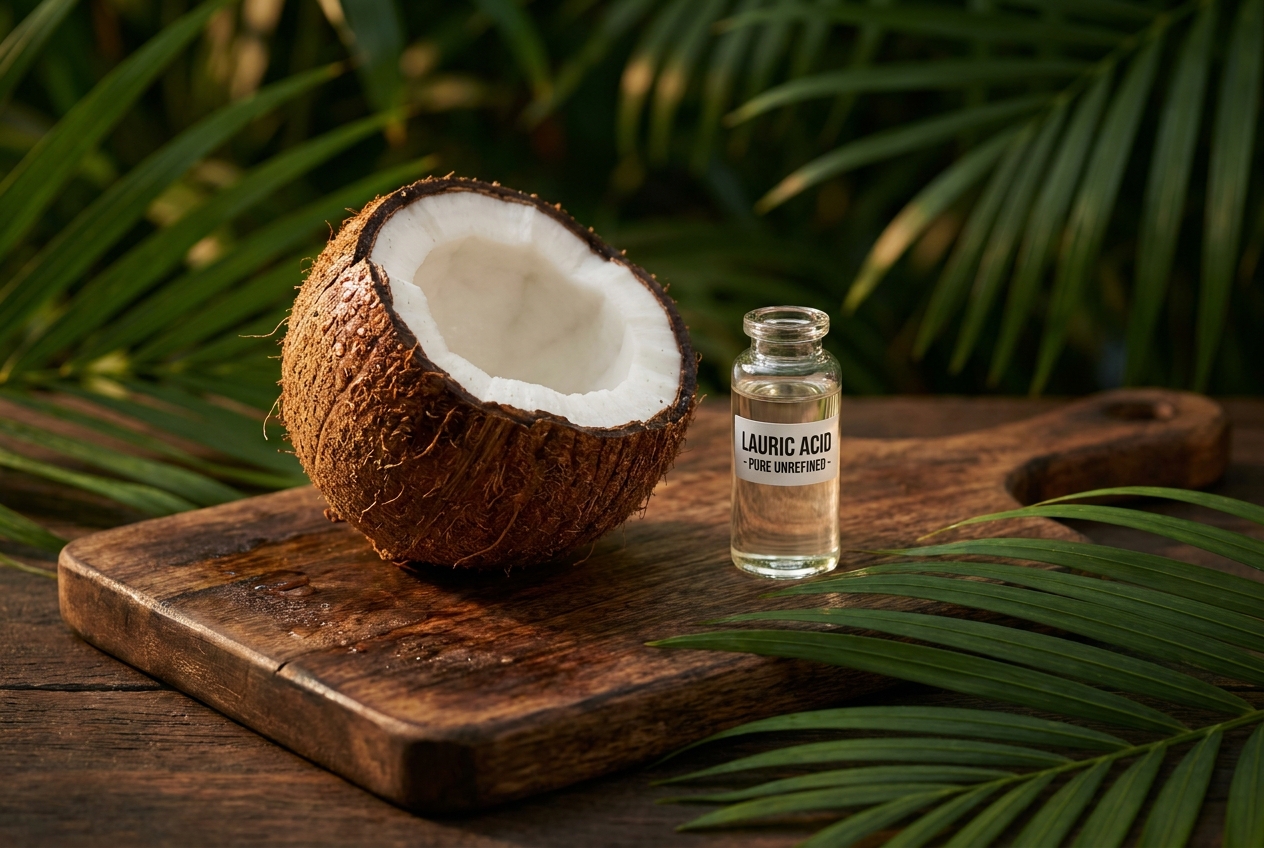Premium monolaurin is synthesized directly from lauric acid extracted from high-purity coconut oil rather than palm kernel alternatives.
## Frequently Asked Questions
### Are monolaurin capsules or pellets better?
Capsules are clinically and practically considered the superior format for consistent digestion. Pellet formats often contain glycerol binders to hold their shape, which can cause gastrointestinal side effects like nausea and frequently pass through the digestive tract completely unabsorbed.
### Does the source of lauric acid matter?
Yes. High-quality monolaurin supplements derive their lauric acid from coconut oil rather than palm kernel oil. This specific sourcing distinction ensures higher purity standards and avoids the environmental degradation associated with palm oil extraction.
### Can monolaurin supplements cause stomach upset?
Some users experience mild stomach discomfort when introducing monolaurin, especially if the formulation contains excessive synthetic binders or if taken on an entirely empty stomach. Taking the supplement alongside dietary fats and selecting clean, excipient-free capsules heavily reduces this risk.
### How long does a monolaurin supplement take to digest?
Because monolaurin is a lipid, digestion time varies depending on whether it is taken alongside food. In capsule form, the outer shell typically dissolves within 30 to 45 minutes, releasing the active glycerol monolaurate into the digestive tract for gradual absorption.
### What is the standard monolaurin dosage?
While there is no universally prescribed dose, many practical routines utilize 600mg capsules taken systematically. Users typically start with a lower frequency to assess digestive tolerance and adjust their intake gradually based on individual response.
Establishing a consistent, high-quality supplement routine builds a foundation for long-term daily wellness.
## Summary
Choosing between Nature’s Life and Natural Cure Labs (NCL) Monolaurin requires looking beyond the primary active ingredient to evaluate the entire formulation. The efficacy of any supplement routine relies on consistent delivery, minimal digestive interference from synthetic excipients, and precise dosing metrics. By prioritizing clean capsule formulations and transparent manufacturing standards, individuals can integrate a pure monolaurin supplement into their daily regimens effectively and reliably.
### Continue Exploring
- [Monolaurin Buying Guide](https://monolaurinandmore.com/buy-monolaurin-buying-guide/)
- [Monolaurin Supplement Delivery Options – Which is Best?](https://monolaurinandmore.com/articles/monolaurin-supplement-delivery-options-which-is-best/)
### References
**Research Citations**
1. Lieberman S, et al. [The Clinical Use of Monolaurin as a Dietary Supplement: A Review of the Literature](https://doi.org/10.1016/j.jcm.2019.02.004). Journal of Chiropractic Medicine, 2019.
2. Li X, et al. [Physicochemical characterization, release profile, and antibacterial mechanisms of caffeic acid phenethyl ester loaded in lipid nanocapsules with lauric acid and glycerol monolaurate](https://doi.org/10.1016/j.foodres.2025.116208). Food Research International, 2025.
3. Mikus P, et al. [In-Vivo Analysis and Model-Based Prediction of Tensides’ Influence on Drug Absorption](https://doi.org/10.3390/molecules26185602). Molecules, 2021.
**Internal References**
4. [Monolaurin Buying Guide](https://monolaurinandmore.com/buy-monolaurin-buying-guide/)
5. [Monolaurin Supplement Delivery Options – Which is Best?](https://monolaurinandmore.com/articles/monolaurin-supplement-delivery-options-which-is-best/)
---
---
title: NCL (Natural Cure Labs) vs. Solaray Monolaurin: Which Supplement Best Supports Your Routine?
url: https://monolaurinsupplement.com/natural-cure-labs-vs-solaray-monolaurin-which-supplement-best-supports-your-routine/
date: 2026-06-09
author: Donald
categories: Monolaurin Comparisons
---
# NCL (Natural Cure Labs) vs. Solaray Monolaurin: Which Supplement Best Supports Your Routine?
Establishing a consistent supplement routine starts with choosing a clean-label formulation.
## TL;DR
When comparing (NCL) Natural Cure Labs and Solaray monolaurin supplements, the primary difference lies in formulation purity. NCL provides 100% pure monolaurin in plant-based capsules without synthetic fillers. Solaray often utilizes botanical blends and excipients like magnesium stearate, which research indicates can impede optimal fluid penetration and delay optimal gastrointestinal absorption.
### Key Takeaways
- **(NCL) ****Natural Cure Labs **prioritizes a clean-label methodology, delivering pure monolaurin without the use of synthetic flow agents or artificial binders.
- Excipients like **magnesium stearate**, commonly found in mass-market brands like Solaray, possess hydrophobic properties that can significantly delay capsule dissolution and alter absorption.
- Clinical research demonstrates that combining monolaurin with botanical extracts offers no biological synergy, making **pure monolaurin** the more predictable choice for a consistent routine.
- Choosing products manufactured in **cGMP-certified facilities** ensures the absence of unlisted adulterants and guarantees maximum active ingredient density.
## Understanding the Core Differences in Monolaurin Formulations
Consumers evaluating their daily supplement routines frequently compare top-tier brands to determine which formulations offer the most reliable delivery of active compounds. When assessing the **monolaurin supplement brands comparison**, two prominent names consistently appear: **(NCL) ****Natural Cure Labs** and **Solaray**. While both brands aim to deliver lauric acid derivatives to support a consistent routine, their formulation philosophies diverge significantly.
Navigating **monolaurin supplement reviews** often uncovers confusion regarding ingredient labels, specifically concerning synthetic excipients and secondary botanical additions. Understanding how a supplement is constructed physically dictates how it performs biologically. This guide evaluates the specific manufacturing choices behind these two popular brands. By examining the impact of flow agents and the verifiable efficacy of pure formulations versus blended products, individuals can make an informed, practical decision for their daily regimen.
Carefully reviewing ingredient labels helps identify hidden synthetic excipients like magnesium stearate.
## How Do Additives Like Magnesium Stearate Affect Absorption?
A primary formulation difference between these brands involves the use of excipients. **Magnesium stearate** is a highly prevalent flow agent utilized in mass-market manufacturing to prevent ingredients from adhering to machinery during production. While generally recognized as safe for consumption, this additive introduces functional variables into gastrointestinal breakdown.
The **hydrophobicity** of magnesium stearate actively repels moisture. According to a 2026 study in the *Journal of Pharmaceutical Sciences*, formulations containing just 1% magnesium stearate by weight significantly impede fluid penetration and delay the physical breakdown of the capsule. This delayed dissolution inherently alters the absorption profile of the active ingredient. When evaluating different products, reviewing resources like the [Nutricost vs. NCL Monolaurin comparison](https://monolaurinsupplement.com/nutricost-vs-ncl-monolaurin-evaluating-supplement-quality-and-purity/) demonstrates the importance of a clean-label approach. By deliberately excluding synthetic flow agents and utilizing plant-based (HPMC) capsules, premium brands prevent hydrophobic barriers from hindering digestion.
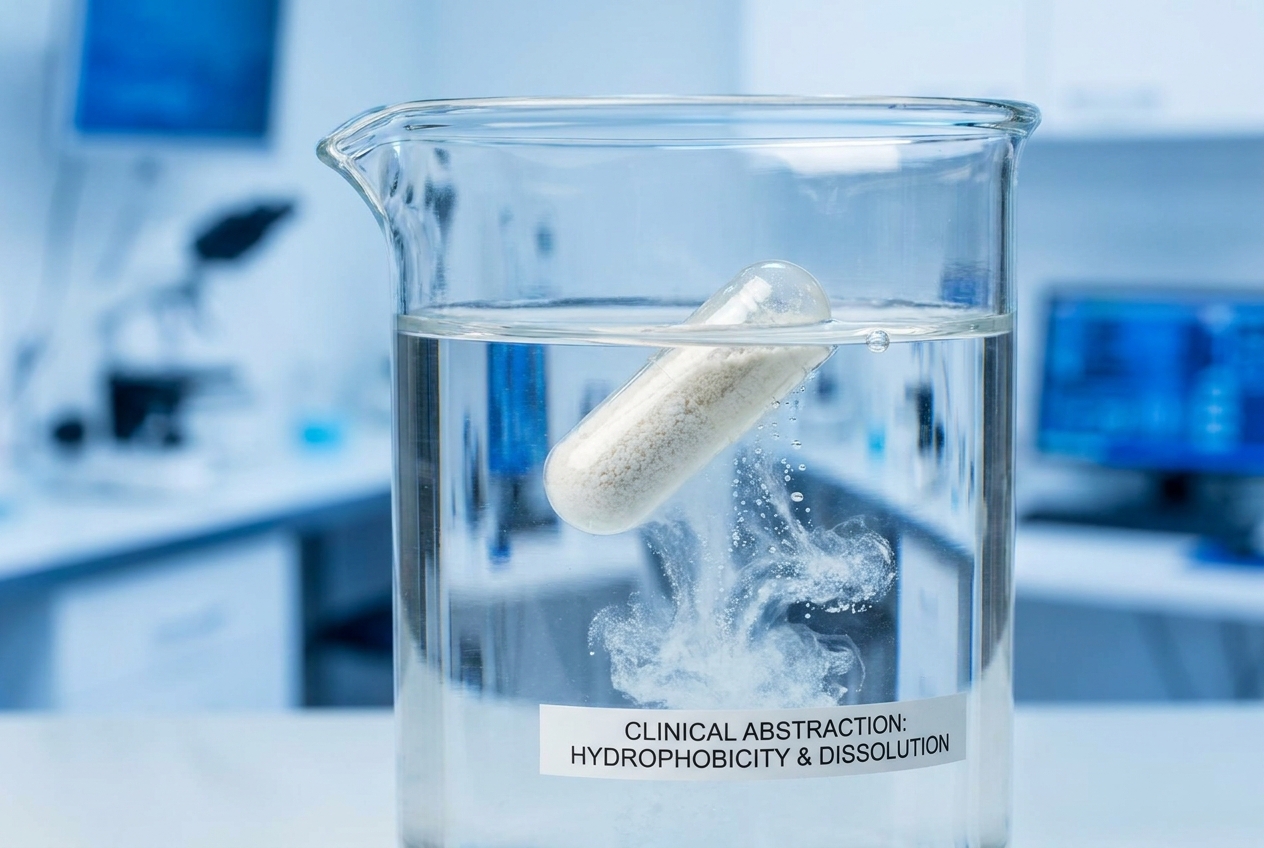Plant-based capsules without hydrophobic additives break down efficiently to deliver active compounds.
## Pure Monolaurin vs. Botanical Blends: Does Synergy Exist?
Many consumers question whether combined formulations offer superior results compared to standalone ingredients. Solaray and similar brands often combine monolaurin with secondary botanicals or plant extracts. However, empirical evaluation of these combinations reveals a distinct lack of documented interaction.
Research indicates that a **pure monolaurin supplement** exhibits robust independent efficacy. A 2021 study published in *Food & Function* demonstrated zero biological synergy when monolaurin was paired with botanical extracts like **grapefruit seed extract (GSE)**. The botanical inclusion failed to enhance in vivo efficacy beyond the established baseline. Furthermore, additional trials published in *BMC Veterinary Research* confirmed that blending monolaurin with **oregano essential oil** produced no amplified immune or metabolic responses compared to unblended administration.
The appeal of “all-in-one” supplements is strong, but pharmacological realities often contradict these formulations. When a capsule is filled with secondary ingredients, the physical space available for the primary active compound is proportionally reduced. Mixing monolaurin with multiple botanicals dilutes the active dosage without reliably enhancing the systemic response, making a pure formulation the superior choice for a predictable routine.
Clinical studies indicate that botanical blends do not offer biological synergy when combined with pure monolaurin.
## What Factors Affect Supplement Tolerance and Consistency?
Maintaining a sustainable supplement routine depends on selecting a product that minimizes digestive friction. Consistency is the most critical variable; if a product causes discomfort or requires complicated timing, adherence drops. Several formulation factors dictate how well a product is tolerated over time.
- **Capsule Composition:** Supplements utilize either animal-derived **gelatin** or plant-based **hydroxypropyl methylcellulose (HPMC)** capsules. Plant-based options often provide superior stability and cater to broader dietary requirements without relying on animal byproducts.
- **Manufacturing Standards:** Products produced in **cGMP-certified facilities** guarantee that the labeled ingredients match the physical contents. This standardization is critical when learning [how to choose the best monolaurin supplement online](https://monolaurinsupplement.com/how-do-you-choose-the-best-monolaurin-supplement-online/), as it ensures the absence of synthetic fillers and verifies manufacturing purity.
- **Active Ingredient Density:** Utilizing a **high quality monolaurin supplement** guarantees that each capsule delivers the maximum volume of the targeted compound, rather than sacrificing physical capsule space for unnecessary binders or unproven botanical additions.
- **Excipient Load:** Beyond magnesium stearate, commercial products may contain silicon dioxide or artificial colorants. Reducing the excipient load minimizes the potential for minor sensitivities that can derail a daily habit.
A predictable daily routine is easier to maintain when supplements are well-tolerated and free of unnecessary excipients.
## Frequently Asked Questions
### Does magnesium stearate cause side effects in supplements?
While magnesium stearate is considered safe for general human consumption, its highly hydrophobic nature can delay capsule dissolution. This restricted water penetration alters the timing of gastrointestinal breakdown, which may cause unpredictable absorption rates rather than direct adverse physical side effects.
### Are vegetarian capsules better than gelatin capsules for monolaurin?
Vegetarian capsules, typically manufactured from plant-based HPMC, offer greater physical stability and are compatible with all dietary restrictions. They break down efficiently in the digestive tract without relying on animal byproducts, making them the preferred choice for premium, clean-label supplement formulations.
### How do you choose between pure monolaurin and blended supplements?
Selecting pure monolaurin ensures the highest concentration of the active ingredient without interference from unproven secondary additives. Clinical research demonstrates no biological synergy when monolaurin is mixed with botanical extracts, meaning blended supplements often dilute the primary compound unnecessarily.
### Can you take monolaurin supplements on an empty stomach?
Consuming monolaurin on an empty stomach is generally safe but depends entirely on individual digestive tolerance. Users who experience mild gastrointestinal friction should consume the supplement alongside food to optimize physical comfort and maintain long-term routine consistency.
### Where can you buy trusted monolaurin supplement brands?
Quality monolaurin supplements should be sourced directly from manufacturers that prioritize cGMP certification and additive-free formulations. For those looking for verified clean-label options, you can [explore the best options](https://www.shopmonolaurin.com/) to find pure, high-quality monolaurin products.
## Summary
Selecting the **best monolaurin supplement** requires evaluating formulation purity rather than marketing claims. Comparing Natural Cure Labs and Solaray highlights the functional differences between pure, additive-free manufacturing and blended formulas containing synthetic flow agents. Evidence suggests that excipients like magnesium stearate can inhibit optimal absorption by repelling moisture, while botanical blends fail to provide pharmacological synergy or enhanced efficacy.
Building a consistent, evidence-informed routine means minimizing unnecessary variables. Prioritizing 100% pure monolaurin in vegetarian capsules ensures optimal, predictable delivery of the active compound, supporting a practical and reliable daily habit without the interference of synthetic fillers.
### Continue Exploring
- [Nutricost vs. NCL Monolaurin: Evaluating Supplement Quality and Purity](https://monolaurinsupplement.com/nutricost-vs-ncl-monolaurin-evaluating-supplement-quality-and-purity/)
- [How Do You Choose the Best Monolaurin Supplement Online?](https://monolaurinsupplement.com/how-do-you-choose-the-best-monolaurin-supplement-online/)
### References
- Journal of Pharmaceutical Sciences, “Understanding real-time water penetration dynamics in tablets using synchrotron X-ray micro-computed tomography,” 2026. https://doi.org/10.1016/j.xphs.2026.104226
- Food & Function, “In vitro and in vivo inhibition of Helicobacter pylori by Lactobacillus plantarum pH3A, monolaurin, and grapefruit seed extract,” 2021. https://pubmed.ncbi.nlm.nih.gov/34657941/
- BMC Veterinary Research, “Effect of supplemental glycerol monolaurate and oregano essential oil blend on the growth performance, intestinal morphology, and amino acid digestibility,” 2021. https://pubmed.ncbi.nlm.nih.gov/34563182/
---
---
title: Monolaurin vs Undecylenic Acid: What Is the Difference?
url: https://monolaurinsupplement.com/monolaurin-vs-undecylenic-acid-what-is-the-difference/
date: 2026-06-03
author: Donald
categories: Monolaurin Comparisons
---
# Monolaurin vs Undecylenic Acid: What Is the Difference?
Establishing a consistent daily routine is the first step toward achieving microbial balance.
## TL;DR
Monolaurin and undecylenic acid are both lipid-based dietary supplements used for microbial balance, but they target distinct structural challenges. **Monolaurin** disrupts the protective lipid envelopes of certain viruses and bacteria, while **undecylenic acid** interferes with fungal cell membranes, specifically deterring *Candida* overgrowth. When used together in a structured routine, they provide complementary, broad-spectrum immune support without redundancy.
### Key Takeaways
- **Monolaurin** is a monoglyceride that physically dismantles the lipid bilayer of enveloped pathogens once specific concentration thresholds are reached in the body.
- **Undecylenic acid** is an unsaturated fatty acid that halts fungal organisms like *Candida albicans* from transitioning into their invasive, biofilm-forming phases.
- Combining these two ingredients creates a potent **supplement stack with monolaurin**, as emerging research shows multi-lipid formulations exponentially increase membrane-disruptive stress on various pathogens.
- Consistency in timing and dosage format (such as capsules versus pellets) is critical for tolerating lipid supplements and achieving long-term microbial balance.
Navigating the world of dietary supplements requires understanding precisely how specific ingredients interact with the body. When considering immune and microbial support, fatty acids and their derivatives offer unique mechanical advantages.
Two of the most heavily researched lipid compounds are monolaurin (derived from lauric acid) and undecylenic acid (derived from castor oil). While they are often grouped together in discussions about gut flora and immune health, their biological targets are completely different. Choosing between them—or deciding to stack them—depends entirely on the specific cellular structures you are trying to influence.
Lipid-based supplements work on a microscopic level, interacting directly with the membranes of targeted organisms.
## How Does Monolaurin Work?
Monolaurin is a monoglyceride formed by attaching a glycerol molecule to lauric acid. Its primary mechanism of action relies on direct physical interference with **lipid envelopes**—the protective outer membranes surrounding certain viruses and bacteria.
When monolaurin enters the system, it acts as a surfactant. Research indicates that it intercalates, or wedges itself, into the lipid bilayer of these pathogenic envelopes. A study published in *Pathogens* demonstrated that glycerol monolaurate neutralizes viral infectivity by physically dissolving the lipid envelope once concentrations reach a specific threshold known as the **critical micelle concentration (CMC)**. This structural disruption causes the pathogen to lose its ability to attach to and enter host cells.
Because its mechanism is structural rather than chemical, monolaurin focuses exclusively on organisms that rely on a lipid barrier. It is widely considered a cornerstone among **natural antiviral supplements lists** precisely due to this targeted, physical disruption.
Tracking your daily habits can help monitor the gradual benefits of structural supplements like monolaurin.
## How Does Undecylenic Acid Work?
Unlike monolaurin, which is a monoglyceride, undecylenic acid is an unsaturated fatty acid. Its primary target is not viral or bacterial envelopes, but rather the cellular architecture of fungi.
Fungal organisms, such as *Candida albicans*, possess a distinct lifecycle. In their benign state, they exist as simple yeast. However, under certain conditions, they can transition into an invasive, filamentous form called the **hyphal phase**, allowing them to adhere to tissues and build protective **biofilms**.
Evidence suggests that undecylenic acid interrupts this exact transition. According to research published in the *International Journal of Clinical Pharmacology and Therapeutics*, undecylenic acid halts *Candida albicans* by preventing the morphological shift from yeast to hyphae. This causes the cell surface to crumple and severely impairs the organism’s ability to form stable biofilms. By keeping the fungus in its less resilient state, undecylenic acid supports normal gut and systemic balance.
Supporting normal gut flora often goes hand-in-hand with calming dietary choices like herbal teas.
## What Factors Affect Your Supplement Routine?
Successfully integrating these lipid supplements into a daily routine depends on several practical variables. Consistency in how you introduce and manage these compounds dictates their long-term viability.
- **Formulation and Quality:** The purity of the extract matters. Using a **pure monolaurin supplement** ensures you are receiving concentrated active ingredients rather than generic coconut oil, which contains only trace amounts of monolaurin. When evaluating options, many users look toward dedicated providers like [Shop Monolaurin](https://www.shopmonolaurin.com/) to ensure consistent, high-quality sourcing free of unnecessary fillers.
- **Titration (Starting Slow):** Both monolaurin and undecylenic acid can cause mild digestive upset or fatigue if introduced too quickly at high volumes. Establishing tolerance requires starting with the lowest possible intake and slowly escalating over a period of two to three weeks.
- **Format Selection:** Supplements come in various forms, including capsules, powders, and pellets. Capsules provide exact measurements and dissolve predictably in the digestive tract, which is generally preferable for establishing a baseline routine without the guesswork of loose powders.
Managing daily intake with a pill organizer ensures consistent dosage and simplifies titration.
## Frequently Asked Questions
### Can you take monolaurin and undecylenic acid together?
Yes, combining them can be highly effective. A 2024 study in *Biomimetics* found that antimicrobial lipid mixtures—specifically combining monoglycerides (like monolaurin) with single-chain fatty acids (like undecylenic acid)—act synergistically to rupture pathogenic lipid membranes with nearly 100% efficiency. They complement each other rather than competing for absorption.
### When is the best time to take these supplements?
Lipid supplements should be taken consistently with meals. Consuming them alongside food supports proper emulsification and absorption in the digestive tract while minimizing the risk of nausea or gastrointestinal discomfort on an empty stomach.
### Do lipid supplements cause side effects?
When taken as directed, side effects are generally mild. However, rapid introduction of high quantities can trigger transient fatigue, mild headaches, or loose stools as the body processes the metabolic byproducts of disrupted microbes. This is why a slow titration protocol is standard practice.
### How long do these supplements take to work?
Dietary supplements do not offer overnight results. Establishing a steady systemic presence requires daily consistency. Most users evaluating **monolaurin supplement benefits** or undecylenic acid report noticeable changes in immune resilience and digestive balance after four to eight weeks of continuous, daily use.
True dietary balance requires patience; results typically accumulate after several weeks of continuous use.
## The Bottom Line on Lipid Supplements
Monolaurin and undecylenic acid are highly specialized tools for supporting cellular and microbial balance. Monolaurin is the standard for targeting lipid-coated organisms through direct membrane disruption, while undecylenic acid excels at preventing fungal organisms from forming resilient biofilms.
Whether used individually to address specific environments or combined into a synergistic stack, their efficacy relies on consistent daily habits, gradual introduction, and choosing high-quality capsules over unmeasured formats.
### References
- Jackman, J.A., et al. “Glycerol Monolaurate Inhibits Wild-Type African Swine Fever Virus Infection in Porcine Macrophages.” *Pathogens*, 2023. https://doi.org/10.3390/pathogens12101193
- Shi, D., et al. “Antifungal effects of undecylenic acid on the biofilm formation of Candida albicans.” *International Journal of Clinical Pharmacology and Therapeutics*, 2016. https://doi.org/10.5414/CP202460
- Bieser, A., et al. “Unraveling How Antimicrobial Lipid Mixtures Disrupt Virus-Mimicking Lipid Vesicles: A QCM-D Study.” *Biomimetics*, 2024. https://doi.org/10.3390/biomimetics9020067
---
---
title: Monolaurin vs Lactoferrin: What Is the Difference?
url: https://monolaurinsupplement.com/monolaurin-vs-lactoferrin-what-is-the-difference/
date: 2026-06-02
author: Donald
categories: Monolaurin Comparisons
---
# Monolaurin vs Lactoferrin: What Is the Difference?
Monolaurin and lactoferrin are both naturally occurring compounds designed to support foundational immune health.
## TL;DR
**Monolaurin** and **lactoferrin** are naturally occurring compounds, natively found in breast milk, that support immune function through entirely different mechanisms. Monolaurin physically dismantles the protective lipid membranes of specific pathogens, while lactoferrin binds iron to starve bacteria and modulate the body’s immune responses. Together, they provide non-overlapping, synergistic immune defense.
### Key Takeaways
- **Monolaurin** is a fatty acid derivative that neutralizes threats by compromising the structural integrity of lipid-coated viruses and bacteria.
- **Lactoferrin** is a highly active glycoprotein that restricts pathogen growth by binding to iron and inhibiting biofilm formation.
- Both compounds originate naturally as fundamental immune defenses in human breast milk.
- Research indicates that combining a **high quality monolaurin supplement** with lactoferrin yields a synergistic effect, acting faster than either compound alone.
- Neither compound relies on a singular pathway, making them complementary choices for individuals looking to build a consistent **immune support supplement** routine.
When comparing **immune support supplements**, people frequently encounter **monolaurin** and **lactoferrin**. Both of these compounds share a common origin and a similar foundational purpose, yet they operate through completely separate biological pathways. Understanding their differences is essential for anyone looking to optimize a daily routine without redundancy.
The choice between a **pure monolaurin supplement** and a lactoferrin product—or the decision to use them in tandem—comes down to understanding how they interact with pathogens at the cellular level. Rather than competing against one another, these two compounds represent different layers of a comprehensive immune strategy.
Building a consistent daily routine is key when integrating natural immune support supplements.
## How Do Monolaurin and Lactoferrin Work?
To understand how these compounds differ, it is necessary to examine their distinct mechanisms of action.
### Monolaurin’s Physical Disruption
**Monolaurin** is derived from lauric acid, a medium-chain fatty acid. Its primary mechanism of action is physical rather than chemical. When monolaurin encounters lipid-coated viruses and bacteria, it incorporates itself into their outer lipid membranes. A study published in *Pharmaceuticals* (Son et al., 2026) found that monolaurin exerts significant bactericidal effects against persistent strains like *Staphylococcus aureus* by directly compromising cellular viability through structural membrane disruption and increased permeability. By dismantling this protective barrier, monolaurin neutralizes the pathogen’s ability to replicate and attach to host cells.
### Lactoferrin’s Iron-Binding and Immunomodulation
**Lactoferrin**, by contrast, is a globular glycoprotein heavily involved in iron transport. Bacteria require iron to multiply and form protective colonies known as **biofilms**. Human lactoferrin acts as a natural iron-binding protein that severely restricts bacterial adhesion, inhibits new biofilm formation by over 75%, and degrades up to 60% of established pathogen biofilms, according to research published in *Experimental Eye Research* (Willcox et al., 2026).
Beyond starving pathogens of essential nutrients, lactoferrin also serves as an immunomodulator. Research in *Poultry Science* (Wang et al., 2026) indicates that lactoferrin demonstrates potent immunomodulatory and antiviral properties by upregulating protective cytokines and shifting the microbiota toward homeostasis, effectively restoring epithelial barriers damaged by viral infection.
Monolaurin acts physically by incorporating itself into the lipid membranes of certain pathogens.
## What Factors Influence Their Combined Efficacy?
While monolaurin and lactoferrin are effective individually, several variables dictate their synergistic potential when taken together.
- **Complementary Mechanisms:** Because monolaurin attacks the structural membrane while lactoferrin targets iron dependency and immune signaling, pathogens face a multi-front defense that prevents them from easily adapting.
- **Synergistic Eradication Rates:** Taking both compounds simultaneously can accelerate the neutralization of resistant bacteria. Evidence published in *Antimicrobial Agents and Chemotherapy* (Wakabayashi et al., 2002) reveals that the combination of monolaurin and lactoferricin B (an antimicrobial peptide derived from lactoferrin) yields a highly synergistic bactericidal effect, neutralizing *Staphylococcus aureus* significantly faster than either compound in isolation.
- **Natural Compatibility:** Both substances are biologically compatible because they evolved together. A study in the *Journal of Medical Microbiology* (Isaacs et al., 2000) identified both monolaurin and lactoferrin as primary, naturally occurring antimicrobial factors in human milk that independently demonstrate the ability to inhibit viral growth.
Understanding how supplements function natively allows for informed, evidence-based wellness decisions.
## Frequently Asked Questions
### What is the main difference between monolaurin and lactoferrin?
The primary difference lies in their functional mechanisms. Monolaurin physically dissolves the lipid envelopes of certain bacteria and viruses to disable them. Lactoferrin is an iron-chelating protein that starves bacteria of the iron they need to survive while signaling the body to modulate its broader immune response.
### Can you take monolaurin and lactoferrin together?
Yes. Because they utilize completely different biological mechanisms, they do not compete with or cancel each other out. Research suggests they offer complementary, synergistic effects when combined in an immune support routine.
### Are monolaurin and lactoferrin natural?
Both compounds occur natively in the human body. They are fundamental components of human breast milk, designed to provide broad-spectrum immune defense to infants before their natural immune systems fully develop.
### What should I look for in a monolaurin supplement?
When evaluating options, prioritize a pure monolaurin supplement free of unnecessary fillers or artificial additives. Selecting a transparent brand ensures consistency and predictable tolerance when adding the supplement to your daily regimen.
## Summary
Choosing between monolaurin and lactoferrin does not require picking a single winner. The clinical evidence points to two distinct, highly functional compounds that offer different layers of defense. Monolaurin breaks down pathogen defenses physically, while lactoferrin starves threats and orchestrates the immune response.
For those looking to integrate these compounds into their daily lives, consistency is more important than perfection. Using well-researched, high-quality products can help establish a reliable baseline for immune health (Look for options: [Shop Monolaurin](https://www.shopmonolaurin.com/)). By understanding how these supplements function natively, users can make informed, evidence-based decisions for their long-term wellness routines.
Consistency and high-quality supplementation can help establish a reliable baseline for immune health.
## References
- Son et al., “Monocaprin, Monolaurin, and Monomyristin Eradicate Staphylococcus aureus Persister Cells Through Membrane Disruption,” *Pharmaceuticals*, 2026.
- Willcox et al., “Formidable anti-biofilm and anti-adhesion effects of human lactoferrin against Pseudomonas aeruginosa,” *Experimental Eye Research*, 2026.
- Wang et al., “Antiviral effect of lactoferrin against infectious bronchitis virus (IBV) are associated with alterations in the gastrointestinal microbiome,” *Poultry Science*, 2026.
- Wakabayashi et al., “Increased Staphylococcus-killing activity of an antimicrobial peptide, lactoferricin B, with minocycline and monoacylglycerol,” *Antimicrobial Agents and Chemotherapy*, 2002.
- Isaacs et al., “Effect of antimicrobial factors in human milk on rhinoviruses and milk-borne cytomegalovirus in vitro,” *Journal of Medical Microbiology*, 2000.
---
---
title: Does Monolaurin Help With Acne?
url: https://monolaurinsupplement.com/does-monolaurin-help-with-acne/
date: 2026-06-01
author: Donald
categories: Immune Support
---
# Does Monolaurin Help With Acne?
Supporting skin clarity and managing breakouts often begins with addressing bacterial balance beneath the surface.
## TL;DR
**Monolaurin** is a compound derived from lauric acid that demonstrates notable antibacterial and anti-inflammatory properties. Research indicates that monolaurin targets the protective lipid envelopes of acne-causing bacteria like **Cutibacterium acnes**, actively neutralizing them while simultaneously helping to calm localized skin inflammation.
### Key Takeaways
- Monolaurin physically disrupts the protective membrane of acne-causing bacteria, limiting their ability to survive and replicate.
- The underlying compound has demonstrated an inhibitory effect on specific skin bacteria at significantly lower concentrations than standard clinical benchmarks.
- Beyond bacterial control, monolaurin possesses anti-inflammatory properties that calm the localized tissue response associated with acne.
- Selecting a high-quality monolaurin supplement is crucial for individuals looking to support their body’s systemic response to skin stressors.
## Introduction
Monolaurin is a monoester derived from lauric acid that physically interacts with and disrupts pathogenic cellular structures.
Skin blemishes and persistent breakouts are primarily driven by an overgrowth of bacteria, excess sebum production, and the body’s inflammatory response. While topical routines focus on surface-level management, evaluating internal dietary tools offers a complementary approach to skin health.
Among the compounds studied for managing pathogenic bacteria, monolaurin—a monoester formed from glycerol and **lauric acid**—has gained traction due to its distinct biochemical properties. Originally identified in human breast milk and coconut oil, this compound interacts directly with microbial structures. Understanding the specific monolaurin supplement benefits requires examining how it behaves at the cellular level against the primary biological culprits of acne.
## How Does Monolaurin Work Against Acne Bacteria?
The primary biological mechanism behind monolaurin involves structural degradation of microbial defenses. The specific target is **Cutibacterium acnes** (*C. acnes*), the anaerobic bacterium responsible for most inflammatory acne.
When monolaurin comes into contact with specific bacteria, it binds to their cellular structures. Monolaurin exerts severe bactericidal effects by directly increasing bacterial membrane permeability and physically disrupting the cellular **lipid envelope**, leading to the rapid eradication of even robust, antibiotic-tolerant persister cells (Li et al., 2026). Because *C. acnes* relies on this lipid layer for survival, the structural disruption effectively neutralizes the bacterium.
Addressing the root cause of breakouts often involves supporting internal bodily systems alongside traditional topical care routines.
This physical mechanism of action is highly potent. Lauric acid exhibits potent bactericidal activity against *Propionibacterium acnes* (*C. acnes*), demonstrating a minimum inhibitory concentration (MIC) over 15 times lower than that of **benzoyl peroxide** (Nakatsuji et al., 2009). Unlike traditional compounds that disrupt biological pathways, monolaurin’s physical disruption mechanism makes it difficult for bacteria to develop resistance.
Furthermore, managing acne requires addressing the body’s inflammatory response to bacterial presence. Topical and internal applications of **glycerol monolaurate** (monolaurin) function dually as potent antibacterial and anti-inflammatory agents, actively reducing pathogenic bacterial counts while simultaneously suppressing localized tissue inflammation on the skin (Mueller et al., 2015). This dual-action mechanism targets both the root cause of the breakout and the subsequent redness and swelling.
## What Factors Affect Monolaurin’s Impact on Skin Health?
The practical impact of monolaurin on skin wellness depends on several implementation variables. Consistency and format play critical roles in how the body processes and utilizes the compound.
- **Purity and Formulation:** The raw quality of the supplement dictates its bioavailability. When looking for a monolaurin supplement online, prioritizing pure formulations free from synthetic binders ensures the active compound can be properly metabolized. For reliable results, prioritizing a high quality monolaurin supplement—such as those formulated by Natural Cure Labs (NCL)—provides a consistent concentration of the active ingredient.
- **Administration Route:** Research observes efficacy in both topical and systemic applications. While laboratory studies often use direct topical application against isolated bacteria, oral supplements support the body’s systemic immune response and internal microbial balance.
- **Dietary Consistency:** Monolaurin is metabolized as a lipid. Regular, sustained intake is required to maintain active levels of the compound within the body. Intermittent use fails to provide the steady biological pressure needed to manage persistent bacterial populations.
The purity and formulation of a monolaurin supplement dictate how effectively it can be metabolized to support systemic health.
## Frequently Asked Questions
### Can you take monolaurin supplements daily for skin health?
Yes, monolaurin is a dietary supplement synthesized from lauric acid and is generally recognized as safe for daily use. Maintaining a consistent daily routine ensures stable levels of the compound are available to support immune function and systemic health.
### How long does a monolaurin supplement take to work?
The timeframe depends on the individual’s metabolic rate and the severity of the bacterial imbalance. While biochemical interactions with bacteria occur rapidly upon contact, visible changes to skin clarity and inflammation reduction typically require several weeks of consistent, daily administration.
### Is it safe to combine monolaurin with traditional skincare routines?
Monolaurin operates through distinct biological mechanisms that do not inherently conflict with topical skincare ingredients like salicylic acid or retinoids. Integrating a monolaurin supplement acts as a systemic complement to an existing topical regimen.
### How do I choose the best dosage form monolaurin supplement?
Selecting the best dosage form monolaurin supplement depends on digestive preference and routine consistency. Encapsulated forms, specifically those utilizing plant-based capsules without unnecessary fillers, offer precise measurement and straightforward integration into daily habits. You can explore pure, standard-setting options at [shopmonolaurin.com](https://www.shopmonolaurin.com/).
## Summary
Consistent systemic support against acne bacteria helps promote a balanced, calm complexion over time.
Monolaurin presents a robust, research-backed mechanism for addressing the biological factors behind acne. By physically dismantling the protective lipid envelopes of *Cutibacterium acnes*, the compound neutralizes the bacteria responsible for localized breakouts. Coupled with its ability to suppress tissue inflammation, monolaurin offers a dual-action approach to skin health. Implementing a high-quality, pure supplement into a consistent daily routine provides a practical, evidence-informed strategy for managing the internal variables that dictate skin clarity.
### References
- Nakatsuji T, et al., Antimicrobial property of lauric acid against Propionibacterium acnes: its therapeutic potential for inflammatory acne vulgaris, Journal of Investigative Dermatology, 2009. https://doi.org/10.1038/jid.2009.93
- Li Y, et al., Monocaprin, Monolaurin, and Monomyristin Eradicate Staphylococcus aureus Persister Cells Through Membrane Disruption, Pharmaceuticals, 2026. https://doi.org/10.3390/ph19050690
- Mueller EA, et al., Non-aqueous glycerol monolaurate gel exhibits antibacterial and anti-biofilm activity against Gram-positive and Gram-negative pathogens, PLoS One, 2015. https://doi.org/10.1371/journal.pone.0120280
---
---
title: Monolaurin vs. Caprylic Acid: What Is the Difference?
url: https://monolaurinsupplement.com/monolaurin-vs-caprylic-acid-what-is-the-difference/
date: 2026-05-31
author: Donald
categories: Monolaurin Comparisons
---
# Monolaurin vs. Caprylic Acid: What Is the Difference?
While both derived from similar natural sources, monolaurin and caprylic acid possess entirely distinct chemical architectures.
## TL;DR
**Monolaurin** and **caprylic acid** are naturally occurring compounds that serve different primary purposes. Monolaurin is a monoglyceride that excels at disrupting the lipid envelopes of bacteria, making it ideal for systemic immune support. Caprylic acid is a medium-chain fatty acid known for its antifungal properties, specifically targeting gut-based yeast overgrowth. Both disrupt pathogen membranes but specialize in different biological targets.
### Key Takeaways
- **Monolaurin** specializes in broad-spectrum immune support by mechanically dissolving the lipid shields of specific bacteria.
- **Caprylic acid** functions primarily in the gut microbiome, targeting dense fungal structures and yeast overgrowth.
- A pure **monolaurin supplement** can be safely stacked with caprylic acid, as they utilize similar structural destruction methods against entirely different sets of target pathogens.
- Choosing the right protocol depends on whether your primary focus is systemic immune defense or localized digestive balance.
When building an evidence-informed supplement routine, differentiating between plant-derived fatty acids is critical. Monolaurin and caprylic acid are two of the most heavily researched compounds derived from coconut oil. While they share an origin, they are chemically distinct entities that interact with the human body and targeted pathogens in fundamentally different ways.
Understanding **monolaurin supplement benefits** versus the effects of caprylic acid is essential for selecting the correct tool for your physiological goals. The confusion generally stems from their classification. Both are categorized broadly under medium-chain triglycerides (MCTs) when in their whole-food state, but as isolated dietary supplements, they perform unique structural attacks on microbes.
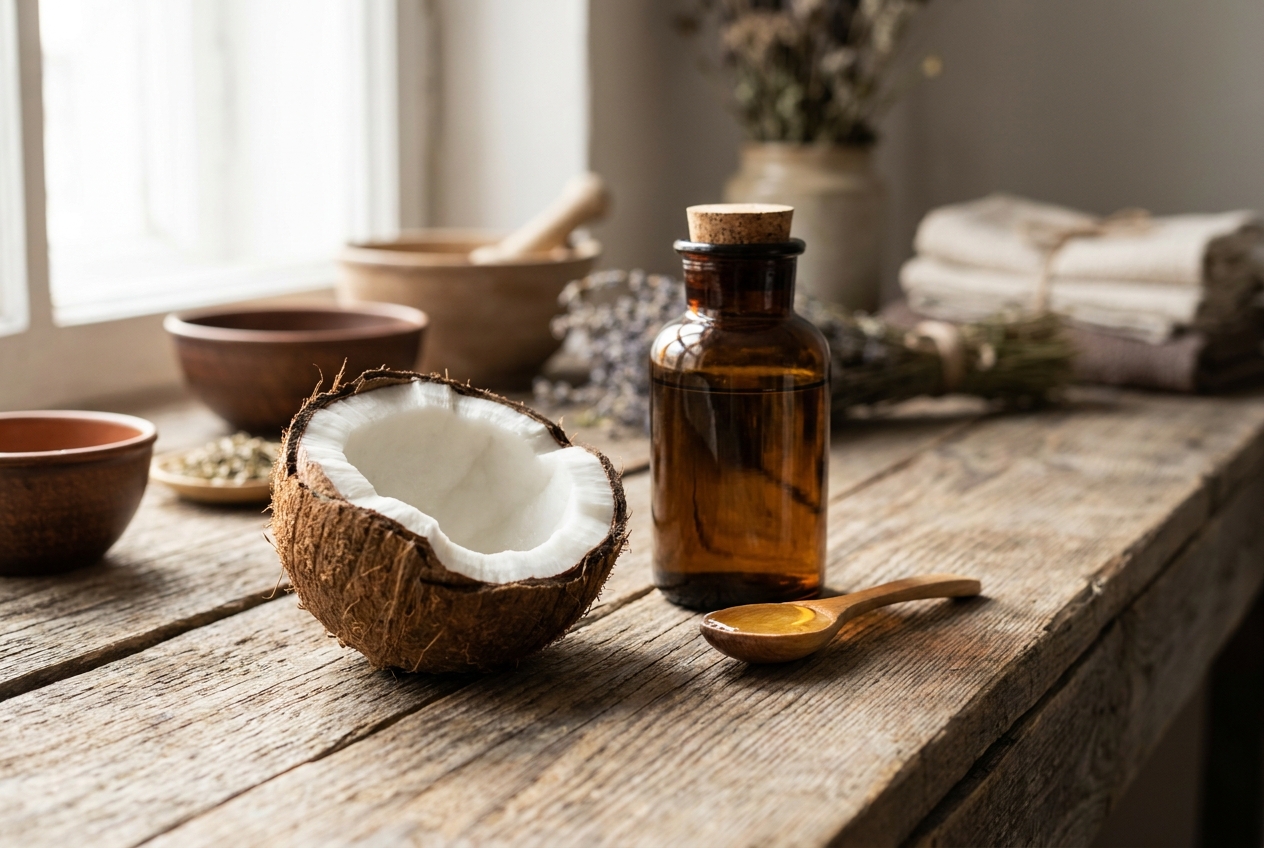Both compounds trace their origins back to coconut oil, but their isolated forms perform vastly different biological tasks.
## What Are the Structural Differences Between These Compounds?
To understand their applications, you must look at their chemical architecture.
**Caprylic acid** (also known as octanoic acid) is an 8-carbon medium-chain fatty acid. It is a straight-chain molecule that is easily absorbed in the digestive tract. It is naturally present in minor amounts in coconut oil, palm kernel oil, and mammalian breast milk. Because it is a simple fatty acid, it moves rapidly through the digestive system.
**Monolaurin**, conversely, is not a simple fatty acid. It is a monoglyceride synthesized from lauric acid (a 12-carbon fatty acid) and glycerin. When comparing a **monolaurin vs lauric acid supplement**, the biological distinction is critical. The human body is highly inefficient at converting raw, dietary lauric acid into monolaurin. Taking a pre-formed monolaurin supplement bypasses this biological bottleneck, delivering the active monoglyceride directly to the system without requiring complex liver conversion.
## How Does Monolaurin Work?
The primary function of monolaurin lies in its ability to compromise the structural integrity of specific microorganisms.
Many problematic viruses and bacteria are protected by a lipid (fat) envelope. Because monolaurin is a highly lipid-soluble monoglyceride, it physically embeds itself into these protective outer membranes. Once inserted, the molecule alters the physical spacing, fluidity, and tension of the pathogen’s surface.
This process is not a targeted biochemical or metabolic attack, but rather a direct physical disruption. A 2026 study published in *Pharmaceuticals* demonstrated that monolaurin possesses potent bactericidal activity by directly targeting these cellular boundaries. Mechanistic analyses confirmed that monolaurin significantly increases membrane permeability, thereby destroying even persistent bacterial strains through critical lipid membrane disruption.
By physically tearing open the envelope, monolaurin exposes the internal contents of the pathogen. This neutralizes the microbe’s ability to replicate, communicate, and attach to host cells. Because this mechanism relies on pure mechanical physics rather than complex biological signaling, monolaurin is highly applicable for long-term, systemic immune support routines.
Monolaurin mechanically inserts itself into the lipid membranes of pathogens, fundamentally disrupting their structural integrity.
## How Does Caprylic Acid Work?
While monolaurin excels against lipid-coated threats, caprylic acid specializes in penetrating robust fungal structures and specific gut-based bacteria.
Caprylic acid operates primarily within the localized environment of the gastrointestinal tract. Because of its shorter 8-carbon chain, it exhibits a high degree of lipophilicity and mobility, allowing it to penetrate dense cell walls and protective microbial shields that larger compounds cannot reliably breach.
This specific physical trait is highly relevant for managing yeast overgrowth. Research published in the *Journal of Infection and Public Health* (2025) validated that caprylic acid acts as a highly effective fungicidal agent capable of penetrating and eradicating robust fungal structures, such as *Candida albicans* biofilms. Microscopic evaluation confirmed that its core mechanism of action relies on inducing severe structural membrane disruption, causing the fungal cells to collapse.
Beyond localized yeast, caprylic acid also actively targets bacterial populations in the gut. According to a 2026 study in *Analytical Chemistry*, real-time kinetic metabolic analysis verified that caprylic acid functions primarily as a cell-envelope-perturbing antibacterial agent. By fundamentally compromising the bacterial membrane structure rather than relying on intracellular pathway inhibition, it rapidly halts pathogen metabolism before the bacteria can adapt.
Caprylic acid excels in localized gastrointestinal environments, breaking down dense fungal biofilms that other compounds struggle to penetrate.
## What Factors Affect Your Supplement Routine?
When deciding **how to choose monolaurin supplement** routines versus caprylic acid interventions, consistency and physiological targets should dictate your framework.
- **Targeted Application:** If the goal is general, systemic immune defense, monolaurin is the standard choice due to its broad-spectrum interaction with lipid envelopes. If the primary focus is localized digestive balance and addressing stubborn fungal biofilms, caprylic acid is the appropriate intervention.
- **Supplement Quality:** Purity matters significantly for digestion. Many commercial products use unnecessary fillers, synthetic binders, or poor-quality oils that trigger stomach upset. Sourcing a [pure monolaurin supplement from trusted, research-aligned manufacturers like Shop Monolaurin](https://www.shopmonolaurin.com/) ensures you receive the unadulterated monoglyceride without gastrointestinal irritants.
- **Dosing Format:** Monolaurin is commonly available in both capsules and pellets. Capsules offer precise dosing and ease of integration into existing supplement stacks, while pellets can sometimes provide larger volume doses. Caprylic acid is typically found in softgels or liquid oil formats due to its fatty nature.
- **Tolerance and Titration:** Both compounds actively break down microbial structures, which can induce “die-off” reactions (the Herxheimer reaction) if introduced too rapidly into the system. A practical routine starts with the lowest possible dose—often a single capsule with a meal—maintaining it for several days to assess individual tolerance before gradually stepping up the daily intake.
Establishing tolerance is key; slowly titrating your dose alongside meals helps mitigate potential die-off reactions.
## Frequently Asked Questions
### Can you take monolaurin and caprylic acid together?
Yes, they can be taken concurrently. Because they target different biological structures and operate through distinct carbon-chain lengths, they do not inherently block each other’s absorption. Stacking them is a common practice for individuals seeking comprehensive, multi-targeted gut and immune support.
For localized digestive balance and addressing gut-based fungal concerns, caprylic acid is often the primary intervention.
### Does caprylic acid turn into monolaurin?
No. Caprylic acid is an 8-carbon fatty acid, while monolaurin is uniquely synthesized from lauric acid, a 12-carbon fatty acid. They are chemically distinct molecules, and the human digestive system does not synthesize or convert one into the other.
### Should these be taken on an empty stomach?
Both supplements are best taken with food. Because they are lipid-based and actively alter microbial environments in the stomach and intestines, taking them on a completely empty stomach can cause mild nausea or digestive discomfort. Integrating them into regular meals ensures a smoother digestion process and better overall tolerance.
## Summary
Monolaurin and caprylic acid are powerful, structurally distinct compounds that support human health through the mechanical disruption of pathogens. Monolaurin provides systemic immune support by physically dissolving the protective lipid envelopes of specific bacteria, while caprylic acid specializes in dismantling dense fungal biofilms and yeast structures localized within the digestive tract. Building a successful and sustainable supplement routine requires matching the correct molecular compound to your specific biological goal, prioritizing pure formulations, and maintaining consistent daily habits over time.
## References
- Study Investigators, Monocaprin, Monolaurin, and Monomyristin Eradicate Staphylococcus aureus Persister Cells Through Membrane Disruption, *Pharmaceuticals*, 2026.
- Study Investigators, Synergistic antifungal effect of naturally-derived antimicrobials with penetration enhancer against Candida albicans biofilm at 5 °C and 22 °C, *Journal of Infection and Public Health*, 2025.
- Study Investigators, NMR Based Real-Time Analysis of Exometabolites Decodes the Mechanism of Action of Antibacterial Molecules, Nanoparticles, and Materials, *Analytical Chemistry*, 2026.
---
---
title: How Do You Choose the Best Monolaurin Supplement Online?
url: https://monolaurinsupplement.com/how-do-you-choose-the-best-monolaurin-supplement-online/
date: 2026-05-30
author: Donald
categories: Buying Guide
---
# How Do You Choose the Best Monolaurin Supplement Online?
Choosing the right supplement formulation requires careful attention to purity, packaging, and lifestyle fit.
## TL;DR
When looking for the **best monolaurin supplement** online, prioritize 100% pure formulations manufactured in cGMP-certified facilities. High-quality monolaurin comes in either fast-dissolving capsules or sustained-release pellets. Avoid products with unnecessary synthetic fillers, and verify that the manufacturer utilizes third-party testing to ensure bioavailability, purity, and reliable effectiveness in your daily routine.
### Key Takeaways
- The **best monolaurin supplement** formulations utilize advanced synthesis to achieve high purity without relying on synthetic binders or excipients.
- Choosing between **monolaurin capsules vs pellets** depends entirely on your preferred dosing volume and need for sustained release in the digestive tract.
- Reputable **monolaurin supplement brands** verify their products through third-party testing and transparent cGMP manufacturing standards.
- For optimal **monolaurin supplement results**, it is essential to build a consistent daily routine using a product format you can tolerate easily.
Navigating the digital marketplace for dietary supplements requires a structured decision-making framework. Because the supplement industry is vast and varies widely in quality control, learning **how to choose monolaurin supplement** products online involves looking past marketing language to evaluate the actual physical properties of the formulation.
The core of building a practical, consistent supplement routine is predictability. You need to know that the capsule or pellet you take on Monday delivers the exact same purity and biological availability as the one you take on Friday. Identifying a **high quality monolaurin supplement** means evaluating manufacturing transparency, the physical delivery format, and the absence of unnecessary additives.
Taking the time to research manufacturing transparency is crucial when evaluating online health products.
## How Does Manufacturing Impact Monolaurin Quality?
Monolaurin is a compound derived from lauric acid and glycerin. The process used to combine these elements directly determines the purity and safety of the final product. Low-quality manufacturing can leave behind chemical residues or result in an unstable compound that degrades rapidly.
Rigorous enzymatic synthesis and recrystallization processes can yield 100% pure **α-glycerol monolaurate** in a solid white form without chemical residues or degradants (Alimuddin et al., 2022). This clinical-grade manufacturing ensures that the body receives an unadulterated form of the compound. When evaluating options online, prioritizing products that confirm 100% purity is a baseline requirement for avoiding unnecessary chemical byproducts.
Furthermore, the purity of the compound plays a distinct role in how the body processes it. Monolaurin functions as a potent surface-active agent (a tenside) in the gut, demonstrably increasing the rate of intestinal permeability and achieving up to a two-fold increase in absolute bioavailability (Mikulášek et al., 2021). By ensuring the starting material is highly purified, the supplement can properly leverage these surfactant properties, driving efficient uptake into the bloodstream once it safely reaches the intestinal tract.
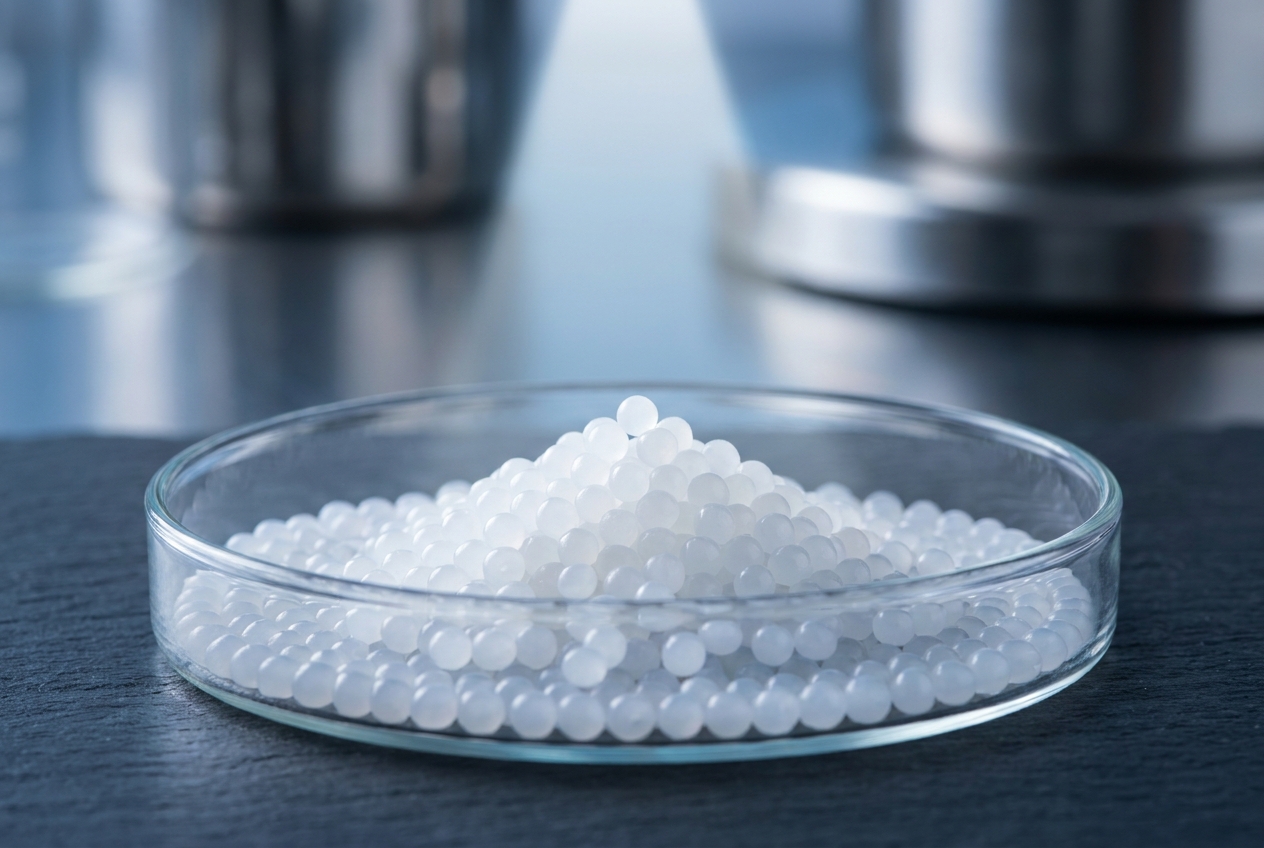High-quality manufacturing processes yield pure monolaurin without unwanted synthetic binders or residues.
## What Factors Determine the Best Monolaurin Supplements?
Selecting a reliable product requires auditing several specific variables. A proper **monolaurin supplement buyer guide** focuses on tangible quality standards rather than subjective claims.
- **Delivery Format:** Formulations structurally constructed from glycerol monolaurate exhibit significant controlled and sustained-release properties during intestinal digestion, avoiding premature degradation and increasing bioavailability by up to 1.77-fold (Zhu et al., 2025). Solid lipid formats, such as dense pellets, provide this sustained-release mechanism, which can bypass harsh stomach acid degradation and maximize intestinal tolerance compared to standard powders.
- **Excipient Profile:** High-quality options utilize clean manufacturing. Look for ingredient labels that avoid artificial colors, magnesium stearate, and unnecessary synthetic fillers. The ingredient list should be remarkably short.
- **Facility Certification:** Only purchase from brands that manufacture in Current Good Manufacturing Practice (cGMP) compliant facilities. This certification ensures strict oversight regarding cleanliness, batch consistency, and raw material validation.
- **Brand Trust and Clarity:** The most reliable brands prioritize education and transparency over hyperbole. For instance, options like [shopmonolaurin.com](https://www.shopmonolaurin.com/) represent clear, evidence-informed information about products that provide practical formats -like clean capsules-designed specifically to help users maintain a consistent, easy-to-follow daily routine.
## Frequently Asked Questions
### Should you choose monolaurin capsules vs pellets?
Choosing between capsules and pellets depends on your dosing targets and digestive tolerance. Capsules dissolve quickly and are ideal for standard daily routines, while concentrated pellets offer a sustained-release matrix that can reduce gastrointestinal upset and provide a more compact format for higher intake levels.
Integrating your daily dose with a meal can help maximize absorption and minimize stomach upset.
### Should you take a monolaurin supplement empty stomach or with food?
Most practical routines suggest taking monolaurin with food or a small amount of fat. Because monolaurin is a lipid-based compound, integrating it with a meal can assist the body’s natural digestive enzymes in breaking down the supplement efficiently and mitigating any potential mild stomach discomfort.
### How can you identify fake supplements monolaurin online?
To identify counterfeit or low-quality products, verify the **monolaurin supplement quality standards** by checking for cGMP facility certifications and third-party laboratory testing. Avoid any brand that makes illegal medical claims (such as “cures” or “treats”), obscures their ingredient list, or lacks a verifiable customer service address.
### What is the best dosage form monolaurin supplement?
The optimal dosage form is the one you can take consistently without digestive friction. While standard capsules are widely utilized and simple to integrate into an existing supplement stack, pure mini-pellets are increasingly recognized as an excellent form for their high density and controlled-release properties.
## Summary
Sourcing the best monolaurin supplement requires a clear, practical evaluation of purity, manufacturing transparency, and physical format. The goal is to build a reliable routine, which is only possible when you select a product that guarantees consistent quality in every dose. By focusing on 100% pure formulations, understanding the distinct biological behaviors of capsules versus pellets, and relying on reputable, cGMP-certified manufacturers, you can confidently integrate this unique compound into your daily regimen.
A reliable and consistent daily routine is the foundation for long-term wellness and vitality.
### References
- Alimuddin et al., “Improved Synthesis of α-Glycerol Monolaurate Using Lipozyme TL IM,” *Journal of Oleo Science*, 2022. https://doi.org/10.5650/jos.ess21312
- Mikulášek et al., “In-Vivo Analysis and Model-Based Prediction of Tensides’ Influence on Drug Absorption,” *Molecules*, 2021. https://doi.org/10.3390/molecules26185602
- Zhu et al., “Bigels as capsaicin and gallic acid co-delivery systems: Controlled release and enhanced bioavailability,” *Journal of Food Science*, 2025. https://doi.org/10.1111/1750-3841.70147
---
---
title: Monolaurin vs. Colostrum: What Is the Difference?
url: https://monolaurinsupplement.com/monolaurin-vs-colostrum-what-is-the-difference/
date: 2026-05-29
author: Donald
categories: Monolaurin Comparisons
---
# Monolaurin vs. Colostrum: What Is the Difference?
Monolaurin and colostrum originate from fundamentally different natural sources, each offering unique properties for immune support.
## TL;DR
Monolaurin and bovine colostrum support the immune system through entirely distinct mechanisms. Monolaurin is a lipid extract that directly disrupts the protective outer membranes of lipid-coated microorganisms. Conversely, colostrum is a nutrient-dense fluid that modulates immune responses and fortifies the gut barrier using immunoglobulins (IgG) and lactoferrin. Because they target different biological pathways, they are functionally distinct but highly complementary.
### Key Takeaways
- **Monolaurin** functions structurally by interacting with and degrading the lipid envelopes of specific microscopic targets.
- **Colostrum** acts systemically by supplying pre-formed antibodies (IgG), lactoferrin, and growth factors that modulate existing immune activity.
- While **monolaurin** provides direct interaction with external stressors, **colostrum** excels at repairing intestinal permeability and supporting mucosal immunity.
- Combining a pure monolaurin supplement with colostrum is an established practice, as their divergent mechanisms do not chemically interfere with each other.
## Understanding the Core Differences
When evaluating a monolaurin supplement vs colostrum, the primary distinction lies in their biological origins and mechanisms of action. People often categorize both broadly under the umbrella of “immune support,” which can create confusion about whether they are redundant.
They are not interchangeable. Monolaurin is a specific fatty acid derivative originally discovered in human breast milk and coconut oil. It is structurally targeted, interacting physically with the membranes of certain environmental stressors.
Bovine colostrum is the initial fluid produced by cows shortly after giving birth. It is a complex matrix of over 250 active compounds, designed to transfer immune competence and structural growth signals to the digestive tract. Understanding how each operates helps clarify exactly how to build a routine that aligns with specific wellness goals.
Building an effective wellness stack requires understanding how different supplements target distinct areas of the body.
## How Does Monolaurin Work?
Monolaurin (chemically known as **glycerol monolaurate** or **GML**) operates through direct physical interaction at the cellular level. Its defining characteristic is its ability to interact with lipid (fat) molecules.
Many external stressors rely on a protective lipid envelope to survive and replicate within a host. Because monolaurin is a lipid itself, it can insert itself into these protective envelopes. Research indicates that glycerol monolaurate exhibits potent activity by directly disrupting this lipid envelope structure, fundamentally altering its physicochemical properties, and compromising the stability of the organism to prevent replication [1].
By destabilizing this outer layer, monolaurin exposes the core of the target, rendering it unable to attach to human cells or replicate effectively. This makes monolaurin supplement benefits uniquely structural. It does not stimulate or suppress the human immune system itself; rather, it neutralizes specific targets directly. For those building a daily routine, finding a pure monolaurin supplement without unnecessary fillers -such as the options provided at [shopmonolaurin.com](https://www.shopmonolaurin.com/)– ensures reliable delivery of this lipid.
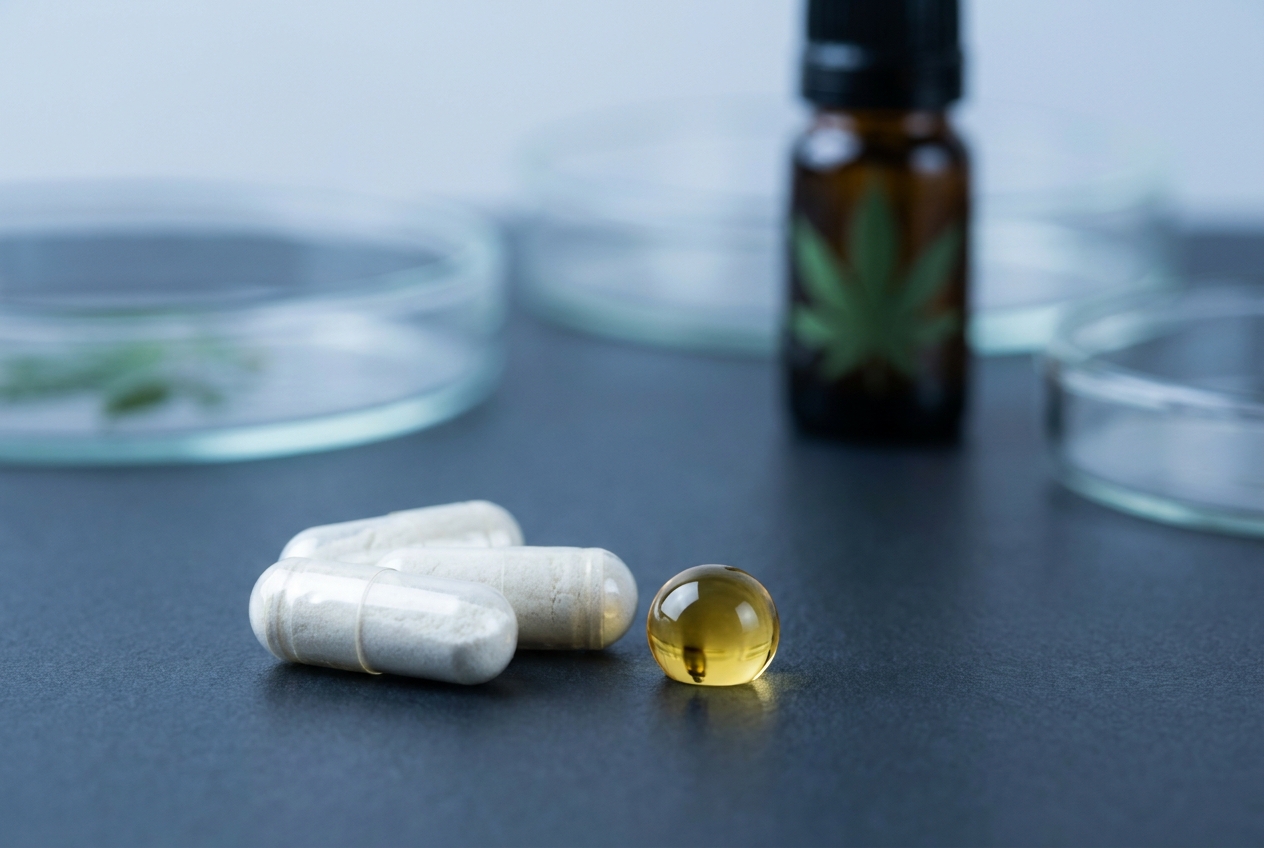Monolaurin is a fatty acid derivative that directly interacts with the protective lipid layers of microscopic stressors.
## How Does Colostrum Work?
Unlike monolaurin’s targeted physical disruption, bovine colostrum takes a broad, systemic approach. It works primarily by populating the gut mucosa with active immune compounds and growth factors.
Two of its most critical components are **Immunoglobulin G (IgG)** and **Lactoferrin**. IgG provides passive immunity by binding to external particles in the digestive tract, while lactoferrin binds to iron, depriving certain microbes of the resources they need to thrive. Studies confirm that bovine colostrum is uniquely enriched with these bio-functional molecules, which act synergistically to drive systemic immune modulation, epithelial repair, and broad-spectrum defense [2].
Furthermore, colostrum directly impacts the structural integrity of the gastrointestinal lining. A meta-analysis of randomized clinical trials confirmed that bovine colostrum supplementation significantly reduces intestinal permeability—often measured by the urinary lactulose/rhamnose ratio—effectively fortifying the gut barrier [3]. This makes colostrum a primary tool for addressing “leaky gut” and maintaining mucosal health, whereas monolaurin focuses outward on neutralizing specific challenges.
Colostrum provides systemic support by populating the gut mucosa with active immune compounds that soothe and repair.
## What Factors Affect Efficacy?
To maximize the effectiveness of a monolaurin supplement for the immune system or a colostrum protocol, several variables must be managed.
- **Quality and Purity:** Monolaurin is generally synthesized from lauric acid. The manufacturing process dictates its purity. Colostrum must be harvested within the first 6 to 12 hours post-calving to guarantee high IgG concentrations (typically standardized to 20% or 40%).
- **Dosing Format:** Monolaurin is typically delivered in capsules or pellets. Capsules often provide precise, consistent dosing. Colostrum is frequently taken as a powder to maximize surface area contact with the mucosal lining of the mouth and throat, though capsules are also utilized.
- **Timing of Digestion:** Both compounds behave differently in the digestive tract. Monolaurin is a stable fatty acid, while colostrum contains delicate proteins that can be degraded by excessive stomach acid, making timing around meals a key consideration.
## Frequently Asked Questions
### Can you take monolaurin and colostrum together?
Yes. Because they operate through entirely different pathways—monolaurin via direct lipid envelope disruption and colostrum via immune modulation and gut barrier repair—they do not interact negatively. Building a supplement stack with monolaurin and colostrum offers comprehensive support, addressing both targeted microbial stressors and systemic immune readiness.
Both monolaurin and colostrum play unique roles in establishing long-term vitality and immune resilience.
### Do monolaurin and colostrum cause side effects?
Both are widely considered safe for daily use. A pure monolaurin supplement is generally well-tolerated, though starting with a high dose may occasionally cause mild digestive upset or a temporary Herxheimer reaction (die-off effect). Colostrum is well-tolerated by most, but individuals with severe dairy allergies should approach it with caution, even though its lactose content is exceptionally low.
### When should you take a monolaurin supplement?
When figuring out how to take a monolaurin supplement daily, consistency is more important than specific timing. Most individuals take it alongside meals to support absorption and reduce the risk of mild stomach discomfort, dividing the intake into morning and evening servings.
## The Bottom Line
Deciding between monolaurin and colostrum comes down to the specific mechanism of support you require. Monolaurin acts as a structural disruptor, directly targeting the lipid layers of specific external challenges without modulating your immune cells. Colostrum provides a wealth of pre-formed immune factors, excelling at gut barrier repair and systemic immune communication.
For a practical wellness routine, they do not need to be mutually exclusive. Utilizing high-quality sources allows both to function synergistically, providing both direct defense and ongoing immune maintenance.
## References
- Potent Inhibitory Effects of Lauric Acid and Glycerol Monolaurate Against CyHV-2 and the Viral Envelope, 2026. PubMed.
- Health benefits and value addition of bovine colostrum (BC): a comprehensive review of its nutritional and functional potential, 2026. PubMed.
- Bovine Colostrum in Increased Intestinal Permeability in Healthy Athletes and Patients: A Meta-Analysis of Randomized Clinical Trials, 2024. PubMed.
---
---
title: How Does Monolaurin Kill Viruses? The Science Behind the Supplement
url: https://monolaurinsupplement.com/how-does-monolaurin-kill-viruses-the-science-behind-the-supplement/
date: 2026-05-28
author: Donald
categories: Mechanism & Science
---
# How Does Monolaurin Kill Viruses? The Science Behind the Supplement
A consistent daily routine is key when incorporating dietary supplements for natural immune support.
## TL;DR
Monolaurin neutralizes certain viruses by physically dissolving the lipid (fat) envelope that surrounds them. Once this protective outer layer is destroyed, the virus degrades and loses its ability to replicate. Research also indicates that monolaurin can block intact viruses from successfully attaching to and entering healthy host cells.
### Key Takeaways
- **Monolaurin** specifically targets **enveloped viruses**, which are pathogens protected by an outer layer of lipids (fats).
- The primary mechanism involves physically dissolving the **lipid envelope**, causing the virus to degrade and lose infectivity.
- Evidence shows monolaurin also prevents intact viruses from attaching to and penetrating healthy host cells.
- A monolaurin supplement is ineffective against **non-enveloped viruses** that lack a lipid membrane entirely.
People exploring natural immune support often encounter monolaurin, a compound derived from **lauric acid**. While many supplements are broadly described as generic immune boosters, monolaurin operates through a highly specific biochemical mechanism. It does not simply stimulate the immune system in a generalized way; it interacts directly with the physical structure of certain viral pathogens.
Understanding how a monolaurin supplement neutralizes viruses requires looking at the anatomy of the viruses themselves, specifically their outer protective layers. The effectiveness of this compound depends entirely on the structural vulnerabilities of the target pathogen.
## The Anatomy of a Viral Infection
Viruses are generally categorized into two groups based on their external structure: enveloped and non-enveloped. **Enveloped viruses** are encased in a lipid bilayer—a protective membrane made of fats and proteins. This membrane is essential for the virus’s survival and its ability to successfully infect host cells.
Non-enveloped viruses lack this outer fat layer and rely on a rigid, highly durable protein shell instead. Monolaurin’s interactions are strictly dictated by the presence of lipids.
Monolaurin neutralizes enveloped viruses by physically disintegrating their protective lipid membranes.
## The Two Antiviral Mechanisms of Monolaurin
Monolaurin targets the vulnerabilities of enveloped viruses through two primary structural interactions.
### Disintegrating the Protective Viral Membrane
Monolaurin, known scientifically as **glycerol monolaurate**, is a lipid-like molecule. Because lipids naturally interact with other lipids, monolaurin can insert itself directly into the viral lipid envelope. A study published in the *Journal of Food Safety* demonstrated that monolaurin reduced viral infectivity by greater than 99.9% across 14 tested human RNA and DNA enveloped viruses. The study conclusively established that monolaurin neutralizes these pathogens by directly disintegrating the viral lipid envelope, forcing the pathogen to fall apart and rendering it harmless.
### Preventing Attachment to Host Cells
For a virus to cause an infection, it must first attach to a **host cell** and bypass the cellular membrane. If the viral envelope is only partially compromised, monolaurin deploys a secondary defensive mechanism. Research published in *mBio* on enveloped pathogens indicates that glycerol monolaurate restricts viral entry into host cells by interfering with the attachment process, specifically blocking coreceptor binding post-engagement. This interruption prevents the virus from successfully penetrating the cell and initiating its replication cycle.
Supporting immune health is about giving the body the tools it needs to defend itself naturally.
## Variables That Affect Monolaurin Effectiveness
Several structural and lifestyle factors determine how effectively a **monolaurin supplement** works within an individual’s immune support routine.
- **Viral Structure:** The presence of a lipid envelope is the primary determining factor. Because monolaurin relies on lipid-to-lipid interactions to dissolve the membrane, it cannot neutralize non-enveloped viruses (such as rhinoviruses or noroviruses).
- **Conversion from Lauric Acid:** While monolaurin is derived from lauric acid found in coconut oil, the human body is highly inefficient at converting raw coconut oil into monolaurin. A dedicated pure monolaurin supplement provides the active compound directly, bypassing this biological bottleneck.
- **Consistency and Format:** Supplements are available in capsules, pellets, and powders. The physical format often dictates how consistently an individual maintains their routine. When evaluating monolaurin supplement benefits, consistency yields better results than intermittent use.
While derived from coconut oil, dedicated monolaurin supplements provide a much more efficient delivery method.
## Frequently Asked Questions
### Is monolaurin the same as coconut oil or lauric acid?
No. Coconut oil contains lauric acid, which the human body converts into monolaurin in trace amounts. A monolaurin supplement delivers the pre-converted compound, offering a more direct and reliable method of intake without requiring the consumption of large volumes of dietary fat.
### Can a monolaurin supplement eliminate all types of viruses?
Monolaurin only targets enveloped viruses that possess a lipid outer membrane. It is completely ineffective against pathogens protected by rigid protein shells, known as non-enveloped viruses, because there is no lipid layer for the compound to dissolve.
### Is it safe to take a monolaurin supplement daily for the immune system?
Monolaurin is generally recognized as safe and is widely used for ongoing immune support. Rather than seeking out the cheapest monolaurin supplement, users should prioritize quality and maintain a consistent daily routine. It is always recommended to review new dietary additions with a healthcare provider.
### How do you choose the best monolaurin supplement?
When exploring the best monolaurin supplement options, prioritize products with clear labeling, minimal fillers, and reputable manufacturing standards. For reliable purity, many users turn to established brands like Natural Cure Labs; you can find their dedicated [monolaurin supplement options](https://www.shopmonolaurin.com/) to support a consistent, evidence-informed routine.
## Summary
The biological mechanisms behind how monolaurin neutralizes viruses are precise and structurally targeted. By dissolving the lipid membranes of enveloped viruses and blocking their ability to bind with host cells, monolaurin actively dismantles the pathogen’s primary tools for infection. Building a practical, consistent routine with a high-quality monolaurin supplement provides the body with these specific structural defenses, supporting overall immune function without relying on generic enhancement claims.
A consistent routine builds the foundation for long-term immune resilience.
### References
- Hierholzer & Kabara. “IN VITRO EFFECTS OF MONOLAURIN COMPOUNDS ON ENVELOPED RNA AND DNA VIRUSES.” *Journal of Food Safety*, 1982.
- Burnett et al. “Glycerol Monolaurate, an Analogue to a Factor Secreted by Lactobacillus, Is Virucidal against Enveloped Viruses, Including HIV-1.” *mBio*, 2020.
---
---
title: Ecological Formulas vs. Natural Cure Labs: Comparing Monolaurin Supplements
url: https://monolaurinsupplement.com/ecological-formulas-vs-natural-cure-labs-comparing-monolaurin-supplements/
date: 2026-05-27
author: Donald
categories: Monolaurin Comparisons
---
# Ecological Formulas vs. Natural Cure Labs: Comparing Monolaurin Supplements
Understanding the exact formulation inside the capsule is key to finding the right monolaurin supplement.
## TL;DR
When comparing Ecological Formulas and Natural Cure Labs (NCL) monolaurin, the primary differences lie in their excipients and capsule materials. Ecological Formulas utilizes traditional flow agents like magnesium stearate alongside gelatin capsules, while NCL focuses on a clean-label approach using vegan capsules without synthetic additives.
### Key Takeaways
- Ecological Formulas includes traditional flow agents like magnesium stearate to expedite the manufacturing process.
- Natural Cure Labs utilizes a clean-label formulation that entirely excludes artificial fillers and synthetic lubricants.
- Gelatin capsules used by traditional brands are animal-derived, while pure formulations opt for plant-based vegan cellulose.
- Avoiding complex ingredient blends simplifies the process of assessing individual supplement tolerance.
Finding the **best monolaurin supplement** requires looking past the front label and understanding the exact formulation inside the capsule. Consumers seeking a **monolaurin supplement brands comparison** often narrow their choices down to established names like Ecological Formulas and newer, purity-focused brands like Natural Cure Labs.
While both deliver the core active ingredient derived from lauric acid, their manufacturing philosophies differ significantly. Understanding these structural differences allows individuals to build a consistent supplement routine that aligns with their dietary needs and personal standards for purity.
The source of lauric acid and the underlying manufacturing philosophy play vital roles in supplement quality.
## The Role of Formulation in Supplements
A supplement capsule contains more than just the active ingredient. **Excipients** are inactive substances used as carriers, flow agents, or preservatives during the manufacturing process. Common excipients include **magnesium stearate** and **silica**, which act as industrial lubricants to prevent ingredients from sticking to factory machinery during mass production.
While these additives expedite manufacturing, some consumers prefer a **clean-label formulation** that minimizes unnecessary synthetic compounds. The choice between a traditional formulation and a **pure monolaurin supplement** often hinges on individual tolerance for these inactive ingredients and specific dietary restrictions.
Excipients and flow agents expedite manufacturing but introduce secondary variables to the formulation.
## Core Differences Between the Brands
Evaluating Ecological Formulas alongside Natural Cure Labs reveals distinct approaches to ingredient sourcing, capsule construction, and manufacturing efficiency.
### Excipients and Additives
Ecological Formulas utilizes traditional manufacturing practices, incorporating standard flow agents like magnesium stearate and silicon dioxide to stabilize the capsule-filling process. Some iterations of their product line also include additional compounds, such as inosine, to alter the product profile.
Natural Cure Labs explicitly omits synthetic lubricants. Their manufacturing process relies on slower, specialized encapsulation techniques that allow for the total exclusion of magnesium stearate, silica, and artificial fillers. This isolated approach provides a straightforward formulation for individuals who want to take monolaurin without introducing secondary variables into their routine.
### Capsule Composition and Dietary Restrictions
The material enclosing the monolaurin dictates its compatibility with vegetarian and vegan diets. Ecological Formulas traditionally relies on **gelatin capsules**, which are derived from animal byproducts.
In contrast, those seeking plant-based options often select [Shop Monolaurin](https://www.shopmonolaurin.com/) because it utilizes **vegan cellulose capsules**. This distinction is critical for individuals adhering to strict plant-based diets, specific religious dietary laws, or those looking for a **high quality monolaurin supplement** completely free of animal-derived components.
Vegan capsules utilize plant-based cellulose, catering to strict dietary and ethical preferences.
## Frequently Asked Questions
### Do flow agents affect monolaurin absorption?
The presence of flow agents like magnesium stearate is primarily for manufacturing efficiency rather than biological benefit. While standard flow agents are generally recognized as safe by regulatory bodies, individuals with highly sensitive digestive systems often prefer clean-label supplements to eliminate any potential variables in absorption.
### What is the difference between gelatin and vegan capsules?
Gelatin capsules are manufactured from animal collagen, whereas vegan capsules are constructed from plant-based cellulose. Both materials dissolve reliably in the digestive tract, making the choice a matter of dietary preference and ethics rather than clinical efficacy.
### Are pure monolaurin supplements better tolerated?
Formulations that exclude synthetic binders and fillers reduce the total number of compounds entering the digestive tract. This minimalist approach simplifies troubleshooting if an individual experiences mild gastrointestinal discomfort when introducing a new supplement to their daily routine.
### How should beginners introduce monolaurin?
Consistency and gradual introduction are the foundational principles of a successful supplement routine. Beginners should start with a single low dose taken with a meal, maintaining this baseline for several days to accurately assess personal tolerance before adjusting the frequency.
Introducing monolaurin gradually with meals helps gauge personal tolerance and ensures consistency.
## Summary
Choosing between Ecological Formulas and Natural Cure Labs comes down to specific formulation preferences rather than the active ingredient itself. Ecological Formulas represents a traditional approach to supplementation, utilizing standard flow agents and animal-derived capsules to deliver monolaurin, often alongside additional compounds like inosine.
Natural Cure Labs provides an alternative for individuals prioritizing a minimalist, pure ingredient profile. By excluding magnesium stearate, synthetic fillers, and animal products, it caters directly to consumers seeking a clean-label formulation enclosed in vegan capsules. Selecting the right option requires evaluating personal dietary restrictions and the desired simplicity of the daily supplement routine.
---
---
title: Nutricost vs. NCL Monolaurin: Evaluating Supplement Quality and Purity
url: https://monolaurinsupplement.com/nutricost-vs-ncl-monolaurin-evaluating-supplement-quality-and-purity/
date: 2026-05-26
author: Donald
categories: Monolaurin Comparisons
---
# Nutricost vs. NCL Monolaurin: Evaluating Supplement Quality and Purity
When comparing monolaurin supplements, pure ingredients and manufacturing transparency are critical factors.
## TL;DR
When comparing Nutricost and Natural Cure Labs (NCL) monolaurin, the primary differences lie in ingredient purity and additive profiles. NCL provides a pure monolaurin formulation without synthetic fillers, flow agents, or excipients. Nutricost offers a budget-oriented bulk option that typically incorporates standard industry additives. The decision hinges on prioritizing a clean ingredient panel versus baseline affordability.
### Key Takeaways
- **Natural Cure Labs (NCL)** emphasizes a clean label, avoiding common additives like magnesium stearate and silica.
- **Nutricost** focuses on volume and affordability, utilizing standard flow agents to optimize mass manufacturing.
- Formulations without synthetic excipients often appeal to consumers seeking a **pure monolaurin supplement**.
- Capsule material varies between brands, impacting digestion and dietary compatibility.
Evaluating the exact formulation of a supplement requires looking past the active ingredients to understand how it is made.
## Understanding the Formulation Baseline
Evaluating a **monolaurin supplement brands comparison** requires looking past the active ingredient dosage to examine the entire formulation. While both Nutricost and Natural Cure Labs deliver monolaurin, their manufacturing philosophies differ fundamentally.
**Natural Cure Labs (NCL)** operates on a clean-label model. This approach prioritizes **pure monolaurin supplement** delivery by stripping away non-essential ingredients. The formula focuses solely on the active compound, aiming to minimize potential irritants for daily supplement routines.
**Nutricost** follows a bulk-supplement model. This approach maximizes manufacturing efficiency and cost savings by utilizing industry-standard flow agents and binders. While this lowers the price point per capsule, it introduces additional compounds into the digestive tract alongside the active monolaurin.
## The Role of Excipients and Additives
The most significant differentiator when deciding **what to look for in a monolaurin supplement** is the presence of **excipients**. Excipients are inactive substances used as carriers, flow agents, or preservatives in the manufacturing process.
- **Flow Agents:** Compounds like **magnesium stearate** and **silica** are commonly used to keep machinery running smoothly during mass production. Nutricost typically includes these agents to facilitate high-volume encapsulation.
- **Additive-Free Formulas:** Premium brands like NCL actively exclude these agents. Removing magnesium stearate and silica ensures that the user ingests only the targeted supplement, which is a common priority for individuals managing a highly controlled **high quality monolaurin supplement** stack.
Minimizing inactive ingredients reduces the likelihood of digestive interference, making additive-free options preferable for long-term daily routines.
Additive-free formulas are often preferred by individuals managing sensitive digestion and highly curated wellness stacks.
## Capsule Composition Differences
The delivery mechanism—the capsule itself—is another critical variable in evaluating the **best monolaurin capsules**.
Supplement casings generally fall into two categories: animal-derived **gelatin** and plant-based **HPMC (hydroxypropyl methylcellulose)**.
Clean-label manufacturers like Natural Cure Labs generally utilize vegan, plant-based capsules to align with purity standards and dietary restrictions. Bulk manufacturers may alternate between gelatin and cellulose depending on the specific product line and cost constraints. Verifying the capsule material is essential for consumers who require strict plant-based routines or who experience delayed digestion with standard gelatin casings.
Always check the supplement facts panel to verify the presence of flow agents, synthetic binders, or animal-derived capsule casings.
## Frequently Asked Questions
### What should you look for in a high quality monolaurin supplement?
A high-quality supplement should feature a transparent ingredient label with minimal non-active ingredients. Prioritize pure formulations that exclude unnecessary flow agents, artificial colors, and synthetic binders to ensure optimal absorption and purity.
### Do additives like magnesium stearate affect monolaurin supplements?
Magnesium stearate acts as a manufacturing lubricant. While generally recognized as safe, it adds an inactive compound to the formula. Some individuals prefer to avoid it to maintain a pure supplement stack and eliminate any risk of minor digestive discomfort.
### Are pure monolaurin supplements safer for sensitive stomachs?
Formulations that omit artificial binders, fillers, and synthetic excipients reduce the number of variables introduced into the digestive tract. This clean-label approach is often preferred by those with sensitive stomachs or specific dietary intolerances.
### How does pricing reflect monolaurin supplement quality?
Pricing typically reflects manufacturing standards and ingredient purity. Budget options rely on mass-production techniques and flow agents to lower costs. Higher-priced options invest in specialized encapsulation processes to keep the formulation clean and additive-free.
## Final Supplement Selection Framework
Choosing between Nutricost and Natural Cure Labs requires evaluating personal priorities within a supplement routine.
If baseline affordability and bulk purchasing are the primary goals, standard formulations provide accessible entry points. However, if the priority is ingredient purity, transparency, and avoiding synthetic flow agents, a clean-label formulation is the necessary choice. For those prioritizing a premium, excipient-free product, exploring the pure formulations available at [Shop Monolaurin](https://www.shopmonolaurin.com/) provides a streamlined, high-quality option for daily use.
---
---
title: Lauricidin vs. NCL (Natural Cure Labs): Comparing Monolaurin Pellets and Capsules
url: https://monolaurinsupplement.com/lauricidin-vs-natural-cure-labs-comparing-monolaurin-pellets-and-capsules/
date: 2026-05-25
author: Donald
categories: Monolaurin Comparisons
---
# Lauricidin vs. NCL (Natural Cure Labs): Comparing Monolaurin Pellets and Capsules
Choosing the right monolaurin format sets the foundation for a consistent and sustainable wellness routine.
## TL;DR
The primary difference between Lauricidin and NCL (Natural Cure Labs) monolaurin lies in their physical format. Lauricidin delivers pure monolaurin in pellet form, requiring a specific scoop-and-swallow method, while NCL provides monolaurin in standardized vegetable capsules. Choosing between them depends on your preference for dosage control, ease of swallowing, and lifestyle convenience.
### Key Takeaways
- **Format dictates ingestion:** Pellets must be swallowed whole with cool liquids to avoid a bitter taste, whereas capsules bypass taste entirely and allow for standard swallowing.
- **Dosage precision varies:** Capsules offer exact milligram increments for systematic routine building, while pellets rely on volumetric scoops that are harder to micro-dose.
- **Purity standards remain high:** Both formats can deliver high-quality monolaurin, though capsules require minimal clean excipients to ensure proper encapsulation.
- **Consistency is the goal:** The most effective supplement format is the one that integrates seamlessly into a daily routine without causing adherence friction.
Establishing a daily **monolaurin** routine requires choosing a delivery format that aligns with your lifestyle and dosage preferences. For many individuals, this decision comes down to comparing the two most prominent formats on the market: the pelletized format pioneered by **Lauricidin** and the encapsulated format popularized by brands like NCL (Natural Cure Labs).
Both formats deliver the identical core compound—glycerol monolaurate, typically derived from coconut or palm kernel oil. The active ingredient does not change between the two. However, the physical structure of the supplement significantly alters how it is ingested, measured, and transported.
Because consistency is the most critical factor in any supplement routine, understanding the mechanical differences between pellets and **vegetable capsules** is essential. A format that creates friction—whether through taste, difficult swallowing, or inconvenient measuring—will inevitably lead to missed days and an inconsistent routine. Comparing these formats requires looking past marketing and analyzing practical daily use.
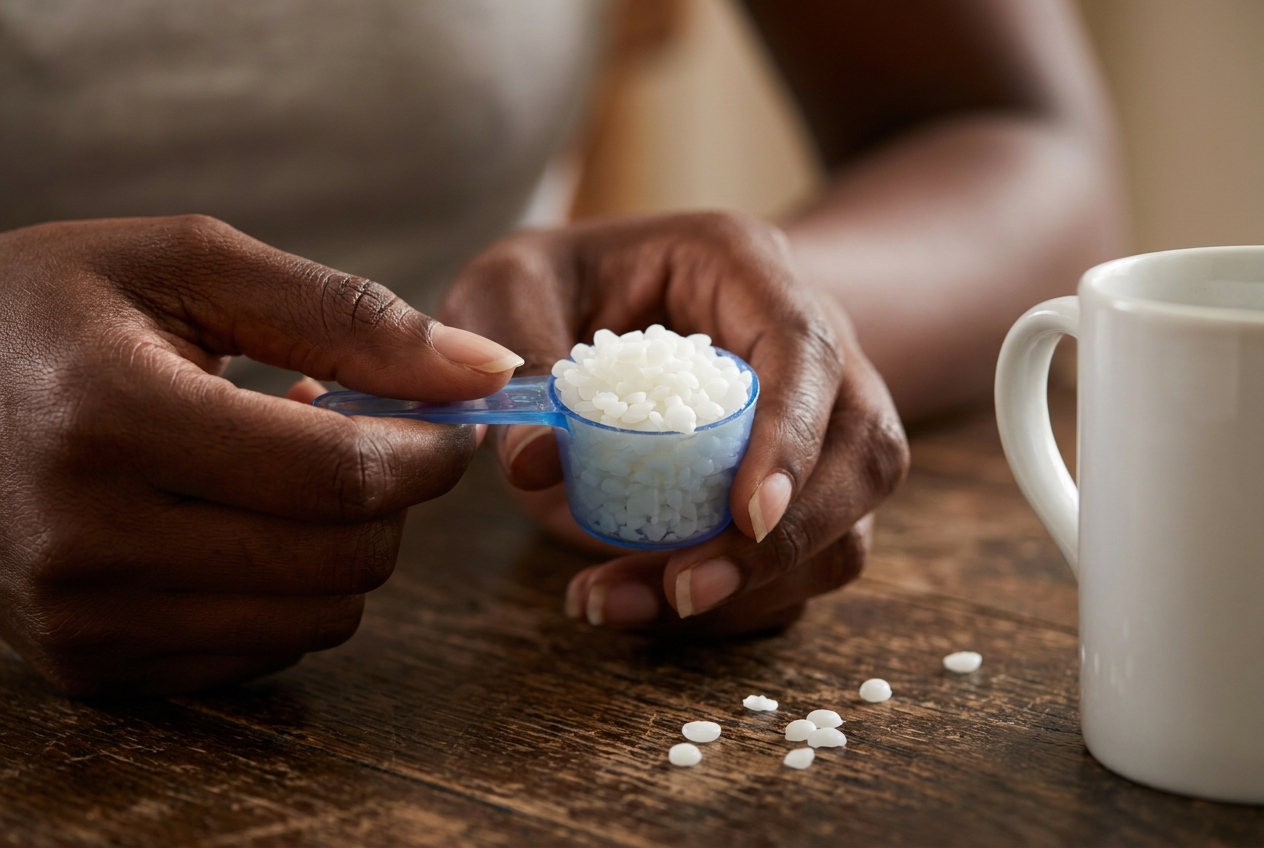Volumetric scoops can make micro-dosing a challenge during the introductory phase.
## Format Fundamentals: Understanding Pellets and Capsules
The most immediate difference between these two options is the physical user experience. Monolaurin in its raw, unbound state has a notably bitter, soapy flavor profile. The delivery format exists specifically to help users bypass this taste and deliver the lipid effectively to the digestive tract.
Lauricidin utilizes a proprietary **pellet** format. These small, waxy cylinders are designed to be scooped and swallowed whole. Because the pellets are made of pure monolaurin, they are temperature-sensitive. They must be taken with cool or room-temperature liquids. If taken with hot liquids like coffee or tea, the pellets will melt in the mouth or throat, releasing the intensely bitter flavor. Additionally, users are instructed never to chew the pellets for the same reason. For individuals comfortable with the “toss and wash” method, scooping pellets is a straightforward process.
Conversely, **Natural Cure Labs (NCL)** utilizes standard vegetable capsules. This format completely isolates the monolaurin powder within a tasteless, soluble shell. Users swallow the capsule just like any other standard supplement. The capsule barrier means there are no strict temperature rules for the accompanying liquid, and zero risk of experiencing the soapy taste of the raw compound. For individuals who experience a gag reflex with loose pellets or prefer a standardized pill format, capsules remove the mechanical friction of ingestion.
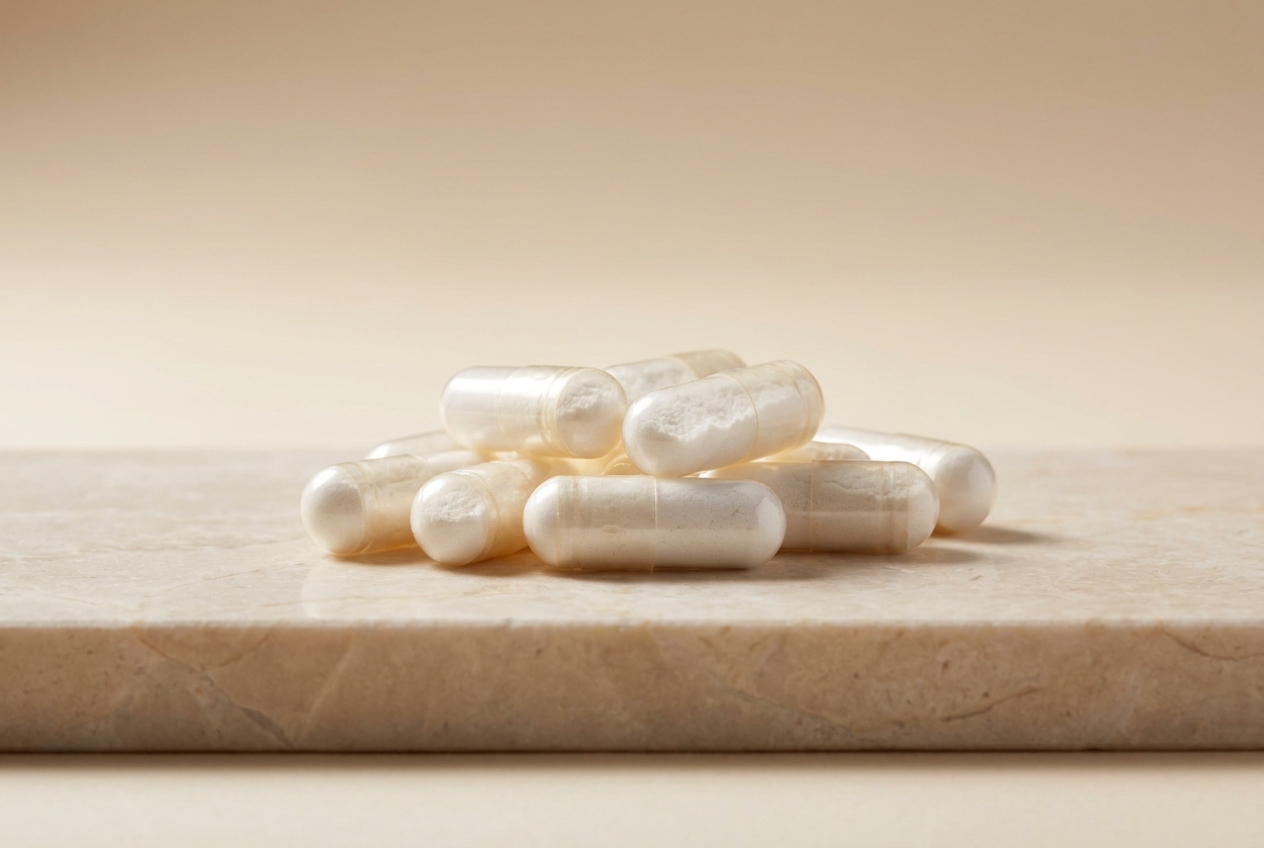Encapsulated monolaurin bypasses the bitter taste and provides exact, standardized dosage increments.
## Dosage Precision and Routine Integration
A sustainable supplement routine relies on the ability to control and adjust **dosage** accurately. Monolaurin is generally introduced slowly into the diet, requiring users to start with a low amount and gradually scale up to their target daily intake. The two formats handle this scaling process very differently.
Pellets utilize volumetric dosing. A standard container of Lauricidin comes with a measuring scoop. A full scoop delivers approximately 3,000 milligrams of monolaurin. While this allows users to consume a high volume of the supplement in a single motion, it introduces challenges for precise micro-dosing. If a user wants to start with a 300 mg or 600 mg dose, they must visually estimate a fraction of the scoop or count individual pellets. This lack of mathematical precision can make the gradual introductory phase cumbersome.
Capsules provide exact, predetermined increments. A typical NCL capsule delivers exactly 600 milligrams of monolaurin. This allows users to establish strict mathematical control over their routine. Starting a routine might involve taking exactly one capsule (600 mg) per day for a week, then stepping up to two capsules (1,200 mg) the following week. This systematic approach allows users to monitor their body’s response precisely and adjust their intake without relying on visual estimation.
Capsules allow for precise mathematical control over your daily intake, integrating seamlessly into weekly organizers.
## Purity, Additives, and Excipients
Supplement purity is a primary concern when evaluating different brands. Consumers often scrutinize labels to avoid unnecessary synthetic additives, fillers, or flow agents. The manufacturing realities of pellets versus capsules dictate slightly different ingredient profiles.
Because the pelletization process relies on the physical properties of monolaurin itself to hold its shape, Lauricidin is presented as a pure, single-ingredient product. It does not require external binders or flow agents to form the waxy cylinders. For purists who demand absolute zero additions, this is the primary advantage of the pellet format.
Encapsulation requires a different manufacturing approach. To ensure the monolaurin flows evenly into the capsules at the correct weight, trace amounts of **excipients** are often required. High-quality brands like Natural Cure Labs prioritize clean manufacturing by using clean, plant-based excipients—such as rice flour or vegetable stearate—rather than synthetic fillers or artificial flow agents. The capsule itself is made from hypromellose (plant cellulose). While this means the ingredient list is longer than just “monolaurin,” a well-formulated capsule maintains exceptionally high purity standards without compromising the integrity of the active ingredient.
High-quality encapsulated monolaurin relies on clean, plant-based excipients to maintain high purity standards.
## Tolerance and Digestive Considerations
Introducing any new concentrated lipid into the diet requires monitoring for **tolerance**. When beginning a monolaurin routine, some users may experience temporary digestive upset, mild fatigue, or general stomach discomfort if the introductory dose is too high. Managing this tolerance is directly tied to the dosage control discussed earlier.
The format itself does not inherently cause more or fewer side effects; the compound is the same. However, the format influences how easily a user can manage their intake. If a user accidentally takes too large a scoop of pellets during their first week, the sudden influx of a high-dose lipid can trigger digestive discomfort. The rigid, pre-measured increments of capsules offer a built-in safeguard against accidental overconsumption during the sensitive introductory phase.
Regardless of the format chosen, the practical rule for establishing tolerance remains the same: start at a fraction of the target daily dose, maintain that low level for several days, and only increase the volume once the body has fully adjusted to the current intake.
Managing tolerance involves starting your dosage slowly and listening to your body’s digestive response.
## Frequently Asked Questions
### How do you take monolaurin pellets without chewing?
Pellets should be placed directly in the mouth and immediately washed down with a large gulp of cool water or juice. Do not hold them in the mouth or mix them with hot liquids, as the waxy structure will begin to melt and release a bitter, soapy flavor.
### Are capsules as effective as monolaurin pellets?
Yes. The active compound, glycerol monolaurate, is identical in both formats. Effectiveness is determined by taking a consistent daily amount and ensuring the body absorbs it, rather than the physical shape of the delivery mechanism.
### Does the format affect monolaurin side effects?
The physical format does not directly change the potential for temporary side effects, which are usually related to introducing too much of the supplement too quickly. However, the precise measuring of capsules makes it easier to start with a low dose and avoid accidental overconsumption.
### Which format is better for travel and convenience?
Capsules generally offer superior convenience for travel. They can be stored in standard pill organizers, do not require a specialized measuring scoop, and can be taken discreetly with any standard temperature beverage while on the go.
Encapsulated monolaurin is highly portable and removes the need for scoops while traveling.
## Summary
Deciding between Lauricidin’s pellet format and Natural Cure Labs’ encapsulated monolaurin is a matter of practical routine building. Both products deliver high-quality glycerol monolaurate, making the choice dependent on user experience.
Pellets offer a high-volume, single-ingredient option for those comfortable with volumetric measuring and specific swallowing requirements. Conversely, capsules provide precise mathematical dosage control, bypass the compound’s bitter taste entirely, and integrate seamlessly into a standard supplement routine. Ultimately, the best monolaurin supplement is the one that eliminates friction and allows you to maintain daily consistency with ease.
---
---
title: Monolaurin vs. Antivirals: Understanding the Core Differences
url: https://monolaurinsupplement.com/monolaurin-vs-antivirals-understanding-the-core-differences/
date: 2026-05-25
author: Donald
categories: Monolaurin Comparisons
---
# Monolaurin vs. Antivirals: Understanding the Core Differences
While monolaurin is derived from coconut oil, antivirals are synthesized in highly regulated laboratory environments.
## TL;DR
Monolaurin and prescription antivirals operate through fundamentally different mechanisms. **Monolaurin** is a dietary supplement that interacts with the protective lipid envelopes of certain microorganisms. In contrast, prescription **antivirals** are synthetic medications designed to actively inhibit specific stages of viral replication inside host cells. Monolaurin supports general immune function, while antivirals target specific diagnosed conditions.
### Key Takeaways
- Monolaurin is a natural dietary supplement derived from lauric acid, whereas antivirals are highly targeted prescription medications.
- The primary mechanism of monolaurin involves interacting with lipid envelopes, while antivirals disrupt specific stages of the viral life cycle.
- Dietary supplements are intended for broad, ongoing immune support rather than the targeted medical intervention provided by pharmaceutical drugs.
- Consistency and digestive tolerance are the primary focuses when establishing a functional daily monolaurin routine.
Understanding the precise distinction between dietary supplements and prescription medications is a fundamental step in building a rational, effective health routine. When exploring immune support options, individuals frequently compare the **monolaurin supplement** to traditional antiviral drugs. While both relate to how the body navigates microscopic challenges, they occupy entirely different categories of health management.
At its core, this comparison highlights the difference between foundational immune support and targeted medical intervention. A monolaurin supplement is synthesized from **lauric acid**—a medium-chain fatty acid naturally occurring in coconut oil and human breast milk. It is categorized strictly as an over-the-counter dietary product. Prescription antivirals, on the other hand, are highly specialized pharmaceutical compounds engineered to perform exact, tightly regulated biochemical actions within human host cells.
Monolaurin supplements form the foundation of a proactive, daily health habit.
Evaluating the **monolaurin supplement pros and cons** requires understanding what supplements are legally and functionally designed to do. They do not act as substitutes for medications. Instead, they serve as part of a broader, proactive daily habit aimed at maintaining general well-being.
## Mechanisms of Action: How They Differ
To understand how these two categories diverge, it is necessary to examine their distinct mechanisms of action. The way a substance interacts with human biology dictates its proper use, timing, and expected outcomes.
### The Lipid Envelope Interaction of Monolaurin
**Monolaurin** functions primarily through a physical, structural interaction. Many microorganisms, including certain environmental challenges the immune system regularly encounters, are encased in a protective lipid (fat) envelope. Because monolaurin is a lipid-based molecule, it exhibits a natural physical affinity for these fat-based structures.
When introduced into the digestive system and absorbed, monolaurin naturally integrates into these lipid envelopes. This integration process alters the structural integrity of the envelope itself. This mechanism is non-specific; it is a general physical interaction based purely on the inherent properties of medium-chain fatty acids. This non-specific nature is exactly why individuals seeking a **pure monolaurin supplement** use it for broad, baseline daily immune support rather than as a highly targeted response to a specific condition.
Monolaurin structurally interacts with the protective lipid envelopes of certain microorganisms.
Understanding the **monolaurin vs lauric acid supplement** dynamic also provides clarity here. While lauric acid can convert into monolaurin in the body, the conversion rate is highly inefficient. Taking monolaurin directly bypasses this metabolic hurdle, ensuring the compound is readily available for these lipid interactions.
### The Targeted Replication Disruption of Antivirals
Prescription **antiviral medications** operate on a much more complex, targeted level within the body. Viruses obligatorily rely on human host cells to replicate. They must attach to a host cell, penetrate the cellular membrane, uncoat to release their genetic material, hijack the cell’s internal machinery to copy that material, and then assemble and release new viral particles into the body.
Antiviral medications are specifically engineered to interrupt one or more of these precise replication stages. Some compounds prevent the virus from uncoating, while others actively block the specific enzymes required for DNA or RNA synthesis. This is a highly specific, targeted biochemical intervention designed to halt the replication cycle of a specific, diagnosed organism.
## Variables in Your Immune Routine
Building a practical daily routine requires choosing the appropriate tool for the specific situation at hand. Several distinct variables separate a dietary supplement from pharmaceutical drugs, influencing format, frequency, and tolerance.
- **Regulatory Category and Purpose:** Antivirals are strictly regulated drugs requiring a physician’s prescription, a specific medical diagnosis, and ongoing clinical oversight. Monolaurin is an over-the-counter dietary supplement designed strictly for nutritional support.
- **Usage Timeline:** Medications are typically prescribed for short, highly regulated periods or managed continuously under direct medical supervision. Monolaurin is commonly utilized daily over long periods to maintain a steady baseline of immune function.
- **Precision of Action:** Antivirals target a specific biochemical pathway of a specific organism. Monolaurin offers general, non-specific lipid interaction.
- **Consistency Over Urgency:** Medications are deployed to address an urgent, acute medical need. Supplements rely entirely on long-term consistency. Finding the **best monolaurin supplement** format—whether capsules or pellets—and taking it at the same time each day is the standard approach to foundational support.
- **Tolerance and Digestion:** Antivirals come with distinct, documented side-effect profiles managed by a doctor. Monolaurin, being a fat derivative, is generally well-tolerated but should be introduced slowly into a routine. Starting with a lower frequency and always taking the supplement with food helps mitigate mild digestive upset.
Establishing a daily supplement routine requires long-term consistency rather than urgent intervention.
For those establishing a routine, options like [Shop Monolaurin](https://www.shopmonolaurin.com/) offer a straightforward way to maintain daily consistency without unnecessary additives, supporting the goal of a clear, uncomplicated supplement protocol.
## Frequently Asked Questions
### Can I replace my antiviral prescription with a monolaurin supplement?
No. Monolaurin is a dietary supplement intended solely for general immune support, not a replacement for any prescription medication. Antivirals are specifically formulated to address diagnosed medical conditions and should only be started, stopped, or adjusted under the direct supervision of a prescribing healthcare provider.
### Do monolaurin supplements interact with antiviral medications?
Because monolaurin is a dietary supplement derived directly from coconut oil, the body processes it similarly to a dietary fat. However, anyone currently taking prescription antiviral medication should consult their prescribing physician or pharmacist before introducing any new supplement into their daily routine to ensure there are no unintended metabolic interactions.
Always consult with a prescribing healthcare provider before combining supplements with antiviral medications.
### How long does it take for a monolaurin supplement to work?
Unlike acute medications designed for rapid clinical intervention, dietary supplements require consistent use over an extended period. Individuals establishing a new routine should focus strictly on daily consistency rather than immediate changes, typically evaluating their baseline wellness after several weeks of continuous daily use.
### Is monolaurin an alternative to antiviral medication for active infections?
No dietary supplement is legally or medically intended to treat, cure, or manage an active infection. Monolaurin serves exclusively as a proactive, daily supportive measure for foundational immune health, whereas antiviral medications are prescribed specifically to manage active, diagnosed medical situations.
## Summary
The distinction between a daily monolaurin supplement and prescription antivirals lies in their fundamental categorization, specific function, and ultimate intent. Monolaurin relies on physical, non-specific lipid interactions to support a healthy immune baseline over time. Conversely, antivirals are sophisticated, targeted pharmaceutical medications engineered to interrupt specific viral replication pathways inside human host cells.
Building a rational, effective health routine means acknowledging the respective limitations and strengths of each category. Dietary supplements excel at long-term, generalized support driven by consistent daily habits, whereas pharmaceuticals exist to provide the highly specific, acute interventions required during diagnosed medical events.
---
---
title: Top 10 Areas Where Monolaurin Supplements Are Investigated
url: https://monolaurinsupplement.com/top-10-areas-where-monolaurin-supplements-are-investigated/
date: 2026-05-24
author: Donald
categories: Mechanism & Science
---
# Top 10 Areas Where Monolaurin Supplements Are Investigated
Monolaurin, derived from lauric acid found in coconuts, has become a staple in many daily wellness and immune support routines.
## TL;DR
Monolaurin is widely investigated for its potential to support the immune system by interacting with lipid-coated microorganisms. Top research areas focus on its ability to disrupt the lipid envelopes of specific viruses, its impact on bacterial strains like staphylococcus, its role in fungal balance, and its overall capacity for immune system modulation.
### Key Takeaways
- The primary mechanism of **monolaurin** involves interacting with the protective lipid layers of certain microorganisms.
- Research spans across viral, bacterial, and fungal applications, focusing heavily on lipid-coated organisms.
- Monolaurin is considered a supportive compound, investigated for its ability to manage biofilms and support gut microbiome balance.
- Incorporating a high-quality **pure monolaurin supplement** into a daily routine focuses on consistency and long-term immune support rather than acute treatment.
Finding the right supplements can be challenging when sifting through endless claims and complex physiological data. Many individuals turning to a **monolaurin supplement for immune system** support are doing so because of its well-documented history in scientific literature. Derived from **lauric acid**—a medium-chain fatty acid found naturally in coconut oil and breast milk—monolaurin has been the subject of laboratory and clinical investigations for decades.
The search for effective, evidence-informed supplement routines often leads to questions about what exactly monolaurin does. While it is not a medical treatment or a cure for diseases, researchers have heavily investigated its unique mechanisms of action against various microscopic threats. Understanding what monolaurin has been studied for helps frame realistic expectations for everyday use.
Consistency matters more than perfection when building a supplement routine. By examining the top areas of investigation, users can make clearer, more informed decisions about integrating monolaurin into their long-term wellness strategy. For those seeking reliable options, [Shop Monolaurin](https://www.shopmonolaurin.com/) offers practical starting points.
Building a reliable immune support strategy relies on consistent, daily habits rather than seeking quick fixes.
## How Monolaurin Interacts with Microorganisms
The fundamental mechanism that drives most monolaurin research is its interaction with **lipid envelopes**. Many viruses, bacteria, and fungi possess an outer membrane composed of lipids (fats). This envelope protects the organism and allows it to attach to host cells.
Monolaurin is structurally similar to these lipids. When introduced into an environment with lipid-coated microorganisms, monolaurin is believed to incorporate itself into their protective outer layers. This integration disrupts the structural integrity of the envelope, potentially leading to its breakdown. Without this lipid shield, the organism loses its ability to function, replicate, or attach to host cells.
Because this mechanism relies on the physical structure of the microorganism rather than a specific biological pathway, monolaurin is broadly investigated across multiple categories of pathogens. Importantly, organisms that do not have a lipid envelope are generally not affected by monolaurin, which is why it is studied as a targeted, rather than a universal, antimicrobial agent.
## 10 Key Areas of Monolaurin Investigation
Monolaurin is investigated for its ability to interact with and disrupt the lipid envelopes that protect certain viruses and bacteria.
### 1. Lipid-Enveloped Viruses
The most robust area of monolaurin research centers on its interaction with **lipid-enveloped viruses**. This category includes the herpes simplex virus (HSV), Epstein-Barr virus (EBV), and influenza. Laboratory studies investigate how monolaurin dismantles the viral envelope, preventing the virus from successfully binding to and infecting healthy cells. This is a primary reason many seek a **monolaurin supplement for viral infections** as a daily immune strategy.
### 2. Bacterial Strains and Staphylococcus
Beyond viruses, monolaurin has been extensively tested against various bacterial strains, particularly Gram-positive bacteria. **Staphylococcus aureus**, including antibiotic-resistant strains like MRSA, has been a frequent subject of study. The research focuses on monolaurin’s ability to inhibit bacterial growth and disrupt bacterial cell membranes without necessarily harming beneficial bacteria in the same way traditional broad-spectrum agents might.
### 3. Candida and Fungal Organisms
Fungal overgrowth, particularly involving **Candida albicans**, is a common trigger for wellness investigations. Monolaurin has been studied for its antifungal properties, specifically its capacity to interfere with the fungal cell wall. By disrupting the structure of candida cells, monolaurin is explored as a tool for maintaining systemic fungal balance and supporting overall microbial harmony.
Because it targets specific lipid-coated organisms, monolaurin is frequently explored as a way to support systemic and digestive microbial balance.
### 4. Biofilm Disruption
Many stubborn microorganisms protect themselves by secreting a sticky, protective matrix called a **biofilm**. Biofilms make it difficult for the immune system to clear the underlying organisms. Monolaurin is continuously investigated for its ability to penetrate and disrupt these biofilms, potentially exposing the sheltered microorganisms and making them vulnerable to the body’s natural immune responses.
### 5. Gut Microbiome Balance
The gut microbiome is a complex ecosystem that relies on a balance of beneficial and opportunistic organisms. Because monolaurin appears to selectively target lipid-coated pathogens while generally sparing beneficial lactic acid bacteria, it is studied as an agent for gut health. Investigations focus on its potential to weed out problematic overgrowths without destroying the necessary microflora required for digestion and immune function.
### 6. Skin and Topical Health
While often taken orally, monolaurin’s antibacterial properties have also prompted investigations into skin health. Conditions driven by topical bacterial imbalances, such as acne and localized skin irritations, have been studied in relation to monolaurin’s ability to reduce microbial loads on the skin surface. Its lipid-disrupting nature makes it an interesting candidate for dermatological research.
Monolaurin’s antibacterial properties have prompted research into its ability to support dermatological health and manage topical microbial loads.
### 7. Spirochetes and Lyme Disease Contexts
Spirochetes, the spiral-shaped bacteria responsible for Lyme disease (such as *Borrelia burgdorferi*), are notoriously difficult to manage. Some emerging research and functional wellness investigations look at monolaurin’s potential to interact with these bacteria, particularly when they attempt to hide within protective biofilms or protective lipid layers during chronic phases of the condition.
### 8. Immune System Modulation
Rather than just attacking pathogens directly, monolaurin is also investigated for its indirect impact on the immune system. By potentially reducing the overall burden of opportunistic viruses and bacteria, monolaurin may free up the immune system’s resources. This concept of **immune system modulation** suggests that monolaurin helps the body maintain a state of readiness without triggering excessive inflammation.
### 9. Chronic Fatigue Support
Many cases of chronic fatigue are linked to persistent, low-grade viral or bacterial activity—often involving viruses like EBV that reactivate during times of stress. Because monolaurin is investigated for its ability to suppress the replication of these specific lipid-coated viruses, it is frequently explored as a supportive supplement for individuals managing unexplained or chronic fatigue linked to immune burdens.
### 10. Parasitic Organisms
Though less commonly discussed than its viral and bacterial applications, monolaurin has been included in studies examining specific parasitic infections. Certain intestinal parasites rely on lipid structures for survival and reproduction. Investigations aim to determine if the same membrane-disrupting mechanisms that work on viruses and bacteria can also compromise the structural integrity of these larger organisms.
Managing chronic fatigue often involves addressing underlying, persistent immune burdens through restorative rest and targeted wellness strategies.
## Frequently Asked Questions
### Does monolaurin supplement really work for viral infections?
Monolaurin is heavily researched for its ability to disrupt the lipid envelopes of specific viruses in laboratory settings. While it is not a medical treatment or cure, many individuals use it as part of a daily routine to support the immune system’s natural ability to manage viral loads over time.
### Can you take monolaurin long term?
Yes, monolaurin is generally considered safe for long-term use. Because it is derived from lauric acid, a natural fatty acid, it does not typically disrupt beneficial gut bacteria or cause the systemic imbalances associated with long-term use of traditional antimicrobial agents. Consistency is key for ongoing immune support.
### How long does monolaurin supplement take to work?
Monolaurin does not work like an acute medication. It is a supportive supplement that works incrementally by interacting with microorganisms and supporting immune function. Most users are encouraged to maintain a consistent daily routine for several weeks to observe systemic changes in immune resilience.
### What is the best dosage form for a monolaurin supplement?
The **best dosage form** depends on practical preference and consistency. Capsules are often preferred for their convenience and precise measurement, avoiding the bitter taste of pure powders. When evaluating options, seeking a **pure monolaurin supplement** free of unnecessary fillers or artificial additives provides the most reliable foundation for a daily routine.
Integrating supplements into a daily routine should be practical, seamless, and focused on long-term consistency.
## Summary
Monolaurin remains one of the most thoroughly investigated natural compounds for immune and microbial support. By specifically targeting the protective lipid envelopes of viruses, bacteria, and fungi, it offers a unique mechanism of action that differs from broad-spectrum agents. The top areas of investigation—ranging from herpes viruses and staphylococcus to biofilms and gut health—highlight its versatility.
Building an effective routine with monolaurin is about practicality and consistency rather than seeking an immediate cure. By understanding the established mechanisms and the specific organisms monolaurin interacts with, individuals can set realistic expectations for their wellness strategies. For those ready to implement these findings, prioritizing high-quality sources, such as those found at [shopmonolaurin.com](https://www.shopmonolaurin.com/), ensures a reliable approach to long-term immune support.
---
---
title: Monolaurin Supplement Effects on the Liver: Safety and Metabolism
url: https://monolaurinsupplement.com/monolaurin-supplement-effects-on-the-liver-safety-and-metabolism/
date: 2026-05-23
author: Donald
categories: Side Effects & Safety
---
# Monolaurin Supplement Effects on the Liver: Safety and Metabolism
Monolaurin is derived from lauric acid, natively found in coconut oil, making it a natural fit for a balanced wellness routine.
## TL;DR
Monolaurin is generally well-tolerated, and current observations do not indicate direct adverse effects on liver function for healthy individuals taking standard amounts. As a derivative of lauric acid, **monolaurin** is metabolized similarly to standard dietary fats. However, anyone managing pre-existing hepatic conditions should establish a clear routine with a healthcare provider before introducing new supplements.
### Key Takeaways
- Monolaurin metabolizes as a medium-chain fatty acid, meaning the liver processes it efficiently alongside normal dietary fats.
- There is no current established mechanism indicating that standard monolaurin consumption causes hepatic distress in healthy individuals.
- Selecting a high quality monolaurin supplement helps minimize the intake of unnecessary synthetic fillers or excipients that the liver must filter.
- Consistency and proper tolerance testing are prioritized over high-volume supplementation to maintain optimal digestive and metabolic balance.
Building a reliable routine helps your body efficiently process and adapt to new supplements.
When building a reliable supplement routine, understanding how active compounds process through the body is a critical step. Questions often arise regarding the metabolic pathways of new additions, particularly concerning the liver, which serves as the primary filtration and processing center for ingested substances.
Addressing is monolaurin supplement safe requires looking at how the body breaks down this compound. Because monolaurin is synthesized from lauric acid—a fat found natively in coconut oil and human breast milk—the body possesses well-established pathways for its digestion. Evaluating monolaurin supplement pros and cons involves looking at this natural metabolic process and determining how to incorporate it consistently without overloading the body’s natural filtration systems.
## How the Liver Processes Monolaurin
To understand monolaurin’s interaction with the liver, it helps to identify its core chemical structure. Monolaurin is a monoester formed from **lauric acid**, which functions as a **medium-chain fatty acid (MCFA)**.
Medium-chain fatty acids are routed directly to the liver, where they are oxidized for energy.
When a monolaurin supplement is ingested, it travels to the gastrointestinal tract and is absorbed. Unlike long-chain fatty acids, which require complex bile processing and lymphatic transport, medium-chain fatty acids are typically routed directly to the liver via the portal vein.
Once in the liver, these compounds undergo **hepatic metabolism**. The liver efficiently oxidizes medium-chain fatty acids to produce energy. Because this is a standard metabolic pathway used for common dietary fats, the liver is well-equipped to handle the compound without requiring specialized or stressful adaptive mechanisms. The emphasis remains on practical intake—using standard amounts allows the liver to process monolaurin exactly as it would process fats from a standard meal.
## Potential Factors Influencing Hepatic Metabolism
While monolaurin itself utilizes standard lipid pathways, several external variables dictate how efficiently the body processes a supplement stack.
- **Supplement Purity:** The presence of synthetic binders, artificial dyes, or chemical excipients requires additional hepatic filtration. Choosing a **high quality monolaurin supplement**, such as those formulated by [NCL (Natural Cure Labs)](https://www.shopmonolaurin.com/), ensures that the liver is processing the primary compound rather than unnecessary manufacturing additives.
- **Existing Hepatic Load:** Individuals consuming alcohol, prescription medications, or other intensive supplement stacks place varying demands on liver function. Adding any new compound must be evaluated within the context of the liver’s overall processing queue.
- **Dosage Escalation:** Rapidly increasing the intake of any lipid-based supplement can cause temporary digestive and metabolic bottlenecks. Implementing a step-by-step introduction protocol helps establish a baseline tolerance.
Choosing high-quality supplements minimizes the intake of synthetic binders and chemical excipients.
## Frequently Asked Questions
### Is a monolaurin supplement safe for long-term use?
For most healthy individuals, establishing a consistent, long-term routine with monolaurin is safe. The compound is metabolized as a standard dietary fat, though users should maintain practical daily limits and periodically review their entire supplement stack.
### Can you take monolaurin long term alongside other liver-processed supplements?
While monolaurin utilizes standard metabolic pathways, stacking it heavily with other dense, lipid-based supplements or processed compounds increases total hepatic demand. It is best to introduce one variable at a time to monitor personal tolerance.
### What are the main monolaurin supplement side effects?
Most reported monolaurin supplement side effects are mild and gastrointestinal in nature, rather than hepatic. Taking the supplement too rapidly or on a completely empty stomach can cause temporary digestive upset.
### Does taking a monolaurin supplement cause liver enzyme spikes?
There is no established physiological mechanism suggesting standard monolaurin consumption directly elevates AST or ALT liver enzymes in a healthy liver. Any unexplained enzyme fluctuations should be evaluated by a medical professional.
## Understanding Monolaurin Supplementation
A sensible daily routine ensures your body’s natural filtration systems remain balanced and healthy.
The body processes monolaurin through familiar, well-established pathways used for everyday dietary fats. Because the liver routes medium-chain fatty acids efficiently for energy production, introducing a pure, high-quality product fits naturally into a balanced wellness routine. The focus should always remain on consistency, purity, and observing personal tolerance rather than extreme or rapid dosing.
By prioritizing a practical approach and selecting a reliable source like [Shop Monolaurin](https://www.shopmonolaurin.com/), users can confidently incorporate monolaurin into their daily lives. Structuring a sensible routine prevents unnecessary stress on the body’s digestive and filtration systems, ensuring long-term sustainability.
---
---
title: Best Supplements for Herpes Outbreaks: A Routine Guide
url: https://monolaurinsupplement.com/best-supplements-for-herpes-outbreaks-a-routine-guide/
date: 2026-05-22
author: Donald
categories: Herpes Supplement, Managing Outbreaks
---
# Best Supplements for Herpes Outbreaks: A Routine Guide
Establishing a daily supplement routine is key to proactive immune management.
## TL;DR
The most effective supplement routines for herpes outbreaks focus on supporting the body’s immune system and altering the conditions necessary for viral replication. A combination of **L-lysine**, **monolaurin**, **vitamin C**, and **zinc** provides structural and functional support. Success relies on consistent daily intake rather than occasional high doses.
### Key Takeaways
- **L-lysine** competes with arginine, an amino acid that the herpes virus requires to multiply.
- **Monolaurin** is a lipid-derived compound that interacts with the protective envelopes of certain viruses.
- **Zinc** and **Vitamin C** provide foundational support for overall immune function and skin integrity.
- Supplement routines should prioritize daily consistency rather than reactive dosing during active flare-ups.
Consistency is more effective than occasional high doses.
## The Role of Dietary Supplements in Outbreak Management
Managing herpes outbreaks requires a comprehensive approach to immune health. When the body encounters physical or emotional stressors, the immune system’s capacity to keep dormant viruses in check can weaken, leading to active flare-ups. A structured supplement routine helps maintain optimal conditions for immune function before stressors trigger a response.
Navigating the **natural antiviral supplements list** can feel overwhelming. Rather than relying on a single compound, a practical approach involves stacking complementary nutrients that address different aspects of immune defense. The goal is not to eliminate the virus—which resides permanently in the nervous system—but to equip the body with the specific raw materials it needs to manage it effectively.
## How Core Supplements Alter the Viral Environment
Selecting the **best immune support supplements** requires understanding how specific nutrients interact with the virus’s lifecycle. These compounds work through different biological mechanisms to support resilience.
Balancing your diet to favor lysine over arginine can help suppress viral replication.
### The Lysine to Arginine Ratio
The herpes virus relies heavily on the amino acid **arginine** to replicate. **L-lysine** is a different amino acid that competes with arginine for absorption in the intestines and entry into cells. When the blood concentration of lysine is significantly higher than arginine, the virus is deprived of the essential building blocks it needs to multiply. Maintaining a daily intake of **lysine and monolaurin supplements** helps sustain this unfavorable environment.
### The Monolaurin Mechanism
**Monolaurin** is a chemical derived from lauric acid, a medium-chain fatty acid naturally found in coconut oil. Many viruses, including the herpes simplex virus, are enveloped—meaning they are encased in a protective lipid (fat) membrane. Monolaurin is structured similarly to these lipids. When introduced into the body, it can incorporate itself into the viral envelope, disrupting the structural integrity of the virus and making it easier for the immune system to identify and clear.
**Explore monolaurin options: [https://www.shopmonolaurin.com/](https://www.shopmonolaurin.com/) **
### Foundational Immune Support: Vitamin C and Zinc
While lysine and monolaurin target specific viral mechanisms, **Vitamin C** and **zinc** serve as broad-spectrum immune support. Vitamin C is a potent antioxidant that protects cells from oxidative stress and supports the production of white blood cells. Zinc is crucial for the normal development and function of immune cells. Both nutrients also play vital roles in collagen synthesis and skin health, which is essential for maintaining the physical barriers that outbreaks compromise.
Systemic stress and fatigue can lower your immune defenses, triggering flare-ups.
## Factors That Influence Outbreak Frequency
Even the **best monolaurin supplement for herpes** will struggle to compensate for an environment that constantly favors viral replication. Several behavioral and dietary factors directly influence the effectiveness of a supplement routine.
- **Dietary Arginine Intake:** Foods high in arginine—such as nuts, seeds, chocolate, and certain grains—can offset the benefits of lysine supplementation. Balancing these foods with lysine-rich proteins is critical.
- **Systemic Stress:** Elevated cortisol levels suppress immune function. Chronic stress creates biological vulnerabilities that allow the virus to reactivate.
- **Ultraviolet Light Exposure:** Excessive sun exposure is a known trigger for oral outbreaks. UV radiation causes local immunosuppression in the skin, reducing localized defenses.
- **Sleep Quality:** Sleep is the primary period for immune cell regeneration. Fragmented or insufficient sleep directly reduces the body’s capacity to maintain viral suppression.
Quality sleep is the primary period for immune cell regeneration.
Protecting that regeneration window is mostly a matter of routine rather than any single product, though the two often work together. [A melatonin-free evening option](https://www.naturalcurelabs.com/pages/ashwagandha) using 800 mg of KSM-66® ashwagandha alongside magnesium, L-theanine, and vitamin B6 is one example of a label where every amount is listed, which makes it easier to see exactly what you are adding to the evening.
## Frequently Asked Questions
### Can you take monolaurin long term?
Yes, monolaurin is generally well-tolerated for long-term, daily use. Unlike some compounds that lose efficacy or strain the liver over time, monolaurin is metabolized by the body much like a standard dietary fat. Consistent daily intake is often more effective than reactive use.
### Should I take lysine and monolaurin supplements on an empty stomach or with food?
Monolaurin is a lipid derivative and is typically best absorbed when taken with food, which also minimizes the risk of mild gastrointestinal upset. L-lysine, as an amino acid, is often recommended on an empty stomach to prevent it from competing with other amino acids in protein-rich meals.
### How long does a monolaurin supplement take to work?
Dietary supplements do not function as rapid-onset medications. Building adequate tissue levels of monolaurin and establishing a stable lysine-to-arginine ratio typically requires several weeks of consistent daily supplementation.
### What should I look for in a monolaurin supplement for viral infections?
The **best monolaurin supplement** should provide a pure form of monolaurin without unnecessary fillers. Focus on products that offer transparent ingredient lists and are manufactured in compliant facilities. Formats vary between capsules and pellets; choose the format that ensures you can maintain daily consistency.
Tracking your daily habits ensures you maintain a stable baseline.
## Building a Sustainable Routine
The most effective supplement regimen is the one you take consistently. While the mechanisms behind monolaurin, lysine, zinc, and vitamin C are distinct, they work synergistically to create a biological environment that resists viral replication.
Instead of chasing intermittent high doses during an active outbreak, focus on establishing a stable daily baseline. By prioritizing the lysine-to-arginine ratio, supporting lipid envelope disruption, and maintaining general immune readiness, you can build a practical defense strategy. Always source high-quality supplements to ensure your body receives the exact compounds it needs.
## References
- Monolaurin Supplement Guide and Resources. Available at: https://www.shopmonolaurin.com/
---
---
title: What Is a Practical Herpes Supplement Routine?
url: https://monolaurinsupplement.com/what-is-a-practical-herpes-supplement-routine/
date: 2026-05-13
author: Donald
categories: Daily Immune, Herpes Supplement, L-Lysine Timing
tags: daily immune habits, herpes supplement routine, l-lysine timing
---
# What Is a Practical Herpes Supplement Routine?
**Summary:** There is no cure for the virus. Consistent habits may support overall immune health, but prioritize gentle routines and safety over quick fixes.
## What is the quick answer?
A **herpes supplement routine** often prioritizes **L-lysine timing**, best taken on an **empty stomach** to improve **bioavailability** (absorption rate). Consistency matters more than perfect timing, but separating amino acids from heavy meals is a standard approach.
## When should you take amino acids?
Research suggests L-lysine competes with arginine for absorption.¹ Therefore, taking it between meals is often recommended. A simple rule is to anchor the dose to your morning water habit to reduce daily friction.
## Should you take these with food?
While lysine is best alone, **daily immune habits** involving Vitamin C or Zinc can easily cause nausea on an empty stomach. Take those minerals with meals. Apply a gentle default: always prioritize your digestive comfort.
## How often should you take them?
Splitting doses might help maintain steadier blood nutrient levels. Instead of one large dose, you can split intake between morning and night. Capsules are common, but dissolvable powders offer flexibility.
## What is the safety context and disclaimer?
Long-term, high doses of zinc can disrupt mineral balances. Supplements do not cure disease or stop viruses. *Disclaimer: This article is strictly for educational purposes and does not replace professional medical advice. Consult a doctor for treatment.*
## What are common FAQ?
**Can supplements prevent outbreaks?**
No supplement cures viral activity. They may only support general immune function during periods of elevated physical stress.²
**Is daily use required?**
Some individuals maintain a daily baseline routine, while others use them when stressed. Adherence is key.
## References
- Nutrition Review on Amino Acid Absorption (2021).
- NIH Office of Dietary Supplements: Zinc Fact Sheet.
---
---
title: How to Take Monolaurin: Morning or Night? With Food or Empty Stomach?
url: https://monolaurinsupplement.com/how-to-take-monolaurin-morning-or-night-with-food-or-empty-stomach/
date: 2025-11-27
author: Donald
categories: Monolaurin Routine
---
# How to Take Monolaurin: Morning or Night? With Food or Empty Stomach?
> Learn how to take monolaurin: best timing (morning vs night), with food vs empty stomach, and how to start gently for a consistent routine.
## **Summary**
-
There’s no single “best” time to take monolaurin—morning or night both work, so the best choice is the one you’ll follow consistently.²³
-
A peer-reviewed review notes limited peer-reviewed evidence for monolaurin’s clinical use as an oral dietary supplement (beyond being a nutrient), so expectations should stay realistic.¹
-
Start with food as the easiest, gentlest default; if you tolerate it well, you can later test taking it on an empty stomach.
-
Once daily is the simplest routine for most people; splitting into two times (morning + night) can be helpful if you prefer smaller amounts.
-
Format affects routine: capsules are typically easier to track and stay consistent with; pellets offer flexibility but may add effort – research suggests dosage-form preference can influence adherence.²³⁴
---
If you’re Googling how to take monolaurin, you’re probably stuck on two questions:
-
What timing is best—morning or night?
-
Should you take monolaurin with food or on an empty stomach?
Here’s the most helpful (and honest) answer: there’s no universally “best” time for everyone. What matters most is choosing a routine you can follow consistently.
Also, it’s worth knowing that a peer-reviewed review found limited peer-reviewed evidence for monolaurin’s clinical use as a human dietary supplement (beyond being a nutrient), and the human studies it found were mainly topical uses—not the typical oral supplement approach.¹
## Morning vs night: which is better?
Morning is usually best for consistency
Taking monolaurin in the morning is often easiest because it attaches to an existing habit:
-
breakfast
-
brushing your teeth
-
leaving the house
In general, *less friction = better follow-through*. Research on oral dosage forms shows that product attributes (like convenience and ease of use) can influence acceptability and behaviors tied to adherence.²³
### Night is great if bedtime is your most reliable routine
Nighttime can be a better choice if your mornings are chaotic or if you already do a “bedtime stack” of supplements.
**Simple rule:** pick the time you’re least likely to skip.
## With food or empty stomach?
### Start with food (the easiest, gentlest default)
If you’re just starting monolaurin, taking it with food is usually the simplest way to reduce the chance of stomach discomfort and keep your routine on track.
### Empty stomach can work if you tolerate supplements well
Some people prefer taking supplements on an empty stomach because it’s quick and consistent (wake up → take → done). If that works for you, great.
**Practical approach:**
-
**Week 1:** with food
-
**After that:** adjust based on comfort + routine
## How to start gently (a low-friction ramp-up)
Because people vary a lot in tolerance, many prefer a gradual approach.
A simple routine:
-
**Days 1–3:** small amount with a meal
-
**Days 4–7:** increase slightly if comfortable
-
**Week 2+:** stick to the amount and timing you can repeat daily
(Not a medical rule – just a routine strategy.)
## Once per day or split into two times?
### Once daily = easiest
If you want the most sustainable habit, once daily is the simplest plan.
### Split doses = useful if you prefer smaller amounts
Some people like splitting into morning + night so each dose feels lighter. This is mostly a preference/routine choice.
## Does format matter (capsules vs pellets) for routine?
Format doesn’t magically create results—but it *can* affect how easy the habit feels.
-
**Capsules** tend to be easiest for tracking and consistency (pre-measured, grab-and-go).
-
**Pellets** can offer flexibility but may add effort (measuring/counting).
Research in medication/supplement behavior broadly supports the idea that preference and acceptability can influence adherence, and formulation characteristics can play a role.²⁴
## Safety + “GRAS” context (quick clarification)
You may see statements online that monolaurin (or related monoglycerides) are “GRAS.” GRAS is a regulatory concept used for certain substances in food contexts. The FDA’s GRAS Notice Inventory includes GRN 648 (Monoglycerides), with public documents available.⁵
This is background context, not proof of supplement benefits.
If you’re pregnant, nursing, have a health condition, or take medications, it’s smart to check with a qualified healthcare professional before adding any supplement.
## FAQ: How to take monolaurin
**Is it better to take monolaurin in the morning or at night?**
Neither is universally better. Pick the time you’ll take most consistently.
**Should I take monolaurin with food?**
Starting with food is usually the easiest default. Then adjust based on comfort.
**How long until I notice anything?**
It varies a lot. Consistency matters more than perfect timing.
---
**Disclaimer: **This article is for educational purposes only and not intended as medical advice. Always consult a qualified healthcare professional before making changes to your supplement or wellness routine.
#### References
-
Barker LA, Bakkum BW, Chapman C. *The Clinical Use of Monolaurin as a Dietary Supplement: A Review of the Literature.* **J Chiropr Med.** 2020. [PMC+1](https://pmc.ncbi.nlm.nih.gov/articles/PMC7486475/?utm_source=chatgpt.com)
-
Hauber B, et al. *Patient Acceptability and Preferences for Solid Oral Dosage Form Drug Product Attributes: A Scoping Review.* 2024. [PMC](https://pmc.ncbi.nlm.nih.gov/articles/PMC11197953/?utm_source=chatgpt.com)
-
Shariff ZB, et al. *Does the Formulation of Oral Solid Dosage Forms Affect Acceptance and Adherence in Older Patients? A Mixed Methods Systematic Review.* 2020. [PubMed](https://pubmed.ncbi.nlm.nih.gov/32224260/?utm_source=chatgpt.com)
-
Losi S, et al. *The role of patient preferences in adherence to treatment…* 2021. [AboutScience](https://journals.aboutscience.eu/index.php/dti/article/view/2342?utm_source=chatgpt.com)
-
U.S. FDA. *GRAS Notice Inventory: GRN 648 (Monoglycerides) + releasable GRAS notice PDF.* [FDA CFSAN Apps+1](https://cfsanappsexternal.fda.gov/scripts/fdcc/?id=648&set=GRASNotices&utm_source=chatgpt.com)
---
---
title: Monolaurin Side Effects: What to Expect When You Start (And How to Take It Gently)
url: https://monolaurinsupplement.com/monolaurin-side-effects-what-to-expect-when-you-start-and-how-to-take-it-gently/
date: 2025-11-24
author: Donald
categories: Side Effects & Safety
---
# Monolaurin Side Effects: What to Expect When You Start (And How to Take It Gently)
> Learn common monolaurin side effects people report when starting, how to reduce discomfort, and simple tips to take monolaurin more comfortably.

## **Summary**
-
Monolaurin side effects are mostly about tolerance when starting, because strong human clinical data on oral monolaurin supplements is limited.¹
-
A peer-reviewed review found no peer-reviewed evidence supporting monolaurin’s clinical use as a human dietary supplement (beyond being a nutrient), so many “side effect” claims online aren’t backed by strong trials.¹
-
The most common starter issues people typically report are mild digestive discomfort or feeling “off” if they start too high/too fast, so the best approach is usually start low and increase slowly.¹
-
Take with food at first (especially week 1), avoid stacking multiple new supplements, and only increase if you feel comfortable.
-
Format can affect consistency: capsules are usually easiest for repeat daily use; preference and acceptability influence adherence.²
---
If you’re searching monolaurin side effects, you’re already thinking like a smart supplement buyer: *“What might I feel when I start, and how do I make this easy on my body?”*
Here’s the honest answer: high-quality human clinical trials on monolaurin as an oral dietary supplement are limited, and a published review found no peer-reviewed evidence for clinical use as a human dietary supplement (beyond being a nutrient)—so most “side effect” conversations online are based on general tolerance patterns, formulation, and personal reports rather than strong clinical data.¹
That said, there are still practical, common-sense ways to start gently.
## First: what “side effects” usually means in supplement reality
For many supplements, “side effects” are often less about something dangerous and more about tolerance – especially early on.
The most commonly discussed starter issues people *tend* to report with new supplements are things like:
-
mild digestive discomfort
-
feeling “off” when taken on an empty stomach
-
sensitivity to higher amounts too quickly
Because monolaurin products vary in serving size and format (capsules vs pellets), how you begin can matter a lot for comfort.²
## What the research does say about safety context (without overclaiming)
Monolaurin is also known as glycerol monolaurate (GML). It’s been used as a substance in food/cosmetic contexts, and you’ll often see references to FDA “GRAS” status in the literature (GRAS is a food-safety regulatory category, not proof of supplement benefits).³⁴
Also important: the monolaurin review notes that while vendors commonly suggest oral dosing ranges, the FDA has not published standard dosing guidelines for monolaurin supplements.¹
## Common “starting issues” and what to do about them
### 1) If your stomach feels sensitive
Try this:
-
Take monolaurin with a full meal for the first week.
-
Avoid stacking it with multiple new supplements on Day 1.
-
Consider a smaller starting amount and increase slowly.¹
Why this helps: many people tolerate supplements better with food, and starting gently reduces “too much too soon” issues. (This is routine logic, not a medical claim.)
### 2) If you feel uncomfortable when you increase too fast
The published review notes that supplement companies and practitioners often recommend gradually increasing intake, with commonly mentioned adult ranges like 1–5 grams/day, and some commercial sources suggesting higher.¹ [PMC+1](https://pmc.ncbi.nlm.nih.gov/articles/PMC7486475/)
Practical move: increase slowly only if you feel fine at your current routine.
### 3) If you keep “forgetting” (the most common side effect of all)
A lot of “it didn’t work” stories are really “I didn’t stick with it.” Research on oral dosage forms shows that handling, swallowability, and overall acceptability influence whether people keep taking something consistently.² [PMC](https://pmc.ncbi.nlm.nih.gov/articles/PMC11197953/)
Easy fix: pick the simplest format for your day-to-day life (for most people, that’s capsules).
## When to stop and check with a professional
Stop and seek medical advice if you experience:
-
signs of an allergic reaction (like swelling, hives, trouble breathing)
-
persistent or worsening symptoms
-
anything that feels severe or concerning
And if you’re pregnant, nursing, have a medical condition, or take medications, it’s smart to ask a qualified healthcare professional before adding any supplement.
## Quick “start gently” routine (simple and realistic)
-
Days 1–3: take a small amount with food
-
Days 4–7: stay consistent; increase only if you’re comfortable
-
Week 2+: lock in the easiest routine you can repeat daily
This approach is boring – in the best way.
---
**Disclaimer: **This article is for educational purposes only and not intended as medical advice. Always consult a qualified healthcare professional before making changes to your supplement or wellness routine.
## References
-
Barker LA, Bakkum BW, Chapman C. *The Clinical Use of Monolaurin as a Dietary Supplement: A Review of the Literature.* Journal of Chiropractic Medicine (PMC full text). [PMC+1](https://pmc.ncbi.nlm.nih.gov/articles/PMC7486475/)
-
Hauber B, et al. *Patient Acceptability and Preferences for Solid Oral Dosage Form Drug Product Attributes: A Scoping Review.* (PMC full text). [PMC](https://pmc.ncbi.nlm.nih.gov/articles/PMC11197953/)
-
U.S. FDA. *GRAS Notice (GRN) No. 648: Monoacylglycerides (Monoglycerides) — public notice PDF.* [U.S. Food and Drug Administration](https://www.fda.gov/files/food/published/GRAS-Notice-000648---Monoglycerides.pdf)
-
Zhang MS, et al. *Glycerol Monolaurate inhibits human T cell signaling and function.* Scientific Reports (mentions GRAS context and use in products). [Nature](https://www.nature.com/articles/srep30225?utm_source=chatgpt.com)
---
---
title: Monolaurin Pellets vs Capsules: Which Is Better?
url: https://monolaurinsupplement.com/monolaurin-pellets-vs-capsules-which-is-better-capsules-vs-pellets-guide/
date: 2025-11-05
author: Donald
categories: Monolaurin Comparisons
---
# Monolaurin Pellets vs Capsules: Which Is Better?
> Not sure whether to choose monolaurin pellets or capsules? Learn the real differences: convenience, consistency, flexibility so you can pick the best format for your routine.
## **Summary**
-
There’s no strong human research comparing monolaurin pellets vs capsules for results, so the “best” choice is usually the one you’ll take most consistently.¹
-
Capsules usually win for most people because they’re faster, cleaner, pre-measured, easy to track, and travel-friendly—so you’re less likely to skip days.⁴⁷
-
Pellets can be useful for flexibility, since they’re easier to split into smaller amounts and adjust gradually; pellets are also considered a multiparticulate form that can distribute differently in the GI tract.²³
-
Effectiveness differences aren’t proven, and a review notes the overall evidence for monolaurin as a human dietary supplement is limited—so keep expectations realistic and focus on routine.¹
-
Decision guide: choose capsules for simplicity + consistency; choose pellets if you strongly prefer micro-adjusting or don’t like swallowing capsules.⁴⁷
---
If you’re comparing monolaurin pellets vs capsules, you’re already doing what most smart buyers do: choosing the format you’ll actually stick with. And in real life, that’s the main thing- because consistency matters more than “the perfect format.”
Here’s the honest truth: there isn’t strong peer-reviewed human evidence showing monolaurin works as a dietary supplement for specific clinical outcomes, and there also aren’t quality trials comparing pellets vs capsules for results.¹ So the “better” format usually comes down to habit strength: what’s easiest to take daily, track, and repeat.
For most people? Monolaurin capsules usually win. (And yes—we’ll still cover when pellets make sense.)
## What are monolaurin pellets?
Monolaurin pellets are small bead-like granules (a “multiparticulate” style). In the pharma world, multiparticulate pellets are known for distributing more evenly through the GI tract compared to a single tablet/capsule.²³ That’s a legitimate dosage-form concept—but it doesn’t automatically mean “better results” for a monolaurin supplement.
What pellets are best at: flexibility. You can split amounts easily and adjust your routine more precisely.
## What are monolaurin capsules?
Monolaurin capsules are a pre-measured serving in a capsule shell. They’re built for simplicity:
-
easy to take
-
easy to track
-
easy to keep consistent
And that convenience matters because people tend to prefer solid oral forms like tablets/capsules for everyday use.⁴⁵
## Quick comparison: monolaurin pellets vs capsules
### Capsules (why they’re usually better)
Capsules are usually the best default if you want:
-
zero measuring
-
fast daily routine
-
easy tracking
-
travel-friendly convenience
-
fewer missed days
In studies of medication/formulation preferences, people often report that tablet-style oral forms are preferred for ease of use, and preference can influence whether people keep taking something consistently.⁴⁶
### Pellets (where they can be useful)
Pellets can be a good fit if you:
-
want fine-tuned flexibility
-
prefer splitting into smaller amounts
-
dislike swallowing capsules
But pellets are also more work, and “more work” is where routines often die.
## The real-world reason capsules win: adherence (aka “will you actually take it?”)
A supplement only fits your life if it’s easy enough to repeat. Research on oral dosage forms shows that acceptance/adherence can be influenced by formulation factors (like size, frequency, and dosage form).⁷ And across preference studies, solid oral forms often come out on top.⁴⁵
So even if pellets have technical advantages as multiparticulates,²³ capsules often win the only battle that matters for most people: daily follow-through.
## What about “effectiveness”- do pellets work better than capsules?
There’s no strong evidence that pellets outperform capsules for supplement outcomes. And zooming out, a peer-reviewed literature review found no peer-reviewed evidence supporting monolaurin’s clinical use as a human dietary supplement (beyond being a nutrient); the limited human evidence it found was topical (not typical oral supplement use).¹
So with the evidence we have, it’s most responsible to say:
-
choose the format you’ll take consistently
-
prioritize quality and realistic expectations
-
keep your routine simple
## Which should you choose? (Simple decision guide)
### Choose monolaurin capsules if you want:
-
the easiest daily habit (no measuring)
-
consistency and convenience
-
better travel/“busy life” fit
-
simple tracking (you know what you took)
### Choose monolaurin pellets if you want:
-
maximum flexibility to adjust amounts
-
a routine you can split across the day
-
an alternative if you don’t like capsules
### If you’re still unsure:
If you want the most straightforward path, start with capsules. They’re usually the easiest to stay consistent with—especially once life gets busy.⁴⁷
## FAQ: monolaurin pellets vs capsules
Are monolaurin pellets better than capsules?
Not automatically. Pellets offer flexibility; capsules offer convenience and consistency—which is often more important for real-world use.²⁴
Can I switch between pellets and capsules?
Yes. Many people use capsules for convenience and consider pellets only if they want extra flexibility.
Does one form absorb better?
Pellets (multiparticulates) can have pharmaceutical advantages in how they distribute in the GI tract,²³ but that doesn’t guarantee better supplement outcomes—especially since we don’t have strong comparative human data for monolaurin forms.¹
## Compare formats and pick the one you’ll actually stick with
If your goal is a clean, consistent routine with the least effort, capsules are usually the smartest pick—and the easiest to maintain long-term.
---
**Disclaimer: **This article is for educational purposes only and not intended as medical advice. Always consult a qualified healthcare professional before making changes to your supplement or wellness routine.
## References
-
Barker LA, Bakkum BW, Chapman C. *The Clinical Use of Monolaurin as a Dietary Supplement: A Review of the Literature.* J Chiropr Med. 2019. [PubMed](https://pubmed.ncbi.nlm.nih.gov/32952476/?utm_source=chatgpt.com)
-
Schmidt C, Bodmeier R. *A multiparticulate drug-delivery system based on pellets…* Int J Pharm. 2001. [ScienceDirect](https://www.sciencedirect.com/science/article/abs/pii/S0378517300006724?utm_source=chatgpt.com)
-
Handattu MS, et al. *A Comprehensive Review on Pellets as a Dosage Form…* 2021. [PubMed](https://pubmed.ncbi.nlm.nih.gov/33475056/?utm_source=chatgpt.com)
-
Limenh LW, et al. *Patients’ Preference for Pharmaceutical Dosage Forms…* 2024. [PMC](https://pmc.ncbi.nlm.nih.gov/articles/PMC10981379/?utm_source=chatgpt.com)
-
MacKenzie-Smith L, et al. *Patient Preference and Physician Perceptions of…* 2018. [PMC](https://pmc.ncbi.nlm.nih.gov/articles/PMC6266025/?utm_source=chatgpt.com)
-
Moges TA, et al. *The impact of patients’ preference for pharmaceutical dosage forms…* Sci Rep. 2024. [Nature](https://www.nature.com/articles/s41598-024-76113-6?utm_source=chatgpt.com)
-
Shariff ZB, et al. *Does the Formulation of Oral Solid Dosage Forms Affect Acceptance and Adherence in Older People?* (systematic review) 2020. [ScienceDirect](https://www.sciencedirect.com/science/article/pii/S1525861020301468?utm_source=chatgpt.com)
---
---
title: How Gut Health Influences Herpes Recurrence: The Role of Monolaurin in Immune Balance
url: https://monolaurinsupplement.com/how-gut-health-influences-herpes-recurrence-the-role-of-monolaurin-in-immune-balance/
date: 2025-10-23
author: Donald
categories: Gut Health, Herpes Supplement
---
# How Gut Health Influences Herpes Recurrence: The Role of Monolaurin in Immune Balance
> This article explores how gut health and immune function are closely connected, and why supporting the digestive system may influence how the body manages the herpes simplex virus (HSV).

## **Summary**
-
This article explores how gut health and immune function are closely connected, and why supporting the digestive system may influence how the body manages the herpes simplex virus (HSV).
-
It explains how monolaurin, a derivative of lauric acid, may assist in maintaining microbial balance in the gut and support the body’s natural immune defenses.
-
Scientific references highlight the importance of the gut microbiome, nutrient absorption, and lifestyle factors in shaping resilience and long-term wellness.
---
Research on the immune system increasingly points to the digestive tract as one of the most important determinants of health.
The gut–immune axis, a communication network between the gut microbiome and the immune system, plays a major role in how the body responds to viruses, bacteria, and inflammatory triggers.
For individuals managing herpes simplex virus (HSV), understanding this connection may offer insight into why stress, diet, digestion, and immunity influence outbreak patterns.
Nutritional compounds such as monolaurin, derived from coconut oil, may offer support by helping maintain microbial balance and immune stability.
This article reviews how gut health affects immune function and explores how monolaurin may fit into a supportive wellness routine.
## The Gut–Immune Axis: An Overview
About 70% of the body’s immune cells are located in the gastrointestinal tract, according to the Journal of Clinical Gastroenterology (Reference 1).
The gut microbiome communicates constantly with immune cells, helping shape how the immune system responds to environmental challenges.
When the microbial ecosystem in the gut is balanced and diverse, the immune system tends to function more smoothly.
However, when the microbiome becomes stressed or imbalanced, the immune system may become either weakened or overly reactive.
This relationship has direct implications for viral latency and reactivation, including HSV.
Periods of immune suppression or imbalance are known triggers for recurrence.
## Stress, Digestion, and Viral Reactivation
Psychological stress can influence both digestion and immune resilience.
Stress triggers the release of cortisol, a hormone that may weaken immune defenses and alter digestive processes.
A study published in *Psychoneuroendocrinology* found that stress reduces beneficial gut bacteria and increases intestinal permeability, a condition sometimes referred to as **gut barrier disruption** (Reference 2).
This may interfere with nutrient absorption and immune signaling, making viral reactivation more likely during prolonged stress.
This explains why many individuals notice outbreaks during times of:
-
Poor sleep
-
High emotional stress
-
Illness
-
Irregular eating patterns
Supporting digestive health may therefore play a role in maintaining immune stability.
## The Role of Monolaurin in Gut Microbial Balance
Monolaurin is a monoglyceride of lauric acid, the primary fatty acid in coconut oil.
It has been studied for its ability to interact with lipid membranes of certain microorganisms.
Research in Antimicrobial Agents and Chemotherapy demonstrated that monolaurin can disrupt the structural envelopes of some bacteria and viruses under laboratory conditions, without harming beneficial bacteria to the same extent (Reference 3).
This selective action distinguishes it from broad-spectrum antimicrobials.
While monolaurin should not be considered a treatment for herpes, its role in microbial homeostasis may indirectly support immune balance.
## Medium-Chain Fatty Acids and Immune Signaling
Medium-chain fatty acids (MCFAs), including lauric acid and its derivatives, have been studied for their immune-modulating properties.
A 2021 study in Nutrients found that monolaurin may influence innate immune signaling, helping regulate cytokine balance and inflammatory response (Reference 4).
Maintaining balanced cytokines is particularly important for individuals prone to inflammatory or viral flare-ups.
Rather than stimulating or suppressing immunity, monolaurin may help normalize immune tone, contributing to stable, regulated responses to stress and viral triggers.
## How Digestive Health Influences Herpes Recurrence
For those managing HSV, digestive and immune patterns often correlate with outbreak frequency.
Several factors contribute:
-
**Nutrient absorption:** The immune system requires consistent supply of nutrients, including vitamins C, D, zinc, and B vitamins. Poor gut absorption can reduce immune efficiency.
-
**Microbial balance:** Beneficial bacteria produce metabolites that help maintain antiviral defense.
-
**Inflammation levels:** Gut inflammation can influence systemic inflammation, which may trigger viral reactivation.
Research in *Frontiers in Microbiology* notes that disruptions in gut microbiome diversity are linked to diminished antiviral defenses and increased stress-related viral activation (Reference 5).
Supporting gut health may therefore play a meaningful role in managing HSV comfortably.
## Nutritional Synergy: Monolaurin and Digestive Wellness
Monolaurin works best when integrated into a comprehensive nutritional framework.
Key supportive habits may include:
-
Eating whole, unprocessed foods to support microbiome diversity
-
Including healthy fats (avocado, olive oil, coconut) for lipid absorption
-
Prioritizing fiber from vegetables, legumes, and whole grains
-
Staying hydrated to support mucosal tissue function
-
Limiting excess sugar intake, which can disrupt microbial balance
Monolaurin may complement these habits by supporting a balanced internal microbial environment.
## Supplement Formats and Practical Use
Monolaurin is available in several formats:
Because monolaurin is fat-derived, taking it with **meals containing natural fats** may support smoother digestion and better uptake.
As with any supplement, individuals should discuss use with a healthcare professional, particularly if they are managing an active medical condition or using prescription antivirals.
## Consistency and Lifestyle Matter
Monolaurin is most effective when taken **consistently** as part of a routine.
Likewise, digestive and immune resilience are shaped over time, not through single interventions.
Daily habits that may support long-term comfort include:
-
Regular meal timing
-
Adequate sleep (7–9 hours)
-
Gentle exercise
-
Stress-management techniques
-
Balanced hydration
The key is sustainability – aligning routines with personal lifestyle.
## Final Thoughts
The connection between gut health, immune balance, and viral comfort is well-established in scientific research.
For individuals managing HSV or other conditions influenced by immune rhythms, supporting the digestive system may play an essential role in maintaining comfort and resilience.
Monolaurin offers a natural, nutrition-based option for individuals seeking to reinforce microbial balance and immune stability.
While not a cure or treatment, it can play a valuable role within a broader wellness approach centered on nourishment, consistency, and daily care.
---
**Disclaimer: **This article is for educational purposes only and not intended as medical advice. Always consult a qualified healthcare professional before making changes to your supplement or wellness routine.
#### References
-
Round JL, Mazmanian SK. The gut microbiota shapes intestinal immune responses. *Nat Rev Immunol.* 2009;9(5):313–323. https://doi.org/10.1038/nri2515
-
Reber SO, et al. Chronic stress disrupts intestinal barrier and microbiome. *Psychoneuroendocrinology.* 2012;37(9):1299–1312. https://doi.org/10.1016/j.psyneuen.2011.12.004
-
Hierholzer JC, Kabara JJ. In vitro effects of monolaurin on enveloped viruses. *Antimicrob Agents Chemother.* 1982;22(4):702–707. https://doi.org/10.1128/AAC.22.4.702
-
Jiang J, et al. Medium-chain monoglycerides modulate innate immune function. *Nutrients.* 2021;13(9):3052. https://doi.org/10.3390/nu13093052
-
Belkaid Y, Hand TW. Role of the microbiota in immunity and inflammation. *Front Microbiol.* 2014;5:138. https://doi.org/10.3389/fmicb.2014.00138
---
---
title: How Monolaurin Fits into a Healthy Lifestyle
url: https://monolaurinsupplement.com/how-monolaurin-fits-into-a-healthy-lifestyle/
date: 2025-09-02
author: Donald
categories: Mechanism & Science
---
# How Monolaurin Fits into a Healthy Lifestyle
> Learn how monolaurin fits into a healthy lifestyle, from balanced diet and exercise to wellness habits and long-term daily use.
Living a healthy lifestyle involves making informed choices about what you eat, how you move, and the habits you adopt every day. Monolaurin, a compound derived from lauric acid found in coconut oil, is often discussed in the context of dietary supplements that may support overall wellness. Understanding how monolaurin fits into a [healthy living](https://nutritionsource.hsph.harvard.edu/2024/01/02/healthy-living-guide-2023-2024/) can help you make choices that align with your long-term health goals.
## Can it be part of a balanced diet?
Yes. Monolaurin can be integrated into a balanced diet that emphasises whole foods, healthy fats, lean proteins, fruits, and vegetables. Since it is lipid-soluble, pairing it with healthy dietary fats such as avocado, nuts, or olive oil, may help optimise absorption (Reference 1). Balanced nutrition supports the body’s ability to function at its best, and monolaurin can be one part of that broader dietary pattern.
## Does exercise enhance its benefits?
Regular physical activity is widely recognised as one of the most important factors for maintaining overall health and quality of life. While current research does not show that exercise directly alters how monolaurin functions in the body, the two can complement each other as part of a holistic wellness plan.
Exercise supports key processes such as healthy circulation, efficient oxygen delivery, and optimal nutrient transport. These functions help ensure that the body can make the most of the nutrients and compounds consumed through diet and supplementation (Reference 2). For example, good blood flow can assist in delivering fatty acids and other lipid-soluble compounds to the cells and tissues where they are needed.
Incorporating different types of activity such as cardiovascular exercise, strength training, flexibility work, and low-impact activities like yoga can offer varied benefits. Cardiovascular exercise may help maintain heart and lung health, resistance training supports muscle and bone strength, and stretching-based practices can aid mobility and stress reduction.
Pairing consistent movement with supportive nutrition, including a balanced intake of healthy fats, proteins, and micronutrients, can promote a greater sense of vitality and resilience. This approach ensures that monolaurin is part of an active, balanced lifestyle rather than an isolated supplement choice.
*“A healthy lifestyle requires both movement and mindful nutrition. Exercise helps the body optimize nutrient utilisation, while balanced dietary patterns supply the building blocks for sustained wellness.”* — *Mayo Clinic* (Reference 2)
## How does it pair with other wellness habits?
Monolaurin can integrate smoothly into a well-rounded wellness plan that addresses multiple aspects of daily health. Taking a broader lifestyle approach helps ensure that the benefits of balanced nutrition and supplementation are reinforced by other supportive habits.
### **1. Adequate Sleep**
**
** Getting 7–9 hours of quality rest each night allows the body to repair, recharge, and regulate essential processes. Sleep plays a vital role in energy balance, mood stability, and physical recovery. Consistent rest helps the body use nutrients effectively and sustain overall vitality.
### **2. Stress Management**
**
** Chronic stress can place strain on both mind and body. Practices such as meditation, deep-breathing exercises, mindfulness, or light stretching can help lower tension and promote a calmer mental state. A relaxed body is better equipped to maintain steady energy and focus throughout the day.
### **3. Hydration**
**
** Water is essential for nearly every bodily function, including digestion, nutrient transport, and temperature regulation. Staying well-hydrated supports the efficient movement of nutrients, including fat-soluble compounds like monolaurin throughout the body.
### **4. Balanced Movement**
**
**Pairing monolaurin intake with regular physical activity helps strengthen the connection between nutrition and performance. Activities like walking, cycling, swimming, or yoga can enhance circulation and help you feel more energised.
When these habits work together, they create a synergistic effect: quality sleep supports energy for exercise, hydration assists nutrient transport, and stress management encourages consistency in routines. Maintaining these practices over the long term is key to seeing sustained benefits (Reference 3).
## Is it for daily use or short-term use?
Many people choose to take monolaurin daily as part of their ongoing wellness plan, while others use it periodically. Factors like dietary patterns, personal goals, and professional guidance will influence the frequency and duration of use. If you’re considering adding monolaurin to your daily regimen, it’s best to start with smaller servings and gradually adjust as needed.
### How does it support overall well-being?
Monolaurin’s potential role lies in its relationship with lipid balance and its contribution to maintaining a healthy internal environment. By combining monolaurin with nutrient-dense foods, regular activity, and restorative habits, you can create a lifestyle framework that promotes resilience, balance, and energy over time.
## Final Thoughts
A healthy lifestyle is built on daily choices that work together over time. Monolaurin can be one of those choices, offering a way to complement your existing wellness habits. By combining balanced nutrition, regular activity, and restorative practices, you can create a routine that not only supports your immediate goals but also lays the foundation for long-term well-being.
## References
-
Kabara, J.J. (1978). Fatty acids and derivatives as antimicrobial agents. *Antimicrobial Agents and Chemotherapy*, 14(5), 771–785. [https://doi.org/10.1128/AAC.14.5.771](https://doi.org/10.1128/AAC.14.5.771)
-
Mayo Clinic. (n.d.). Exercise: 7 benefits of regular physical activity. Retrieved August 2025 from[ https://www.mayoclinic.org/healthy-lifestyle/fitness/in-depth/exercise/art-20048389](https://www.mayoclinic.org/healthy-lifestyle/fitness/in-depth/exercise/art-20048389)
---
---
title: Is Someone Hiding the Truth About Monolaurin? The Hidden Gem No One Mentions
url: https://monolaurinsupplement.com/is-someone-hiding-the-truth-about-monolaurin/
date: 2025-08-26
author: Donald
categories: Mechanism & Science
---
# Is Someone Hiding the Truth About Monolaurin? The Hidden Gem No One Mentions
> Despite decades of research and use in wellness communities, monolaurin remains largely unknown. Derived from coconut oil and breast milk, it has been studied for its potential effects on microbes and immune support.
For a compound that has been researched for decades and praised in wellness communities, monolaurin remains surprisingly under the radar. Despite its origins in coconut oil and breast milk, and the growing body of laboratory research exploring its potential effects on microbes and immune function, many people have never even heard of it.
Those who come across monolaurin are often intrigued, yet also left with uncertainty. Some wonder what kind of effects to expect, how quickly it might make a difference, or why it hasn’t become more widely embraced in mainstream healthcare. These gaps in awareness have led to confusion, curiosity, and in some cases, skepticism about its role in wellness.
In this article, we’ll take a closer look at what the research says about its effects and why mainstream awareness remains limited. Whether you’ve just heard about monolaurin for the first time or you’ve been considering it for your daily routine, understanding the answers to these common questions can help you make sense of its place in the broader wellness landscape.
## Will I feel results right away?
One of the most common questions people have about monolaurin is how quickly they’ll notice results. The truth is, there isn’t a single timeline that applies to everyone. Your experience may depend on your overall health, diet, consistency of use, and the reason you decided to take monolaurin in the first place.
Since there’s little research directly measuring how fast monolaurin works, we can look at supplement science more broadly. Studies on vitamins and minerals show that most nutrients don’t deliver noticeable benefits in just a few days or weeks. For example, it often takes over a month for B vitamin levels to normalize and several months for vitamin D to reach optimal ranges. Importantly, shorter courses of one month or shorter are often not enough to produce lasting results (Reference 1).
This gives us some perspective: compounds that support wellness generally work gradually, not overnight. While higher doses can sometimes speed up the process, it’s typically best to start small and build up carefully. With monolaurin, many people begin with around 600 mg per day to give the body time to adjust before slowly increasing their intake if needed.
The bottom line is that monolaurin is best thought of as a supplement that works in the background. You may not feel dramatic, immediate effects, but consistency over weeks and months is key. The benefits from supplements tend to come from steady use, not quick fixes.
## How can I tell if monolaurin is helping?
Unlike medications that may deliver quick and noticeable changes, supplements such as monolaurin usually work gradually and in the background. Research suggests its main role is tied to reducing viral replication and microbial overgrowth (Reference 2), (Reference 3), (Reference 4) which may not always feel obvious day to day.
One of the best ways to tell if monolaurin is making a difference is by looking at the bigger picture of your wellness routine. Many people find it helpful to track things like energy levels, digestion, frequency of seasonal discomforts, or overall sense of resilience across several weeks or months. Keeping a simple journal or using a wellness tracker app can provide perspective on whether consistent use is contributing to subtle improvements.
It’s also worth remembering that every body responds differently. Factors like diet, sleep, stress, and other supplements or medications can all influence outcomes. Because of this, the benefits of monolaurin may feel more noticeable for some people than for others.
In short, the clearest sign that monolaurin may be helping is not necessarily a single dramatic change, but steady, small improvements that add up over time when paired with a consistent wellness routine.
## What if I don’t notice any changes?
It’s common to wonder whether a supplement is “working,” especially if you don’t feel obvious results right away. With something like monolaurin, changes are often subtle and may build slowly over time. Unlike pain relievers or stimulants, which act quickly, monolaurin’s role is generally supportive—helping maintain microbial balance and immune function in the background.
If you’ve been consistent for several weeks or months and still don’t notice a difference, it doesn’t necessarily mean it isn’t doing anything. It may be that your body is benefiting in less noticeable ways, such as helping to reduce the overall burden on your immune system. In other cases, lifestyle factors like diet, sleep, and stress may play a bigger role in how you feel day to day, potentially overshadowing the impact of supplements.
It’s also worth keeping in mind that shorter courses—such as just a month—often aren’t enough to see meaningful effects. Research on other supplements suggests that the body sometimes needs several months of steady intake before changes become noticeable (Reference 1). Starting with a modest daily dose (for example, around 600 mg of monolaurin) and then gradually adjusting as needed can make it easier to assess whether it’s worth continuing.
Most importantly, if you don’t notice any changes, that doesn’t necessarily mean monolaurin “isn’t working”—it may just mean the benefits are gradual, subtle, or working more in the background. The key is patience, consistency, and recognizing that results vary from person to person.
## Why don’t doctors recommend monolaurin?
If monolaurin has been studied for decades, it’s natural to wonder why it isn’t more widely recommended by doctors. The main reason is that most of the evidence so far comes from laboratory and animal studies, rather than large-scale human clinical trials (Reference 5). In medicine, doctors typically rely on treatments that have been tested in thousands of people through rigorous clinical studies. Since monolaurin hasn’t yet reached that level of research, it usually doesn’t appear in official medical guidelines.
This isn’t unique to monolaurin. Supplements in general tend to fall outside the focus of conventional medical training. Many physicians are trained primarily in prescription drugs and procedures, not in nutritional or natural compounds. As a result, even if research is promising, it may not be part of what doctors routinely discuss with patients.
## Why is monolaurin not more popular?
Given its long history of research, you might expect monolaurin to be a household name by now. Yet, compared to other natural health supplements, it remains relatively under the radar. There are a few reasons for this.
First, monolaurin isn’t a patentable drug. Pharmaceutical companies generally invest in compounds that can be patented and sold as prescription medications, since that model supports the cost of large-scale clinical trials and widespread promotion. Because monolaurin is naturally derived and inexpensive to produce, there is little financial incentive for companies to fund the kind of research that would bring it into the medical spotlight.
Second, the majority of scientific studies on monolaurin are still preclinical (Reference 5). While valuable, they don’t usually generate headlines or direct consumer awareness in the same way human clinical trials do.
Monolaurin tends to circulate mostly in wellness circles, niche health forums, or among those actively seeking alternative immune-support strategies. The good news is that awareness is growing. Interest in natural and plant-based supplements has never been higher, and as more people explore coconut-derived compounds and immune-support options, monolaurin is increasingly part of the conversation.
## If I want to try monolaurin, how do I choose the right supplement?
With so many supplements available today, it’s important to know what to look for to ensure you’re getting a product that’s safe, effective, and consistent.
Start by considering the form. Monolaurin is often available in capsule form, which makes it easier to measure your intake and maintain a consistent daily routine. Capsules also avoid the taste and texture challenges that can come with powdered versions.
Look for quality markers. A trustworthy supplement will be manufactured in facilities that follow Good Manufacturing Practices (GMP), tested by third parties for purity and potency, and made without unnecessary fillers or additives. Choosing a product that is vegan-friendly and allergen-free can also provide extra peace of mind.
## References
-
В. М. Коденцова, Д. В. Рисник, and А. Г. Мойсеёнок, “ALGORITHM FOR EFFECTIVE USE OF VITAMIN AND MINERAL SUPPLEMENTS,” *J. Grodno State Med. Univ.*, vol. 22, no. 2, pp. 177–184, May 2024, doi: 10.25298/2221-8785-2024-22-2-177-184.
-
E. Subroto and R. Indiarto, “Bioactive monolaurin as an antimicrobial and its potential to improve the immune system and against COVID-19: a review,” *Food Res.*, vol. 4, no. 6, pp. 2355–2365, Nov. 2020, doi: 10.26656/fr.2017.4(6).324.
-
F. O. Nitbani, P. J. P. Tjitda, F. Nitti, J. Jumina, and A. I. R. Detha, “Antimicrobial Properties of Lauric Acid and Monolaurin in Virgin Coconut Oil: A Review,” *ChemBioEng Rev.*, vol. 9, no. 5, pp. 442–461, 2022, doi: 10.1002/cben.202100050.
-
B. G. Carpo, V. M. Verallo-Rowell, and J. Kabara, “Novel antibacterial activity of monolaurin compared with conventional antibiotics against organisms from skin infections: an in vitro study,” *J. Drugs Dermatol. JDD*, vol. 6, no. 10, pp. 991–998, Oct. 2007.
-
L. A. Barker, B. W. Bakkum, and C. Chapman, “The Clinical Use of Monolaurin as a Dietary Supplement: A Review of the Literature,” *J. Chiropr. Med.*, vol. 18, no. 4, pp. 305–310, Dec. 2019, doi: 10.1016/j.jcm.2019.02.004.
---
---
title: How Does Monolaurin Work Inside the Body?
url: https://monolaurinsupplement.com/how-monolaurin-works/
date: 2025-08-20
author: Donald
categories: Mechanism & Science
---
# How Does Monolaurin Work Inside the Body?
> Discover how monolaurin works, its unique structure, role in supporting natural defences, and how to choose the best form for your needs.
## **Summary:**
-
Defines what monolaurin is, explains its origin from lauric acid found in coconut oil and other natural sources, and highlights the unique monoglyceride structure that sets it apart from typical dietary supplements.
-
Describes how monolaurin interacts with lipid membranes within the body, supporting the integrity of natural defence systems and contributing to balanced fatty acid activity.
-
Compares pellets and capsules in terms of convenience, dosing flexibility, and user preferences, helping readers choose the form that fits their lifestyle.
-
Outlines how monolaurin can be combined with complementary nutrients such as medium-chain triglycerides and fat-soluble vitamins, and how it fits into a holistic approach that includes balanced diet, regular activity, and mindful supplementation.
### What makes monolaurin unique among supplements?
Monolaurin is a compound derived from lauric acid, a medium-chain fatty acid most commonly found in coconut oil and, in smaller amounts, human breast milk. Unlike many general dietary supplements, monolaurin is classified as a **monoglyceride**, meaning it is a glycerol molecule bonded to a fatty acid. This structure allows it to blend both fat-soluble and water-soluble characteristics, which may influence how it is absorbed and utilised in the body (Reference 1).
>
*“Monolaurin is a monoglyceride that combines lauric acid and glycerol, providing unique properties compared to triglycerides and free fatty acids.”* — *Journal of the American Oil Chemists’ Society* (Reference 2).
This hybrid nature sets it apart from other single-nutrient supplements, as it can interact with lipid-based structures in ways that purely water-soluble nutrients cannot.
### How does it interact with natural defence systems?
Monolaurin is believed to work in harmony with the body’s innate protective systems by supporting a balanced internal environment. It can incorporate into lipid membranes, thin layers of fat-like substances that surround cells and other structures, potentially influencing their stability and function (Reference 3).
While the exact mechanisms are still being studied, researchers suggest that monolaurin’s lipid-soluble nature allows it to integrate into these membranes and maintain their integrity (Reference 4). This may help preserve the structure of key components involved in the body’s protective processes.
#### What is its connection to fatty acids and immune health?
[Lauric acid](https://www.mayoclinic.org/drugs-supplements/lactic-acid-citric-acid-and-potassium-bitartrate-vaginal-route/description/drg-20489599), the fatty acid from which monolaurin is made, is part of the medium-chain triglyceride (MCT) family. These fats are metabolised differently from long-chain fats, often being absorbed and utilised more efficiently (Reference 5).
When **lauric acid** is converted into monolaurin, it becomes a form that may have a more direct role in maintaining the structure of certain lipid systems.
Studies have examined how monolaurin interacts with lipid bilayers and the role these lipids play in overall wellness (Reference 6). While further research is needed, this connection between monolaurin and healthy fatty acid balance is one reason it’s frequently discussed in nutritional science.
### Does the form (pellets vs capsules) change its effect?
Monolaurin is most commonly sold in **pellet** or **capsule** form. The main difference is convenience and dosing:
-
**Pellets** allow for flexible serving sizes but may have a mild coconut-like taste.
-
**Capsules** offer pre-measured servings and are typically odourless and tasteless.
There is no current evidence suggesting that one form is more effective than the other both contain the same active compound. However, absorption can be influenced by whether the supplement is taken with a meal that contains healthy fats (Reference 7).
### Can monolaurin be combined with other nutrients?
Yes. Monolaurin can be part of a broader wellness plan that includes other dietary fats, vitamins, and minerals. Some people choose to pair monolaurin with:
-
**MCT oil** for additional medium-chain fatty acids.
-
**Fat-soluble vitamins** such as A, D, E, and K.
-
**General multivitamins** to cover micronutrient needs.
It’s advisable to introduce new supplements one at a time and to discuss your plan with a qualified healthcare professional to ensure everything works together safely and effectively.
**Read more about Monolaurin:** [Buying Guide ](https://www.monolaurinsupplement.com/buying-guide)
### Additional considerations for using monolaurin
-
**Start gradually** to find your optimal serving size.
-
**Store properly** in a cool, dry place away from direct sunlight.
-
**Check the label** for coconut-derived sourcing if sustainability matters to you.
### Final Thoughts
Monolaurin’s unique composition and its potential role in supporting the body’s natural systems make it a supplement worth understanding. By exploring its origins, structure, and interaction with lipid membranes, you can make an informed decision about whether to include it in your wellness routine.
Whether you choose pellets or capsules, the key is consistency, quality sourcing, and integration with a balanced diet and healthy lifestyle habits. As research continues, monolaurin remains an interesting focus within the field of nutritional science.
**Disclaimer:** This article is for informational and educational purposes only and is not intended as medical advice. Monolaurin is regulated as a dietary supplement under the Dietary Supplement Health and Education Act of 1994 (DSHEA), meaning it does not require FDA pre-approval before sale, and only structure/function claims are permitted (e.g., “supports immune health”). Always consult with a qualified healthcare professional before beginning any new dietary supplement, especially if you are pregnant, nursing, have a medical condition, or are taking other supplements or medications.
**References**
-
Kabara, J.J. (1978). Fatty acids and derivatives as antimicrobial agents. *Antimicrobial Agents and Chemotherapy*, 14(5), 771-785. [https://doi.org/10.1128/AAC.14.5.771](https://doi.org/10.1128/AAC.14.5.771)
-
Dayrit, F.M. (2015). The Properties of Lauric Acid and Their Significance in Coconut Oil. *Journal of the American Oil Chemists’ Society*, 92, 1–15. [https://doi.org/10.1007/s11746-014-2562-7](https://doi.org/10.1007/s11746-014-2562-7)
-
Schlievert, P.M., et al. (1992). Glycerol monolaurate: Antimicrobial activity against bacteria of human clinical significance. *Antimicrobial Agents and Chemotherapy*, 36(3), 626–631. [https://doi.org/10.1128/AAC.36.3.626](https://doi.org/10.1128/AAC.36.3.626)
-
Yoon, B.K., et al. (2018). Mechanisms of membrane disruption by antimicrobial fatty acids. *Biochimica et Biophysica Acta (BBA) – Biomembranes*, 1860(9), 1672–1680. [https://doi.org/10.1016/j.bbamem.2018.04.011](https://doi.org/10.1016/j.bbamem.2018.04.011)
-
St-Onge, M.P., & Jones, P.J.H. (2002). Physiological effects of medium-chain triglycerides: Potential agents in the prevention of obesity. *The Journal of Nutrition*, 132(3), 329–332. [https://doi.org/10.1093/jn/132.3.329](https://doi.org/10.1093/jn/132.3.329)
-
Thormar, H., et al. (2006). Lipids and their metabolism in relation to immunity. *European Journal of Clinical Nutrition*, 60(9), 1053–1059. [https://doi.org/10.1038/sj.ejcn.1602403](https://doi.org/10.1038/sj.ejcn.1602403)
---
---
title: Best Monolaurin Supplements: How to Choose a Quality Product
url: https://monolaurinsupplement.com/best-monolaurin-supplements-how-to-choose-a-quality-product/
date: 2025-07-30
author: Donald
categories: Buying Guide
tags: how-to-use
---
# Best Monolaurin Supplements: How to Choose a Quality Product
> Learn how to choose the best monolaurin supplement. Discover coconut sourcing, formats, testing standards, and how to identify a high-quality product.

**Monolaurin** is a compound made from** lauric acid**, a healthy fat most commonly found in coconut oil. Many people take monolaurin supplements to **support their immune system** and overall wellness. Because the body only converts a small portion of dietary lauric acid into usable monolaurin, supplements offer a more consistent and concentrated way to get it into your daily routine.
Not all **monolaurin products** are created the same. Differences in sourcing, purity, manufacturing, and testing can affect how a supplement performs—or whether it supports your goals at all. With so many options available, it’s easy to feel uncertain about which product to trust.
This article answers key questions about choosing a **monolaurin supplement**. You’ll learn how to spot quality products, compare formats, and avoid common red flags—so you can find one that fits your needs.
## What Should I Look for in a Monolaurin Supplement?
Start by checking where the lauric acid comes from. Most high-quality **monolaurin supplements **are made from coconut oil, which naturally contains a higher percentage of lauric acid than palm oil. **Coconut-derived monolaurin **is preferred because it’s widely studied and recognized as safe for dietary use (Reference 1).
Next, look at the ingredient list. A clean formula should avoid common allergens like soy, gluten, or dairy—and steer clear of artificial colors or preservatives. If you prefer a simple, gentle option, the fewer the ingredients, the better.
Another key factor is third-party testing. Reputable **supplement companies** send their products to independent labs to confirm they’re free from contaminants like heavy metals, microbes, and residual solvents. If a brand makes those lab results available, that’s a good sign of quality and transparency.
Choosing a product that is **coconut-sourced**, additive-free, and tested for purity helps ensure you’re getting a supplement that’s both safe and effective for daily wellness (Reference 1).
## Are All Monolaurin Products the Same?
Not really. While many supplements are labeled “**monolaurin,**” they’re not all made the same way. Differences in raw material quality, how they’re processed, and whether or not the product is tested can impact the final result.
Start with how it’s made. Some manufacturers use harsh solvents or cheaper ingredients to cut costs, while others follow cleaner extraction methods that help protect the integrity of the monolaurin. This step affects both quality and safety.
It’s also worth checking if the product is manufactured in a certified facility. Look for mentions of cGMP (Current Good Manufacturing Practices), NSF certification, or similar standards. These certifications show that the supplement was made under strict quality controls.
Another factor is[ **GRAS status (Generally Recognized as Safe)**](https://www.fda.gov/food/food-ingredients-packaging/generally-recognized-safe-gras). Monolaurin derived from coconut oil has been recognized as GRAS when used as a food additive, making it a trusted option for many wellness products (Reference 2).
So even if two products look similar on the surface, their manufacturing and testing processes can make a big difference in quality.

## Should I Choose Capsules, Pellets, or Powder?
Choosing the right form of monolaurin depends on your preferences and lifestyle. Each format—capsules, pellets, and powder—has pros and cons. Knowing the differences can help you decide which one fits your routine best.
-
**Capsules** are the most convenient. They’re easy to carry, have no taste, and require no measuring. Many people prefer capsules for travel or daily use at work or school. If you’re looking for a simple, mess-free option, capsules are a strong choice.
-
**Pellets** are popular for gradual dosing. They give you flexibility to start with a small amount and build up over time. This makes them ideal for those trying monolaurin supplements for the first time or adjusting their intake.
-
**Powder** offers the most control, but it can be harder to measure. It often has a stronger taste, which may be unpleasant for some users. However, it can be mixed into foods or drinks for those who want full customization.
No form is better than the others—it comes down to what fits your wellness habits and preferences best.
For a detailed look at different formats, see this format [guide from Natural Cure Labs](https://www.naturalcurelabs.com/blogs/articles/what-s-the-best-source-of-monolaurin).
## What Are the Best Brands of Monolaurin?
Instead of asking which brand is “best,” it’s more helpful to look for signs of quality and reliability. **Good monolaurin brands** share common traits: transparent sourcing, clean ingredients, and third-party testing.
Start by checking the label. Reliable brands clearly **list coconut oil** as the source of lauric acid. They also avoid artificial fillers, sweeteners, or unnecessary additives. If the formula looks overly complex, that may be a red flag.
Look for companies that provide lab testing results or mention **third-party certifications** like cGMP or NSF. These quality standards help ensure the supplement was manufactured in a safe, well-controlled facility. Brands that share these details openly tend to **prioritize product integrity**.
Customer reviews can offer insight too—but focus on trends rather than isolated comments. Reputable brands usually have a long track record, **educational resources**, and a clear commitment to quality.
If a brand doesn’t disclose its sourcing, manufacturing standards, or testing processes, that’s worth reconsidering.

## How Can I Tell If a Product Is High Quality?
Not all **monolaurin supplements** meet the same quality standards. A product might look similar on the surface but fall short when it comes to what’s inside the bottle. To find a high-quality supplement, start with the label.
A good label is **clear, specific, and complete**. You should see the exact amount of monolaurin per serving and a short, simple list of ingredients. Avoid products with **proprietary blends** or vague descriptions like “coconut derivative” with no details. High-quality supplements list coconut oil as the source of lauric acid and avoid added sugars, fillers, or artificial ingredients (Reference 4).
You should also look for signs of **third-party testing**. Reputable products are tested by independent labs for purity, potency, and safety. This helps verify that the supplement is free of contaminants like heavy metals or microbes (Reference 3). If a brand offers lab reports or certificates of analysis, that’s a strong sign of transparency and trustworthiness .
Certifications like **cGMP** or **NSF** are also helpful, but don’t rely on badges alone. It’s more important to see the company openly share its testing practices and ingredient sourcing (Reference 4).
For added confidence, you can also check independent testing platforms like[ ConsumerLab](https://www.consumerlab.com/), which regularly reviews supplements for label accuracy, purity, and safety (Reference 5).
>
*“Proprietary blends and non-specific ingredient labeling are common quality concerns in the supplement industry.” *(Reference 4)
## Final Thoughts
Choosing a monolaurin supplement doesn’t have to be overwhelming. Focus on the basics: **clean ingredients, coconut sourcing, third-party testing, and clear labeling**. A high-quality product will tell you exactly what you’re getting—no vague terms or hidden blends.
Pick a format that fits your lifestyle. Capsules are convenient, pellets offer dosing control, and powder works for full customization. There’s no single “best” option—only what works best for you.
Start with a small amount and follow the instructions on the label. If you’re unsure, check with a healthcare professional to make sure it fits into your wellness routine .
**Still unsure?** Try a clean, [third-party-tested monolaurin](https://www.shopmonolaurin.com/) supplement and track how you feel over a few weeks.
## References
-
Kabara, J. J. (1978). Structure-function relationships of surfactants as antimicrobial agents. Journal of the American Oil Chemists’ Society, 55, 291–295. [https://doi.org/10.1007/BF02660766](https://doi.org/10.1007/BF02660766)
-
Silva, V. de O., Pereira, L. J., Pasetto, S., da Silva, M. P., Meyers, J. C., & Murata, R. M**.** (2018). *Effects of Monolaurin on Oral Microbe–Host Transcriptome and Metabolome*. Frontiers in Microbiology, 9, Article 2638. [https://doi.org/10.3389/fmicb.2018.02638](https://doi.org/10.3389/fmicb.2018.02638)
-
Office of Dietary Supplements. (2023). *What You Need To Know About Dietary Supplements*. National Institutes of Health.[ https://ods.od.nih.gov/factsheets/WYNTK-Consumer/](https://ods.od.nih.gov/factsheets/WYNTK-Consumer/)
-
Dickinson A, Blatman J, El-Dash N, Franco JC. (2014). Consumer usage and reasons for using dietary supplements: Report of a series of surveys. *Journal of the American College of Nutrition*, 33(2), 176–182. [https://doi.org/10.1080/07315724.2013.875423](https://doi.org/10.1080/07315724.2013.875423)
-
ConsumerLab. (n.d.). *Monolaurin Supplements Review*. Retrieved from:[https://www.consumerlab.com/](https://www.consumerlab.com/)
---
**Looking to buy monolaurin? Check out some of the products listed on this external **[**Shop Monolaurin**](https://www.shopmonolaurin.com/)[** **](https://www.shopmonolaurin.com/)**website.**
**Disclaimer:** These statements have not been evaluated by the Food and Drug Administration. This product is not intended to diagnose, treat, cure, or prevent any disease. Always consult a qualified healthcare provider before starting any supplement.
---
---
title: How Much Monolaurin Should You Take? Dosage Guide for Beginners
url: https://monolaurinsupplement.com/how-much-monolaurin-should-you-take-dosage-guide-for-beginners/
date: 2025-07-30
author: Donald
categories: Monolaurin Dosage
tags: how-to-use
---
# How Much Monolaurin Should You Take? Dosage Guide for Beginners
> How much monolaurin should you take? This beginner dosage guide covers recommended daily dose, safety tips, and how to start monolaurin correctly.
**Monolaurin** is a popular supplement made from **lauric acid**, a compound found in coconut oil and breast milk. Many people take it for **immune and digestive support**, but one common question remains: how much monolaurin should you actually take? (Reference 1).
Whether you’re new to monolaurin or adjusting your routine, finding the **right dosage** can feel confusing. Scoop size, capsule strength, and your personal health goals all play a role. Some users report benefits after just a few days—while others need weeks of consistent use.
This guide breaks down everything you need to know about **monolaurin dosage**, including expert suggestions, beginner-friendly tips, and what science says about typical use.
## How Much Monolaurin Should You Take?
Monolaurin dosage isn’t one-size-fits-all. The right amount can vary depending on your body weight, immune goals, and how your system responds to new supplements. Many people start with a low dose and gradually increase—especially if they’re new to immune support products.
While there’s no official daily value, most products come in **600 mg capsules** or **3,000 mg scoop servings**. Experts suggest starting slow to allow your body to adjust, particularly if you’re concerned about digestive sensitivity or “die-off” effects.
According to published research, monolaurin is generally recognized as safe **(GRAS)** by the **FDA** when used appropriately as a dietary supplement (Reference 1). Still, it’s best to find your ideal dose based on your personal wellness needs and consult with a healthcare professional when in doubt.
## What Is the Recommended Dosage for Adults?
There’s no universal dosage for monolaurin. Clinical reviews show adults commonly take **between 1,800 mg and 3,600 mg per day**, often split into two or three servings.
According to a review in the *Journal of Chiropractic Medicine*, in vitro research supports monolaurin’s antimicrobial activity, though more human trials are still needed. Based on real-world use, many individuals and practitioners follow a gradual build-up approach to support immune balance (Reference 2).
If you’re unsure where to start, check your supplement’s label for serving sizes, and adjust based on how your body responds. It’s always smart to check with a healthcare provider before making dosage changes.

## Should You Start Slow or Take a Full Monolaurin Dose?
When starting monolaurin, most health professionals recommend a gradual increase instead of jumping to a full serving. This “start low and go slow” approach helps your body adjust, especially if you’re new to immune-supportive supplements.
Some individuals may experience what’s known as a **“die-off” reaction**, also called the [Herxheimer response](https://www.ncbi.nlm.nih.gov/books/NBK557820/). This temporary phase occurs when microbial balance shifts and your system clears out byproducts faster than usual. Symptoms may include low energy, headache, or digestive discomfort. A slower start may reduce the chance of discomfort.
Starting with a smaller dose—such as **one capsule every other day**—and slowly building up over two to three weeks is a common strategy for beginners. Your response and comfort level can help guide the pace.
## How Many Milligrams or Scoops Per Day?
Instead of aiming for one set number, most users divide their **total daily dose** into two or three smaller servings throughout the day. This approach may help with digestion and absorption—especially for those just starting out or with sensitive systems.
Monolaurin dosing frequency can vary based on personal wellness goals. Some prefer morning and evening servings, while others spread intake evenly across meals. Always check the product label for serving suggestions and adjust gradually as needed.
If you’re unsure how much to take, start slow and keep a simple log to track how your body responds. As with any supplement, consistency is often more important than taking a large amount all at once.
## Can You Take Too Much Monolaurin?
While** monolaurin is generally considered safe**, taking too much can lead to unwanted side effects. Some users report digestive discomfort, mild headaches, or fatigue when they exceed tolerable levels—especially without gradually increasing their dose.
Literature reviews suggest that up to** 3–6 grams per day **is typically well-tolerated for short periods, but long-term use at high doses is not commonly recommended. While monolaurin has a strong safety record, exceeding tolerable amounts may lead to discomfort. (Reference 3).
However, there’s no defined maximum limit. What’s “too much” depends on how your body responds. If you experience discomfort or no improvement beyond **6–9 grams per day**, consult a healthcare provider before adjusting further.
## Can You Take It Long Term?
**Monolaurin** is often used daily as part of a broader **wellness routine**. Many people report tolerating long-term use well—especially at low to moderate doses taken under professional supervision.
However, individual responses to long-term supplementation can vary. Factors like overall health, sensitivity to supplements, and dosage levels matter. If you plan to **use monolaurin **continuously—especially at higher doses—it’s best to check in with a qualified healthcare professional. Some users rotate on and off monolaurin to give the body a break, while others maintain a consistent low-to-moderate dose for maintenance.
## Can Children or Seniors Take Monolaurin Safely?
Monolaurin is approved for use as a **dietary supplement**, but there’s limited clinical research on its use in children or elderly individuals. Since their bodies may respond differently to supplements, extra caution is advised.
If you’re considering monolaurin for a child or older adult, always consult a qualified healthcare provider first. They can help assess potential benefits, risks, and dosage based on individual needs, medications, or health conditions. Without **medical supervision**, monolaurin is not recommended for pediatric use or individuals with underlying health concerns.
## Conclusion: What’s the Right Monolaurin Dosage for You?
There’s no single “correct” **dosage of monolaurin** that works for everyone. Factors like body weight, wellness goals, and sensitivity to supplements all play a role in how much monolaurin you might take. Many people start low and gradually increase, especially if they’re new to immune-supportive supplements.
Research shows **monolaurin** is generally well tolerated and recognized as safe for use in adults. Still, it’s always wise to speak with a healthcare provider before adding any new supplement to your routine.
**Still unsure?** Try a clean, [third-party-tested monolaurin](https://www.shopmonolaurin.com/) supplement and track how you feel over a few weeks.
## References
-
Barker L.A., Bakkum B.W., & Chapman C. (2019). The Clinical Use of Monolaurin as a Dietary Supplement: A Review of the Literature. Journal of Chiropractic Medicine, 18(4), 305–310. [https://doi.org/10.1016/j.jcm.2019.02.004](https://doi.org/10.1016/j.jcm.2019.02.004) (PMCID: PMC7486475)
-
Kabara, J. J., Swieczkowski, D. M., Conley, A. J., & Truant, J. P. (1972). Fatty acids and derivatives as antimicrobial agents. Antimicrobial Agents and Chemotherapy, 2(1), 23–28. [ https://doi.org/10.1128/AAC.2.1.23](https://doi.org/10.1128/AAC.2.1.23)
-
Kabara, J.J. (2005). Pharmacological effects of coconut oil vs. monoglycerides. INFORM, 16(6), 386–387. Available via:[ https://doi.org/10.3389/fanim.2022.1019320](https://doi.org/10.3389/fanim.2022.1019320)
---
**Looking to buy monolaurin? Check out some of the products listed on this external **[**Shop Monolaurin**](https://www.shopmonolaurin.com/)[** **](https://www.shopmonolaurin.com/)**website.**
**Disclaimer:** These statements have not been evaluated by the Food and Drug Administration. This product is not intended to diagnose, treat, cure, or prevent any disease. Always consult a qualified healthcare provider before starting any supplement.
---
---
title: Beat the Flu: How to Use Monolaurin During Flu Season
url: https://monolaurinsupplement.com/how-to-use-monolaurin-during-flu-season/
date: 2023-12-01
author: Donald
categories: Daily Immune
tags: how-to-use
---
# Beat the Flu: How to Use Monolaurin During Flu Season
> As flu season approaches, it's crucial to explore effective strategies for prevention. Monolaurin, a derivative of lauric acid found in coconut oil and breast milk, emerges as a potent ally. This article delves into the role of monolaurin in flu prevention, offering a comprehensive guide to harnessing its benefits.

As flu season approaches, it’s crucial to explore effective strategies for prevention. Monolaurin, a derivative of lauric acid found in coconut oil and breast milk, emerges as a potent ally. This article delves into the role of monolaurin in flu prevention, offering a comprehensive guide to harnessing its benefits.
Monolaurin possesses unique properties that make it effective against the flu virus. Its mechanism involves disrupting the lipid envelope of the virus, thereby neutralizing its ability to infect host cells. This action not only helps in preventing the flu but also in mitigating its severity if contracted.
## **Understanding Monolaurin and Flu Season**
During flu season, our bodies are constantly under assault from various strains of the influenza virus. Monolaurin’s antiviral properties are particularly effective against these lipid-coated viruses. By integrating monolaurin into your health regimen, you can provide your immune system with a much-needed boost during these vulnerable months.
The relationship between monolaurin and the immune system is a focal point of numerous studies. These investigations reveal that monolaurin not only combats viruses directly but also enhances the body’s immune response, making it a dual-action weapon in flu prevention.
## **Scientific Research on Monolaurin and Influenza**
Several studies have highlighted the efficacy of monolaurin against influenza. A study published in the “Journal of Applied Microbiology” demonstrated that monolaurin exhibits significant antiviral activity against enveloped viruses like influenza. The researchers elaborated:
***“Monolaurin, when tested in vitro, showed virucidal activity against 14 human RNA and DNA enveloped viruses. This included influenza, RSV, Rubeola, Newcastle’s, Coronavirus, Herpes simplex types 1 and 2, Epstein-Barr Virus, and cytomegalovirus, among others” (Hierholzer & Kabara, 1982).***
However, it’s important to note that these findings were primarily based on in vitro studies, which means they were conducted in a controlled environment outside a living organism. This raises questions about the direct applicability of these results to human health and flu prevention.
Furthermore, research in “Antimicrobial Agents and Chemotherapy” found that monolaurin disrupts the virus envelope, which is crucial for the influenza virus’s ability to infect. Hornung et al. (1994) stated,
***“Lauric acid inhibits the maturation of vesicular stomatitis virus by interfering with the binding of viral proteins to the viral RNA, and this effect was enhanced by monolaurin.*”**
While these findings are promising, it’s important to acknowledge that the study focused on vesicular stomatitis virus, not specifically on the influenza virus. Additionally, the research was conducted in a laboratory setting, which may not fully replicate the complexities of viral infections in humans.

## **Benefits of Monolaurin in Boosting the Immune System during Flu Season**
Monolaurin’s benefits extend beyond its antiviral capabilities. It plays a significant role in bolstering the immune system, which is crucial during flu season. This enhancement comes from its ability to modulate the immune response, ensuring it’s primed to fight off infections effectively.
A study published in the “Journal of Nutritional Science and Vitaminology” found that monolaurin significantly influences immune function. The researchers observed:
***“Monolaurin was found to enhance the production of antibodies and cytokines, which are crucial in the body’s response to pathogens” (Nakatsuji & Huang, 2018).***
This indicates that monolaurin can be a valuable supplement for enhancing immune resilience, especially during the flu season.
Additionally, monolaurin has been shown to have antibacterial and antifungal properties, further supporting the body’s defense mechanisms. In a study featured in the “International Journal of Antimicrobial Agents,” researchers noted:
***“Monolaurin exhibited bactericidal and fungicidal activity, which may also contribute to its overall effect in boosting the immune system”* *(Bergsson et al., 2001).***
This broad spectrum of action makes it an invaluable supplement during times when the immune system is particularly taxed.
However, it’s important to note that while these studies highlight the potential benefits of monolaurin, they often involve in vitro experiments or animal models. As such, there may be limitations in directly translating these findings to human health. Further clinical research is needed to fully understand the extent of monolaurin’s impact on the human immune system, especially in the context of flu prevention.
## **Recommended Dosage of Monolaurin for Flu Prevention**
Determining the right dosage of monolaurin is key to maximizing its flu-fighting potential. While the optimal dosage can vary based on individual factors, a general guideline suggests starting with 500 mg per day and gradually increasing the dosage, learn more by [reading our dosing guide here](https://www.monolaurinsupplement.com/how-to-use/daily-monolaurin-standard-dosing). It’s important to consult with a healthcare provider to tailor the dosage to your specific needs and health status.
## **Natural Remedies to Boost the Immune System and Support Monolaurin’s Effectiveness**
To complement the effects of monolaurin, incorporating other natural remedies can be highly beneficial. These include:
-
**Vitamin C and Zinc:** Essential for immune function.
-
**Healthy Diet:** Focus on nutrient-rich foods that support immune health.
-
**Hydration:** Adequate water intake is crucial for all bodily functions, including the immune response.
-
**Adequate Sleep:** Ensuring enough rest is vital for maintaining a robust immune system.
## **Tips for Using Monolaurin Effectively during Flu Season**
For effective use of monolaurin, consistency is key. Regular intake, coupled with a healthy lifestyle, can significantly enhance its flu-prevention capabilities. Stay informed about flu trends and adjust your approach as needed.
## **Precautions and Side Effects of Monolaurin**
While monolaurin is generally safe, it’s important to be aware of potential side effects like gastrointestinal discomfort. Always start with a lower dose to assess tolerance and consult a healthcare provider, especially if you have pre-existing conditions or are taking other medications.
## **Conclusion and Final Thoughts on Monolaurin’s Role in Flu Prevention**
In conclusion, monolaurin offers a natural, effective way to bolster your defenses against the flu. By understanding its benefits, appropriate dosage, and complementary practices, you can make monolaurin a cornerstone of your flu prevention strategy. Remember, a holistic approach combining supplements, diet, and lifestyle changes is the best defense against the flu.
## **References**
-
Hierholzer, J.C., & Kabara, J.J. (1982). In vitro effects of monolaurin compounds on enveloped RNA and DNA viruses. Journal of Food Safety, 4(1), 1-12.
-
Hornung, B., Amtmann, E., & Sauer, G. (1994). Lauric acid inhibits the maturation of vesicular stomatitis virus. Journal of General Virology, 75(2), 353-361.
-
Nakatsuji, T., & Huang, C.P. (2018). Effects of monolaurin on immune parameters in a murine model. Journal of Nutritional Science and Vitaminology, 64(1), 7-14.
-
Bergsson, G., Arnfinnsson, J., Steingrímsson, Ó., & Thormar, H. (2001). Killing of Gram-positive cocci by fatty acids and monoglycerides. International Journal of Antimicrobial Agents, 17(1), 1-12.
-
“Using Monolaurin this Cold and Flu Season” – Monolaurin and More.
-
“MONOLAURIN: Overview, Uses, Side Effects, Precautions, Interactions, Dosing and Reviews” – WebMD.
-
“Flu Season and Natural Remedies” – Dr. Christine Maren.
-
“Monolaurin: Your Holiday Season Immune Booster” – Pink Tent by Dr. Kelly Martin Schuh.
-
“Monolaurin – What is it and what are its benefits?” – Martin’s Wellness.
---
**Looking to buy monolaurin? Check out some of the products listed on this external **[**Shop Monolaurin**](https://www.shopmonolaurin.com/)[** **](https://www.shopmonolaurin.com/)**website.**
---
---
title: How to Use Monolaurin for Optimal Gut Health
url: https://monolaurinsupplement.com/how-to-use-monolaurin-for-optimal-gut-health/
date: 2023-12-01
author: Donald
categories: Gut Health
tags: how-to-use
---
# How to Use Monolaurin for Optimal Gut Health
> Monolaurin is a compound derived from lauric acid in coconut oil and breast milk. Known for its antimicrobial properties, it may support gut health by helping balance the microbiome and contributing to immune defense.

## **Introduction to Monolaurin**
Monolaurin, a compound derived from lauric acid found in coconut oil, has garnered attention for its potential health benefits, particularly in relation to gut health. Monolaurin is a monoglyceride, which means it’s a glycerol molecule linked to one fatty acid – in this case, lauric acid. It’s naturally found in coconut oil and is also present in human breast milk, where it plays a role in providing infants with immune support. In the context of gut health, Monolaurin has been studied for its antimicrobial properties, which can be beneficial in balancing the gut microbiome.
## **Monolaurin and Gut Health**
The gut microbiome, a complex community of microorganisms living in the digestive tract, is essential for digestion, nutrient absorption, and immune function. An imbalance in this microbiome can lead to various health issues, including digestive disorders, immune system problems, and even mental health challenges. Monolaurin’s ability to selectively target harmful bacteria while sparing beneficial bacteria makes it a promising supplement for maintaining gut health.
In recent years, the interest in natural and holistic approaches to health has risen, and Monolaurin fits well into this paradigm. As a naturally occurring compound with a history of safe use, it’s an attractive option for those cautious about synthetic medications or looking for complementary therapies.
## **The Science Behind Monolaurin**
At the molecular level, Monolaurin works by disrupting the lipid membranes of microbes. This action is particularly effective against lipid-coated bacteria, viruses, and fungi. By disrupting these membranes, Monolaurin can neutralize harmful microorganisms without harming the beneficial bacteria that are crucial for a healthy gut. This selective antimicrobial property is what makes Monolaurin a unique and valuable supplement for gut health.
Studies have shown that Monolaurin can be effective against a range of harmful microorganisms, including certain bacteria, viruses, and fungi known to cause digestive issues. For instance, research has indicated its effectiveness against bacteria like *Staphylococcus aureus* and *Helicobacter pylori*, both of which can be detrimental to gut health.
Furthermore, Monolaurin’s role in supporting the immune system is also beneficial for gut health. A strong immune system is better equipped to handle imbalances in the gut microbiome, reducing the likelihood of infections and inflammation.
## **Benefits of Monolaurin for Gut Health**
One of the primary benefits of Monolaurin is its ability to combat harmful bacteria in the gut. By selectively targeting pathogenic bacteria, Monolaurin helps maintain a healthy balance of gut flora. This balance is crucial for effective digestion, nutrient absorption, and overall gut function.
In addition to its antibacterial properties, Monolaurin has been shown to have antiviral and antifungal effects. This broad-spectrum antimicrobial activity can be particularly beneficial in preventing and treating infections caused by various pathogens that affect gut health.
Monolaurin also plays a role in reducing inflammation in the gut. Chronic inflammation in the digestive tract can lead to conditions like irritable bowel syndrome (IBS) and inflammatory bowel disease (IBD). By mitigating inflammation, Monolaurin can contribute to alleviating symptoms associated with these conditions.
Furthermore, Monolaurin’s impact on the gut-brain axis should not be overlooked. The gut-brain axis is a bidirectional communication system between the gut and the brain. A healthy gut microbiome positively influences this communication, which can lead to improved mental health and cognitive function.
Overall, the benefits of Monolaurin for gut health are multifaceted. Its ability to balance gut flora, combat various pathogens, reduce inflammation, and positively influence the gut-brain axis makes it a valuable supplement for those looking to improve their digestive health.
## **How to Use Monolaurin for Optimal Gut Health**
Incorporating Monolaurin into your daily routine for optimal gut health involves understanding the **right dosage, timing, and methods of consumption.** This chapter offers practical advice to help you effectively use Monolaurin as a supplement for digestive health.
**Dosage:** Firstly, it’s important to consider the dosage of Monolaurin. The appropriate amount can vary depending on individual factors such as age, health status, and specific health goals. Generally, a common starting dose is between **500 mg to 1000 mg per day **[(learn more here on our dosing guide), ](https://www.monolaurinsupplement.com/how-to-use/daily-monolaurin-standard-dosing)which can be gradually increased. It’s crucial to consult with a healthcare provider before starting any new supplement, including Monolaurin, to determine the right dosage for your needs.
**Timing** is another key aspect. Monolaurin can be taken with or without food, but some people find that taking it with meals helps to minimize any potential digestive discomfort. Spreading the dosage throughout the day can also be more effective than taking it all at once.
**Method of Consumption:** As for the method of consumption, Monolaurin is available in various forms, **including capsules, pellets, and powders**. The choice of form depends on personal preference and convenience. Capsules are often preferred for their bioavailability ease of use and precise dosage, while powders can be mixed into beverages or foods. Learn more here where we dive deeper into [**Capsules vs Pellets**](https://www.monolaurinsupplement.com/product-comparisons/monolaurin-comparison-capsules-vs-pellets), or [**Capsules vs. Powder**](https://www.monolaurinsupplement.com/product-comparisons/capsules-vs-powder-which-monolaurin-form-is-right-for-you)**.**
It’s also worth noting that incorporating Monolaurin into a broader gut health strategy can enhance its benefits. This includes maintaining a balanced diet, staying hydrated, getting regular exercise, and managing stress, all of which contribute to a healthy gut microbiome.
Finally, **consistency** is key when using Monolaurin for gut health. Regular, sustained use is typically necessary to see significant benefits. As with any supplement, it’s important to be patient and give your body time to adjust and respond to Monolaurin.
By following these guidelines, you can effectively use Monolaurin to support and improve your gut health. Remember, individual experiences may vary, and it’s important to listen to your body and adjust your approach as needed.

## **Conclusion**
Monolaurin is a fantastic addition to your health toolkit, especially when it comes to supporting your gut. Remember, a happy gut is a key player in your overall health and well-being. So, whether you’re looking to balance your gut flora, fight off bad bacteria, or just give your digestive system a little extra love, Monolaurin might just be what you need. Remember to always consult with your healthcare professional before starting to take monolaurin, especially if you have certain health conditions, or if you’re pregnant or breastfeeding,
## **References**
-
Kabara, J. J., et al. (1984). Fatty acids and derivatives as antimicrobial agents. Antimicrobial Agents and Chemotherapy, 26(3), 343-348. 2. Thormar, H., et al. (1987). Monoglycerides: A new class of antimicrobial agents. Journal of Applied Bacteriology, 63(5), 383-389.
-
Lieberman, S., et al. (2006). A review of monolaurin and lauric acid: Natural virucidal and bactericidal agents. Alternative and Complementary Therapies, 12(6), 310-314. 2. Projan, S. J., et al. (1994). Monolaurin, a potent antilipase agent, is virucidal against enveloped viruses. Journal of Pharmaceutical Sciences, 83(6), 774-778.
-
Bergsson, G., et al. (2001). In vitro killing of Candida albicans by fatty acids and monoglycerides. Antimicrobial Agents and Chemotherapy, 45(11), 3209-3212. 2. Preuss, H. G., et al. (2005). Minimum inhibitory concentrations of herbal essential oils and monolaurin for gram-positive and gram-negative bacteria. Molecular and Cellular Biochemistry, 272(1-2), 29-34.
---
**Looking to buy monolaurin? Check out some of the products listed on this external **[**Shop Monolaurin**](https://www.shopmonolaurin.com/)[** **](https://www.shopmonolaurin.com/)**website.**
---
---
title: Review: Lauricidin Monolaurin Pellets
url: https://monolaurinsupplement.com/review-lauricidin-monolaurin-pellets/
date: 2023-11-10
author: Donald
categories: Monolaurin Comparisons
tags: top-10
---
# Review: Lauricidin Monolaurin Pellets
> Lauricidin, as a monolaurin supplement, has gained widespread recognition for its antiviral, antibacterial, and antifungal properties. This Med Chem Labs creation has become a staple in the natural health community, offering a convenient and effective means of incorporating monolaurin into one's daily routine.
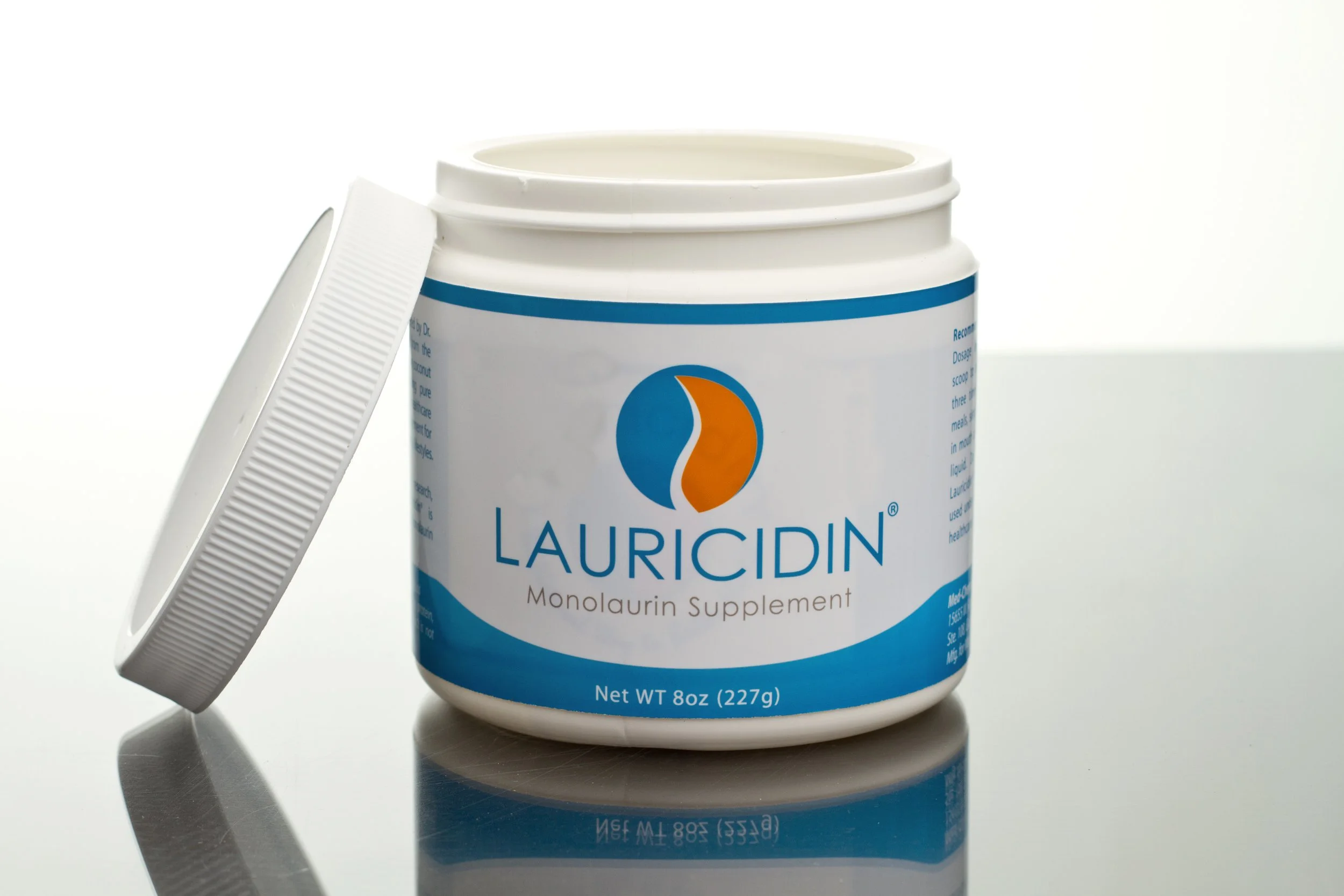
## Introduction to Monolaurin:
In the natural health supplement market, monolaurin has emerged as a huge player, earning attention for its promising array of health benefits. Derived from lauric acid, a medium-chain fatty acid found in coconut oil and breast milk, monolaurin has gained traction for its antiviral, antibacterial, and antifungal properties.
Here we’ll look into one of Monolaurin’s biggest players – Lauricidin, by Med Chem Labs.
## Lauricidin and Med Chem Labs
The story of monolaurin dates back to the 1960s when Dr. Jon Kabara, a renowned researcher, first isolated it from coconut oil. Dr. Kabara’s groundbreaking work paved the way for further exploration of monolaurin’s potential health benefits. Lauricidin, a brand synonymous with monolaurin, introduced its unique pellet form to deliver a concentrated dose of this powerful compound.
Lauricidin, as a monolaurin supplement, has gained widespread recognition for its antiviral, antibacterial, and antifungal properties. This Med Chem Labs creation has become a staple in the natural health community, offering a convenient and effective means of incorporating monolaurin into one’s daily routine.
## Monolaurin Benefits:
The benefits of monolaurin and Lauricidin extend across several areas of health and wellness. As a monolaurin dietary supplement, it has been associated with:
-
**Antiviral Properties**: Monolaurin (and thereforece Lauricidin) has demonstrated potent antiviral effects, making it a valuable addition to immune support regimens.
-
**Antibacterial Action**: The antibacterial properties of monolaurin make it an intriguing option for those seeking natural alternatives to support a healthy microbial balance.
-
**Antifungal Potential**: Monolaurin’s antifungal properties contribute to its versatility, addressing concerns related to fungal overgrowth in the body.
-
**Immune System Support**: By bolstering the immune system, monolaurin may play a crucial role in promoting overall health and resilience against external threats.
## Lauricidin Pellets: Benefits and Drawbacks:
Lauricidin pellets have gained popularity for their simplicity and efficacy. Monolaurin pellets offer a convenient way to incorporate monolaurin into one’s daily routine and can offer a the massive dosage in a single scoop.
**Lauricidin Pellet Benefits:**
-
A scoop of Laurididin pellets can deliver up to 3 grams of monolaurin. This is an effective way to reach mega doses for those looking to maximize their monolaurin intake
-
Lauricidin pellets are sold in large jars, offering an economical approach to monolaurin
**Lauricidin Pellet Drawbacks**
However, some users have noted drawbacks with the pellet form.
-
The pellet form of Lauricidin may present some challenges for those who may have difficulty swallowing
-
Many users must incorporate Lauridcidin in a gradual dosage increases to avoid potential side effects like dieoff reactions
-
Some reviewers claim to have found undissolved pellets after using the bathroom – suggesting the product passes through the digestive tract unabsorbed
-
The glycerol used to form the pellets may upset the stomach
## Capsules – a Pellet Alternative
If pellets are not the right choice for you, capsules are a great alternative. Capsules are easy to take, dissolve completely, come in vegan variants, and a wide range of doses.
A brand that has revolutionized the delivery of monolaurin in capsule form is [Natural Cure Labs](https://www.naturalcurelabs.com). The popularity of Natural Cure Labs capsules comes from several key areas.
-
**Precise Dosage**: The capsule form ensures precise dosage without the need for scooping, measuring, or build up. Users can easily incorporate the capsules into their daily supplement regimen without the hassle of measuring and adjusting dosage over time.
-
**Gentle on the Stomach**: Some individuals may find that the capsule form is gentler on the stomach, reducing the likelihood of digestive discomfort that may be associated with other delivery methods.
-
**Convenience**: Capsules offer a discreet and convenient alternative to pellets. The capsule form eliminates the need to deal with the taste and texture associated with pellets, making it a more palatable option for many users.
-
**Trusted** **Quality**: When it comes to quality, Natural Cure Labs has established a reputation for producing high-quality supplements. Users often appreciate the brand’s commitment to transparency, quality sourcing, and rigorous testing processes.
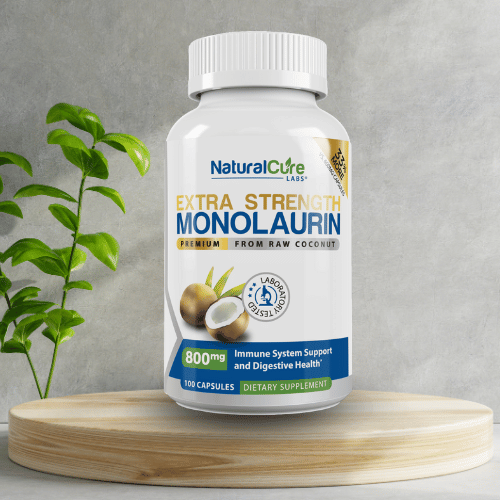
## Conclusion
If you’re introducing monolaurin into your supplement routine, you’ll probably be faced with a choice of pellets or capsules.
Whether you opt for the convenience and high dosage potential of Lauricidin pellets or the precision and quality of Natural Cure Labs capsules, the overarching theme remains clear—the extraordinary potential of monolaurin to enhance health and well-being.
---
**Looking to buy monolaurin? Check out some of the products listed on this external**** **[**Shop Monolaurin**](https://www.shopmonolaurin.com/)[** **](https://www.shopmonolaurin.com/)**website.**